
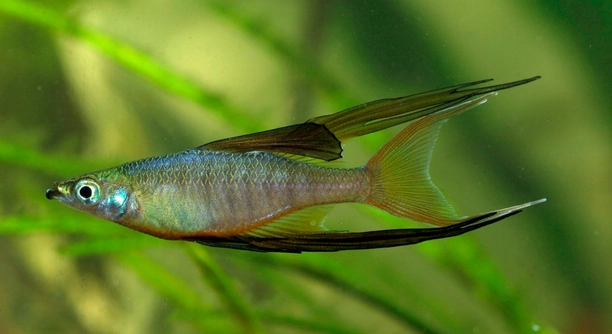
Do you ever find yourself staring at your aquarium, wondering if there’s more you could do to make your fish feel comfortable and happy?
Making a few small upgrades to your tank can have a major impact on your fish’s health and overall environment. Even simple changes like better lighting, improved filtration, or thoughtful decorations can greatly enhance both water quality and fish behavior.
Each upgrade plays a part in creating a balanced and thriving space your fish will truly enjoy.
Better Filtration Systems
A reliable filtration system is one of the most valuable upgrades for any tank. It helps remove waste, excess food, and toxins that can harm your fish over time. Many filters also promote water circulation, keeping oxygen levels steady and the environment clean. Choosing the right size and type of filter for your tank ensures that water stays fresh and balanced. It’s often overlooked how much clarity and stability a good filter provides. With cleaner water, your fish will display brighter colors, swim more actively, and experience less stress. This simple upgrade instantly improves their quality of life.
A clean tank creates a more peaceful and natural space for your fish to explore. It reduces maintenance time and prevents harmful bacteria from spreading, making your aquarium both safer and easier to care for.
When upgrading your filter, consider factors like tank size, fish species, and water flow needs. Over-filtration is rarely a problem, but under-filtration can quickly lead to cloudy water or unhealthy conditions. A filter that combines mechanical, biological, and chemical filtration offers the best protection. Rinse filter media regularly but avoid replacing all components at once to preserve beneficial bacteria. Pairing your filter with regular water changes creates a balanced ecosystem where your fish can thrive without constant adjustments.
Lighting Improvements
Good lighting brings out the best in your aquarium. It highlights colors, supports plant growth, and helps your fish maintain their natural rhythms. The right lighting also makes your tank more visually appealing and relaxing to look at.
When choosing new lights, focus on both brightness and spectrum. LED lights are a popular option because they’re energy-efficient, long-lasting, and customizable. Adjusting the color temperature can enhance the look of your fish and plants. For example, cooler tones create a modern, bright appearance, while warmer lights feel softer and more natural. If you keep live plants, aim for full-spectrum lighting that mimics sunlight. Setting your lights on a timer also helps establish a consistent day and night cycle, which supports healthy fish behavior. With the right balance, your tank will look more vibrant and feel more alive every day.
Upgraded Heater and Thermometer
Stable water temperature is essential for keeping fish healthy. Sudden changes can cause stress or illness, especially for tropical species. A reliable heater paired with an accurate thermometer keeps conditions steady and prevents temperature drops during colder months.
When choosing a heater, select one with adjustable settings and automatic shut-off protection. Submersible heaters are more effective because they evenly distribute heat throughout the tank. Always match the heater’s wattage to your tank size for consistent results. A separate digital thermometer helps you monitor temperature changes more accurately. Check it daily to ensure stability and adjust settings when needed.
Maintaining steady warmth allows fish to regulate their metabolism, stay active, and resist disease. Temperature fluctuations often go unnoticed but can greatly impact their well-being. A dependable heater and thermometer give you peace of mind, knowing your tank stays balanced and your fish remain comfortable year-round.
Enhanced Substrate and Plants
A richer substrate creates a natural look while supporting plant growth and beneficial bacteria. It also helps with waste breakdown and keeps water chemistry balanced. Choosing the right texture and depth can completely transform your aquarium’s health and appearance.
For planted tanks, nutrient-rich substrates such as aqua soil provide better root support and long-term nourishment. Mixing in fine gravel or sand can add texture and stability. Live plants help oxygenate the water and offer fish a safe place to rest or hide. Even a few hardy species, like java fern or anubias, can improve your tank’s ecosystem. Regular trimming keeps plants healthy and prevents overcrowding. Combined with a strong substrate, your plants will thrive and your fish will enjoy a more natural and calming habitat.
Improved Aeration
Adding an air pump or air stone increases oxygen levels and helps with water circulation. This small change supports healthier fish and prevents stagnant areas where debris can collect. It also enhances the overall balance of the tank environment.
Better aeration keeps your water clear and your fish more active. It reduces harmful gas buildup and encourages beneficial bacteria to thrive. The soft bubbling sound also creates a calm, soothing atmosphere that makes your aquarium more pleasant to watch and maintain.
Smart Feeding Tools
Automatic feeders are an easy way to ensure your fish receive consistent, balanced meals even when you’re busy. They prevent overfeeding, which often leads to cloudy water or health problems. Most feeders can be adjusted to release precise portions at regular intervals.
Water Testing Kits
Regularly testing your tank’s water helps detect issues before they become serious. Checking levels of ammonia, nitrate, and pH keeps your fish safe and ensures the environment stays stable. It’s a simple habit that prevents stress and promotes long-term health.
FAQ
How often should I clean my tank after making these upgrades?
Cleaning frequency depends on your tank size, number of fish, and type of filtration. In most cases, partial water changes every one to two weeks are ideal. These help remove excess waste and refresh the water without disturbing the ecosystem too much. With better filtration and substrate, you might notice your tank stays cleaner for longer periods. Still, regular maintenance keeps algae and debris from building up. Always rinse filter media gently with tank water instead of tap water to preserve beneficial bacteria that support healthy water conditions.
Can I use tap water in my aquarium after upgrading equipment?
Yes, but it must be treated properly. Tap water usually contains chlorine and other chemicals that can harm fish. Use a reliable water conditioner to neutralize these before adding the water to your tank. If your tap water has high levels of metals or minerals, consider using a specialized filter or mixing it with distilled water. Testing your water regularly will help you adjust as needed. Once your upgrades are in place, maintaining balanced and conditioned water becomes much easier, leading to fewer problems and happier fish.
Do LED lights affect my fish’s behavior?
LED lights are safe and beneficial when used correctly. They mimic natural light and help your fish maintain normal day-night cycles. However, excessive brightness or long lighting hours can stress them out. It’s best to use a timer that provides 8–10 hours of light each day. For tanks with live plants, full-spectrum LEDs encourage healthy growth. Adjusting light intensity gradually prevents sudden changes that might startle your fish. Balanced lighting not only enhances your aquarium’s beauty but also supports a stable and peaceful environment.
What is the best way to keep the water temperature stable?
Use a high-quality heater with an adjustable thermostat and pair it with a digital thermometer. Avoid placing your tank near windows or vents where temperature can fluctuate. Regularly check both the heater and thermometer to ensure accuracy. If you live in a cooler climate, consider using a tank cover to retain warmth. Maintaining consistent temperature prevents stress and illness in your fish. This stability also helps beneficial bacteria function properly, supporting an overall healthier tank.
How do I know if my filtration system is working well?
Clear water, steady flow, and active fish are signs of an effective filter. If you notice cloudy water, weak flow, or debris buildup, it may be time to clean or upgrade the filter media. Always check for clogs in the intake and output areas. Replace filter components according to the manufacturer’s schedule, but never all at once. Keeping biological filtration intact ensures your tank remains balanced. When the system runs smoothly, your fish will appear livelier and the water will stay fresher for longer.
Is it necessary to have live plants in every tank?
Not always, but live plants offer many benefits. They absorb waste, release oxygen, and provide shelter for fish. If you prefer low-maintenance options, choose hardy species like java fern, hornwort, or anubias. Artificial plants can also be used for decoration, but they don’t contribute to water quality. A mix of live and artificial plants can give your tank a natural appearance while keeping upkeep simple. If you add live plants, ensure proper lighting and nutrient-rich substrate for healthy growth.
How do I prevent overfeeding after using an automatic feeder?
Start by setting small portions and observing how much your fish actually eat within two minutes. Adjust the feeder’s settings accordingly. Overfeeding can lead to poor water quality and health problems. Remember to occasionally feed by hand to monitor your fish’s appetite and behavior. Regularly clean any leftover food and keep the feeder dry to prevent clumping. A consistent feeding routine keeps your fish healthy, reduces waste, and maintains better water conditions overall.
Why is regular water testing so important?
Water quality can change quickly, even if the tank looks clean. Testing for ammonia, nitrite, nitrate, and pH helps detect hidden issues before they harm your fish. Each parameter affects their health and comfort. For example, high ammonia levels can burn gills, while unstable pH causes stress. Using simple test strips or digital testers once a week keeps you aware of any shifts. Addressing problems early saves time, money, and prevents fish loss. Consistent testing is one of the easiest ways to maintain a balanced and thriving aquarium.
Can small tanks still benefit from these upgrades?
Absolutely. Even minor tanks gain stability from better filtration, lighting, and aeration. Small tanks are more sensitive to changes, so reliable equipment makes a noticeable difference. Compact filters, adjustable heaters, and low-wattage LED lights are available for smaller setups. These upgrades create a healthier, cleaner, and more attractive habitat without requiring major space or effort.
Final Thoughts
Keeping an aquarium is more than just maintaining a tank of water and fish—it’s about creating a balanced and stable environment where life can thrive. Every small adjustment, from the filtration system to lighting and substrate, plays a key role in maintaining that balance. Even though these upgrades may seem minor, they work together to build a healthier, cleaner, and more natural space. When water is clear, oxygen levels are steady, and temperature remains stable, your fish will show more color, move more freely, and live more comfortably. These upgrades not only improve your fish’s well-being but also make your maintenance routine easier and more enjoyable. Small changes often lead to big improvements, especially when consistency and care become part of your regular routine.
Each of the seven upgrades serves a purpose that connects to the next. A better filter keeps the water pure, while lighting and live plants bring life and color to the tank. A good heater maintains temperature, and an air stone ensures oxygen is always flowing. These elements create a complete system that supports both the fish and the environment they live in. Water testing kits and automatic feeders simplify monitoring and feeding, allowing you to spend less time worrying and more time appreciating the beauty of your aquarium. Over time, you’ll start noticing how stable water parameters, healthy plants, and calm fish all signal that your small efforts are working. It’s a rewarding process that builds patience and awareness, showing how even simple upgrades can transform your tank’s overall health.
Caring for an aquarium doesn’t have to feel complicated or overwhelming. What matters most is consistency and attention to detail. Testing water regularly, cleaning filters gently, trimming plants, and observing your fish all help maintain a steady balance. Each upgrade contributes to a more natural rhythm within your aquarium, where everything supports everything else. The cleaner the water and the more stable the environment, the less you’ll need to intervene. As your tank becomes self-sustaining, you’ll gain confidence in maintaining it. In time, you’ll see that these small, thoughtful changes don’t just make your aquarium look better—they make it function better too. With patience and steady care, your fish will thrive, and your aquarium will become a peaceful and vibrant display of balance and life.

Hello,
If you enjoy the content that we create, please consider saying a "Thank You!" by leaving a tip.
Every little bit helps us continue crafting quality advice that supports the health, happiness, and well-being of pets around the world, for pets of all shapes, sizes, and species.
We really appreciate the kindness and support that you show us!