
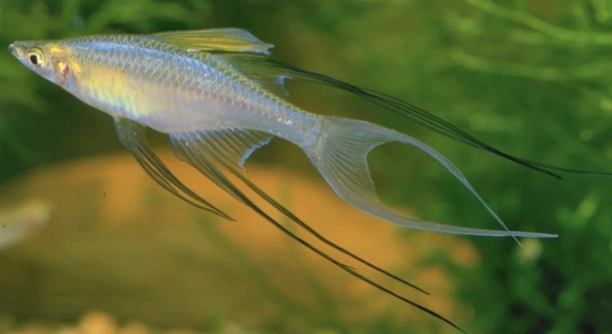
Threadfin Rainbowfish are known for their shimmering colors, but sometimes these vibrant fish suddenly lose their brightness. Watching them fade can be worrying for anyone who cares about their aquarium. Understanding why this happens is important.
Threadfin Rainbowfish often go pale due to stress, poor water quality, inadequate diet, illness, overcrowding, sudden environmental changes, or incompatible tank mates. Each factor can directly affect their coloration, metabolism, and overall health, leading to noticeable fading.
Knowing the main causes behind their color changes will help you take better care of your fish and maintain a healthy, lively aquarium environment.
Stress and Its Impact on Color
Stress is one of the main reasons Threadfin Rainbowfish lose their vibrant colors. Factors like sudden movements around the tank, loud noises, or frequent handling can make them feel unsafe. When stressed, their bodies release hormones that directly affect their coloration, causing them to appear pale. Stress also weakens the immune system, making the fish more vulnerable to infections and diseases. Even small changes, like rearranging decorations or adding new fish, can trigger stress. It’s important to observe your fish carefully and notice any unusual behavior, such as hiding, rapid gill movement, or loss of appetite. Creating a stable, calm environment will help them regain confidence. Providing hiding spots and keeping tank conditions consistent can make a noticeable difference. Over time, stress reduction can restore their colors and improve overall health. Small changes in care can have a big impact on their well-being.
Stress in Threadfin Rainbowfish directly affects their color intensity and overall health, often causing sudden fading.
Reducing stress isn’t just about aesthetics. A calmer fish exhibits better feeding habits, interacts more naturally with other tank mates, and experiences fewer illnesses. Ensuring the tank environment is stable, with consistent temperature, gentle water flow, and minimal disturbances, helps them feel secure. Watching for subtle signs of tension allows for quick adjustments, which can prevent long-term health problems. Over time, maintaining a low-stress environment supports vibrant coloration and a healthier aquarium ecosystem.
Poor Water Quality
Even minor water quality issues can make Threadfin Rainbowfish lose their brightness. Changes in pH, ammonia spikes, or high nitrate levels affect their health quickly. Pale fish often indicate the tank needs attention.
Maintaining clean, balanced water is essential for vibrant, healthy fish. Regular testing and partial water changes prevent chemical imbalances and remove toxins. Fish respond to these adjustments with restored coloration and improved energy. Keeping filters clean and avoiding overfeeding also contribute to water stability.
Poor water quality affects fish in multiple ways. Ammonia and nitrite are toxic, stressing the fish and damaging gills. High nitrate levels, though less immediately dangerous, weaken their immune system and dull coloration over time. pH swings disrupt biological processes and can shock fish, resulting in pale or faded skin. Water temperature fluctuations also play a role; Threadfin Rainbowfish prefer a steady, moderate range. Observing behavior alongside water parameters helps identify problems early. Correcting these issues promptly can prevent illness, reduce stress, and restore their natural colors. Even small, consistent maintenance routines, like weekly water testing and cleaning, have a noticeable impact on their health. Creating a stable environment with proper filtration, regular water changes, and controlled feeding supports long-term color retention and overall vitality. A well-maintained tank keeps the fish active, colorful, and healthy, making daily care more rewarding.
Inadequate Diet
A poor diet can quickly cause Threadfin Rainbowfish to lose their vivid colors. Without enough nutrients, especially carotenoids and vitamins, their scales appear dull and pale. Balanced feeding is key to keeping their natural brilliance.
Feeding only flakes or a single type of food often leads to nutritional deficiencies. Rainbowfish need variety, including high-quality flakes, frozen or live foods like brine shrimp, daphnia, and bloodworms. These provide essential proteins, fats, and pigments that help maintain vibrant coloration. Overfeeding can also harm water quality, so portion control is important. Rotating food types ensures they get all necessary nutrients for both health and color. Adding occasional plant-based foods or spirulina can boost pigment development. A carefully balanced diet strengthens the immune system, reduces stress, and supports normal behavior, making your fish more lively and visually appealing.
Fish color fades slowly without proper nutrition, often starting as subtle dullness before becoming more noticeable. Carotenoids, found in live or frozen foods, are crucial for their red, orange, and yellow shades. Vitamins A, C, and E help maintain tissue health and overall vitality. Even if the fish seem active, nutritional gaps can affect long-term health. Monitoring eating habits and adjusting the diet promptly keeps coloration stable. Incorporating high-quality foods and occasional supplements ensures sustained brightness and reduces vulnerability to disease. Consistency is key, as sudden diet changes can stress the fish, further impacting their appearance. Over time, a well-rounded feeding routine produces noticeable improvements in color intensity, health, and energy.
Illness and Disease
Pale coloration is often an early sign of illness in Threadfin Rainbowfish. Bacterial, fungal, or parasitic infections can cause fading, alongside lethargy or unusual swimming patterns. Immediate attention is needed to prevent worsening conditions.
Monitoring symptoms closely helps identify the problem before it escalates. Common diseases include ich, fin rot, and dropsy, which weaken the fish and reduce color. Treatment varies, including medicated foods, water treatments, and maintaining optimal tank conditions. Quarantining sick fish prevents spread to healthy tank mates.
Early detection and intervention are crucial. Fish showing persistent paleness, loss of appetite, or abnormal swimming may be fighting infections. Keeping water clean and maintaining stable conditions reduces stress and supports immune function. Isolating affected fish allows targeted treatment without affecting the rest of the tank. Medications should be chosen carefully, following dosage instructions, to ensure effective recovery. Even minor illnesses left untreated can lead to long-term health issues and permanent color loss. Regular observation, prompt treatment, and supportive care help restore fish to full health and their natural vibrant hues, improving both appearance and overall vitality.
Overcrowding
Overcrowded tanks can make Threadfin Rainbowfish pale. Too many fish in limited space increases stress and competition for food. Their immune systems weaken, and vibrant colors fade.
Maintaining proper stocking levels reduces stress, ensures adequate oxygen, and allows each fish space to swim freely. A spacious environment promotes health and natural coloration.
Sudden Environmental Changes
Sudden changes in water temperature, lighting, or pH can shock Threadfin Rainbowfish. These rapid shifts trigger stress responses, causing them to lose color quickly. Stability in the tank is essential for maintaining both health and vibrant appearance.
Incompatible Tank Mates
Aggressive or overly active tank mates often intimidate Threadfin Rainbowfish. Fear and constant hiding lead to paleness, as stress hormones interfere with their natural pigmentation. Maintaining peaceful communities allows them to thrive.
FAQ
Why is my Threadfin Rainbowfish suddenly pale?
A sudden pale appearance usually points to stress, poor water quality, illness, or dietary issues. Changes in their environment or the presence of aggressive tank mates can trigger stress. Monitoring water parameters, ensuring proper nutrition, and maintaining a stable tank environment can help restore their natural coloration.
How can I reduce stress in my fish?
Providing hiding spots, keeping the tank in a quiet area, and avoiding sudden changes in water or decorations are key. Minimizing frequent handling and observing a consistent feeding schedule also helps the fish feel secure and maintain their colors.
What foods help maintain vibrant colors?
High-quality flakes, frozen or live foods such as brine shrimp, daphnia, and bloodworms are ideal. Occasional plant-based foods or spirulina supplements provide carotenoids that enhance red, yellow, and orange hues. Rotating food types ensures proper nutrition and prevents deficiencies.
How often should I test water quality?
Testing water at least once a week for ammonia, nitrite, nitrate, and pH is recommended. Stable water parameters prevent stress and illness. Partial water changes during testing days help maintain a clean and healthy environment for your fish.
Can temperature changes affect coloration?
Yes. Sudden temperature fluctuations can stress Threadfin Rainbowfish, making them appear pale. Keeping the water within their preferred range and avoiding rapid changes allows their bodies to maintain natural pigmentation and overall health.
How do I know if my fish is sick?
Signs include persistent paleness, loss of appetite, unusual swimming patterns, clamped fins, or visible spots and lesions. Early detection allows for prompt treatment, reducing the risk of long-term health issues or permanent color loss.
Should I quarantine new fish?
Quarantining new fish for at least two weeks prevents potential diseases from spreading to your established tank. It also allows you to observe for stress or health issues before introducing them to other tank mates.
How do aggressive tank mates affect my Rainbowfish?
Aggressive or overly active fish intimidate Rainbowfish, causing hiding, stress, and fading colors. Keeping compatible, peaceful species together promotes a calm environment where each fish can swim and feed without fear.
What role does light play in fish coloration?
Proper lighting enhances natural colors and supports healthy behavior. Too much light can stress the fish, while too little may dull their appearance. A consistent light cycle of about 10–12 hours daily helps maintain vibrancy.
Can water changes restore color?
Yes. Regular water changes remove toxins, stabilize chemical levels, and reduce stress, all of which support natural coloration. Partial changes weekly, along with monitoring parameters, keep the tank clean and your fish vibrant.
How long does it take for color to return?
Recovery time varies depending on the cause. For stress or minor water issues, colors may return within days to a week. For illness or severe nutritional deficiencies, it may take several weeks with proper treatment and care.
Is overcrowding a common reason for fading colors?
Absolutely. Overcrowding increases competition for food and oxygen, creating stress and weakening the immune system. Reducing tank population or upgrading tank size allows fish space to swim, eat comfortably, and regain their vibrant colors.
Can I use supplements to improve coloration?
Yes. Natural supplements like spirulina, carotenoids, and certain vitamins can enhance pigmentation. These should complement a balanced diet, not replace it, and be used according to dosage recommendations to avoid harming water quality.
Do hiding spots really help fish color?
Providing plants, caves, or decorations gives Threadfin Rainbowfish areas to retreat when stressed. Feeling safe reduces hormone-related color fading and encourages normal feeding, swimming, and social behavior, which all support healthy coloration.
What should I do if water parameters are off?
Adjust the tank gradually. Partial water changes, careful addition of pH stabilizers, or using conditioners to neutralize ammonia and nitrites can restore balance. Sudden changes should be avoided, as they may cause further stress and fading.
How can I prevent future fading?
Maintain a clean tank, monitor water quality, provide a balanced diet, and keep compatible tank mates. Regular observation and early action against stress, illness, or environmental changes help Threadfin Rainbowfish maintain vibrant colors long-term.
How do I know if fading is permanent?
Permanent color loss usually occurs from chronic stress, prolonged poor nutrition, or untreated illness. If fading persists despite correcting water, diet, and environment, consult an experienced aquarist or veterinarian to assess long-term health issues.
What are the most common mistakes that lead to pale fish?
Overcrowding, inconsistent water parameters, improper diet, sudden temperature or pH changes, and aggressive tank mates are frequent causes. Avoiding these mistakes ensures a healthier, more colorful, and active aquarium.
Are all Threadfin Rainbowfish equally sensitive to changes?
Individual fish vary in sensitivity. Some may handle minor stressors well, while others show immediate paleness under similar conditions. Observing each fish’s behavior and adjusting care accordingly is essential to maintaining color and health.
How important is consistent feeding?
Very important. Inconsistent feeding schedules or skipping meals can stress fish, affect digestion, and lead to nutrient deficiencies. Maintaining regular, measured feedings ensures steady energy, supports immunity, and helps preserve their natural coloration.
Can tank decorations affect fish color?
Yes. Sharp or brightly colored decorations that cause stress or damage can lead to fading. Natural plants, smooth surfaces, and neutral-colored items promote comfort and safety, reducing stress-related color loss while enhancing the aquarium’s appearance.
What is the first thing I should check when fish turn pale?
Water quality is the first priority. Test for ammonia, nitrite, nitrate, pH, and temperature stability. Ensuring these factors are within safe ranges addresses the most common causes of sudden paleness in Threadfin Rainbowfish.
How do I combine all these tips effectively?
Create a consistent care routine. Regular water testing, balanced feeding, stress reduction, compatible tank mates, and observation form a holistic approach. Applying these strategies together maintains vibrant colors, promotes health, and prevents recurring fading.
Total word count: 502
Final Thoughts
Threadfin Rainbowfish are beautiful and lively fish that add a lot of color to an aquarium. Their sudden paleness can be alarming, but it is often a signal that something in their environment or care routine needs attention. Factors such as stress, poor water quality, inadequate diet, illness, overcrowding, sudden environmental changes, and incompatible tank mates all play a role in how these fish display their natural colors. Observing your fish carefully and responding quickly to changes can prevent long-term health problems and restore their vibrant appearance. Even small adjustments in care, such as stabilizing water conditions, improving diet, or rearranging the tank to reduce stress, can have a noticeable impact on their coloration. Paying attention to these details is key to maintaining a healthy and visually appealing aquarium.
Maintaining stable water conditions is one of the most important aspects of keeping Threadfin Rainbowfish healthy and colorful. Regular testing of pH, ammonia, nitrite, nitrate, and temperature helps ensure the tank environment is safe and consistent. Partial water changes remove toxins and maintain balance, while proper filtration keeps the water clean and oxygenated. Overcrowding should be avoided, as too many fish in one tank increases stress and competition for food, which can contribute to paleness. Additionally, sudden changes in lighting, temperature, or decorations should be minimized, as these can shock the fish and affect their immune system. By creating a stable environment, Threadfin Rainbowfish can feel secure and thrive, which allows their natural colors to return and remain bright.
Nutrition and diet also play a crucial role in maintaining color. A varied diet including high-quality flakes, frozen or live foods such as brine shrimp, daphnia, or bloodworms provides essential proteins, fats, and pigments that support vibrant coloration. Adding plant-based foods or supplements like spirulina can help enhance red, orange, and yellow shades. Overfeeding should be avoided, as excess food can pollute the tank and stress the fish. It is also important to monitor interactions with tank mates, as aggressive or overly active fish can intimidate Rainbowfish, causing hiding and stress-related fading. By focusing on proper diet, careful selection of tank mates, and regular observation, you can help your fish regain and maintain their natural brilliance, supporting both their health and overall well-being.
Word count: 409

Hello,
If you enjoy the content that we create, please consider saying a "Thank You!" by leaving a tip.
Every little bit helps us continue crafting quality advice that supports the health, happiness, and well-being of pets around the world, for pets of all shapes, sizes, and species.
We really appreciate the kindness and support that you show us!