
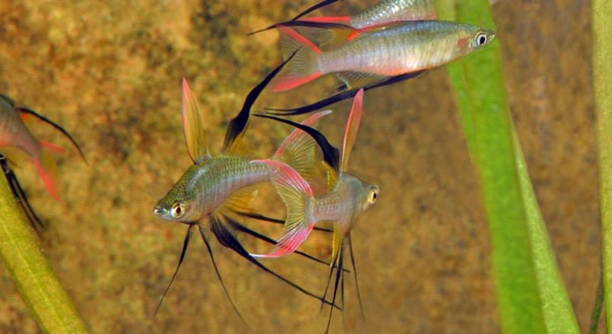
Keeping a single Threadfin Rainbowfish can be a quiet experience. These small, shimmering fish are naturally social and often thrive in groups. Observing them alone may reveal subtle changes in behavior over time, affecting their overall well-being.
Loneliness in a solo Threadfin Rainbowfish can manifest through reduced activity, lack of interaction, faded coloration, irregular swimming patterns, decreased appetite, excessive hiding, and increased stress responses. Identifying these signs early is crucial for maintaining proper health and environmental enrichment.
Recognizing these behaviors allows owners to take steps that support the fish’s social and physical needs for a healthier aquatic life.
Reduced Activity and Lethargy
A solo Threadfin Rainbowfish often shows less movement than usual when lonely. Swimming becomes slower and less coordinated, and they may spend long periods resting at the bottom or near decorations. Normally active fish that dart across the tank may start staying in one spot. This change in behavior is subtle at first, but over time it can become more noticeable. Reduced activity can indicate stress or boredom, both common in isolated fish. Even feeding times may see slower responses, and the fish might miss food that it normally would catch. Observing these patterns consistently can help identify when the fish is experiencing social deprivation. Environmental enrichment, such as plants or small decorations, may stimulate movement, but it cannot fully replace the social interaction these fish require. Being proactive in monitoring behavior is key to preventing long-term health issues caused by prolonged isolation.
Reduced activity is one of the earliest and most consistent signs that your fish may be lonely and stressed.
Addressing lethargy involves creating a stimulating environment and considering companions. Without social interaction, the fish may lose interest in swimming or playing. Gradually adding visual enrichment like floating plants or gentle water currents can encourage more activity. Proper diet and consistent feeding times also support energy levels, but true improvement often comes from social interaction. Observing behavior daily allows you to detect changes early. Over time, a more active, responsive fish reflects better mental and physical health.
Faded Coloration
Lonely Threadfin Rainbowfish often lose their vibrant colors. Bright hues dull, and patterns appear less distinct. Color fading is usually gradual but becomes noticeable when compared to images or memories of a healthy, active fish.
Color loss is a visual indicator of stress and reduced well-being.
Prolonged loneliness affects hormone levels and overall health, resulting in muted coloration. Fish may show less interest in their environment and spend more time hiding. A balanced diet rich in carotenoids can help maintain colors, but it cannot completely offset the effects of social isolation. Adding tank mates restores natural social behavior and can quickly revive brightness. Monitoring colors alongside behavior gives a clear picture of the fish’s emotional and physical state.
Irregular Swimming Patterns
Erratic or unusual swimming is common in a lonely Threadfin Rainbowfish. The fish may dart suddenly, circle repeatedly, or remain motionless mid-tank. These behaviors indicate stress and a lack of engagement with their environment.
Irregular swimming often appears when the fish lacks companionship. Normally, these fish swim in coordinated groups, following each other in fluid motions. When alone, they may appear anxious, stop following typical paths, or explore the tank unevenly. Repetitive circling or sudden bursts of movement are attempts to cope with boredom or stress. Tank decorations may become points of constant attention, or the fish may hover near hiding spots. Monitoring swimming patterns is essential, as prolonged erratic behavior can lead to fatigue or injury. A companion can help normalize these movements and restore more natural swimming behavior.
Adjusting the tank setup can offer some stimulation, but social interaction remains crucial. Adding companions gradually and observing their integration reduces stress and helps the fish swim with more confidence and consistency, promoting overall health and mental well-being.
Decreased Appetite
A lonely Threadfin Rainbowfish often eats less or ignores food entirely. Appetite loss is a direct response to stress or lack of stimulation.
Reduced feeding occurs because the fish is mentally disengaged and may feel unsafe or unsettled in isolation. Over time, they may skip meals or show slower reactions during feeding times, leaving food uneaten. This decline can affect growth, immune function, and energy levels. Environmental enrichment can encourage feeding but cannot fully replace the benefits of social interaction. A single fish may regain appetite once companions are introduced or when stress levels decrease.
Consistent observation is important to detect appetite changes early. Small adjustments, such as frequent but smaller feedings and varied food types, can help. Gradually introducing visual or environmental stimuli may stimulate interest in eating. Monitoring both behavior and appetite ensures proper nutrition and helps prevent long-term health complications. A well-fed fish with social interaction exhibits normal growth, energy, and vitality.
Excessive Hiding
A lonely Threadfin Rainbowfish tends to hide more than usual. It may stay under plants, behind decorations, or near tank corners, avoiding open areas. This behavior reflects stress and a desire for security in the absence of companions.
Hiding reduces exposure to perceived threats but also limits activity. The fish may miss feeding opportunities and appear withdrawn. Consistent hiding is a clear sign that the fish is uncomfortable and needs environmental or social support to feel more secure.
Stress Responses
Signs of stress include rapid gill movement, fin clamping, and sudden darting. Loneliness triggers these reactions, affecting both mental and physical health. Continuous stress can weaken the immune system, making the fish more susceptible to illness. Providing companions or enrichment is essential to reduce stress and promote well-being.
Lack of Interaction
A solitary Threadfin Rainbowfish shows minimal response to humans or tank events. It may ignore feeding or external stimuli, appearing disengaged and detached from its surroundings.
FAQ
How many Threadfin Rainbowfish should I keep together?
Threadfin Rainbowfish are naturally social and thrive in groups. Ideally, keeping at least six together allows them to interact, establish social patterns, and display natural behaviors. Smaller groups may experience stress, leading to reduced activity, color fading, or erratic swimming. Observing their group behavior helps maintain a healthy dynamic.
Can a single Threadfin Rainbowfish survive alone?
A single fish can survive, but it is prone to stress and loneliness. Lack of companionship affects behavior, appetite, and overall health. While enrichment and tank decorations help slightly, they cannot fully replace social interaction. Introducing tank mates is the most effective way to prevent isolation-related problems.
What are the signs of loneliness in my fish?
Loneliness can appear as reduced activity, faded coloration, irregular swimming, excessive hiding, decreased appetite, and increased stress responses. These changes are gradual but noticeable if the fish is monitored regularly. Early detection allows for adjustments in environment or companions to improve well-being.
How can I encourage my Threadfin Rainbowfish to be more active?
Activity increases when fish have companions or stimulating environments. Adding live plants, gentle currents, or hiding spots encourages exploration. Feeding small amounts frequently and using varied food types also promotes movement. Watching for positive responses helps gauge whether adjustments are effective.
Is it safe to add other fish to the tank?
Yes, but compatibility is key. Threadfin Rainbowfish prefer peaceful, similarly sized species. Avoid aggressive or very territorial fish that could cause stress. Introducing new fish gradually and monitoring behavior ensures a smooth transition and maintains tank harmony.
How long does it take for a lonely fish to adjust to companions?
Adjustment time varies. Some fish integrate within a few days, while others may take weeks. Providing hiding spots, maintaining stable water conditions, and avoiding overcrowding help ease the transition. Monitoring interactions and behavior ensures stress is minimized during this period.
Can loneliness affect my fish’s health permanently?
Prolonged isolation can lead to chronic stress, weakened immunity, and slower growth. Coloration may remain dull if stress persists. Early intervention with companions or environmental enrichment prevents long-term effects and supports physical and mental health.
What environmental changes can help a lonely Threadfin Rainbowfish?
Adding plants, rocks, or decorations encourages exploration and provides hiding spots. Gentle water currents simulate natural conditions, promoting swimming. Lighting adjustments and varied feeding schedules add stimulation. While helpful, these changes are best paired with social interaction for full benefit.
How often should I monitor my fish for signs of loneliness?
Daily observation is ideal. Note changes in swimming, feeding, coloration, and hiding behavior. Consistent monitoring allows early detection of stress or social issues. Recording observations helps track patterns and ensures timely interventions to maintain health.
Can a single fish ever be truly happy alone?
Threadfin Rainbowfish naturally thrive in groups, so a solitary fish will rarely achieve optimal mental and physical well-being. While enrichment and careful care improve comfort, companionship is essential for a fully healthy, engaged fish.
Final Thoughts
Caring for a Threadfin Rainbowfish requires more than just providing clean water and food. These fish are naturally social creatures that rely on interactions with their own kind to stay healthy and active. When kept alone, they can experience stress, loneliness, and behavioral changes that are not always immediately obvious. Observing a solo fish closely is essential to notice subtle signs like reduced activity, hiding, or changes in color. Each of these behaviors is an indicator that the fish’s environment may not be fully meeting its needs. Loneliness affects both mental and physical health, and while environmental enrichment such as plants, decorations, and gentle currents can provide some stimulation, it cannot fully replace the benefits of companionship. Understanding the natural tendencies of these fish allows owners to create a habitat that supports their well-being and encourages natural behavior.
Introducing companions can be one of the most effective ways to address loneliness in Threadfin Rainbowfish. Adding a small group of compatible fish encourages social interaction, increases activity, and often restores natural coloration and feeding habits. Even small changes in tank setup can make a difference, but the presence of other fish is central to long-term happiness. Monitoring how fish interact after introducing companions is important to ensure harmony in the tank. Gradual integration, providing hiding spots, and maintaining stable water conditions help reduce stress during this process. In addition, observing daily behavior and feeding patterns allows owners to track improvement and notice any ongoing issues. Maintaining social interaction alongside a properly enriched environment ensures that the fish remain physically healthy and mentally engaged.
Ultimately, keeping a solo Threadfin Rainbowfish can be challenging, but awareness and proactive care make a significant difference. Recognizing signs of loneliness early and taking steps to provide social interaction or environmental stimulation supports a healthier, more active fish. Loneliness is not always obvious, so consistent observation and understanding natural behavior are crucial. A well-cared-for fish demonstrates vitality through bright coloration, active swimming, regular feeding, and responsive behavior. Balancing companionship, environmental enrichment, and attentive care ensures the fish thrives and reduces the negative effects of isolation. Thoughtful management and understanding of these small, social creatures create an aquarium environment where they can truly flourish and maintain long-term health.

Hello,
If you enjoy the content that we create, please consider saying a "Thank You!" by leaving a tip.
Every little bit helps us continue crafting quality advice that supports the health, happiness, and well-being of pets around the world, for pets of all shapes, sizes, and species.
We really appreciate the kindness and support that you show us!