
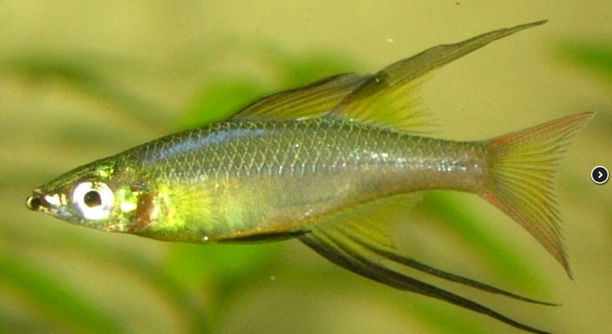
Have you ever noticed how Threadfin Rainbowfish swim together in your aquarium? Their shimmering colors and playful movements often make them seem lively and interactive, capturing attention. Many fish keepers enjoy observing these tiny, sparkling companions in their tanks.
Threadfin Rainbowfish exhibit social behavior and can form bonds with each other. They tend to swim in small groups, interact consistently, and display cooperative behaviors, indicating a level of companionship beyond mere schooling instincts in their aquatic environment.
Observing their group dynamics offers insights into their behavior and enhances the experience of keeping these fish in home aquariums. Small gestures reveal surprising patterns of connection and interaction.
Social Behavior of Threadfin Rainbowfish
Threadfin Rainbowfish are naturally social creatures. In aquariums, they prefer to stay in small groups rather than alone, which helps reduce stress and encourages healthy activity. When kept in isolation, they often become timid, hiding behind plants or decorations. Watching a group swim together, you can notice subtle interactions, such as following one another, gently nudging, or mirroring movements. These behaviors indicate a level of awareness and preference for certain companions within the group. In addition, males often display vibrant colors when near others, a sign of both health and communication. Providing enough space and hiding spots helps them feel secure while expressing these behaviors naturally. Over time, patterns emerge, showing which fish tend to stick together and which prefer solitude. Observing these interactions can make maintaining an aquarium more engaging and rewarding, as it reveals the complexity of their small but structured social network within a confined environment.
Their social habits contribute to a calmer and more active aquarium environment, benefiting all fish in the tank.
Grouping and pairing in Threadfin Rainbowfish is more than random; it reflects consistent choices based on comfort, activity levels, and hierarchy. Some individuals clearly prefer each other’s presence, often swimming in sync or resting near one another. Recognizing these patterns can guide tank layout, plant placement, and group size to foster healthier interactions. By giving them space and observing carefully, you notice subtle signs of compatibility and social preference, which can improve overall aquarium harmony and make their behavior more predictable and enjoyable to watch.
Signs of Companionship
Threadfin Rainbowfish show companionship through coordinated swimming, color displays, and gentle interaction.
Noticing how they interact requires careful observation over time. Fish that consistently swim near each other or respond to each other’s movements often develop bonds. Males may chase each other playfully, while others rest in proximity, showing mutual comfort. Some individuals establish a pecking order without aggression, making the group stable. Tank size, decoration, and hiding spots influence these behaviors. By arranging the aquarium thoughtfully, you encourage natural interactions. Watching these patterns can feel surprisingly personal, as each fish’s behavior tells a small story about its preferences, comfort, and reactions to its peers. Documenting these interactions can help predict compatibility in future tank setups and improve overall health by reducing stress from overcrowding or forced pairings. Recognizing subtle cues of alignment, cooperation, and preference ensures a more vibrant, dynamic environment, benefiting both the fish and the observer. Careful attention highlights how these patterns form naturally over weeks.
Tank Environment and Interaction
A well-structured tank encourages natural interaction among Threadfin Rainbowfish. Plants, hiding spots, and open swimming areas all influence how they move and choose companions. Proper lighting and water conditions also impact their activity and comfort.
Providing a balanced mix of decorations and open space allows them to explore while feeling secure. Threadfin Rainbowfish tend to follow one another through plants, linger near decorations, or swim openly in clear areas, depending on the individual’s temperament. Consistent water quality and temperature create a stable environment, reducing stress and supporting their natural behavior. Observing their preferred areas helps in understanding their subtle social patterns.
Open spaces in the tank are essential for synchronized swimming and coordinated movements. Without enough room, they may become stressed or avoid interaction. Proper layout ensures each fish can express natural behavior, maintain energy, and interact comfortably with the group. Tracking which fish stick together can guide future tank planning.
Feeding Patterns and Social Preference
Threadfin Rainbowfish often show preference during feeding, sticking near certain companions while avoiding others.
During mealtime, some fish eat side by side, while others keep a distance. This behavior reflects comfort and trust, as well as hierarchy within the group. Fish that swim together consistently often finish their food without stress. Feeding routines help reinforce bonds and reduce aggression, especially in mixed tanks. Observing who eats near whom can reveal subtle preferences, allowing better management of food distribution. Ensuring all individuals receive equal portions prevents competition-related stress. By adjusting feeding locations and timing, you can promote more natural interactions and minimize tension among the group, improving overall health and cohesion.
Observing Pairing Behavior
Threadfin Rainbowfish often swim in pairs or small groups, showing clear preferences for certain companions. These pairings can change over time but usually indicate comfort and trust between individuals.
Pairs tend to coordinate movements, follow each other closely, and rest near one another. Observing these behaviors helps identify which fish feel most secure together.
Impact of Tank Size
A larger tank allows Threadfin Rainbowfish to express natural social behaviors more freely. Crowded conditions often increase stress, reduce interaction, and can lead to aggression. Space encourages exploration, synchronized swimming, and healthier group dynamics, making social behavior easier to observe.
Male Interactions
Males often display more vivid colors when near other males or groups. This behavior communicates dominance, health, and readiness for interaction.
Monitoring Health Through Social Behavior
Changes in interaction patterns can indicate stress or illness. Fish that isolate themselves or stop participating in group movements may need attention or environmental adjustments.
FAQ
Do Threadfin Rainbowfish prefer specific companions?
Yes, Threadfin Rainbowfish often show preference for certain individuals in the tank. They may swim together consistently, rest near each other, or mirror movements. These preferences can be based on temperament, size, or comfort levels, and observing them over time helps identify natural pairings within the group.
Can Threadfin Rainbowfish be aggressive toward each other?
Aggression is usually minimal but can occur in overcrowded tanks or during feeding. Males may chase each other playfully or display bright colors to assert dominance. Providing enough space, hiding spots, and a proper group size reduces tension and allows natural social behavior without prolonged conflict.
How many Threadfin Rainbowfish should be kept together?
A minimum of six is recommended to encourage social interaction. Small groups allow them to form bonds while reducing stress. Larger groups may display more complex interactions, but overcrowding can lead to aggression or health issues. Observing the group helps balance numbers with tank space.
Do they form long-term pairings?
Some pairings can last for weeks or months, especially if individuals are compatible in temperament and swimming style. These long-term interactions are subtle but noticeable, like consistent following, coordinated swimming, or resting near each other. Changes in pairings may occur as hierarchy shifts or new fish are introduced.
How does tank size affect their social behavior?
Larger tanks allow more space for swimming and exploring, reducing stress and encouraging natural interactions. Crowded conditions can suppress social behavior, increase hiding, and cause minor aggression. Providing a mix of open space and plant cover supports comfort, group cohesion, and visible pairing patterns.
Do females interact differently than males?
Females generally display less dominant behavior but are equally social. They often form small clusters, swim together, and show subtle coordination. Males may be more colorful and active, especially near each other or during feeding, while females maintain consistent group cohesion and stability within the tank.
How can I encourage interaction in my tank?
Arranging plants, decorations, and open swimming areas encourages natural movement and coordination. Feeding at regular times and providing multiple feeding spots reduces competition. Observing interactions helps adjust tank layout and social grouping, ensuring that fish can swim freely while feeling secure and comfortable with their companions.
What signs indicate stress or illness affecting social behavior?
Isolation, reduced swimming, hiding excessively, or sudden changes in pairing can indicate stress or illness. Water quality, temperature, overcrowding, and nutrition impact behavior. Addressing these factors promptly can restore natural interaction and prevent health decline. Regular observation is key to maintaining a balanced, social group.
Can older fish influence the social structure?
Yes, older or more dominant fish may set the tone for group interactions. They often lead swimming patterns, assert territory, and influence pairings. Younger fish may follow or avoid certain individuals, shaping a stable hierarchy that helps reduce conflict and encourages organized social behavior.
Is it necessary to separate aggressive fish?
Only if aggression becomes harmful. Minor chasing or displays are normal, but prolonged attacks, fin nipping, or stress signals warrant intervention. Separating aggressive individuals temporarily or adjusting tank layout can maintain harmony without disrupting natural social patterns. Monitoring behavior closely ensures safety for all fish.
How can I tell if a pairing is genuine?
Genuine pairings display consistent patterns over time: swimming together, coordinated movements, and shared resting areas. Unlike random proximity, these interactions are deliberate and repeated, showing mutual comfort. Observing daily behavior highlights which fish prefer each other and which are more independent or avoidant.
Do they interact differently in planted versus bare tanks?
Planted tanks provide hiding spots and structure, allowing fish to feel secure and interact naturally. Bare tanks may encourage open swimming but reduce privacy, sometimes increasing stress or altering social patterns. A balance of plants and open space supports both comfort and visible social behavior, enhancing overall tank dynamics.
Can introducing new fish disrupt social bonds?
Yes, adding new fish can temporarily change pairings and group dynamics. Existing fish may explore, assert dominance, or shift preferred companions. Gradual introductions with proper acclimation and tank rearrangement help minimize stress and allow natural bonds to reform over time without significant conflict.
Are there visible signs of enjoyment or comfort in their interactions?
Comfortable fish swim openly, follow chosen companions, and display vibrant colors. Gentle nudging, synchronized swimming, and resting near each other indicate positive interactions. Fish that hide, remain isolated, or avoid others may be stressed or uncomfortable, signaling a need for environmental or social adjustments.
How often do social patterns change?
Patterns can shift weekly or monthly due to growth, health changes, or new additions to the tank. Observing trends over time helps recognize stable pairings versus temporary interactions, allowing better tank management and understanding of individual preferences.
Can social behavior affect breeding?
Yes, established pairings and stable group dynamics can support successful breeding. Comfort with companions reduces stress, encourages natural displays, and improves overall health, which are essential for reproductive activity. Disruption of social structure can negatively impact breeding success.
Do they remember their companions?
Threadfin Rainbowfish appear to recognize familiar tank mates, showing consistent preference and reduced stress when paired with them. Memory plays a role in maintaining stable interactions and comfort levels within the group, influencing long-term social dynamics and overall tank harmony.
Can observing their social behavior improve aquarium care?
Absolutely. Noticing patterns, preferences, and changes helps in adjusting tank layout, feeding routines, and group size. Understanding social dynamics supports mental and physical health, reduces stress, and allows a more enjoyable and rewarding experience keeping these fish. Observing carefully enhances both care and enjoyment.
How does feeding order reflect social hierarchy?
Fish that consistently eat first or control access to food may hold subtle dominance. Others may wait or eat in proximity to companions. Recognizing these patterns allows fair feeding strategies, reduces stress, and supports group cohesion while maintaining balanced nutrition.
What environmental factors most influence social behavior?
Water quality, temperature, lighting, tank size, and decoration placement all impact comfort and interaction. Stable conditions encourage natural behaviors, while fluctuations can lead to hiding, aggression, or disrupted pairings. Monitoring these factors ensures consistent, healthy social dynamics.
Can stress from humans affect their interactions?
Frequent tapping, sudden movements, or loud noises can make Threadfin Rainbowfish shy or hide, disrupting group cohesion. Calm, predictable interaction encourages trust and stable social patterns, allowing fish to express natural behaviors safely and consistently.
Do juveniles display the same social behavior as adults?
Juveniles often form small groups and imitate older fish’s swimming patterns. While less coordinated, these behaviors develop into adult social habits. Early observation helps anticipate future pairings, compatible group sizes, and preferred companions as the fish mature.
Are there differences in social behavior between tank setups?
Yes, tank size, shape, decoration, and population density all influence interactions. Larger, planted tanks support natural patterns, while small or sparse tanks may limit social expression. Careful observation and thoughtful setup maximize comfort, visibility, and stable group behavior.
Can social behavior predict health problems?
Changes in swimming patterns, isolation, or reduced interaction often signal stress or illness before visible symptoms appear. Observing subtle shifts allows early intervention, improving health outcomes and maintaining stable, harmonious group dynamics.
How long does it take for social bonds to form?
Bonds usually develop over several weeks. Consistent observation reveals preferred companions, coordinated swimming, and resting patterns. Time, space, and stable conditions all contribute to forming lasting social preferences, which enhance overall group stability.
Can lighting influence their interactions?
Yes, appropriate lighting encourages activity and color display, which supports communication and pairing. Too bright or dim lighting can cause stress, reduce visibility of companions, and alter natural social behavior. Proper light balance enhances comfort and social interaction.
Are there common mistakes when observing social behavior?
Assuming random swimming equals preference or ignoring subtle cues like nudging or resting patterns can mislead observers. Patience, repeated observation, and noting changes over time provide accurate insights into real social dynamics and preferred pairings.
How does diet affect social interaction?
Balanced nutrition supports energy, health, and color display, all of which influence confidence and interaction. Malnutrition can lead to lethargy, hiding, or reduced coordination, impacting natural pairing and group behavior. Consistent feeding routines encourage regular interaction and reduce competition.
Do Threadfin Rainbowfish need the same companions throughout their life?
Not necessarily. Preferences can shift with age, size, or health. Observing interactions ensures the tank remains harmonious and that fish maintain comfort and stable social patterns, even as dynamics evolve naturally over time.
How can I track social behavior effectively?
Keep notes or take short videos of daily activity, focusing on following patterns, pairing, feeding order, and resting areas. Comparing observations over weeks helps identify stable bonds, preferred companions, and changes requiring adjustments to maintain comfort and group cohesion.
Is group diversity important?
A mix of sizes and temperaments can enrich social interaction, but balance is key. Too much disparity may lead to stress or exclusion, while similar-sized, healthy fish encourage natural coordination, consistent interaction, and a calm, active tank environment.
Can environmental enrichment improve interaction?
Yes, adding plants, decorations, and varied swimming areas promotes exploration, comfort, and coordinated movement. Enrichment encourages natural behavior, strengthens social bonds, and reduces stress, enhancing overall health and visibility of subtle social patterns.
How do seasonal changes affect social behavior?
Subtle shifts in temperature or daylight patterns can alter activity levels and interactions. Maintaining stable conditions reduces stress and preserves consistent social patterns, while minor seasonal variations may temporarily affect pairing or swimming behavior.
Do Threadfin Rainbowfish communicate vocally or visually?
They primarily rely on visual cues like color display, body posture, and movement to signal dominance, readiness, or comfort. Subtle nudging, synchronized swimming, and color intensity convey social messages, guiding interactions and pair preferences without vocalization.
What is the best way to introduce new fish to an established group?
Acclimate newcomers gradually, preferably in a separate container for observation. Rearrange decorations to reduce territorial dominance, then slowly allow integration. Monitoring reactions ensures minimal stress and allows natural social bonds to form over time without disrupting existing pairings.
Can observing Threadfin Rainbowfish be rewarding?
Absolutely. Watching their subtle interactions, preferred companions, and coordinated swimming provides insight into natural behavior and group dynamics. It also allows proactive care, early detection of stress or illness, and a deeper appreciation for their social complexity and charm.
Do they show empathy or concern for each other?
While not fully understood, they display subtle awareness of companions, like following stressed or injured fish, avoiding overly aggressive individuals, or resting near comforted companions. These behaviors suggest a degree of social sensitivity within the group.
How long do social patterns remain stable?
Stable patterns can persist for weeks or months, influenced by tank conditions, health, and group composition. Consistent observation helps track these patterns, adjust tank management, and maintain harmony. Changes in pairing often reflect natural adjustments rather than problems.
Can social observation inform breeding decisions?
Yes, observing which fish are compatible and comfortable together helps identify potential breeding pairs. Fish that swim together, coordinate movements, and display healthy coloration are more likely to succeed in reproduction, reducing stress and improving outcomes.
Are social patterns inherited or learned?
Patterns are primarily learned through interaction, imitation, and environmental experience rather than inherited traits. Juveniles observe older fish, adopt compatible behaviors, and develop preferences over time, showing adaptability and flexibility in social interaction.
Do they form bonds with other species?
Occasionally, Threadfin Rainbowfish may swim near peaceful tankmates without aggression, but their strongest interactions remain within their own species. Compatibility depends on temperament, activity levels, and environmental conditions, making observation essential for multi-species setups.
How important is observation for long-term care?
Observation is critical. Recognizing preferred companions, social stress, and changes in behavior helps maintain health, harmony, and an engaging environment. Careful attention ensures that interventions are timely, supporting a balanced and active group of Threadfin Rainbowfish.
Can water changes disrupt social bonds?
Sudden or frequent water changes can temporarily stress fish, causing shifts in pairing or hiding. Gradual adjustments with careful monitoring minimize disruption and allow fish to maintain established social patterns, ensuring comfort and stability.
Do they interact differently during the day and night?
They are more active during daylight, swimming, feeding, and coordinating with companions. At night, activity slows, and they often rest in familiar spots near preferred companions. Observing this rhythm helps understand natural social behavior and comfort zones.
How do decorations influence interactions?
Decorations provide hiding spots, resting areas, and boundaries that influence movement and pairing. Well-placed plants and structures allow fish to express preferences, reduce stress, and coordinate swimming without conflict, supporting healthy and visible social behavior.
Can social behavior affect lifespan?
Stable social interactions reduce stress, promote activity, and support overall health, which can positively influence longevity. Fish kept in compatible groups with adequate space, nutrition, and environmental enrichment are more likely to thrive and live longer.
Are there subtle signals I might miss?
Yes, small gestures like nudging, synchronized movement, or resting near a companion are subtle but meaningful. Patience and repeated observation help identify these signals, revealing preferences, comfort, and coordination that define their social dynamics.
Do all individuals show the same level of social interaction?
No, personality differences exist. Some fish are more outgoing, coordinating movements and seeking companions, while others are shy, preferring solitude or selective interaction. Understanding these differences helps manage group dynamics and maintain harmony within the tank.
Can temperature fluctuations impact social behavior?
Yes, extreme or sudden changes can reduce activity, increase hiding, or disrupt pairings. Maintaining stable, appropriate water temperature encourages normal swimming, coordinated behavior, and consistent social interaction among the group.
Does age affect pairing preferences?
Older fish may establish dominance or preferred companions, influencing younger fish’s choices. Pairings can shift as fish grow, mature, or health changes, reflecting adaptability and hierarchy within the group. Observation helps track these evolving relationships over time.
Is it better to have all males, all females, or mixed groups?
Mixed groups are generally ideal. Males display colors and dominance, females maintain group cohesion, and interactions balance naturally. Single-gender groups may show heightened competition or reduced activity. Observing behavior ensures the mix supports harmony, comfort, and natural social expression.
Can social interaction be quantified?
Yes, tracking swimming patterns, pairings, and coordinated movements over time provides measurable data on social behavior. Regular observation allows for objective assessment, helping optimize tank conditions, group composition, and overall fish well-being.
How long should observation periods be?
Daily observation for 10–15 minutes captures meaningful patterns. Extended sessions may reveal subtle interactions or temporary changes. Consistent monitoring ensures accurate understanding of pairing, coordination, and comfort levels within the group.
Do stress signals always indicate illness?
Not always. Stress can result from environmental changes, tank layout, overcrowding, or introductions. While illness may be a factor, observing context and behavior patterns helps differentiate temporary stress from health concerns, allowing targeted intervention.
How can I encourage new pairings to form?
Gradual rearrangement of decorations, multiple feeding locations, and sufficient space allow fish to explore and choose compatible companions naturally. Avoid forcing interaction, as preference develops over time based on comfort and mutual behavior.
Are certain fish naturally more social than others?
Yes, individual temperament varies. Some are more outgoing, exploring the tank and seeking companions, while others are shy, preferring minimal interaction. Recognizing these differences helps manage group dynamics and maintain a stable, harmonious environment.
Can observing them reduce aggression?
Yes, noticing signs of tension or dominance allows adjustments to feeding, tank layout, or group composition. Early intervention minimizes conflict, supports natural behavior, and maintains a calm, cooperative tank environment.
Do they respond to human presence socially?
Threadfin Rainbowfish may recognize familiar caretakers and show curiosity or increased activity. Calm, consistent interaction can encourage visible coordination and reduce stress, while sudden disturbances may cause hiding or temporary changes in social behavior.
Is it possible to predict future pairings?
Observing daily swimming patterns, resting areas, and feeding proximity can indicate which fish are likely to pair or stay together. While not guaranteed, consistent patterns provide strong clues about future social dynamics.
How long does it take for new fish to integrate socially?
Integration can take days to weeks, depending on temperament, tank size, and group composition. Gradual acclimation, careful observation, and environmental support ensure smooth formation of social bonds without prolonged stress.
Do environmental enrichments like floating plants affect interaction?
Yes, floating plants create shaded areas and partial cover, encouraging exploration, comfort, and selective pairing. These enrichments enhance natural behavior, reduce stress, and promote more visible social coordination within the group.
Can observation help with breeding timing?
Yes, noticing compatible pairings, coordinated swimming, and mutual comfort helps identify optimal breeding conditions. Stable social interactions and reduced stress improve chances for successful reproduction.
Do they prefer interacting at certain times of day?
Activity peaks during daylight hours, with most swimming, feeding, and coordinated behavior occurring then. Nighttime sees reduced activity and resting near companions. Recognizing these patterns helps interpret social behavior accurately.
Can sudden changes in tank conditions disrupt pairings?
Yes, abrupt changes in water quality, temperature, or layout can temporarily shift pairings and hide preferences. Gradual adjustments help maintain stability and allow fish to resume natural interactions with minimal stress.
Are some pairings stronger than others?
Yes, some fish consistently stay together, swim in sync, and share resting areas, while others interact sporadically. Strong pairings indicate mutual comfort and compatibility, contributing to overall tank harmony and visible social stability.
How can I identify subtle signs of hierarchy?
Watch for leading movements, feeding order, and mild displays of dominance. Subtle gestures like chasing, nudging, or color intensity indicate social ranking without overt aggression. Recognizing these signals helps maintain group balance and prevent conflict.
Can observing feeding behavior improve tank management?
Yes, tracking who eats first, who follows, and who avoids competition helps adjust feeding strategies, tank layout, and group composition. Proper management reduces stress and supports harmonious social behavior.
Do Threadfin Rainbowfish show consistent patterns across different tanks?
Patterns may vary due to tank size, decoration, population, and environmental factors. However, their social nature, pair preferences, and coordinated swimming remain observable, highlighting adaptability and consistent tendencies within appropriate conditions.
Can observing them be used to educate others about fish behavior?
Absolutely. Their visible social interactions, subtle coordination, and pairing choices provide clear examples of fish behavior, hierarchy, and social preference, offering insight into natural tendencies and group dynamics that can be shared or documented for educational purposes.
Does tank complexity affect social stability?
Yes, diverse structures, hiding spots, and open swimming areas allow fish to establish comfort zones and preferred companions. Simpler tanks may limit expression, while a balanced layout promotes
Threadfin Rainbowfish are remarkable in how they interact with each other. Watching them swim together, rest near each other, or follow one another reveals patterns that show comfort and preference. These behaviors are subtle but meaningful, indicating that the fish form connections beyond simple schooling. Each individual may show different tendencies—some are more outgoing, swimming openly with several companions, while others prefer to stay near a few chosen fish. Observing these patterns over time allows caretakers to understand which fish are comfortable together and which are more independent. These preferences often persist but can change as fish grow, adapt, or respond to environmental shifts. Recognizing these nuances helps maintain harmony in the tank and supports the overall well-being of the fish.
A well-planned tank environment plays a significant role in how Threadfin Rainbowfish interact. Plants, decorations, hiding spots, and open swimming areas all influence their behavior. Providing enough space allows fish to express natural social tendencies, while well-placed decorations give security and resting areas. Feeding routines also impact interaction patterns. Fish that feel comfortable with companions will often eat side by side, showing trust and reducing competition. Monitoring these behaviors can help caretakers adjust the tank layout or feeding strategy to maintain balance. Consistent water quality, lighting, and temperature support overall health, which directly affects social activity. When these factors are properly managed, the fish display coordinated swimming, gentle nudging, and synchronized movement, all signs of positive interaction. Taking time to understand these preferences makes the aquarium more engaging and rewarding to observe.
The social behavior of Threadfin Rainbowfish also provides insight into their overall health. Changes in interaction, such as isolation, reduced swimming, or hiding, often indicate stress, discomfort, or illness. Observing these changes early allows for timely interventions, such as adjusting water conditions, rearranging the tank, or addressing nutritional needs. Over time, noticing which fish prefer each other, which swim together regularly, and how pairs or small groups form offers a detailed picture of social dynamics. It helps caretakers anticipate potential conflicts, reduce stress, and promote a harmonious environment. Understanding their behavior also makes it easier to introduce new fish or make changes without disrupting established patterns. Ultimately, paying attention to the subtle signs of interaction and companionship enriches the experience of keeping Threadfin Rainbowfish, making the aquarium not just a decorative space but a small ecosystem of meaningful relationships and observable social patterns.

Hello,
If you enjoy the content that we create, please consider saying a "Thank You!" by leaving a tip.
Every little bit helps us continue crafting quality advice that supports the health, happiness, and well-being of pets around the world, for pets of all shapes, sizes, and species.
We really appreciate the kindness and support that you show us!