
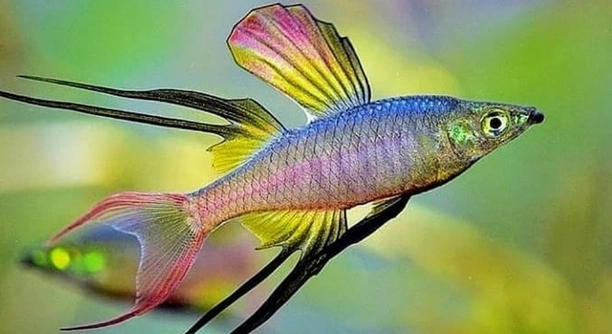
Threadfins are fascinating fish that many enjoy observing in both freshwater and coastal environments. These agile swimmers display interesting behaviors, especially at night when their activity patterns can shift dramatically. Understanding their nighttime habits reveals more about their natural life.
Threadfins do not remain in a single spot while sleeping; they actively move throughout their habitat at night. This behavior allows them to forage efficiently, avoid predators, and maintain proper oxygen levels in varying water conditions.
Learning how threadfins move at night can offer insights into their feeding habits, safety strategies, and overall behavior patterns in the wild.
Nighttime Movements of Threadfins
Threadfins are active swimmers, even at night. Unlike some fish that find a safe spot to rest, threadfins continue to move in search of food. Their long, slender bodies help them glide through water with ease, making their nocturnal movement efficient and smooth. They rely on currents and subtle changes in the environment to navigate, adjusting speed and direction as needed. Many threadfins feed on small crustaceans and plankton, which are more accessible during nighttime when predation risks are lower. Observing them, you notice how coordinated their fins appear, helping maintain balance and direction. This behavior is essential not only for feeding but also for avoiding potential predators, such as larger fish or birds that hunt near the water surface. By remaining active rather than stationary, threadfins improve their chances of survival and maintain overall health in their habitat. Their constant movement also helps with circulation and oxygen intake.
Their nocturnal activity ensures they stay safe while still getting enough nutrition to thrive.
Nighttime for threadfins is a mix of caution and efficiency. They use shadows and water currents to stay hidden while still exploring feeding areas. Moving continually prevents them from being caught by predators, while also allowing them to encounter enough prey. Their gregarious nature sometimes leads to small group movements, making detection even harder. Even in calm waters, they rarely stop completely, as any pause can make them vulnerable. These patterns suggest that their activity is instinctual and critical to survival. Understanding these habits gives insight into why threadfins behave differently compared to other fish that rest in one place. For anyone observing or studying them, recognizing these nighttime behaviors helps anticipate movements and better understand their ecological role in aquatic environments.
Resting Strategies and Habitat Preferences
Threadfins do not sleep in tight schools like some other species; they prefer open water spaces that allow free movement.
They select areas with moderate currents and enough space to glide without obstruction. These locations provide safety and easy access to food. Threadfins often avoid crowded or heavily vegetated spots, as these can slow movement and limit foraging efficiency. Their choice of habitat also reflects a balance between risk and energy conservation, as moving constantly requires stamina. By understanding these preferences, we can see how their nocturnal patterns are linked to survival instincts and feeding needs. In some coastal regions, they may follow tidal shifts to optimize access to plankton-rich zones. While their movements seem random, they are actually strategic, reflecting a natural rhythm that balances energy, safety, and nutrition. Observing these patterns provides insights into designing environments for captive threadfins or studying wild populations more effectively.
Their habitat choices at night help them maintain both safety and consistent feeding patterns, which is key to survival.
Feeding Habits at Night
Threadfins feed more actively at night, focusing on small crustaceans and plankton. Moving constantly allows them to encounter enough prey, while their sharp vision in low light gives them an advantage over slower species.
Nighttime feeding is a key part of their routine. Threadfins take advantage of reduced competition and lower predator activity, which allows them to forage more efficiently. Their movements are deliberate, covering wide areas while adjusting depth based on prey availability. They often shift locations slightly to follow swarms of plankton, making them opportunistic feeders. These patterns ensure they get enough nutrition while staying safe from larger predators.
Even when food is abundant, threadfins maintain movement, rarely lingering in one spot. This constant activity supports metabolism and helps them remain alert. By spreading out, they reduce the risk of attracting predators while still maximizing feeding efficiency. Group movements can help them detect threats, yet individual vigilance remains critical. Their feeding strategy balances risk and reward, allowing them to thrive in varied aquatic conditions.
Interaction with Other Species
Threadfins often share their habitat with other fish, sometimes competing for food or avoiding predation. Their movement patterns help reduce direct conflict.
Interactions are subtle but important. While feeding, threadfins maintain distance from larger, more aggressive species that might pose a threat. At the same time, they can benefit from schools of smaller fish, as group activity can stir prey and make hunting easier. Their behavior is adaptive, showing awareness of surroundings and the presence of other species. Even when coexisting with similar-sized fish, threadfins adjust speed and depth to minimize competition. This careful balance ensures they gain enough food without unnecessary risk.
Social behavior also affects their survival. Threadfins may loosely coordinate movements in small groups, enhancing safety and helping detect predators early. When encountering aggressive fish, they rely on agility rather than confrontation. Their flexible responses to both prey and other species illustrate a complex survival strategy. By observing these interactions, it becomes clear that threadfins’ nighttime behavior is shaped not only by feeding needs but also by navigating a dynamic aquatic environment. Their awareness and adaptability are crucial for thriving alongside diverse species.
Predators and Safety
Threadfins stay alert at night to avoid predators like larger fish and birds. Constant movement and careful navigation help them remain safe while still feeding efficiently.
They use shadows and currents to stay hidden, often adjusting depth and speed. Remaining mobile reduces the chance of being caught, balancing feeding needs with safety.
Environmental Factors
Water temperature, currents, and oxygen levels influence threadfins’ nighttime behavior. They move to areas that provide optimal conditions for energy efficiency and survival. Their activity is closely tied to these changing environmental cues, ensuring they remain healthy and active throughout the night.
Schooling Behavior
Threadfins sometimes form loose schools at night. Grouping provides safety through numbers and helps detect predators earlier, while still allowing individual movement to forage effectively.
FAQ
Do threadfins really move all night?
Yes, threadfins are active throughout the night. Unlike some fish that rest in one location, they continue moving to feed and avoid predators. Their constant movement helps maintain oxygen flow, supports metabolism, and reduces the risk of being caught by larger fish. Even when food is plentiful, they rarely stay in one spot for long.
How far do threadfins travel at night?
The distance can vary depending on food availability and environmental conditions. In areas with abundant plankton or small crustaceans, they may move shorter distances, focusing on productive zones. In less rich habitats, threadfins may travel more extensively, navigating currents and depth changes to maximize feeding efficiency while maintaining safety from predators.
Do threadfins sleep at all?
Threadfins do not sleep in the traditional sense like land animals. Their resting periods are minimal, and they rely on slow, continuous swimming to stay alert. Small decreases in activity may occur, but they remain responsive to changes in their surroundings, including predators and food availability, which makes stationary sleep risky in the wild.
What types of food do threadfins eat at night?
Threadfins mainly feed on plankton, small crustaceans, and other tiny aquatic organisms. Nighttime provides better opportunities as competition decreases and some prey becomes more concentrated or easier to catch. Their feeding is opportunistic, allowing them to adjust based on what is available in the water at any given time.
Do threadfins ever rest in groups?
While threadfins are often found in loose schools, their nighttime activity usually remains individualistic within these groups. Grouping can offer safety benefits, helping detect predators earlier. However, each fish still moves independently to forage effectively, ensuring they meet their nutritional needs without compromising safety.
How do predators affect threadfin behavior at night?
Predators heavily influence movement patterns. Threadfins adjust speed, depth, and location to avoid larger fish or birds that hunt near the surface. Constant motion reduces vulnerability, while awareness of shadows, currents, and other environmental cues allows them to minimize risks while still accessing feeding grounds efficiently.
Do threadfins prefer certain water conditions at night?
Yes, they are sensitive to temperature, oxygen levels, and currents. Threadfins move to areas that provide optimal conditions for metabolism and feeding efficiency. Shallow or stagnant waters are often avoided if oxygen levels drop or currents are too weak, as these areas increase vulnerability to predators and reduce energy efficiency.
Can threadfins be observed easily at night?
Observing them at night can be challenging. Their active movement, use of shadows, and nocturnal feeding habits make them less visible than during the day. Using subtle lighting or observing in clear, shallow waters increases the chance of seeing their movements without disturbing their natural behavior.
Does nighttime movement differ between juveniles and adults?
Yes, younger threadfins may move shorter distances, focusing on safer areas and smaller prey, while adults can cover wider ranges to meet higher nutritional demands. Adult threadfins also have more experience avoiding predators, allowing them to navigate riskier zones more efficiently while feeding.
How important is nighttime activity for their survival?
Nighttime movement is critical for feeding, avoiding predators, and maintaining health. Remaining stationary would increase the risk of predation and limit access to food. Continuous movement ensures adequate nutrition, oxygenation, and protection, making it a central aspect of threadfin behavior and survival strategy.
Do environmental changes affect their nightly patterns?
Yes, sudden changes in temperature, currents, or oxygen levels can alter movement patterns. Threadfins may adjust depth, speed, or location in response to shifts, demonstrating flexibility in behavior to cope with fluctuating conditions. This adaptability helps them survive in diverse aquatic habitats.
Can threadfins be trained to change their nighttime behavior in captivity?
In captivity, threadfins may show slight adjustments due to controlled conditions, but their instinctive movement patterns remain. While feeding schedules and water conditions can influence activity levels, their need to stay active and alert persists, reflecting deeply ingrained survival behaviors.
Are threadfins more active during certain phases of the moon?
Lunar phases can influence nocturnal activity. Brighter nights may lead threadfins to move more cautiously to avoid predators, while darker nights allow more freedom to explore feeding grounds. Light conditions, combined with environmental cues, help shape how they balance safety with food acquisition.
Do threadfins interact with other species while moving at night?
They do, often coexisting with smaller fish or avoiding aggressive species. Loose grouping or synchronized movements can occur in multi-species areas, but each threadfin maintains individual foraging patterns. These interactions reflect awareness and adaptability, allowing them to thrive alongside diverse aquatic inhabitants without direct confrontation.
How do currents and tides impact nighttime movement?
Currents and tidal shifts help threadfins navigate and find food more efficiently. They may ride gentle currents to conserve energy or move with tides to access nutrient-rich zones. Timing movement with environmental shifts demonstrates strategic behavior that balances energy use, feeding success, and predator avoidance.
What is the role of oxygen levels in their nocturnal behavior?
Oxygen availability directly affects activity. Threadfins move to areas with sufficient oxygen to maintain metabolism. Low-oxygen zones can reduce movement speed and increase vulnerability, making continuous relocation critical. Their sensitivity ensures they remain active, healthy, and safe throughout the night.
Are threadfins affected by human activity at night?
Yes, artificial lights, boats, and pollution can alter movement patterns. Light can make them more visible to predators, while noise or turbulence may push them to less optimal areas. Observing them in areas with minimal human disturbance provides a more accurate view of natural behavior.
Do threadfins ever rest completely during nighttime?
Complete rest is extremely rare. Minimal pauses may occur, but continuous motion is the primary strategy for survival. Remaining stationary increases risk, so instinctive movement is favored, ensuring feeding, safety, and proper physiological function throughout the night.
Can observing their nighttime habits inform conservation efforts?
Yes, understanding movement, feeding, and habitat preferences helps protect threadfin populations. Data on nocturnal patterns can guide habitat preservation, design of protected areas, and management of human impact, ensuring their survival and ecological balance.
Do threadfins use any special senses at night?
Threadfins rely on keen vision in low light, sensitive lateral lines, and awareness of water vibrations to navigate and detect prey. These adaptations allow them to maintain constant movement, avoid predators, and locate food efficiently in darkness.
Is group behavior necessary for survival?
Not strictly, but loose coordination increases safety. Groups help detect threats faster, though individual vigilance is still critical. Movement patterns balance independence with occasional cooperation, providing protection while maintaining effective foraging.
Are there seasonal changes in nighttime activity?
Seasonal variations, like temperature and food availability, affect movement patterns. In colder months, activity may slow slightly, while warmer periods see extended ranges and more frequent feeding. Adaptability to seasonal shifts ensures survival and supports overall health.
Do threadfins return to the same areas nightly?
They may revisit familiar zones with abundant food, but movement is flexible. Environmental conditions, predator presence, and prey availability dictate exact locations. Returning to productive areas reduces energy expenditure while still balancing risk and nutrition.
How does size affect nighttime behavior?
Larger threadfins cover more area and can handle riskier zones. Smaller individuals focus on safety and may move shorter distances. Size impacts speed, predator avoidance, and feeding efficiency, shaping behavior patterns throughout life stages.
Can observing captive threadfins reveal natural nighttime behavior?
Yes, but controlled conditions limit movement range and predator cues. Captive observations help understand feeding and basic activity, but wild behavior remains more dynamic and adaptive.
Do threadfins ever stop moving if food is abundant?
Even with plentiful food, they rarely stop completely. Constant motion supports health, ensures oxygen intake, and reduces predation risk. Feeding efficiency improves while staying alert, reflecting an instinctive balance of safety and nutrition.
Is their nighttime activity energy-intensive?
Yes, it requires stamina, but strategic movements conserve energy. Currents, group behavior, and targeted foraging reduce unnecessary expenditure. This balance allows threadfins to maintain health while effectively navigating their environment.
Do threadfins communicate while moving at night?
Communication is subtle, mostly through body positioning and movement. Synchronized adjustments in small groups may indicate awareness of others, helping maintain spacing, coordinate foraging, and detect predators without direct interaction.
Can studying threadfins help understand other fish species?
Yes, their movement, feeding, and survival strategies offer insights into nocturnal behaviors of similar species. Observing threadfins can reveal general patterns of adaptation, predator avoidance, and environmental interaction in aquatic ecosystems.
Do threadfins have favorite feeding spots?
They prefer areas with abundant prey, moderate currents, and sufficient space. Spots may vary nightly based on environmental changes, but familiar zones with reliable food often receive repeated visits, showing a balance between exploration and efficiency.
Are threadfins more active in shallow or deep waters at night?
They adjust depth depending on prey and predator presence. Shallow areas may provide better food but increase exposure, while deeper zones offer safety but fewer feeding opportunities. Movement balances risk and nutrition.
Do threadfins ever rest together at night?
They rarely rest in tight groups. Loose schooling can occur for safety, but individual movement remains key. Each fish maintains independence to forage and respond quickly to threats.
How quickly can threadfins react to predators at night?
Very quickly. Their sensory systems detect vibrations and shadows, allowing rapid changes in speed and direction. Immediate response is critical for survival in low-light conditions.
Are there long-term effects if threadfins stop moving at night?
Yes, lack of movement can lead to poor nutrition, reduced oxygen intake, and higher predation risk. Constant nocturnal activity is essential for health and survival, showing how movement is integral to their biology.
Do threadfins prefer certain types of currents at night?
They favor gentle currents that aid movement without exhausting energy. Strong or turbulent currents are avoided unless necessary for feeding or escaping predators. This choice optimizes energy use and safety.
Can threadfins adapt to changing nighttime conditions quickly?
Yes, they adjust movement, depth, and location rapidly in response to temperature shifts, oxygen levels, or predator activity. This flexibility is key to survival and maintaining effective feeding patterns.
Are juvenile threadfins more cautious at night than adults?
Yes, juveniles focus on safety and smaller feeding zones, limiting exposure to predators. Adults, with more experience and size advantage, take greater risks to access richer feeding areas.
Do threadfins always move in the same direction at night?
No, direction changes frequently depending on prey location, predator avoidance, and currents. Flexibility ensures efficiency in feeding and safety, avoiding predictable patterns that predators could exploit.
How much do environmental cues influence nighttime patterns?
Environmental cues like light, currents, temperature, and oxygen directly shape movement. Threadfins constantly respond to these factors, balancing feeding success with safety, demonstrating an adaptive approach to survival.
Is nocturnal activity linked to reproductive behavior?
Indirectly. Active nighttime feeding supports energy reserves, which are critical for reproduction. While mating is not a nightly focus, sufficient nutrition at night ensures overall health and readiness for reproductive periods.
Do threadfins ever stop moving during extreme conditions?
During extreme conditions like sudden temperature drops or low oxygen, movement may slow but rarely stops entirely. They relocate to safer or more favorable areas, showing resilience and adaptability.
Can observing threadfins at night improve fishing success?
Yes, knowing movement patterns, feeding zones, and preferred currents helps anglers anticipate activity. However, respecting their habitat ensures sustainable interactions without harming populations.
Do threadfins show individual differences in nighttime behavior?
Yes, some are bolder, covering larger areas, while others stay more cautious. Individual variation reflects experience, size, and risk tolerance, contributing to population resilience and adaptive strategies.
How long is their nighttime activity period?
Typically, it lasts from dusk until early morning. Duration may vary with light levels, predator activity, and food availability. Continuous movement dominates most of this period.
Are threadfins more active during certain seasons?
Yes, warmer months encourage extended movement and feeding, while colder months may see reduced activity. Seasonal adaptation ensures survival and energy efficiency throughout the year.
Do threadfins migrate at night?
They do not undertake long migrations nightly, but local movements follow prey availability, currents, and safe areas. These short-range movements are critical for survival and efficient feeding.
Can nighttime activity affect growth?
Yes, active feeding at night supports energy intake, metabolism, and growth. Reduced activity or insufficient prey can slow growth and affect overall health.
Do predators learn threadfin patterns?
Some predators may anticipate movement, but constant changes in direction, depth, and speed reduce predictability. Flexibility in behavior keeps threadfins one step ahead of threats.
Are threadfins more active under moonlight?
Moonlight influences activity slightly. Brighter nights encourage caution due to visibility to predators, while darker nights allow freer exploration of feeding areas.
Can nighttime studies of threadfins help in aquaculture?
Yes, understanding feeding habits, movement, and environmental preferences aids in designing enclosures and feeding schedules that mimic natural conditions, promoting health and growth in captive populations.
Do threadfins ever exhibit resting behaviors similar to other fish?
They may reduce speed or glide, but true stationary rest is rare. Continuous movement is the main survival strategy, ensuring feeding, oxygenation, and predator avoidance.
How do threadfins maintain energy for constant movement?
Efficient swimming, strategic use of currents, and targeted feeding ensure they conserve energy while remaining active. This balance supports survival and health in aquatic environments.
Are threadfins more social at night than during the day?
Social behavior is subtle. Loose grouping occurs for safety, but individual foraging dominates. Nighttime social interactions are mostly about awareness and coordination rather than active communication.
Do threadfins rely on smell at night?
They use chemical cues in the water to detect prey and navigate, supplementing vision and lateral line sensing. This multi-sensory approach enhances survival and feeding efficiency.
How can environmental disturbances affect their nightly routines?
Noise, lights, and pollution can disrupt feeding and movement patterns, forcing threadfins to relocate or adjust speed, which may reduce efficiency and increase stress.
Do threadfins prefer calm or turbulent waters at night?
Calm waters are preferred for energy conservation and precise foraging. Turbulent areas are avoided unless necessary for predator avoidance or accessing prey.
Are threadfins’ nighttime habits consistent across species?
Patterns vary slightly between species, but all rely on continuous movement, opportunistic feeding, and predator awareness. Environmental adaptations create minor differences while maintaining core behaviors.
Can nocturnal activity influence mating success?
Indirectly. Effective nighttime feeding ensures energy reserves and overall health, which supports reproductive readiness during breeding periods.
Do threadfins ever stop moving when sick or injured?
Illness or injury can reduce movement, making them more vulnerable. Recovery often involves gradual return to normal activity as strength and stamina improve.
How does water clarity affect nighttime movement?
Clear water enhances prey detection but increases visibility to predators, so threadfins balance speed and depth carefully. Murky water offers protection but may limit feeding efficiency.
Do threadfins rely on landmarks for navigation?
They use environmental cues like current patterns, vegetation, and substrate variations rather than fixed landmarks, allowing flexibility and adaptation in dynamic aquatic habitats.
Are juvenile threadfins more likely to follow adults?
Young threadfins may loosely follow adults for safety and learning, but individual foraging remains primary. Observation helps them adapt to predators and find food efficiently.
How does human light pollution impact them?
Artificial lighting can increase predation risk, alter feeding locations, and disrupt natural movement patterns, forcing threadfins to adjust or relocate to safer areas.
Do threadfins ever reduce movement during full moons?
Yes, brighter nights make them more cautious, slowing movement and sticking to shaded or deeper areas to avoid detection.
How important is constant movement for oxygen intake?
Critical. Continuous swimming ensures proper water flow over gills, supporting respiration and overall health. Stopping for long periods would reduce oxygen intake and increase risk.
Do threadfins have preferred swimming speeds at night?
They adjust speed based on prey density, predator risk, and currents. Faster bursts occur during feeding or escape, while steady gliding conserves energy.
Can studying threadfins’ nightly behavior predict ecological changes?
Yes, shifts in movement, feeding, or habitat preference can indicate environmental changes like oxygen levels, pollution, or prey availability, offering insight into ecosystem health.
Do threadfins ever rest on the bottom at night?
Rarely. Remaining stationary on the bottom increases vulnerability. They rely on slow gliding or constant swimming to stay safe and maintain feeding opportunities.
Are nighttime movements predictable?
Partially. While general patterns exist, flexibility in direction, depth, and speed prevents predators from anticipating behavior. Variation ensures survival and efficiency.
Do threadfins interact with other nocturnal fish?
Yes, interactions include competition for food and avoidance of aggressive species. Each fish balances safety and feeding while coexisting with diverse nocturnal species.
Can nocturnal studies inform habitat restoration?
Yes, knowing preferred feeding zones, currents, and oxygen levels helps design effective conservation and restoration strategies for threadfin habitats.
Do threadfins ever rest in hidden shelters?
They may seek temporary shelter in vegetation or shallow areas but rarely remain completely stationary. Movement remains essential for feeding and safety.
Are threadfins’ eyes adapted for low-light conditions?
Yes, their vision allows them to detect prey and predators efficiently at night, complementing other senses like the lateral line system and chemical cues.
Does water depth affect nighttime movement patterns?
Yes, they adjust depth to balance feeding opportunities and predator avoidance. Shallow areas may provide food, while deeper zones offer safety.
How long can threadfins remain continuously active at night?
Typically, from dusk until early morning. Minor slowdowns may occur, but continuous movement dominates to support feeding and survival.
Do threadfins rely on tides for movement?
Yes, tidal changes help access food-rich zones and conserve energy by moving with currents, reflecting strategic nocturnal behavior.
Are threadfins affected by temperature fluctuations at night?
Yes, they adjust movement and depth to maintain comfort, metabolic efficiency, and oxygen intake, demonstrating sensitivity to environmental changes.
Do threadfins ever move in reverse or unusual patterns?
Occasionally, to navigate obstacles, avoid predators, or reposition for feeding. These movements show adaptability and responsiveness to immediate conditions.
Can nighttime movement patterns indicate population health?
Yes, consistent activity, feeding efficiency, and proper habitat use reflect healthy populations, while
Final Thoughts
Threadfins are remarkable fish, especially when considering their nighttime behaviors. Unlike some fish that settle in one spot, threadfins remain active, moving continuously throughout the night. This constant motion is essential for their survival, allowing them to find food, maintain oxygen intake, and avoid predators. Observing their activity shows how finely tuned their instincts are to their environment. Even small adjustments in movement, depth, or location are strategic, reflecting an innate ability to balance safety with the need to feed efficiently. Their long, slender bodies and sensitive fins help them glide smoothly, making them well-adapted to nighttime navigation. By understanding these patterns, it becomes clear that what may seem like simple swimming is actually a complex survival strategy.
The way threadfins interact with their environment at night is particularly interesting. They respond to currents, oxygen levels, and prey availability, moving to areas that offer the best combination of safety and nutrition. While they sometimes gather in loose schools, individual behavior remains critical, as each fish must actively forage and stay alert for predators. Their responses are flexible, showing adaptability to changing conditions. Seasonal changes, lunar phases, and even human activity can influence their patterns, yet threadfins adjust rather than stop. This ability to navigate challenges without compromising essential behaviors highlights the importance of continuous nighttime activity. In essence, their behavior reflects both instinctive survival mechanisms and an awareness of environmental cues.
Studying threadfins provides valuable insight into the balance of feeding, safety, and energy management in aquatic species. Their movement patterns are not random; they are the result of evolutionary adaptations designed to ensure survival. Nighttime is a critical period where feeding efficiency, predator avoidance, and environmental adaptation all intersect. Observing threadfins can reveal how fish optimize energy use while maintaining health, and it can inform conservation efforts or habitat management practices. By appreciating the complexity of their nocturnal habits, we gain a deeper understanding of their biology and the factors that influence their life cycle. Even though threadfins are constantly moving, there is a sense of order and strategy in their behavior, showing that survival in aquatic environments requires both vigilance and flexibility. This knowledge reinforces the importance of preserving habitats that support their natural routines, allowing threadfins to thrive while continuing their essential nighttime activities.

Hello,
If you enjoy the content that we create, please consider saying a "Thank You!" by leaving a tip.
Every little bit helps us continue crafting quality advice that supports the health, happiness, and well-being of pets around the world, for pets of all shapes, sizes, and species.
We really appreciate the kindness and support that you show us!