
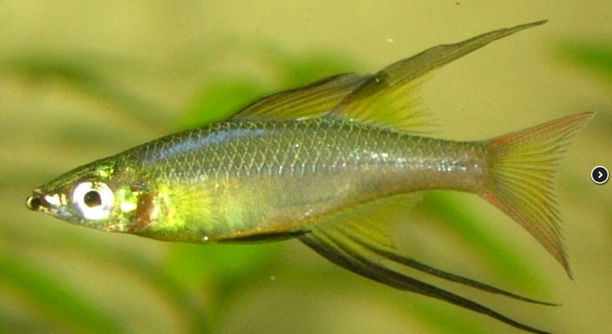
Shy threadfins often struggle to thrive in crowded or noisy environments, leading to stress and poor health. Small adjustments in their surroundings and routine can make a significant difference in their overall well-being and confidence.
Minor modifications such as adjusting tank lighting, providing hiding spots, reducing sudden disturbances, and carefully monitoring water parameters can greatly improve the comfort and behavior of shy threadfins. These changes create a safer and more predictable environment, encouraging natural activity.
Even subtle improvements can transform their daily lives, making them more active, comfortable, and easier to care for in any home aquarium.
Adjust Lighting Gradually
Shy threadfins are sensitive to sudden changes in light, which can cause stress and hiding behavior. Gradually adjusting lighting over several days allows them to acclimate without fear. Using dimmers or placing the tank in indirect light can reduce stress and promote natural behavior. Fish that feel secure are more likely to explore, feed, and interact normally. Consistent lighting schedules also support healthy circadian rhythms, which affect metabolism and overall health. Avoid placing the tank near windows with fluctuating sunlight or areas with frequent artificial light changes. Observing how your threadfins react to lighting adjustments can help you identify their comfort level. Gradual light changes combined with quiet surroundings give them a sense of security. Over time, they become more confident and active, showing more natural swimming patterns and less time hiding in corners or behind decorations.
Light adjustment helps shy threadfins feel secure, reducing stress and encouraging natural behavior in their environment.
Maintaining consistent lighting not only reduces anxiety but also benefits their health and activity levels. Sudden brightness or darkness can trigger hiding, reduce feeding, and slow growth. By carefully monitoring and gradually modifying light exposure, you ensure a stable environment that supports their development. Small tweaks, like partially shading the tank during peak daylight or installing adjustable LED lights, provide control over light intensity. These minor adjustments make a visible difference in their willingness to explore and interact. Fish respond well to predictable conditions, so keeping the light schedule steady while introducing gradual changes improves overall comfort. Observing behavioral changes allows for further optimization, ensuring that each threadfin receives the right level of light to thrive. This approach not only encourages normal activity but also strengthens their immune system, supporting long-term health and reducing stress-related illnesses.
Provide Adequate Hiding Spots
Shy threadfins need places to hide to feel secure, reducing stress and aggressive interactions.
Adding plants, rocks, or artificial shelters creates safe spaces that encourage exploration and natural behavior.
Hiding spots give threadfins control over their environment, allowing them to retreat when they feel threatened. Plants and decorations mimic their natural habitat, promoting normal swimming patterns and social interaction. Open areas combined with shelters create a balance between security and movement. Proper placement of hides ensures that all fish have access, preventing territorial disputes. Using varying heights and textures adds stimulation, encouraging them to investigate and move confidently. Observing which shelters are used most can guide future tank arrangements. Over time, threadfins become less reclusive, showing increased feeding and playful behavior. The presence of safe retreats reduces overall stress, improving their physical and emotional health, which is essential for their long-term well-being.
Maintain Stable Water Conditions
Stable water conditions are essential for shy threadfins, as fluctuations can trigger stress and hiding behavior. Regular testing and gradual changes help them adjust without negative effects.
Keeping temperature, pH, and salinity consistent creates a predictable environment. Sudden shifts in water chemistry can weaken their immune system and cause erratic swimming. Using a reliable heater, thermometer, and water conditioner ensures gradual adjustments. Frequent water changes with careful monitoring reduce toxins and maintain clarity, which encourages natural activity. Observing how fish respond to changes allows for timely corrections. Stable water conditions foster comfort, supporting feeding, growth, and overall health. Over time, threadfins become more confident and less prone to stress.
A stable environment not only promotes natural behavior but also prevents stress-related illnesses, ensuring shy threadfins thrive in your care.
Monitoring water consistently is key. Small, regular checks allow for early detection of imbalances. Gradual adjustments and proper filtration prevent sudden shocks, supporting healthy activity levels and feeding habits, and reducing stress-induced behaviors like hiding or skittish swimming.
Reduce Sudden Noises and Vibrations
Threadfins are easily startled by abrupt sounds and vibrations, which can disrupt feeding and exploration. Creating a quiet, stable environment helps them feel safe and confident.
Minimizing household noise near the tank, such as loud appliances or constant foot traffic, reduces stress levels. Vibrations from tapping the tank or sudden movements can also cause fear responses. Using tank covers and placing tanks on stable surfaces helps absorb minor disturbances. Over time, consistent quiet conditions allow shy threadfins to explore more freely, increasing their activity and willingness to feed. Observing reactions to different noise levels helps refine tank placement and setup. Reducing auditory and physical disturbances supports both mental and physical well-being, making threadfins more comfortable in their habitat.
Providing a calm environment fosters trust in their surroundings, encouraging natural swimming and social behaviors. Consistency in quiet periods ensures they remain confident, reducing hiding tendencies and promoting overall health.
Offer Small, Frequent Meals
Feeding shy threadfins smaller portions multiple times a day encourages them to eat without feeling threatened by larger feedings. This reduces competition and promotes consistent nutrition.
Frequent meals help maintain energy levels and prevent stress from hunger. It also allows careful observation of individual fish and ensures all receive proper nourishment.
Choose Compatible Tankmates
Selecting peaceful, non-aggressive tankmates prevents bullying and reduces hiding behavior. Aggressive species can overwhelm shy threadfins, affecting health and confidence.
Careful observation of interactions is essential. Compatibility ensures a calm environment, giving threadfins space to swim freely and behave naturally.
Monitor Health Closely
Regularly checking for signs of illness or stress allows early intervention, preventing minor issues from becoming serious problems.
Keep Decorations Varied
Providing a mix of open spaces and secure hiding spots encourages natural exploration while offering safety when needed.
FAQ
How often should I check water parameters for shy threadfins?
Checking water parameters at least twice a week is ideal. Focus on temperature, pH, ammonia, nitrites, and nitrates. Regular monitoring ensures conditions remain stable and prevents stress or illness. Consistent water quality supports feeding, activity, and overall health, making your threadfins more confident in their environment.
What type of hiding spots work best?
Threadfins appreciate a mix of natural and artificial shelters. Live or silk plants, rocks, and caves offer safety. Ensure spaces are easily accessible and not overcrowded. Hiding spots placed at varying heights encourage exploration while giving fish secure retreats when they feel threatened. Observing usage helps adjust arrangements over time.
Can lighting changes affect their behavior?
Yes, abrupt lighting changes can startle shy threadfins. Gradual adjustments are recommended. Use dimmers or indirect light to prevent stress. Consistent light schedules maintain circadian rhythms, promoting feeding, growth, and activity. Over time, stable lighting makes fish more comfortable and less prone to hiding.
How do I reduce stress from tankmates?
Choose peaceful, slow-moving species that won’t chase or outcompete threadfins. Avoid aggressive fish that may intimidate them. Providing adequate space and hiding areas reduces stress. Monitor interactions regularly to ensure harmony. Compatible tankmates allow shy threadfins to swim freely and feed confidently without constant fear.
What feeding schedule works best for shy threadfins?
Smaller, frequent meals are ideal. Feeding two to three times a day prevents competition and encourages consistent intake. Use high-quality flakes, pellets, or live foods that sink slowly to allow hesitant fish to eat. Observing individual eating patterns ensures each fish receives enough nutrition while minimizing stress.
How can I tell if my threadfins are stressed?
Signs include excessive hiding, erratic swimming, loss of appetite, or clamped fins. Pale coloring and rapid gill movement can also indicate stress. Early detection allows prompt intervention, such as adjusting water conditions, reducing noise, or adding more hiding spots, helping restore comfort and natural behavior.
Are temperature fluctuations harmful?
Yes, sudden changes can cause stress or illness. Maintain a stable temperature suitable for the species, usually with a reliable heater. Monitor daily and adjust gradually if needed. Consistency improves immune function and encourages normal swimming and feeding behaviors.
Is tank maintenance important for shy threadfins?
Absolutely. Regular water changes, cleaning filters, and monitoring for debris maintain a healthy environment. Neglect can lead to poor water quality, disease, and increased hiding. Maintaining cleanliness ensures fish remain active, healthy, and confident in their habitat.
How do I know if my threadfins are getting enough food?
Observe their behavior during feeding. They should actively swim to eat and maintain healthy body condition. Uneaten food should be minimal, as overfeeding can pollute water. If some fish are not eating, consider using feeding tongs or separate feeding areas to ensure all receive proper nutrition.
Can I introduce new decorations safely?
Yes, but do so gradually. Sudden rearrangements can stress shy threadfins. Introduce one or two items at a time, allowing fish to adjust. Place hides strategically to maintain familiar swimming areas while providing new exploration opportunities. Observing reactions helps optimize placement for comfort.
How can I encourage shy threadfins to explore more?
Create a calm, predictable environment with stable water, gradual lighting, and gentle handling. Provide varied hiding spots and open areas. Consistency in feeding and tank conditions builds confidence. Over time, fish will explore naturally and display normal behaviors without fear or hesitation.
What is the best way to transport shy threadfins?
Use a secure, dark container with stable water from their tank. Minimize sudden movements or loud noises during transport. Keep the container covered to reduce stress. Gradual acclimation to new tanks helps prevent shock and encourages quicker adaptation to the new environment.
How important is observation in caring for shy threadfins?
Observation is critical. Regularly watching behavior, feeding, and interactions helps detect stress, illness, or environmental issues early. Noticing small changes allows timely adjustments, ensuring threadfins remain healthy, confident, and active in their habitat.
Can shy threadfins live with other species?
Yes, if tankmates are peaceful and not overly active or aggressive. Compatibility ensures a calm environment where threadfins feel safe. Adequate space, hiding spots, and careful observation are necessary to maintain harmony. When done correctly, cohabitation can be stress-free and encourage normal behavior.
Are there signs of long-term stress I should watch for?
Chronic hiding, poor appetite, faded colors, and slow growth indicate ongoing stress. Addressing underlying issues like water quality, tankmates, or environment is crucial. Long-term stress can weaken the immune system and reduce lifespan, so early corrective measures are essential for overall well-being.
How can I make feeding time less stressful?
Feed smaller portions more often, avoiding competition and allowing hesitant fish to eat safely. Use slow-sinking foods or place food near hiding spots. Gradually introducing feeding routines and minimizing sudden disturbances during meals helps shy threadfins feel secure and ensures proper nutrition.
What adjustments can improve their overall comfort?
Stable water, gradual lighting changes, hiding spots, calm surroundings, and compatible tankmates all contribute. Small, consistent modifications reduce stress and encourage natural behavior. Monitoring their reactions and adapting the environment as needed ensures long-term comfort, health, and confidence in their habitat.
How often should tank decorations be rearranged?
Avoid frequent rearrangements. Sudden changes can stress shy threadfins. Introduce or move decorations gradually, giving fish time to adjust. Maintaining familiar swimming paths alongside new exploration opportunities encourages confidence and natural activity without causing unnecessary anxiety.
Is social interaction important for shy threadfins?
Yes, but it must be safe. Gentle cohabitation with peaceful species can encourage normal activity. Stress-free social interactions improve confidence, feeding, and exploration while preventing aggressive encounters that may cause hiding or fear-based behaviors.
How can I tell if the tank is too noisy or stressful?
Signs include constant hiding, erratic swimming, and refusal to eat. External noise, frequent vibrations, or aggressive tankmates can contribute. Reducing disturbances and observing behavior allows for adjustments, helping shy threadfins feel secure and encouraging normal activity and growth.
What is the best way to introduce a new threadfin to the tank?
Acclimate slowly using the drip method to balance temperature and water chemistry. Introduce the new fish in a separate quarantine or partitioned area if possible. Gradual integration reduces stress and allows all fish to adjust, preventing aggression and promoting a calm, comfortable environment.
How important is a consistent routine?
Extremely important. Consistent feeding, lighting, and maintenance routines create predictability, which reduces stress. Shy threadfins thrive when they can anticipate daily patterns. Gradual changes in routine should be introduced carefully to prevent anxiety and maintain overall health.
Can shy threadfins recognize their caretakers?
They may show familiarity through calmer behavior when approached gently. While not interactive like some fish, consistent, gentle care builds trust over time. Minimizing sudden movements and noise helps them feel secure and encourages confidence during feeding or maintenance activities.
How do I prevent overfeeding?
Offer measured portions based on fish size and number. Remove uneaten food after a few minutes to maintain water quality. Overfeeding can lead to water issues, obesity, and decreased activity, negatively affecting shy threadfins’ health and comfort in their environment.
Are live plants beneficial?
Yes, they provide hiding spots, improve water quality, and mimic natural habitats. Plants encourage exploration and reduce stress, offering secure retreats while supporting oxygenation and nutrient balance, which contributes to overall health and well-being.
What adjustments are most effective for shy fish showing fear?
Gradual changes to lighting, placement of hiding spots, gentle feeding routines, and minimizing disturbances are highly effective. Consistency and observation allow the fish to adapt without stress, improving confidence, activity levels, and overall health in the tank environment.
How can I encourage healthy growth?
Stable water, proper nutrition, regular observation, and low-stress conditions promote healthy growth. Small adjustments to environment and care routines allow shy threadfins to thrive physically and behaviorally, ensuring long-term health and natural development.
What role does tank size play in their comfort?
Adequate space reduces competition and stress. Larger tanks provide swimming areas, hiding spots, and balanced territories, allowing shy threadfins to behave naturally. Overcrowding can increase anxiety, aggressive interactions, and hiding, affecting feeding and overall health. Proper tank size supports a stable and comfortable environment.
How can I tell if changes are effective?
Observe behavior, feeding patterns, and activity levels. Reduced hiding, consistent swimming, and healthy appetite indicate successful adjustments. Monitoring over time ensures changes positively impact comfort, confidence, and overall well-being, guiding future care decisions.
Are there long-term habits that help shy threadfins thrive?
Consistent care, stable environment, gradual adjustments, safe tankmates, and proper nutrition create lasting comfort. Regular observation and timely intervention when issues arise maintain health, reduce stress, and encourage natural behavior, allowing threadfins to flourish in the home aquarium over the long term.
Final Thoughts
Caring for shy threadfins can feel challenging at first, but small, consistent adjustments make a big difference in their comfort and behavior. Maintaining stable water conditions is one of the most important steps. Regularly checking temperature, pH, and other parameters helps prevent stress and illness. Gradual changes are better than sudden ones, as abrupt shifts can make shy fish retreat and hide. A stable environment encourages them to swim more freely, feed regularly, and show natural behavior. Observing how they respond to different adjustments provides valuable information for ongoing care and helps create a supportive habitat that promotes overall health.
Providing hiding spots and varied decorations is another key factor. Threadfins feel secure when they have access to plants, rocks, caves, or artificial shelters. The placement of these hides should balance open swimming areas with safe retreats. This allows fish to explore without feeling threatened, reducing fear-based behaviors and supporting confidence. Feeding practices also play a role in reducing stress. Smaller, frequent meals ensure that all fish receive proper nutrition and minimize competition. Using sinking or slow-releasing foods can encourage shy threadfins to eat without feeling rushed. Combining a calm environment with appropriate feeding practices creates a predictable routine, which helps them feel more secure.
Behavioral observation is essential for long-term care. Noticing changes in swimming patterns, appetite, or color can indicate stress or potential health issues. Reducing sudden noises, choosing compatible tankmates, and maintaining gentle lighting schedules all contribute to a more comfortable environment. Over time, these adjustments allow shy threadfins to become more confident and active, displaying natural swimming and social behaviors. Consistency, patience, and attention to detail are crucial. By following these practices, you create a balanced, safe habitat where threadfins can thrive, ensuring their health, growth, and well-being while making the aquarium experience rewarding for both the fish and caretaker.

Hello,
If you enjoy the content that we create, please consider saying a "Thank You!" by leaving a tip.
Every little bit helps us continue crafting quality advice that supports the health, happiness, and well-being of pets around the world, for pets of all shapes, sizes, and species.
We really appreciate the kindness and support that you show us!