
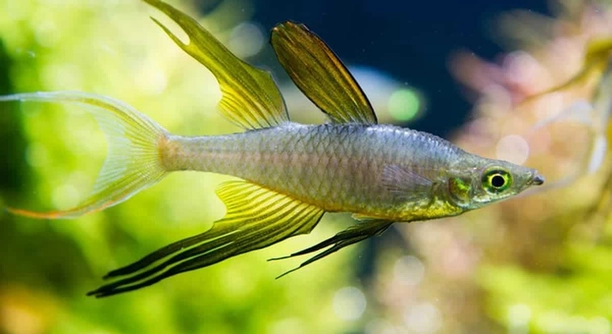
Threadfin Rainbowfish are small, colorful fish often admired for their shimmering scales and graceful movements. Many aquarists enjoy keeping them in home tanks, appreciating their active yet peaceful nature that adds life to any aquarium.
Threadfin Rainbowfish can survive alone in a tank, but they thrive better in small groups. Solitary individuals may experience stress or reduced activity levels, whereas keeping them with tank mates encourages natural schooling behavior and promotes overall well-being.
Learning the nuances of their social needs will help ensure a healthy, vibrant environment and support the long-term happiness of these delicate fish.
Understanding Threadfin Rainbowfish Behavior
Threadfin Rainbowfish are naturally social creatures that enjoy moving in small groups. When kept alone, they often appear shy and less active, spending more time hiding or lingering near the tank edges. In contrast, a group of three or more allows them to display their natural schooling patterns, swimming together in synchronized motions that make the aquarium lively. They are generally peaceful, avoiding conflicts with other species, but their interactions with each other help reduce stress and maintain mental stimulation. Without tank mates, their colors may appear duller, and they may show signs of lethargy. Providing hiding spots and a well-planted tank helps alleviate stress for solitary fish. Observing their body language is key, as active fins, bright scales, and regular feeding indicate a healthy, happy fish. Their social tendencies are subtle but noticeable, making it clear that companionship plays an important role in their daily activities and overall well-being.
Keeping them in pairs may work, but small groups are preferred for natural behavior.
Even in a well-maintained tank, solitary Threadfin Rainbowfish may develop repetitive or listless movements. Grouping them encourages natural interaction, including chasing, darting, and exploring together, which enhances both physical activity and mental stimulation. Providing a mix of floating and rooted plants offers shelter and encourages exploration. These fish respond positively to mild currents, which mimic natural conditions, allowing them to swim energetically and strengthen their fins. Feeding routines also benefit from social interaction, as they become more motivated to feed in groups. Observing a small school is rewarding, as their colors intensify and patterns emerge that are less visible in isolation. Choosing tank mates of similar size and temperament ensures harmony and reduces stress. Overall, supporting social behavior is crucial for the health, coloration, and longevity of Threadfin Rainbowfish in captivity.
Tank Setup for Single or Grouped Fish
A well-structured tank helps reduce stress for both solitary and grouped Threadfin Rainbowfish.
For a single fish, a tank of at least 20 gallons with plenty of hiding spots is recommended. Small groups do best in 30-gallon tanks or larger to provide enough space for swimming freely. Using live plants, floating vegetation, and gentle filtration encourages natural behaviors. Water temperature should be maintained between 73°F and 82°F with a neutral to slightly alkaline pH. Lighting that mimics a natural day-night cycle enhances color and activity. Decorations such as rocks and driftwood create vertical and horizontal spaces for exploration. Regular water changes are essential to maintain cleanliness and reduce stress-related health issues. For groups, additional swimming space prevents territorial disputes and allows the fish to school comfortably. Monitoring water parameters and observing interactions ensures that the environment remains suitable for all individuals. Proper tank setup supports physical health, vibrant coloration, and natural behavior patterns.
Feeding and Nutrition
Threadfin Rainbowfish require a varied diet to stay healthy. They thrive on a mix of high-quality flake food, frozen or live brine shrimp, and daphnia. Regular feeding of small portions twice daily maintains energy levels and vibrant coloration. Overfeeding can lead to water quality issues.
Offering live or frozen foods stimulates natural hunting instincts and provides essential protein for growth and vitality. Including plant-based options, such as spirulina flakes, helps balance their diet and supports digestive health. Rotating different types of food prevents dietary monotony and ensures they receive a broad range of nutrients. Observation during feeding times helps gauge appetite and health. Fish that are hesitant to eat or show reduced activity may require adjustments in food type or portion size. Proper feeding routines also strengthen social interactions in group settings, as fish become more active and coordinated during mealtime, reinforcing natural schooling behavior. Consistency in feeding schedules promotes overall health and longevity.
Maintaining a clean feeding area is essential. Leftover food should be removed promptly to prevent water contamination. Introducing small portions at intervals encourages active foraging and reduces waste accumulation. Using a variety of textures and sizes helps fish of all ages access nutrients easily. For young Threadfin Rainbowfish, finely crushed foods or micro pellets may be necessary. Adults benefit from larger flakes or live food that encourages chasing and active movement. Proper feeding techniques support growth, activity levels, and vivid coloration, making the tank more engaging. Observing how each fish responds ensures dietary needs are met efficiently and reduces stress from competition or food scarcity.
Compatibility with Other Fish
Threadfin Rainbowfish are peaceful and adapt well to community tanks. They do best with similarly sized, non-aggressive species that share comparable water requirements. Small tetras, rasboras, or peaceful barbs are suitable companions.
Maintaining compatibility requires careful selection of tank mates to avoid stress or bullying. Aggressive or much larger fish can intimidate Threadfin Rainbowfish, leading to reduced activity or hiding behavior. Ideally, companions should thrive in similar temperature and pH ranges, minimizing health risks caused by incompatible water conditions. Observation is key when introducing new species, as behavioral adjustments may take time. Some fish may initially chase or nip, so monitoring interactions ensures harmony. Proper space, hiding spots, and swimming areas reduce territorial disputes. A well-planned community setup allows Threadfin Rainbowfish to exhibit natural schooling and social behaviors while coexisting peacefully with other species. Balancing population density and environmental enrichment supports long-term health and enhances the visual appeal of the aquarium.
Tank Maintenance
Regular water changes are essential to keep Threadfin Rainbowfish healthy. Replacing 20–25% of the water weekly helps maintain stable water parameters and reduces harmful toxins. Proper filtration ensures clear water and supports oxygenation.
Monitoring water temperature, pH, and ammonia levels is crucial. Consistent maintenance prevents stress-related illnesses and keeps the fish active and vibrant. Removing debris and uneaten food during water changes minimizes bacterial growth. Cleaning the filter monthly and inspecting equipment ensures smooth operation. Observing fish behavior after maintenance helps detect any issues early. A stable, clean environment promotes schooling behavior and enhances coloration, supporting both physical health and mental well-being. Simple routines make long-term care manageable.
Breeding Considerations
Threadfin Rainbowfish breed readily in well-maintained tanks. Spawning usually occurs among healthy, well-fed fish. Providing fine-leaved plants or spawning mops gives females a safe place to lay eggs. Regular water changes and slightly cooler temperatures often trigger breeding behavior.
FAQ
Can Threadfin Rainbowfish live alone?
Threadfin Rainbowfish can survive alone, but they are naturally social. Solitary fish may appear shy, less active, or hide more often. Keeping at least three together encourages natural schooling behavior, promotes mental stimulation, and helps maintain bright colors. Alone, they can live, but quality of life is usually lower.
What is the ideal tank size for Threadfin Rainbowfish?
A single fish needs at least a 20-gallon tank, but a small group of three or more requires 30 gallons or larger. Extra space allows for schooling, reduces stress, and prevents territorial disputes. Proper tank setup includes live plants, hiding spots, and gentle filtration to mimic natural conditions.
What water conditions do they prefer?
Threadfin Rainbowfish thrive in temperatures between 73°F and 82°F with a neutral to slightly alkaline pH. Clean, well-oxygenated water is essential. Regular water testing and weekly partial water changes help maintain stable conditions and prevent stress-related health problems.
What should I feed them?
A varied diet keeps them healthy. High-quality flakes, frozen or live brine shrimp, daphnia, and plant-based flakes like spirulina are recommended. Rotating foods prevents dietary boredom and provides balanced nutrition. Feed small portions twice daily and remove leftovers to prevent water contamination.
Can they live with other fish?
Yes, Threadfin Rainbowfish are peaceful and adapt well to community tanks. Suitable companions include small, non-aggressive fish with similar water requirements, like tetras, rasboras, and peaceful barbs. Avoid large or aggressive species that may stress them or hinder normal behavior.
How do I encourage breeding?
Provide fine-leaved plants or spawning mops for egg laying. Healthy, well-fed adults are more likely to spawn. Slightly cooler water changes can trigger breeding. Remove eggs to a separate tank if you want to protect fry from being eaten. Observation and consistent water quality improve success.
How often should I change the water?
Weekly changes of 20–25% are recommended. Regular water changes maintain stable water parameters, remove toxins, and prevent bacterial growth. Clean equipment, monitor water quality, and remove uneaten food to keep the environment safe for the fish.
What are common signs of stress?
Signs include dull colors, hiding, clamped fins, reduced activity, and loss of appetite. Stress can be caused by poor water quality, solitary conditions, aggressive tank mates, or insufficient space. Addressing these issues quickly supports recovery and overall health.
Do they require special lighting?
Moderate lighting that mimics natural day-night cycles is sufficient. Too bright lighting may cause stress, while low lighting can dull colors. Floating plants can help diffuse light and create shaded areas, giving the fish a sense of security and comfort.
How long do Threadfin Rainbowfish live?
With proper care, they can live up to 5–7 years. Maintaining good water quality, a balanced diet, social interaction, and a spacious tank ensures longevity. Observing their behavior and health regularly helps detect problems early and extends their lifespan.
Can I mix males and females?
Yes, but ratios matter. One male with multiple females reduces aggression and stress. Males display brighter colors and more active behaviors, especially during spawning. Ensuring adequate space and hiding spots allows females to avoid harassment and maintain healthy social dynamics.
What tank decorations work best?
Live plants, driftwood, and rocks provide shelter, swimming areas, and exploration opportunities. Fine-leaved plants or spawning mops support breeding. Decorations create vertical and horizontal spaces, making the tank feel natural, reducing stress, and encouraging normal schooling and playful behaviors.
How do I know if my fish are healthy?
Active swimming, bright colors, alert responses, and consistent feeding indicate good health. Watch for abnormal behavior, discoloration, or signs of disease. Early detection of issues, combined with clean water and proper nutrition, helps maintain a thriving, active school of Threadfin Rainbowfish.
Is tank size more important than the number of fish?
Both matter. Adequate space prevents stress and allows schooling, while social interaction maintains mental and physical health. Small tanks with multiple fish can lead to overcrowding, while large tanks with a single fish may result in loneliness. Balance is key for long-term well-being.
How do I introduce new fish to the tank?
Acclimate new fish gradually using a drip method or floating bag technique. Introduce them slowly to minimize stress and allow existing fish to adjust. Monitor interactions for aggression or signs of stress. Providing hiding spots and plants reduces tension and supports a smooth transition.
Final Thoughts
Threadfin Rainbowfish are delicate yet resilient fish that bring life and movement to any aquarium. Their shimmering colors and graceful swimming patterns make them a favorite for many who enjoy maintaining a peaceful, visually appealing tank. While they can survive alone, their natural social tendencies mean they thrive best in small groups. Observing a school of Threadfin Rainbowfish swimming together highlights their energetic nature and promotes a healthy, active environment. Providing an appropriately sized tank, with enough swimming space and hiding spots, ensures that their natural behavior is supported and stress is minimized. A well-maintained tank with clean water, moderate lighting, and proper filtration creates a safe and stable habitat, encouraging them to display their full potential in coloration and activity levels.
Feeding is a crucial part of maintaining their health. A varied diet, including high-quality flakes, live or frozen foods, and occasional plant-based options, ensures balanced nutrition and stimulates natural hunting instincts. Rotating food types prevents monotony and supports growth and vitality. Monitoring portions and feeding schedules helps prevent overfeeding, which can affect water quality and overall health. Beyond nutrition, regular tank maintenance, such as partial water changes, monitoring pH and temperature, and cleaning equipment, is essential to reduce stress and prevent disease. Observing the fish daily provides insight into their behavior and health. Lively movement, bright coloration, and consistent feeding responses are all indicators that the fish are thriving. These practices together create a strong foundation for long-term care and enjoyment.
Compatibility with other fish is another important aspect of keeping Threadfin Rainbowfish. Their peaceful nature allows them to coexist with small, non-aggressive species that share similar water requirements. Avoiding larger or aggressive fish prevents stress, hiding, or reduced activity. Providing live plants, decorations, and open swimming areas encourages exploration and reduces potential conflict. For those interested in breeding, offering fine-leaved plants or spawning mops and maintaining consistent water quality promotes natural reproductive behaviors. Paying attention to social dynamics, tank size, and environmental enrichment ensures the fish remain healthy and active. Overall, caring for Threadfin Rainbowfish requires attention to both social and environmental needs, and with proper care, they can live long, vibrant lives while adding beauty and movement to any aquarium.

Hello,
If you enjoy the content that we create, please consider saying a "Thank You!" by leaving a tip.
Every little bit helps us continue crafting quality advice that supports the health, happiness, and well-being of pets around the world, for pets of all shapes, sizes, and species.
We really appreciate the kindness and support that you show us!