
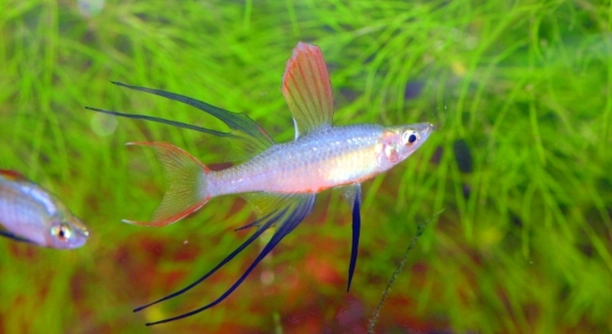
Do you ever notice your threadfins acting sluggish or hiding in their tank during colder days? These fish are sensitive to temperature changes, and their behavior can quickly shift when they feel uncomfortable or stressed.
When threadfins experience cold conditions, they often reduce their activity, seek deeper or more sheltered areas, and display slower feeding responses. These behaviors are physiological adaptations to conserve energy and maintain stability in lower water temperatures.
Observing these patterns closely can help you create a stable environment, supporting their well-being and ensuring your threadfins remain active and healthy.
How Threadfins React to Cold Water
Threadfins are highly sensitive to temperature changes, and their behavior in colder water can be striking. When water temperature drops, these fish tend to slow their movements significantly. You might notice them hovering near the bottom or staying close to structures for shelter. Feeding habits also change, as their metabolism slows, making them less interested in food. Prolonged exposure to cold can lead to stress, which may weaken their immune systems, making them more susceptible to disease. Observing these signs early is important to prevent long-term health issues. Threadfins may also cluster together, likely as a way to conserve heat or feel more secure. Water quality and oxygen levels become even more critical in these conditions, so maintaining stable conditions is essential. Small adjustments in temperature and careful monitoring can help ensure that your fish remain active and healthy, even when the water is colder than usual.
Cold conditions make threadfins less active and less likely to eat, signaling stress that requires attention.
Providing a stable environment is essential. Using a reliable heater or monitoring water temperature daily can prevent extended cold exposure. Adjust feeding times and reduce food amounts when fish show slowed activity. Observe for unusual behavior, such as hiding or floating near the surface, which can indicate discomfort or stress. Consistent care helps maintain energy levels and supports overall health. Understanding these responses allows for better long-term management, ensuring your threadfins thrive in a controlled, comfortable environment. Small changes in their tank setup can significantly improve their well-being and reduce risks associated with temperature fluctuations.
Signs of Discomfort in Threadfins
Reduced activity and hiding are immediate indicators of discomfort in threadfins.
Other signs include clamped fins, erratic swimming, and decreased appetite. Threadfins may stay near surfaces or corners rather than exploring their tank. These behaviors are natural responses to stress but can become harmful if prolonged. Chronic exposure to cold water or sudden drops in temperature can weaken their immune systems. Over time, this can lead to illness or even death if not addressed. Regular observation and quick action when these signs appear are critical. Adjusting tank temperature, ensuring proper oxygenation, and maintaining water quality help alleviate stress. In addition, gradually acclimating threadfins to temperature changes can reduce shock. By understanding these signals, caretakers can create a more stable and comfortable environment. Consistent attention to behavior, feeding patterns, and tank conditions allows threadfins to recover quickly from temporary discomfort and maintain their health. These practices are essential for sustaining their activity and overall vitality.
Adjusting Tank Conditions
Maintaining stable water temperature is key for threadfins. Sudden drops can trigger stress and inactivity. Using a heater and monitoring daily prevents drastic changes. Adequate filtration and oxygen levels also support their comfort.
Gradual temperature adjustments are safer than sudden changes. Threadfins respond better when shifts are small, ideally no more than a few degrees per day. Ensure water circulation reaches all areas to prevent cold spots. Checking pH and ammonia levels regularly helps maintain overall health. Using a thermometer in multiple tank zones can prevent unnoticed drops. Consistency is more effective than frequent corrections, reducing stress and supporting natural activity patterns.
Supplemental measures like aeration and proper tank placement are essential. Avoid placing tanks near drafts or windows where temperatures fluctuate. Adding plants or hiding spots gives threadfins safe areas to cluster during colder periods. Observing their behavior after adjustments helps confirm they are comfortable. If activity improves and appetite returns, the tank environment is likely stable. Regularly reviewing equipment and tank setup ensures ongoing health. Small, consistent actions can prevent long-term stress and maintain vitality.
Feeding Adjustments in Cold Conditions
Threadfins eat less when water is cold, requiring careful feeding adjustments. Overfeeding can worsen water quality, while underfeeding may stress them further.
Offer smaller, more frequent meals to match their slower metabolism. High-quality, easily digestible food supports energy levels without overloading their digestive system. Remove uneaten food promptly to prevent decay and maintain water quality. Monitor appetite daily, adjusting amounts as needed. Avoid sudden diet changes, which can increase stress and reduce feeding consistency. Tracking their response helps identify the right feeding schedule and portion sizes. This approach supports both nutrition and tank cleanliness.
Providing occasional protein-rich supplements can help compensate for reduced feeding. Frozen or live foods may stimulate appetite even in colder conditions. Gradually reintroduce standard feeding as activity increases. Keep portions small to prevent waste and ensure the fish can consume food comfortably. Observing body condition and behavior over time allows for fine-tuning their diet. Proper feeding during cold periods preserves energy, supports immune function, and encourages normal activity levels. Combining this with stable tank conditions ensures threadfins remain healthy despite environmental challenges.
Monitoring Behavior
Threadfins show stress through changes in swimming patterns and appetite. Clamped fins, hiding, or lethargy signal discomfort. Regular observation helps detect issues early before they affect health.
Noting daily behaviors provides insight into how environmental changes impact them. Keeping a simple log of activity, feeding, and location in the tank can reveal patterns and inform necessary adjustments.
Using Safe Heating Methods
Reliable aquarium heaters maintain consistent water temperature. Avoid sudden changes or direct heat exposure, which can harm threadfins. Placement near circulation ensures even warmth. Check heaters regularly for malfunctions and adjust settings gradually to support a stable environment. Consistent heating prevents stress and supports overall vitality in colder conditions.
Providing Shelter
Threadfins benefit from plants or hiding spots. These areas reduce stress, giving them safe places to rest and feel secure during colder or uncomfortable periods.
FAQ
Why are my threadfins hiding more than usual?
Threadfins often hide when water is colder than their preferred range or if they feel stressed. Providing shelter like plants or rocks helps them feel secure. Observing their location and activity can indicate if adjustments to temperature or tank setup are needed.
How do I know if my threadfins are cold or sick?
Cold water slows metabolism, reducing movement and appetite. Illness may show similar signs but often includes physical symptoms like discoloration or fin damage. Monitoring feeding, swimming patterns, and physical condition helps distinguish between environmental stress and disease.
Can I raise the tank temperature quickly to help them?
Sudden temperature changes can shock threadfins. Gradual adjustments of one to two degrees per day are safer. Using a reliable heater and monitoring the water consistently prevents stress and promotes recovery.
What is the ideal temperature range for threadfins?
Threadfins generally prefer a stable range suited to their species, often between 24–28°C (75–82°F). Staying within this range reduces stress, supports feeding, and maintains immune function. Extreme fluctuations should be avoided.
How often should I check the water temperature?
Daily monitoring is recommended, especially during colder seasons. Using a thermometer in multiple areas ensures even heat distribution. This helps prevent unnoticed drops that could affect threadfin activity.
What should I feed threadfins during colder periods?
Offer smaller, more frequent meals of easily digestible food. Protein-rich options like live or frozen foods can stimulate appetite. Avoid overfeeding to prevent water quality issues and digestive stress.
Do threadfins need extra oxygen in cold water?
Yes, colder water holds more oxygen, but stressed fish may still struggle. Aeration through air stones or proper filtration ensures they receive enough oxygen for normal activity and metabolism.
How can I tell if my threadfins are recovering from cold stress?
Signs of recovery include more active swimming, consistent feeding, and normal interaction with the tank environment. Gradual improvement indicates that temperature, feeding, and tank conditions are supporting their health.
Are there long-term effects of repeated cold stress?
Repeated exposure can weaken the immune system, reduce growth, and increase susceptibility to disease. Consistent temperature management and careful monitoring are key to preventing chronic issues.
Is it safe to keep threadfins in a community tank during colder periods?
Yes, as long as water conditions are stable and all species tolerate the temperature. Monitor interactions, as stressed fish may become less social or more aggressive. Proper hiding spaces help reduce conflict.
How quickly should I react to signs of cold stress?
Immediate attention is important. Adjust temperature gradually, provide shelter, and monitor feeding. Quick action prevents prolonged stress and supports overall health, minimizing the risk of illness or long-term harm.
Can threadfins adapt to slightly cooler water over time?
Some adaptation is possible, but they still perform best within their preferred temperature range. Avoid prolonged exposure to cold, as it may lead to reduced activity, poor feeding, and increased stress.
Do lighting conditions affect how threadfins react to cold?
Lighting can influence activity, but it does not replace the need for proper temperature. Maintaining a consistent day-night cycle helps reduce stress and supports natural behavior patterns.
How do I prevent future cold stress in threadfins?
Regularly monitor water temperature, maintain equipment, provide adequate shelter, and adjust feeding as needed. Planning ahead for seasonal changes helps keep threadfins healthy and active.
What signs indicate permanent damage from cold stress?
Persistent lethargy, stunted growth, faded coloration, or recurring illness may indicate long-term effects. Prompt care and preventive measures reduce the likelihood of permanent damage.
Can I use a secondary heater as a backup?
Yes, a secondary heater or temperature controller provides extra security against equipment failure. Ensure both heaters are monitored to avoid overheating or sudden fluctuations that could stress the fish.
How important is water quality during colder periods?
Water quality becomes even more critical as stressed threadfins are vulnerable to disease. Regular testing and maintenance prevent ammonia or nitrite spikes, supporting overall health and recovery.
Do all threadfin species react the same to cold water?
No, sensitivity varies by species. Some are hardier, while others show stress more quickly. Understanding the specific needs of your threadfin species allows for better care and temperature management.
Can adding decorations help reduce cold stress?
Yes, providing hiding spots, plants, or caves offers security. This allows threadfins to regulate activity and feel protected during periods of discomfort caused by cooler water.
Is it necessary to quarantine threadfins after cold stress?
Quarantine is not always required but can help monitor for illness if behavior changes. Observing them in a controlled environment ensures early intervention if health issues arise.
What is the best long-term strategy for preventing cold stress?
Consistent water temperature, proper feeding, shelter, and regular observation form the foundation. Planning for seasonal changes and using reliable equipment ensures threadfins remain active, healthy, and resilient.
How often should I adjust feeding as temperatures change?
Adjust feeding gradually according to activity and appetite. Smaller portions more frequently prevent waste while meeting energy needs during slower metabolic periods.
Can cold stress affect reproduction in threadfins?
Yes, prolonged cold or repeated stress may reduce breeding activity and success. Stable temperature and proper nutrition support normal reproductive behavior.
Are there natural indicators that show threadfins are comfortable?
Active swimming, consistent feeding, bright coloration, and regular interaction with the environment indicate comfort. Sudden changes in behavior often signal the need for environmental adjustments.
How can I make monitoring easier?
Keeping a simple daily log of feeding, activity, and location helps detect patterns. Consistent observation allows for quick adjustments and prevents long-term stress.
Should I combine temperature adjustments with changes in lighting or feeding?
Yes, minor adjustments in lighting and feeding can support recovery. Maintain a stable routine to minimize stress while gradually correcting temperature-related discomfort.
What are signs of overheating while trying to fix cold stress?
Rapid swimming, gasping at the surface, or unusual hiding indicate excessive heat. Adjust heaters carefully, keeping changes gradual to prevent additional stress.
Can I use blankets or insulation around the tank to help during cold seasons?
Yes, insulating the tank reduces heat loss. Combined with a heater, this creates a more stable environment and helps prevent sudden drops in water temperature.
How long does it take for threadfins to fully recover from cold stress?
Recovery time varies based on severity. Minor stress may resolve in days, while prolonged exposure can take weeks. Consistent care and monitoring accelerate recovery and restore normal behavior.
Are there signs that threadfins are still stressed even if temperature is corrected?
Yes, continued lethargy, reduced appetite, or hiding after temperature correction indicates lingering stress. Ensure water quality, feeding, and shelter are optimized while allowing gradual adjustment.
Can other tankmates influence how threadfins respond to cold?
Yes, aggressive or active species may increase stress during cold periods. Adequate hiding spots and monitoring interactions help minimize tension and maintain well-being.
Do seasonal changes affect how I should manage threadfins?
Absolutely. Cooler months require careful monitoring of heaters, feeding, and shelter. Anticipating seasonal shifts helps maintain a stable environment and prevents stress-related issues.
Is it helpful to simulate natural temperature fluctuations?
Minor, gradual fluctuations that mimic natural conditions can be safe, but extreme changes should be avoided. Consistency is more important than replicating natural cycles during colder periods.
What tools can help monitor cold stress effectively?
Reliable thermometers, heaters with controllers, and simple activity logs are essential. These tools allow for early detection, quick adjustment, and consistent care, minimizing the impact of cold stress on threadfins.
How important is patience when helping threadfins recover?
Patience is critical. Gradual changes, careful observation, and consistent care ensure threadfins regain normal behavior without added stress. Immediate, drastic interventions can worsen their condition.
Can I prevent stress entirely?
Stress cannot be eliminated completely, but proactive management of temperature, feeding, water quality, and shelter reduces risks significantly, keeping threadfins healthier and more resilient.
How do I balance feeding and water quality during cold periods?
Offer smaller meals more frequently, removing uneaten food promptly. Maintaining filtration and testing water regularly prevents ammonia or nitrite buildup while meeting nutritional needs.
Do threadfins respond differently to cold based on age?
Yes, younger fish may be more sensitive and slower to recover. Adult threadfins are generally hardier but still require stable conditions. Adjust care based on age and size.
What is the best way to track recovery progress?
Document daily activity, feeding, swimming patterns, and hiding behavior. Comparing over time helps identify improvement or lingering issues, allowing adjustments to tank conditions or feeding routines.
Are live plants beneficial during cold periods?
Yes, plants provide hiding spaces and slightly improve oxygen levels. They also help simulate a natural environment, reducing stress and supporting normal behavior.
How do I prevent recurrence of cold stress?
Maintain consistent water temperature, provide shelter, monitor feeding, and check equipment regularly. Planning ahead for seasonal changes ensures threadfins remain active and healthy.
Can supplements help threadfins recover from cold stress?
Occasional protein-rich or nutrient-dense supplements may aid recovery. Provide in moderation and alongside stable tank conditions to support metabolism, immune function, and energy levels.
What should I do if stress persists despite adjustments?
Consult a specialist or experienced aquarist. Persistent stress may indicate underlying health issues or environmental problems that require professional guidance to resolve effectively.
Can observing other species in the tank help identify stress in threadfins?
Yes, watching interactions can highlight competition or aggression that worsens stress. Providing hiding spots and adjusting tank layout can minimize these effects.
Is quarantine ever recommended after cold stress?
Optional, but isolating fish showing unusual behavior allows closer observation. This ensures timely intervention if illness develops and prevents spreading potential infections to other tankmates.
How often should I perform maintenance during colder periods?
Frequent monitoring and partial water changes help maintain water quality. Regular checks prevent temperature fluctuations, reduce stress, and support overall health.
Are there long-term strategies for resilience against cold stress?
Yes, stable temperature management, proper nutrition, adequate shelter, and consistent observation build resilience. Planning ahead for seasonal changes prevents stress and maintains vitality.
What is the most common mistake aquarists make with cold-stressed threadfins?
Rushing temperature changes or overfeeding. Gradual adjustments, careful observation, and consistent care prevent worsening stress and promote recovery effectively.
Can I rely on behavior alone to judge recovery?
Behavior is a strong indicator but should be paired with physical checks and water quality monitoring. Combining all observations ensures accurate assessment of recovery.
Is stress from cold cumulative over time?
Yes, repeated exposure can have lasting effects on immune function, growth, and reproduction. Preventive care is essential to reduce long-term impacts.
How do I manage stress if the heater fails?
Use a backup heater, insulate the tank, and monitor temperature closely. Quick, careful action minimizes exposure to cold and protects threadfin health.
Can cold stress trigger illness even after temperature stabilizes?
Yes, weakened immunity can make threadfins more susceptible to infections. Maintaining water quality, proper feeding, and observation helps prevent secondary health issues.
Are there signs that threadfins are fully thriving again?
Consistent activity, bright coloration, normal feeding, and interaction with the environment indicate full recovery. Regular observation ensures they remain healthy.
Can temperature fluctuations affect their growth?
Yes, prolonged stress or repeated cold exposure can slow growth. Stable conditions, proper nutrition, and careful monitoring support normal development.
What is the safest way to introduce new threadfins during colder periods?
Acclimate slowly, monitor for signs of stress, and ensure tank temperature and water quality are stable. Gradual introduction minimizes stress for all fish.
How can I make future cold periods easier on threadfins?
Maintain reliable equipment, stable temperature, proper shelter, and a feeding routine. Anticipating seasonal changes reduces stress and supports overall health.
Are threadfins more sensitive to cold than other common aquarium fish?
Many threadfin species are highly sensitive to temperature drops. Compared to hardier species, they require more consistent heating and careful observation during colder periods.
How do I know if my interventions are working?
Improved activity, normal feeding, and reduced hiding indicate effective measures. Monitoring these behaviors over days confirms that tank adjustments are supporting recovery.
Should I document everything during recovery?
Yes, logging feeding, behavior, and tank conditions helps track progress, identify patterns, and adjust care. Documentation ensures informed decisions and consistent management.
Do threadfins require different care in winter months?
Yes, colder ambient temperatures may require heaters, insulation, and closer observation. Adjusting feeding and shelter helps maintain comfort and prevent stress-related issues.
Can stress affect their lifespan?
Repeated or prolonged stress can reduce lifespan by weakening immunity and slowing growth. Maintaining consistent care supports long-term health.
Are there environmental signs that indicate threadfins may soon be stressed?
Sudden temperature drops, drafts, or failing equipment often precede stress. Monitoring the tank closely allows early intervention to prevent discomfort or illness.
What is the most effective combination for preventing cold stress?
Stable temperature, consistent feeding, adequate shelter, and regular observation together reduce risk, maintain energy levels, and support overall health.
Can stress make threadfins less social?
Yes, stressed threadfins may hide or avoid interaction. Providing security and stable conditions encourages normal social behavior over time.
How can I tell if their metabolism is returning to normal?
Increased activity, regular feeding, and normal swimming patterns indicate metabolism recovery. Monitoring these behaviors helps assess overall health.
Do they need supplemental heating at night?
Yes, nighttime temperatures may drop. Maintaining consistent warmth prevents stress and supports continuous metabolic activity and comfort.
How long should monitoring continue after recovery?
Continue observing daily for several weeks to ensure behavior and feeding remain stable. This helps prevent recurrence and confirms sustained health.
Are juvenile threadfins more vulnerable than adults?
Yes, younger fish are more sensitive to temperature changes and require closer observation, stable conditions, and careful feeding during colder periods.
Can I use automated systems to help manage temperature and feeding?
Yes, timers and controllers reduce human error, maintain consistency, and help prevent sudden changes that could stress threadfins.
Is it normal for threadfins to cluster when cold?
Yes, clustering is a natural response to conserve energy and feel secure. Providing shelter enhances this effect safely.
Do different types of threadfins require unique care during cold periods?
Yes, species vary in tolerance. Researching the specific species ensures proper temperature ranges, feeding practices, and stress prevention measures.
How do I balance activity and rest during recovery?
Encourage normal swimming without forcing movement. Provide hiding spots and monitor behavior to ensure energy is restored gradually.
Can cold stress affect coloration?
Yes, threadfins may lose vibrancy during stress. Recovery and stable conditions often restore natural coloration over time.
Is it safe to combine heating and aeration adjustments at once?
Yes, adjusting both gradually supports oxygenation and temperature stability. Avoid sudden, large changes to prevent additional stress.
How important is consistency in tank care overall?
Consistency in feeding, temperature, and observation is the most effective strategy for reducing stress, preventing illness, and maintaining threadfin health.
What are the top three immediate actions if cold stress is detected?
Gradually correct temperature, provide shelter, and monitor feeding. These steps prevent worsening stress and support recovery quickly and safely.
Can I use water heaters with built-in thermostats safely?
Yes, thermostats help maintain stable temperatures. Regular checks ensure they function correctly and avoid overheating.
Are there any signs that stress may return soon?
Sudden hiding, reduced appetite, or sluggish swimming can indicate early stress. Adjusting tank conditions promptly prevents recurrence.
How do I maintain energy levels in threadfins during cold periods?
Provide small, frequent meals of easily digestible food, monitor activity, and maintain stable temperature and water quality to support metabolism.
Do seasonal lighting changes affect recovery?
Yes, maintaining consistent light cycles reduces additional stress and helps support normal activity during recovery periods.
How do I ensure long-term prevention of cold stress?
Stable water temperature, regular equipment checks, proper nutrition, shelter, and consistent observation create a secure environment that prevents recurring stress.
Is it possible for stress to cause behavioral changes permanently?
Chronic stress may lead to lasting behavior changes if not addressed. Preventive care and prompt adjustments reduce long-term effects.
What daily routine supports healthy threadfins during colder periods?
Check temperature, monitor activity, feed appropriately, remove uneaten food, and ensure adequate shelter. Consistency prevents stress and maintains well-being.
Can I use a secondary thermometer to improve monitoring?
Yes, multiple thermometers help track temperature in different areas, preventing unnoticed drops or cold spots that could stress threadfins.
How do I track subtle improvements in behavior?
Note small changes in swimming, feeding, and fin movement. Comparing over time shows recovery progress and informs further care decisions.
Are floating plants helpful during cold periods?
Yes, they provide shade and minor insulation, creating a calmer environment that reduces stress.
Can sudden noise or vibration affect stressed threadfins?
Yes, loud sounds or vibrations may increase stress. Minimizing disturbances supports recovery and normal activity.
Is adjusting tank decor helpful for recovery?
Yes, rearranging shelters or adding plants gives threadfins secure spaces, encouraging natural behavior and comfort during colder conditions.
How often should I perform water tests during cold periods?
Frequent testing ensures ammonia, nitrite, and nitrate levels remain safe, preventing secondary stress or illness during recovery.
Do threadfins require extra observation during feeding?
Yes, monitoring ensures they eat enough without overfeeding, which maintains nutrition and water quality simultaneously.
How do I prevent stress when introducing new fish?
Acclimate slowly, maintain stable temperature, and provide hiding spots. Observing interactions reduces stress and prevents aggression.
Can poor water circulation worsen cold stress?
Yes, stagnant areas can be colder and reduce oxygen levels. Proper circulation ensures even temperature and adequate oxygenation.
Is it normal for activity levels to fluctuate during recovery?
Yes, threadfins gradually regain normal behavior. Minor fluctuations are expected as metabolism stabilizes and energy returns.
What equipment upgrades help reduce cold stress?
Reliable heaters, backup systems, thermometers, and efficient filtration improve stability, preventing stress and promoting long-term health.
How do I recognize subtle signs of stress early?
Watch for small changes in swimming, hiding
Threadfins are delicate fish that respond strongly to changes in their environment. Cold water can affect their activity, feeding habits, and overall health. Observing their behavior closely is essential. Slower swimming, hiding, or reduced appetite often signals that the fish are uncomfortable. Providing stable water temperature, adequate oxygen, and proper feeding can help prevent stress. Small adjustments to tank setup, such as adding plants or hiding spots, give threadfins safe areas to cluster and rest. Monitoring daily ensures any problems are noticed early, reducing the risk of illness or long-term effects. Consistency in care supports their natural behavior and keeps them active and healthy.
Managing feeding during colder periods is particularly important. Threadfins’ metabolism slows in lower temperatures, so they eat less than usual. Offering smaller, more frequent meals of high-quality, easily digestible food prevents overfeeding and water quality issues. Removing uneaten food promptly also reduces waste and stress in the tank. Providing occasional protein-rich foods can encourage appetite and maintain energy levels. Gradual adjustments to feeding and temperature allow threadfins to adapt safely. Observing their response to these changes helps identify what works best for your specific fish. Keeping notes on behavior, activity, and feeding patterns can make long-term management easier and more effective.
Creating a safe and stable environment benefits threadfins beyond temperature control. Proper water quality, sufficient filtration, and adequate oxygen are essential for their well-being. Gradual temperature changes, consistent lighting cycles, and secure hiding areas reduce stress and encourage normal behavior. Even small changes, like tank insulation during colder months or rearranging decorations, can improve comfort. Patience and careful observation are key, as recovery from stress takes time. By maintaining consistency and monitoring behavior, threadfins can thrive even during periods of discomfort. Paying attention to these details ensures that your fish remain healthy, active, and resilient over the long term.

Hello,
If you enjoy the content that we create, please consider saying a "Thank You!" by leaving a tip.
Every little bit helps us continue crafting quality advice that supports the health, happiness, and well-being of pets around the world, for pets of all shapes, sizes, and species.
We really appreciate the kindness and support that you show us!