
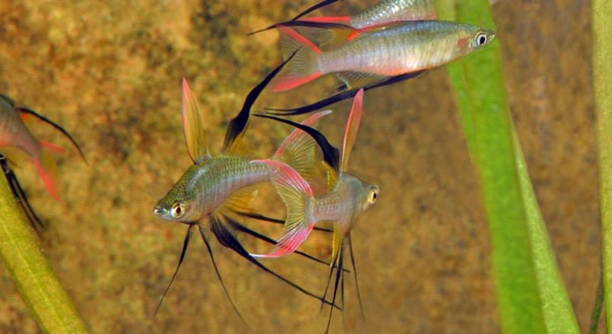
Do you ever find yourself wondering if your threadfins are getting the right nutrition from their frozen meals? Feeding them properly can make a big difference in their color, energy, and overall health.
The best practices for feeding frozen food to threadfins include proper thawing, portion control, feeding frequency, and maintaining water quality. Following these steps ensures optimal digestion, reduces waste, and promotes healthy growth and vibrant coloration in your fish.
Learning how to handle frozen food correctly can turn feeding time into a simple, beneficial routine that keeps your threadfins thriving every day.
Thawing the Frozen Food Properly
Thawing frozen food before feeding your threadfins is one of the most important steps to ensure their health and digestion. Feeding food straight from the freezer can cause temperature shock and stress your fish. The best way to thaw is by placing the frozen cubes or portions in a small cup of tank water for a few minutes until they reach room temperature. Avoid using hot water, as it can destroy the nutrients in the food. Once thawed, stir the food gently to separate any clumps before feeding. This helps your fish eat more comfortably and reduces leftover waste in the tank. Proper thawing also keeps the water clear, as frozen chunks tend to release oils and debris that cloud the aquarium. Taking this extra step ensures your threadfins get the full nutritional benefit from each meal while maintaining a clean and stable aquatic environment.
If you thaw the food properly, your threadfins will eat more eagerly, show better coloration, and experience fewer digestive problems. It may seem like a small detail, but it makes a noticeable difference in their overall condition and behavior.
A consistent thawing routine helps you control feeding portions more effectively. It also lets you observe the food’s texture and freshness, giving your fish the best possible meal each time.
Feeding in the Right Amount
Feeding the right amount of frozen food is essential to keep your threadfins healthy and your tank water balanced. Overfeeding leads to uneaten food sinking to the bottom, which can quickly spoil and raise ammonia levels. Underfeeding, on the other hand, can cause malnutrition and weaken your fish’s immune system.
To find the right balance, start with small portions that your threadfins can finish within two minutes. If they eat everything quickly and still appear hungry, you can slowly increase the amount. It’s better to feed small amounts twice a day rather than a large portion once. Frozen foods like brine shrimp, bloodworms, and daphnia are rich and filling, so moderation is key. You can also mix them with flakes or pellets to create a more varied diet. Watching how your fish respond will help you adjust portions naturally. Consistent, measured feeding keeps your threadfins active, maintains water clarity, and supports their long-term growth and vitality.
Maintaining Water Quality During Feeding
Feeding frozen food can affect your tank’s water quality if not handled carefully. Tiny particles from the food can dissolve and create waste buildup, especially if overfed. Regular maintenance and observation are key to keeping your threadfins’ environment clean and healthy.
After feeding, remove any leftover food within ten minutes to prevent it from decaying. Using a fine net or siphon makes this easy and quick. It’s also helpful to perform partial water changes weekly, as this keeps ammonia and nitrate levels low. If your tank has a strong filtration system, clean the filter regularly to avoid clogging from food residue. Keeping water parameters stable not only prevents stress but also promotes better feeding habits. Threadfins are sensitive fish, so maintaining a clean tank ensures they stay active, display brighter colors, and remain disease-free.
Good water quality also supports the natural bacteria balance in your aquarium. These bacteria help break down organic waste, preventing harmful spikes that can harm your fish. By combining careful feeding with regular tank care, you create a stable, thriving habitat. Over time, your threadfins will respond with stronger appetites and consistent growth, showing that clean water and good feeding habits truly go hand in hand.
Mixing Frozen Food with Other Diets
Balancing frozen food with other types of feed helps ensure your threadfins receive complete nutrition. While frozen foods provide valuable protein and moisture, they often lack certain vitamins and minerals found in flakes or pellets. Mixing both types of food promotes better health and color development.
A varied diet keeps feeding time interesting for your fish and prevents nutritional gaps. You can alternate between frozen foods like bloodworms and daphnia with high-quality flakes or micro pellets. Feeding frozen food once a day and dry food for the other meal is a good routine to follow. To enhance nutrition, consider soaking pellets in vitamin supplements or garlic extract occasionally. This supports immunity and improves appetite. Balanced feeding helps your threadfins thrive, display natural behaviors, and stay energetic without risking dietary deficiencies.
Feeding Frequency and Timing
Feeding your threadfins at consistent times each day helps regulate their metabolism and reduces stress. Twice-daily feedings are ideal, giving them enough energy for steady growth without overloading their digestive systems or clouding the water with excess food.
Morning and evening feedings often work best since threadfins are most active during these times. Keeping a regular schedule helps them recognize feeding time, making them more responsive and less likely to overeat. This routine encourages stable behavior and supports long-term health.
Observing Behavior During Feeding
Watching your threadfins while they eat gives valuable insight into their health and comfort. Active swimming and quick feeding responses usually signal good health, while disinterest or slow movements may indicate stress or water quality problems. Regular observation helps catch potential issues early and maintain a healthy feeding routine.
Storing Frozen Food Correctly
Keep frozen food sealed and stored at a consistent temperature to preserve freshness. Always check the expiration date and avoid refreezing thawed portions. Proper storage prevents nutrient loss and bacterial growth, ensuring each feeding gives your threadfins the best quality and safety possible.
FAQ
How often should I feed frozen food to my threadfins?
Feeding frozen food once a day is usually enough for threadfins. It provides them with high-quality protein and moisture without overwhelming their digestive system. You can offer flakes or pellets for the second feeding of the day to balance their nutrition. Consistency is important—threadfins do best when fed at the same time daily. Overfeeding can quickly pollute the water, so watch how much they consume in two minutes. If any food remains after that, remove it to maintain clean water and prevent health problems.
Can I feed frozen food directly without thawing it first?
It’s best not to feed frozen food straight from the freezer. The cold temperature can shock your fish’s system, leading to stress and digestive issues. Always thaw the food in a small cup of tank water for a few minutes until it reaches room temperature. This helps preserve the nutrients and makes it easier for your threadfins to eat. Feeding thawed food also reduces the chance of leftover bits clouding the water or causing ammonia spikes in the tank.
What types of frozen food are best for threadfins?
Threadfins enjoy a variety of frozen foods such as brine shrimp, bloodworms, daphnia, and mysis shrimp. These options are rich in protein and help enhance their colors and energy levels. Rotating between these choices keeps their diet interesting and balanced. Each type offers different nutrients, so mixing them over time ensures your threadfins receive all the essentials. It’s wise to buy high-quality brands from trusted suppliers to avoid fillers or preservatives that can harm your fish.
How can I prevent overfeeding when using frozen food?
Start with small portions and observe how quickly your threadfins eat. Only feed what they can finish in about two minutes. If there’s food left over, reduce the amount next time. Feeding smaller portions twice a day is more effective than one large meal. It helps keep their metabolism steady and avoids waste buildup at the bottom of the tank. Keeping a consistent schedule and monitoring their eating habits will help you find the right balance over time.
Can frozen food replace pellets or flakes completely?
While frozen food is highly nutritious, it shouldn’t be the only thing in your threadfins’ diet. Pellets and flakes contain important vitamins, minerals, and fiber that frozen foods sometimes lack. A combination of both ensures a well-rounded diet that supports their immune system and long-term health. Think of frozen food as a supplement or treat rather than a full replacement. By mixing different types, you provide the variety needed to keep your fish healthy and active.
What should I do if my threadfins refuse to eat frozen food?
If your threadfins ignore frozen food, try offering smaller pieces or mixing it with their regular pellets. Sometimes, it takes a few days for them to recognize the new texture or scent. Make sure the food is fully thawed and not too cold. You can also reduce the amount of dry food slightly so they feel hungrier and more willing to try something new. Patience is key—once they get used to the taste, they often start eating frozen food eagerly.
How long can frozen food stay fresh once opened?
After opening a pack, keep it tightly sealed and frozen at a consistent temperature. Use it within three months for the best quality. If the food starts to smell off or forms ice crystals, it’s best to discard it. Never refreeze food once it’s thawed, as this can reduce nutrients and increase bacterial growth. Proper storage helps maintain its texture and freshness, ensuring your threadfins get safe, nutritious meals every time.
Is it okay to feed different frozen foods in one meal?
Yes, mixing small amounts of different frozen foods in a single meal can be beneficial. For example, combining bloodworms with daphnia gives both protein and roughage, which improves digestion. However, avoid overloading the tank with too many types at once, as uneaten food may spoil quickly. Start with small portions and observe how well your threadfins handle the mixture. This approach keeps their diet varied and exciting while still maintaining good water quality.
Do I need to rinse frozen food before feeding?
Rinsing thawed frozen food in a small net under tank water or clean dechlorinated water is a good practice. It removes excess oils and debris that could cloud the water or affect the filter. This extra step ensures your threadfins get cleaner food and reduces the risk of bacteria entering the tank. It only takes a minute but can make a noticeable difference in maintaining a healthy aquarium.
What are the signs of poor feeding habits in threadfins?
If your threadfins show dull colors, low activity, or bloated bellies, it may indicate poor feeding habits. Overfeeding, low-quality food, or irregular schedules often cause these issues. Regular observation during feeding helps you adjust portions and routines before problems worsen. Healthy threadfins should swim actively, eat readily, and display vibrant coloration. Maintaining consistency and offering balanced nutrition will help them stay in top condition and prevent long-term health complications.
Final Thoughts
Feeding frozen food to threadfins may seem simple, but it takes care and consistency to do it right. Small details like thawing the food properly, watching how much they eat, and maintaining clean water all make a big difference. Threadfins are gentle fish that thrive when their environment is stable and their diet is balanced. When handled carefully, frozen food can be one of the best ways to keep them healthy. It gives them the natural protein and moisture they need while supporting their color, energy, and growth. Building a routine that fits your fish’s needs doesn’t take much effort once you understand what works best. Every feeding becomes easier, and you’ll start to notice how your fish respond more actively and confidently during meal times.
What makes feeding frozen food so rewarding is how quickly you can see the results. Within weeks, your threadfins may appear brighter, swim more smoothly, and interact more during feedings. Their improved appetite and behavior show that the extra care pays off. This routine is not only about feeding—it’s also about observing and understanding your fish. Watching how they eat helps you adjust portions, choose the right foods, and notice early signs of health changes. These small habits help prevent problems like overfeeding or poor water quality before they even start. When your tank is clean and your fish are eating well, everything feels balanced. The satisfaction comes from knowing your effort directly improves the lives of the fish you care for.
Consistency, variety, and moderation are the main ideas to keep in mind. Frozen food works best when it’s part of a complete diet that includes flakes, pellets, or live foods. Each feeding type brings something different, ensuring your threadfins receive all the nutrients they need. Maintaining regular feeding times, cleaning up leftovers, and checking water conditions will keep your tank in good shape. These habits soon become second nature, helping you create a calm and stable environment where your fish can flourish. Caring for threadfins doesn’t have to be complicated—it’s about forming steady routines that promote health and harmony. Over time, you’ll see that good feeding practices not only keep your fish beautiful but also make aquarium care more enjoyable and peaceful.

Hello,
If you enjoy the content that we create, please consider saying a "Thank You!" by leaving a tip.
Every little bit helps us continue crafting quality advice that supports the health, happiness, and well-being of pets around the world, for pets of all shapes, sizes, and species.
We really appreciate the kindness and support that you show us!