
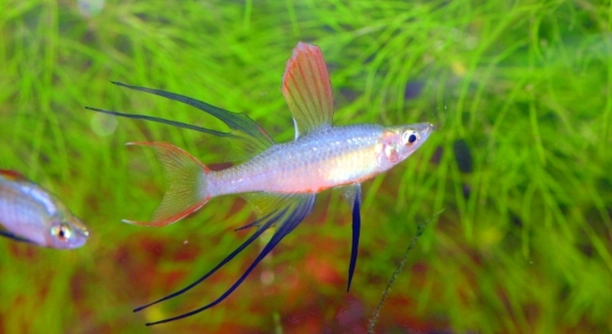
Have you ever noticed how your Threadfin Rainbowfish behave differently when they swim alone compared to when they are surrounded by others? Their social nature often raises curiosity about what truly makes them feel more secure and comfortable.
Threadfin Rainbowfish generally feel safer and exhibit less stress when kept in schools rather than pairs. Group living helps them mimic their natural habitat, reduce anxiety, and display healthier, more vibrant behaviors associated with security and social interaction.
Observing their behavior in groups reveals more than just companionship—it offers insight into their emotional comfort and overall well-being in the aquarium environment.
Why Threadfin Rainbowfish Prefer Schools
In their natural environment, Threadfin Rainbowfish live in calm freshwater rivers and ponds surrounded by large groups of their own kind. Being in schools provides them with safety from predators and helps reduce stress levels. When they are kept alone or in pairs, they often appear shy and spend more time hiding. In contrast, when surrounded by a group, they become more active and confident, swimming freely through the tank. The visual comfort of others nearby helps them feel secure, creating a balanced and peaceful environment that supports their natural instincts. Watching them glide together in a synchronized motion also adds beauty and liveliness to the aquarium, reflecting how comfortable they feel when surrounded by companions.
Keeping Threadfin Rainbowfish in groups of at least six allows them to express natural behavior, improving their overall health and bringing out their vibrant colors more effectively.
When observed closely, schooling Threadfin Rainbowfish show smoother movements and less erratic swimming compared to those kept in pairs. This harmony comes from their ability to communicate through subtle movements, allowing them to navigate the tank together. The collective awareness within the school builds a sense of stability, which reduces fear and promotes healthier interactions. Their synchronized swimming reflects both comfort and instinct, making them thrive when surrounded by their kind.
The Downside of Keeping Them in Pairs
When kept in pairs, Threadfin Rainbowfish often become nervous and withdrawn. They may stay near the bottom of the tank or behind plants instead of swimming freely. This behavior is usually a sign of insecurity or mild stress caused by isolation.
A pair of Threadfin Rainbowfish lacks the social balance found in a larger group. Without the presence of several companions, they struggle to establish a natural pecking order, which is essential for maintaining calm interactions. This can lead to minor aggression or competition between the two, especially during feeding times. In addition, limited social interaction can cause duller coloration and lower energy levels over time. Providing a larger school helps distribute attention and reduces tension, creating a healthier social structure. For aquarists who want to see their fish at ease, maintaining a small school ensures that each individual feels secure, displays natural patterns, and thrives in a stable, well-structured environment.
Creating the Right Environment
A peaceful and well-planted tank helps Threadfin Rainbowfish feel more secure. They prefer gentle water movement, soft lighting, and plenty of open space for swimming. Adding plants, driftwood, and hiding areas creates a natural setting that supports their schooling behavior and reduces unnecessary stress.
When setting up their environment, water quality plays a crucial role in keeping them healthy. Maintaining clean, slightly acidic to neutral water with stable temperatures between 75°F and 82°F helps them thrive. Threadfin Rainbowfish are sensitive to sudden changes, so consistent care is essential. Plants such as hornwort or java fern provide gentle cover while allowing free movement. Their reflective bodies shine best under soft lighting, enhancing their natural beauty. A calm, well-balanced habitat mirrors their native rivers, encouraging natural behaviors and promoting social comfort within the school.
Providing enough swimming space is equally important. A long tank rather than a tall one gives them room to move together smoothly. This helps maintain harmony within the group and allows them to establish their natural rhythm. A peaceful environment also prevents stress-related issues, like fin clamping or color fading. When their surroundings are stable and familiar, Threadfin Rainbowfish show more confidence, display vivid colors, and interact freely with one another.
Feeding and Nutrition
Threadfin Rainbowfish need a balanced diet that supports their energy levels and bright coloration. A mix of high-quality flakes, small pellets, and live or frozen foods like daphnia and brine shrimp keeps them healthy and active throughout the day.
Their diet should reflect the variety they experience in the wild, where they consume small insects and plant material. Feeding them small portions two to three times daily prevents overfeeding and helps maintain water quality. Threadfin Rainbowfish are surface and mid-level feeders, so foods that float or slowly sink work best. Offering live or frozen treats occasionally enhances their activity and strengthens their immune system. A well-balanced diet not only supports growth but also intensifies their shimmering hues, allowing their natural beauty to shine fully in a healthy, thriving school.
Ideal Tank Mates
Threadfin Rainbowfish do best with peaceful, small fish that share similar water preferences. Species like neon tetras, harlequin rasboras, and Corydoras catfish make excellent companions, helping maintain a calm environment that allows the rainbowfish to swim confidently without fear or territorial disputes.
Avoid keeping them with aggressive or fin-nipping fish, as their delicate fins can be easily damaged. Gentle, community-oriented species help keep the aquarium harmonious and stress-free. A balanced mix of peaceful fish supports natural behaviors and keeps the Threadfin Rainbowfish active and socially engaged in their shared space.
Breeding Behavior
Threadfin Rainbowfish are egg scatterers, meaning they release their eggs among fine plants or spawning mops. They often display brighter colors and livelier movements during the breeding period. Males gently court females, showcasing their fins in a graceful dance before eggs are released and fertilized.
After spawning, it’s best to separate the eggs or move the adults to another tank to prevent them from eating the eggs. The eggs hatch within a few days, and the fry can be fed infusoria or finely crushed food. Providing gentle lighting and stable conditions helps the young grow stronger and develop their natural colors early on.
Common Mistakes to Avoid
Overcrowding the tank or keeping too few fish can make Threadfin Rainbowfish anxious. Poor water quality and inconsistent feeding also affect their health and coloration, so regular maintenance and attention are vital for their long-term well-being.
FAQ
How many Threadfin Rainbowfish should I keep together?
Keeping at least six Threadfin Rainbowfish in a tank is ideal for their comfort and social behavior. A small school reduces stress and encourages natural swimming patterns, allowing each fish to feel secure and express its full range of behaviors without fear.
Can Threadfin Rainbowfish live with other fish?
Yes, they thrive with peaceful species that share similar water conditions. Fish like neon tetras, harlequin rasboras, and Corydoras catfish are good choices. Aggressive or fin-nipping fish should be avoided, as Threadfin Rainbowfish have delicate fins that are easily damaged.
What water conditions do they prefer?
Threadfin Rainbowfish prefer slightly acidic to neutral water with a temperature range between 75°F and 82°F. Consistency is important, as sudden changes in temperature, pH, or hardness can stress them. Gentle water flow and regular maintenance help keep the tank stable and healthy.
How often should I feed them?
Feeding two to three small meals per day is recommended. A varied diet of high-quality flakes, small pellets, and occasional live or frozen foods like daphnia or brine shrimp helps maintain their energy, vibrant colors, and overall health. Avoid overfeeding, as leftover food can harm water quality.
Do they need hiding spots?
Yes, plants, driftwood, and other decorations create natural hiding spots that reduce stress. Threadfin Rainbowfish feel safer when they have cover, but open swimming areas are equally important. A mix of open space and shelter encourages schooling behavior and natural interaction within the group.
How do I know if my fish are stressed?
Signs of stress include clamped fins, hiding for long periods, loss of color, or erratic swimming. Stress often occurs from poor water quality, insufficient group size, or aggressive tank mates. Maintaining stable water conditions, a proper school size, and gentle tank companions helps reduce stress.
Can they breed in a home aquarium?
Yes, Threadfin Rainbowfish are egg scatterers and can breed in home tanks. They release eggs among fine plants or spawning mops. Males display brighter colors and court females with graceful movements. Removing adults after spawning protects the eggs from being eaten. Fry need infusoria or finely crushed food to thrive.
Do they need special lighting?
Moderate, soft lighting works best. Intense lighting can stress them, while dim lighting helps highlight their natural colors. Lighting should mimic their natural environment, supporting plants and enhancing the fish’s comfort without causing sudden stress or agitation.
How long do Threadfin Rainbowfish live?
With proper care, they can live up to 5–7 years. Maintaining clean water, a balanced diet, and a stable environment helps them thrive. Adequate space, proper schooling, and compatible tank mates also contribute to their longevity and overall well-being.
What is the best tank size?
A tank of at least 30 gallons is recommended for a small school of Threadfin Rainbowfish. Longer tanks are preferable to taller ones, providing ample swimming space. This allows the fish to move in groups naturally, reducing stress and promoting healthy social behavior.
Can I keep them in a planted tank?
Yes, a planted tank is ideal. Plants provide shelter, mimic natural habitats, and encourage normal schooling behavior. Hardy plants like Java fern or hornwort work well. Open swimming areas combined with plant cover create a balanced environment that supports both security and activity.
How do I maintain water quality?
Regular water changes, testing for pH, ammonia, nitrite, and nitrate, and using a reliable filtration system are key. Avoid sudden water parameter changes, and keep the tank clean to reduce stress and prevent disease. Consistent maintenance is essential for healthy, vibrant Threadfin Rainbowfish.
Are Threadfin Rainbowfish active swimmers?
Yes, they are naturally active and love to move in groups. Adequate swimming space and a proper school size enhance their activity, social interaction, and overall health. Observing them glide together in harmony reflects comfort and stability within the tank.
Do they interact with humans?
While not as interactive as some fish, they recognize movement and may swim toward activity outside the tank. They respond more to gentle, predictable interactions and show their personalities when they feel secure and stress-free within their environment.
What are common health issues?
Fin rot, stress-related color loss, and swim bladder problems are common if water quality is poor or they are kept with aggressive tank mates. Maintaining clean water, a stable environment, and proper nutrition reduces the risk of health problems and helps them live a longer, more vibrant life.
Can Threadfin Rainbowfish tolerate slightly cooler water?
They tolerate minor fluctuations but prefer stable temperatures between 75°F and 82°F. Cooler water slows metabolism, reduces activity, and may make them more vulnerable to disease. A stable temperature ensures normal behavior, bright colors, and overall well-being.
How do I encourage natural schooling behavior?
Keeping at least six individuals together, providing open swimming space, and maintaining calm tank conditions encourages natural schooling. Avoid sudden disturbances, aggressive tank mates, and overcrowding. A peaceful environment allows them to move in synchronized patterns, reflecting security and social balance.
Are there signs of aggression in a school?
Minor chasing or nudging may occur as they establish hierarchy, but true aggression is rare in a well-sized school. Persistent chasing, fin damage, or bullying signals stress, insufficient space, or incompatible tank mates. Observing behavior closely ensures a harmonious and safe environment.
Do they change color when stressed?
Yes, stressed Threadfin Rainbowfish may appear duller or less vibrant. Stress can be caused by poor water conditions, isolation, or aggressive companions. Providing a stable, supportive environment helps restore their natural shimmering colors and healthy appearance.
Is tank placement important?
Yes, a quiet location away from heavy foot traffic, direct sunlight, or loud noises helps reduce stress. A stable, calm setting supports natural behavior, encourages schooling, and promotes vibrant colors. Consistency in surroundings contributes to long-term comfort and health.
How do I introduce new fish to the tank?
Quarantine new fish first to prevent disease. Introduce them slowly using a drip acclimation method to match water parameters. Adding new fish to an established school should be done carefully to minimize stress and maintain harmony within the group.
Are Threadfin Rainbowfish good for beginners?
Yes, they are relatively hardy but require consistent care, proper schooling, and stable water conditions. With attention to diet, tank mates, and water quality, beginners can successfully maintain a healthy, active, and colorful school of Threadfin Rainbowfish.
What makes Threadfin Rainbowfish display their best colors?
Bright colors appear when water quality is stable, diet is balanced, and they feel secure in a proper-sized school. Stress reduction, sufficient swimming space, and calm tank conditions all contribute to bringing out their natural, shimmering hues.
Can they adapt to different water hardness?
They tolerate a moderate range of water hardness but thrive in slightly soft to moderately hard water. Sudden changes should be avoided, as they can cause stress or color fading. Gradual adjustments help maintain comfort and overall health.
Do they need special filtration?
Standard, reliable filtration that maintains clean water and gentle flow is sufficient. Strong currents are unnecessary, as they prefer calm swimming areas. Consistent filtration supports water stability, reduces stress, and encourages healthy schooling behavior.
How do I handle illness?
Quarantine sick fish, test water quality, and use appropriate treatments if needed. Preventive measures like clean water, proper diet, and compatible tank mates reduce the likelihood of disease. Observing behavior and color changes early helps address issues promptly.
Are there seasonal behaviors to note?
Threadfin Rainbowfish may become more active or display subtle color changes during breeding periods. Providing stable conditions, proper diet, and a suitable tank environment ensures that any seasonal changes are natural and not stress-related.
Can they live in a community tank with different species sizes?
Yes, as long as other fish are peaceful and similar in size. Larger or aggressive species can stress or harm them. A compatible community tank helps maintain schooling behavior, reduces stress, and supports vibrant colors.
Do they require live plants?
Not strictly, but live plants create hiding spots and mimic natural habitats. They improve water quality and encourage natural behaviors. Hardy plants combined with open swimming space make the tank comfortable and support healthy schooling patterns.
How do I recognize a healthy school?
Active swimming, bright colors, and synchronized movements indicate a healthy, well-adjusted school. Calm, confident behavior and minimal hiding show that the environment supports their social needs and overall well-being.
Are there any special considerations for nighttime behavior?
Threadfin Rainbowfish usually rest near plants or sheltered areas at night. Soft lighting or natural dark periods helps maintain their circadian rhythm and reduces nighttime stress, promoting healthy sleep cycles.
What should I avoid when keeping them?
Avoid overcrowding, aggressive tank mates, poor water quality, and sudden environmental changes. Neglecting these factors can cause stress, color fading, and health problems. Consistent care, proper schooling, and a stable environment ensure their comfort and longevity.
Do they interact with each other frequently?
Yes, they communicate through body movements, fin displays, and synchronized swimming. Interaction within the school promotes security, reduces stress, and encourages natural behavior patterns. Observing their coordination reflects the overall health of the group and tank environment.
How can I tell if they are comfortable in a new tank?
Active swimming, bright colors, and exploration of the environment indicate comfort. Minimal hiding and consistent schooling behavior show that they feel secure. Providing proper conditions, enough companions, and gentle acclimation helps them adjust smoothly.
Can they live in brackish water?
No, Threadfin Rainbowfish are freshwater species and do not tolerate brackish conditions. Salinity stress can harm them and disrupt natural behavior. Freshwater with stable temperature and water parameters is essential for their health.
Do they need supplemental vitamins or minerals?
A balanced diet with occasional live or frozen foods usually provides sufficient nutrients. If needed, small amounts of vitamin supplements can be added to support growth, coloration, and immune system function. Over-supplementation should be avoided to maintain water quality.
Are there any behavioral signs before breeding?
Males become more colorful and display fin flaring to court females. Increased activity and gentle chasing are common. Observing these behaviors helps identify readiness for spawning and indicates healthy social dynamics within the school.
Can stress affect their lifespan?
Yes, chronic stress from poor water conditions, aggressive tank mates, or isolation can shorten lifespan. Maintaining a proper school size, compatible companions, and a stable environment reduces stress, supports health, and helps them reach their full lifespan potential.
What tank decorations are best for them?
Driftwood, rocks, and plants provide hiding spots while allowing open swimming space. Decorations should not overcrowd the tank but offer security and mimic natural habitat. A balanced arrangement supports schooling behavior and reduces stress.
How do I handle new additions to a school?
Introduce fish slowly using acclimation methods and quarantine if possible. Gradual integration prevents stress, minimizes aggression, and maintains harmony in the school. Observing interactions during the first few days ensures a smooth adjustment.
Are Threadfin Rainbowfish sensitive to chemicals?
Yes, they are sensitive to chlorine, heavy metals, and sudden changes in water chemistry. Using a water conditioner and monitoring parameters carefully is essential. Consistent water quality protects their health and maintains natural behavior.
Do they show personality differences?
Yes, individual fish may be more active, shy, or curious. Observing their behavior over time helps identify personality traits. A stable, supportive environment allows these differences to emerge naturally without causing stress to the school.
Is water movement important?
Moderate, gentle flow mimics their natural environment and encourages swimming. Strong currents are unnecessary and may stress them. Consistent, calm water conditions help them maintain coordinated schooling and natural behaviors.
Can I keep them with shrimp or snails?
Yes, peaceful invertebrates like small snails or Amano shrimp are generally compatible. They do not compete for food aggressively and add interest to the tank without disrupting schooling behavior.
Do they respond to feeding routines?
Yes, they recognize consistent feeding schedules and gather in anticipation. Predictable routines reduce stress and encourage activity, helping maintain healthy social interaction and natural behaviors within the school.
How important is tank lighting for their coloration?
Moderate, stable lighting highlights their natural shimmering colors. Too bright or inconsistent lighting can cause stress or color fading. A calm, consistent light cycle supports comfort and displays their vibrant hues effectively.
Are there signs of aging in Threadfin Rainbowfish?
Older fish may show slightly duller colors, slower movements, or decreased activity. Providing proper care, diet, and a stable environment helps maintain health and appearance, allowing them to remain active and comfortable as they age.
Do they need water movement near the surface?
Moderate surface movement helps oxygenate water and promotes healthy feeding behavior. Excessive turbulence is unnecessary and may cause stress. Calm, aerated conditions support natural swimming and comfort within the school.
Can I keep them in a nano tank?
A nano tank is not recommended for Threadfin Rainbowfish. They require space for schooling and swimming. Small tanks can lead to stress, limited movement, and behavioral issues. A longer, adequately sized tank ensures proper care.
How do I manage tank cleaning without stressing them?
Partial water changes, gentle siphoning, and avoiding sudden disturbances help reduce stress. Cleaning should be done gradually and consistently, maintaining water parameters and preserving the calm environment they need for natural behavior.
Are they compatible with fast-swimming fish?
Moderately active species are fine, but extremely fast or aggressive swimmers can stress Threadfin Rainbowfish. Calm, compatible tank mates support schooling behavior and prevent unnecessary anxiety or hiding.
Do they need supplemental oxygen?
If the tank is well-filtered with gentle surface agitation, additional oxygen is usually unnecessary. Proper aeration and filtration maintain healthy oxygen levels and support their active schooling behavior naturally.
Can I breed them in a community tank?
Breeding is possible but challenging in a community tank, as adults may eat the eggs. Using fine plants or a separate breeding tank increases survival rates for fry while maintaining normal social behavior.
How do I prevent fin damage?
Avoid aggressive tank mates, sharp decorations, and overcrowding. Adequate space, peaceful companions, and careful handling reduce the risk of fin damage, keeping Threadfin Rainbowfish healthy and stress-free.
Are there signs of poor nutrition?
Dull coloration, slow growth, or lethargy often indicate insufficient diet. Providing a varied mix of high-quality flakes, pellets, and occasional live or frozen foods ensures proper nutrition and vibrant appearance.
Do they enjoy current from filters?
Gentle water flow is appreciated, as it mimics natural rivers. Strong currents can exhaust them and disrupt schooling. Filter placement should balance movement with calm swimming areas to maintain comfort and natural behavior.
Can they tolerate community tank lighting?
Yes, as long as lighting is moderate and consistent. Flashy or harsh lights may cause stress. Gentle illumination enhances colors while supporting plant growth and a comfortable environment for schooling.
How long after adding new fish can I expect them to settle?
Typically, they adjust within a few days to a week. Observing behavior during this period ensures the new additions integrate smoothly, stress is minimized, and schooling patterns remain stable.
Do they need nighttime hiding areas?
Yes, small shelters or dense plants provide security at night. This encourages natural resting behavior, reduces stress, and helps maintain a healthy daily rhythm for the entire school.
Are Threadfin Rainbowfish sensitive to medication?
Yes, they can be more sensitive than hardier species. Always follow dosage instructions carefully, and consider quarantining sick fish when possible. Overmedication or strong treatments can stress or harm them.
How important is tank cover?
A secure lid prevents jumping, reduces light fluctuations, and keeps the environment stable. Threadfin Rainbowfish are active swimmers, so a covered tank ensures safety while maintaining calm conditions.
Do they interact differently in larger schools?
Yes, larger groups encourage more natural schooling patterns, reduce stress, and allow individuals to express normal behaviors. Social balance improves, and confidence levels increase, making the fish more active and vibrant.
Are there temperature variations they cannot handle?
Rapid or extreme changes in temperature cause stress, illness, or color loss. Maintaining steady temperatures within 75°F to 82°F is crucial for their comfort, behavior, and overall health.
Do they respond to reflections in the tank?
They may briefly investigate reflections but generally focus on schooling interactions. Excessive mirrors or reflective surfaces can create stress, so it’s best to minimize strong reflections in the tank environment.
Can they thrive in a planted tank without CO₂ injection?
Yes, low-maintenance plants without CO₂ supplementation are sufficient. Plants provide cover, improve water quality, and encourage natural behavior. Threadfin Rainbowfish do not require specialized plant conditions to thrive.
Are there signs of social stress in the school?
Frequent hiding, chasing, or clamped fins may indicate stress or insufficient group size. Maintaining at least six fish, compatible tank mates, and adequate swimming space reduces social tension and promotes harmony.
Do they recognize feeding times?
Yes, Threadfin Rainbowfish quickly learn routines and gather when food is offered. Predictable schedules reduce stress, encourage activity, and support social interaction within the school.
Can they tolerate moderate water hardness?
Yes, they adapt to slightly soft to moderately hard water. Extreme changes or overly hard conditions can stress them, so gradual adjustments are preferable to maintain health and coloration.
Do they enjoy moderate tank decorations?
Yes, decorations that provide hiding spots and open swimming areas help them feel secure and express natural behaviors. Balance is key: too many decorations can restrict movement, too few can increase stress.
Are there signs of boredom in Threadfin Rainbowfish?
Reduced activity, hiding, or lack of interaction may indicate insufficient stimulation. Adequate school size, open swimming space, and compatible tank mates encourage engagement and healthy behavior.
How do I manage algae in a Threadfin Rainbowfish tank?
Regular water changes, light control, and adding algae-eating species help manage algae without disturbing the fish. Proper plant placement and tank maintenance keep the environment clean and stress-free.
Do they show preference for certain areas of the tank?
They often explore the middle and upper levels while using plants and decorations for shelter. Providing varied vertical space supports natural movement, comfort, and schooling behavior.
Can they tolerate minor water fluctuations?
Minor, gradual changes are usually acceptable, but sudden shifts can stress them. Consistent parameters are essential for maintaining health, vibrant colors, and normal social interactions.
Do they require frequent tank rearrangement?
No, frequent changes can stress Threadfin Rainbowfish. A stable layout with consistent hiding spots and open swimming areas encourages natural schooling behavior and comfort.
How do I know if they are healthy?
Final Thoughts
Threadfin Rainbowfish are delicate and beautiful fish that benefit greatly from a carefully planned and stable environment. Their natural behavior is strongly influenced by the size of the group they are kept in, and a school of at least six individuals allows them to feel secure and express their natural patterns. Observing them in a proper-sized group shows how active and vibrant they can be. When kept in pairs or alone, they tend to hide more, swim less, and may appear duller. Their colors, energy, and confidence are all enhanced when they have companions to interact with, which makes maintaining a small school an essential part of their care. Providing a peaceful environment with open swimming areas, soft lighting, and plants for shelter contributes to their comfort and well-being. It also encourages natural schooling behavior, which is both calming for the fish and visually pleasing for the aquarist.
Water quality and diet are other critical factors for the health of Threadfin Rainbowfish. Stable water parameters, including temperature, pH, and hardness, ensure that they remain active and healthy over time. Sudden changes or poor water quality can lead to stress, which often shows as clamped fins, hiding, or loss of color. Feeding a balanced diet with high-quality flakes, small pellets, and occasional live or frozen foods keeps them energized and vibrant. Variety in food also helps prevent nutritional deficiencies, which can impact their growth and immune system. Regular tank maintenance, careful monitoring of water parameters, and attention to their diet are simple yet highly effective ways to maintain a thriving aquarium. Proper care supports both their physical health and emotional comfort, allowing them to display natural behaviors without unnecessary stress.
Threadfin Rainbowfish are ideal for aquarists who are willing to provide consistent and thoughtful care. They are social, gentle, and responsive to their environment, which means that small adjustments in their habitat can have a noticeable impact on their behavior. Ensuring they have a suitable school size, compatible tank mates, and adequate hiding spots makes a major difference in their overall happiness. Their breeding habits, schooling behavior, and interaction with the environment demonstrate how closely they mirror their natural instincts when cared for properly. Creating an aquarium that meets these needs not only promotes a healthy and active school but also allows the aquarist to enjoy observing their lively movements, shimmering colors, and coordinated swimming patterns. Over time, following these basic principles of care helps Threadfin Rainbowfish flourish, making them a rewarding addition to any freshwater tank and highlighting the importance of social dynamics, stable conditions, and attentive maintenance.

Hello,
If you enjoy the content that we create, please consider saying a "Thank You!" by leaving a tip.
Every little bit helps us continue crafting quality advice that supports the health, happiness, and well-being of pets around the world, for pets of all shapes, sizes, and species.
We really appreciate the kindness and support that you show us!