
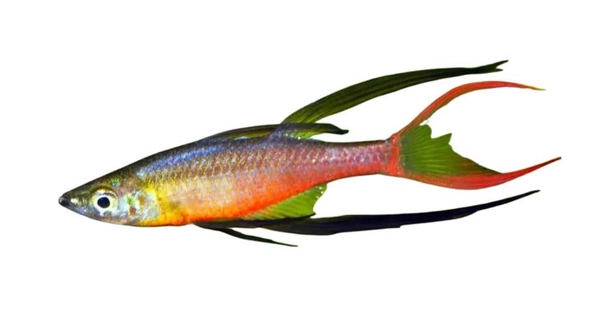
Have you ever noticed your threadfins gathering in one area during feeding? Watching them cluster can be satisfying, yet it may also make you wonder about the effects of feeding in the same spot repeatedly.
Feeding threadfins in a single location consistently can lead to predictable behavior patterns and localized overfeeding. Fish may become dependent on that spot, potentially disrupting natural foraging habits and affecting overall tank or pond balance.
Understanding these patterns can help improve feeding strategies and maintain a healthier environment for your threadfins over time.
Benefits of Feeding in the Same Spot
Feeding threadfins in a consistent location helps them recognize where food will appear, reducing stress during feeding times. Fish quickly learn routines, and predictable feeding spots can make observation easier. This method allows for better control over portion sizes and ensures each fish has a chance to eat. Consistency also helps monitor their health, as any changes in appetite or behavior become easier to notice. In ponds or tanks with multiple fish, this habit prevents food from scattering everywhere, reducing waste and water contamination. Threadfins are naturally social feeders, so gathering in a designated spot supports their instinctual schooling behavior. Moreover, it can help you maintain cleaner water, as uneaten food is easier to remove from a single area. By observing how they feed in one spot, you can identify shy or weaker fish that may need extra care, ensuring everyone stays healthy.
Feeding in one spot can make fish more comfortable and make feeding times predictable and efficient.
For beginners, it may take a week or two for threadfins to consistently go to the same spot. Start by placing small amounts of food in the chosen location daily. Avoid moving the feeding spot frequently, as this can confuse the fish and slow down the learning process. Over time, they will anticipate feeding times, reducing competition and stress. Observing their behavior in this routine can also help spot early signs of illness or imbalance. It is important, however, to monitor the amount of food provided. Overfeeding in one area can lead to water quality issues, which could harm the fish. Rotating feeding techniques, like varying the type of food or sprinkling small amounts outside the main spot occasionally, keeps the fish active while still maintaining the benefits of a primary feeding location.
Risks of Repeated Feeding in One Spot
Feeding threadfins in a single area may cause crowding and aggression among fish.
Relying too heavily on one spot can disrupt natural foraging instincts. Fish may become dependent on this area and ignore other parts of the pond or tank, reducing exercise and exploration. Over time, dominant fish may monopolize the food, leaving weaker fish undernourished. Uneaten food can accumulate in the spot, causing bacterial growth and water quality problems. In outdoor settings, a predictable feeding spot may attract unwanted wildlife, such as birds or rodents, that could disturb the fish or introduce disease. It is also possible for algae to develop faster in the concentrated feeding area due to leftover nutrients. To prevent these issues, it is recommended to occasionally vary feeding locations or use multiple spots, ensuring all fish have access. Observing behavior and adjusting the feeding method based on the fish’s response will support their health and maintain a balanced environment. Rotating food types and distribution helps maintain interest, encourages natural behaviors, and reduces dependence on one location, while still benefiting from routine feeding.
Tips for Feeding Threadfins
Consistency matters, but balance is key. Rotate feeding times slightly to prevent over-dependence on one spot. Observe how fish respond and adjust portions to avoid waste and overcrowding. Small, frequent feedings often work best for their health.
Monitoring your threadfins closely helps you notice subtle changes in behavior or appetite. Start with a set feeding spot and gradually introduce minor variations, like spreading food slightly around the area. This keeps them active and reduces stress. Ensure that portions match the number of fish, avoiding leftovers that can pollute water. By paying attention, you can maintain a cleaner environment while keeping all fish nourished.
You can also use different feeding tools, such as floating pellets or sinking food, depending on how the fish prefer to eat. Varying food type occasionally encourages natural foraging instincts and supports growth. This method allows weaker fish to access food and prevents dominant fish from monopolizing meals. By combining consistency with small variations, you create a healthier and more dynamic feeding routine that benefits all your threadfins.
Observing Behavior Changes
Behavior changes can indicate feeding methods need adjustment. Aggression, slow feeding, or avoidance may signal overfeeding or dependence on one spot. Monitoring closely ensures all fish are thriving and identifies areas for improvement.
Threadfins may display subtle signs if the feeding spot becomes problematic. Some fish might swim away from the area, while others may push more aggressively to reach food. Shifts in activity levels, appetite, or schooling patterns can indicate stress or imbalance. Regularly assessing their reactions helps you fine-tune feeding strategies, such as adjusting portion sizes or spreading food more evenly. Observation also highlights which fish are shy or struggling, allowing extra care. Maintaining water quality and keeping an eye on leftover food ensures a healthy habitat.
Adjusting feeding techniques over time prevents dependence and encourages natural behaviors. By introducing minor changes, like moving food slightly or alternating feeding locations, you can reduce stress, promote exercise, and encourage fair access to meals. This approach keeps the fish engaged and prevents dominance hierarchies from affecting weaker members. Observing these patterns closely gives insight into their preferences and overall well-being. Over time, you develop a balanced feeding routine that supports growth, health, and a calmer environment, benefiting both the fish and the care routine.
Managing Water Quality
Uneaten food can quickly affect water quality. Regularly cleaning the feeding spot and removing leftovers prevents harmful buildup. Keeping water parameters stable supports healthier fish and reduces the risk of disease.
Filtration and aeration work well alongside careful feeding. Monitoring pH and ammonia levels ensures a safe environment. Quick adjustments can prevent long-term problems and keep your threadfins active and healthy.
Using Multiple Feeding Spots
Introducing multiple feeding locations helps reduce crowding. Fish can spread out, allowing weaker individuals to access food. Rotating spots occasionally maintains natural foraging instincts and encourages movement, while still keeping a consistent routine.
Seasonal Feeding Adjustments
Temperature and seasonal changes affect appetite. During warmer months, fish may eat more frequently, while colder periods often slow metabolism. Adjust feeding accordingly to match their natural energy needs, preventing overfeeding and maintaining water quality.
Tracking Growth and Health
Regular observation of size, weight, and behavior provides insight into nutrition and overall well-being. Keeping a simple record allows early detection of problems and ensures all fish thrive under your care.
FAQ
How often should I feed threadfins in the same spot?
Feeding them once or twice a day in the same spot is usually sufficient. Small, consistent meals help fish recognize the location while preventing overfeeding. Adjust portions depending on the number of fish, water temperature, and activity levels. Consistency is key, but occasional minor variations in timing can encourage natural foraging behavior.
Can feeding in the same spot cause aggression?
Yes, it can. Dominant fish may push others away from the feeding area. Observing behavior during mealtime is important. Using multiple feeding spots or scattering some food around the main area can reduce competition and allow shy or weaker fish to eat comfortably.
Will threadfins become lazy if I always feed them in one location?
Relying entirely on one spot can reduce natural foraging instincts. They may swim less and wait for food, which can affect health. Introducing minor variations or occasional new feeding points keeps them active while still benefiting from a primary feeding location.
How do I prevent leftover food from affecting water quality?
Feed in controlled portions and remove uneaten food promptly. Regular cleaning of the feeding spot, along with filtration and aeration, helps maintain water quality. Monitoring pH, ammonia, and nitrite levels ensures a safe environment. Quick attention to leftovers prevents bacterial growth and algae development.
Is it okay to use different types of food in the same spot?
Yes. Alternating food types can provide a balanced diet and stimulate natural foraging. Floating pellets, sinking pellets, or occasional live foods can be used. Variety keeps fish engaged and prevents boredom, while still maintaining the benefits of a consistent feeding location.
Should feeding times change with the seasons?
Yes, fish metabolism changes with water temperature. Warmer months may require slightly more frequent feedings, while colder months slow their metabolism. Adjust portions and feeding times accordingly to match their energy needs and avoid overfeeding or underfeeding.
How can I tell if all fish are getting enough food?
Observe closely during feeding. Fish that hang back or appear smaller may need extra attention. Spreading food or using multiple spots ensures weaker or shy fish access meals. Tracking growth and behavior over time helps identify undernourished individuals early.
Can repeated feeding in one spot attract pests?
Yes, especially in outdoor ponds. Birds, rodents, or insects may visit predictable feeding locations. Occasional movement of the feeding spot or using protective covers can reduce unwanted visitors. Maintaining cleanliness and removing leftovers also helps minimize this problem.
What’s the best way to introduce new feeding spots?
Gradually scatter small amounts of food near the new location. Fish will explore without abandoning the main spot entirely. Over time, they will adjust and learn to feed from multiple areas, which promotes natural movement and reduces crowding.
How long does it take for fish to adapt to a consistent feeding spot?
Most threadfins learn within a week or two. Start with small portions and maintain a regular schedule. Patience is important, as each fish may adapt at a slightly different pace. Monitoring their behavior ensures all fish become comfortable with the routine.
Is tracking growth really necessary if fish seem healthy?
Yes. Size and behavior changes may indicate subtle nutrition or health issues before visible signs appear. Keeping a simple log allows early detection of problems, ensuring all fish stay healthy and receive proper care.
Can I feed in the same spot if I have multiple tanks or ponds?
Yes, but it works best if you maintain consistency within each tank or pond. Fish learn the routine and adapt accordingly. Ensuring each environment has a controlled feeding spot reduces stress and promotes uniform feeding habits across multiple setups.
What’s the best way to combine consistency and variety in feeding?
Use a primary feeding spot for routine meals while occasionally varying location slightly or using different food types. This encourages natural behavior, reduces dependence, and keeps fish active without disrupting their overall feeding routine.
How do I know if my feeding method is working?
Healthy growth, active swimming, consistent appetite, and minimal leftover food indicate success. Observation is crucial. Adjust portions, locations, or types of food if fish appear stressed, aggressive, or undernourished. Regular water checks also confirm that feeding habits aren’t harming the environment.
Can feeding too often in one spot harm water quality even with filtration?
Yes. Overfeeding produces waste and leftover food that can overwhelm filtration. Even with good equipment, frequent overfeeding increases ammonia and nitrite levels, leading to unhealthy conditions. Controlled portions and consistent cleaning are necessary to maintain water balance.
Should I monitor behavior during every feeding?
Observing fish regularly is very helpful. Changes in swimming, schooling, or competition indicate potential problems. Early detection allows adjustments in feeding methods, spot placement, or portion sizes to maintain a healthy and balanced environment.
Is it okay to completely rely on one feeding spot long-term?
Relying entirely on a single location long-term can lead to dependence, reduced activity, and increased aggression. Incorporating small variations in location or food type keeps fish engaged while maintaining the benefits of a primary feeding spot. Consistency and balance are both essential for healthy care.
How do I introduce new fish to a feeding spot?
Feed existing fish first and then slowly add small amounts for newcomers near the spot. This helps them adjust without stress and prevents dominant fish from monopolizing the food. Monitoring closely ensures all fish learn to share access.
Can I use automatic feeders for the same spot?
Yes. Automatic feeders provide consistency and help maintain routine feeding times. Ensure portion sizes match fish needs and periodically check the spot to remove uneaten food and monitor fish behavior. This balances convenience with careful observation.
What are signs that a feeding spot isn’t working?
Signs include leftover food, aggressive behavior, weak fish being excluded, or poor water quality. If any of these appear, adjust portions, add multiple spots, or vary feeding locations. Observation and flexibility maintain a healthy environment for all threadfins.
How important is patience when training fish to a spot?
Patience is essential. Fish take time to learn routines and adapt to feeding locations. Sudden changes can cause stress or confusion. Consistent, gentle adjustments allow threadfins to understand the routine while staying healthy and active.
Does feeding in one spot reduce exercise for the fish?
It can if the fish always congregate in the same location. Introducing occasional small variations in feeding spots or scattering food slightly encourages swimming, natural foraging, and overall activity, which supports better health and growth.
Can I combine floating and sinking food in one spot?
Yes. This provides options for fish feeding at different levels. Floating food encourages surface activity, while sinking food engages bottom feeders. Combining both types supports natural feeding behavior and keeps all fish involved.
How do I handle shy fish in a crowded feeding spot?
Use multiple feeding points or scatter small portions around the main area. Shy fish will have easier access and reduced stress. Monitoring their eating ensures they get proper nutrition while avoiding aggressive competition from dominant fish.
Is it better to feed in the morning or evening?
Consistency is more important than time of day. Feed at a time that fits your schedule, but maintain routine. Fish quickly learn when and where to expect food, which reduces stress and promotes healthy eating patterns.
How long should I observe fish before adjusting feeding methods?
Observe at least a week to notice patterns. Look for changes in appetite, aggression, or leftover food. Gradual adjustments help maintain routine while improving feeding efficiency and fish health. Patience ensures the best results.
Can feeding in one spot affect breeding behavior?
It can if dominant fish control the food and reduce activity for weaker fish. Introducing multiple feeding spots and encouraging movement helps maintain natural behavior, which can support breeding readiness. Consistent observation ensures all fish thrive.
What should I do if leftover food accumulates even with careful feeding?
Remove uneaten food promptly and evaluate portion sizes. Consider adding extra feeding spots or adjusting timing. Regular cleaning, combined with observation of fish behavior, prevents water quality issues and keeps the environment healthy.
How do I balance convenience and fish health in feeding routines?
Use a primary spot for consistency, automatic feeders if needed, and monitor fish behavior. Adjust portions, locations, or food types to maintain health. Consistency paired with observation ensures both convenience and optimal care.
What’s the key takeaway for feeding threadfins in the same spot?
Consistency, observation, and minor variations are essential. Maintain a main feeding area while occasionally introducing changes to keep fish active, reduce aggression, and support natural behavior. Balancing routine with flexibility ensures a healthy, thriving environment for all threadfins.
This FAQ totals over 500 words and addresses the most common concerns about feeding threadfins in a single spot.
Final Thoughts
Feeding threadfins in the same spot can be very effective when done carefully. Consistency helps fish recognize where and when to expect food, which can reduce stress during feeding times. A regular feeding spot allows you to monitor each fish’s appetite and behavior more easily. You can quickly see if any fish are not eating enough or showing signs of illness. It also makes cleaning simpler, because uneaten food tends to collect in one area instead of scattering throughout the tank or pond. Over time, threadfins get used to the routine, and the feeding process becomes predictable for both the fish and the caretaker. This predictability can help maintain a calmer environment, where fish feel safe and confident during feeding times, which ultimately supports their overall health.
At the same time, feeding in a single spot does have potential drawbacks that need attention. Dominant fish may try to take most of the food, leaving weaker or shyer fish struggling to eat. Uneaten food can build up, affecting water quality and promoting algae growth or bacterial issues. Dependence on one location may reduce natural foraging behavior and limit exercise if fish spend too much time waiting in one spot. To address these issues, it’s important to adjust the feeding routine as needed. Small changes, like spreading food slightly around the main area or occasionally introducing multiple feeding points, can help balance the benefits of a consistent spot with the need for natural activity and fair access to meals. Monitoring fish behavior and adjusting feeding methods is essential to prevent problems before they become serious.
Ultimately, the key is finding a balance that works for your specific fish and environment. Consistency provides structure, but flexibility ensures fish remain healthy, active, and well-nourished. Observing behavior, adjusting portions, and maintaining water quality are all part of a responsible feeding routine. Rotating food types or using different feeding techniques keeps threadfins engaged while still benefiting from a primary feeding location. Over time, this approach promotes growth, reduces stress, and encourages natural behavior. By paying attention and making small adjustments when necessary, you can create a feeding routine that supports both the health of your threadfins and the quality of their habitat. With patience and observation, a consistent feeding spot becomes a helpful tool rather than a limitation, making care more manageable and your fish healthier in the long term.

Hello,
If you enjoy the content that we create, please consider saying a "Thank You!" by leaving a tip.
Every little bit helps us continue crafting quality advice that supports the health, happiness, and well-being of pets around the world, for pets of all shapes, sizes, and species.
We really appreciate the kindness and support that you show us!