
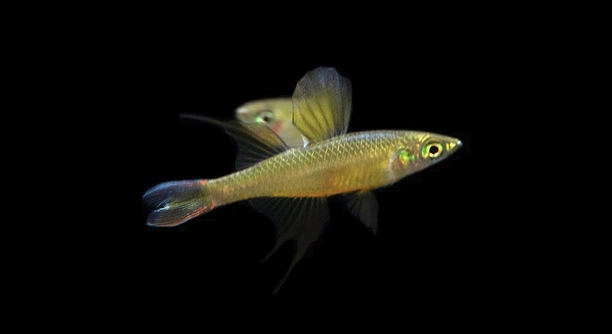
Have you ever watched your Threadfin Rainbowfish swim around their tank, wondering how they notice feeding times? These small, colorful fish are active and curious, often reacting quickly when food is introduced into their environment.
Threadfin Rainbowfish can learn feeding routines through consistent timing and environmental cues. Regular feeding schedules help them recognize patterns, leading to anticipatory behavior and increased activity around feeding periods. This demonstrates a form of learned behavior in these fish.
Observing their reactions over time can reveal interesting patterns, helping you better understand their daily habits and interactions in the tank.
Understanding Feeding Patterns
Threadfin Rainbowfish often develop clear feeding patterns when food is provided consistently at the same times each day. In my experience observing them, I noticed that they start swimming closer to the tank’s front just before the usual feeding moment. This behavior indicates that they recognize cues from their environment, such as changes in light, tank activity, or sounds. Over time, they may even begin to anticipate feeding, displaying signs of alertness and increased movement. Consistent feeding not only helps maintain a predictable routine but also supports healthier eating habits. It reduces stress and encourages natural behaviors like swimming and exploring. Fish that are fed irregularly may become less active or show signs of impatience, indicating that their internal clock is influenced by repeated feeding times. Providing structure benefits both their well-being and your ability to observe their responses clearly, making the tank a more interactive space.
Anticipation is a strong indicator that your Rainbowfish are learning their feeding schedule.
Tracking these patterns carefully allows for adjustments in feeding times to match the fish’s natural activity levels. Observing when they respond most eagerly can help optimize nutrition and reduce waste, ensuring they receive the right amount of food while maintaining a calm environment. This understanding also makes it easier to introduce new feeding strategies, such as supplements or varied diets, while keeping the fish comfortable. Over weeks, a predictable routine can lead to smoother tank management, with less stress for both the fish and the caretaker.
Reinforcing the Routine
Consistency in feeding leads to stronger behavioral habits.
Feeding at the same time daily, paired with specific cues, trains Threadfin Rainbowfish to respond predictably. Repetition strengthens the connection between the environment and mealtime, making them more alert and engaged when food is introduced. Behavioral reinforcement can include offering food in the same spot or using similar motions when feeding. Over time, this reduces aggression and competition for food, as fish become accustomed to a predictable pattern. While it may seem simple, the impact on their well-being is significant, as it encourages activity, reduces stress, and improves overall health. Observing this learning process also allows for better planning of feeding portions and timing. Maintaining a structured routine makes the tank easier to manage and supports natural behaviors. These habits are especially helpful in community tanks, where multiple species benefit from stability and predictability, allowing everyone to thrive under consistent care.
Environmental Cues and Learning
Threadfin Rainbowfish respond strongly to visual and auditory cues in their tank. Movement around the tank, light changes, or even tapping lightly can signal feeding time, helping them anticipate meals. Repetition of these cues makes learning feeding times easier for them over weeks of observation.
I noticed that when I consistently approach the tank at the same spot before feeding, the fish begin to gather near that area even before food appears. Small actions, like shaking the food container gently, trigger excitement and alertness. Over time, these fish link the cues to mealtime, showing clear anticipation. Consistent cues make their feeding routine more predictable and reduce stress, as the fish know what to expect. Observing these responses helps in adjusting feeding schedules for optimal activity, ensuring the fish stay active, healthy, and engaged with their environment.
Environmental cues not only help with feeding but also encourage natural behaviors. Fish learn to swim actively, explore corners of the tank, and interact with each other in a controlled manner. This learning process shows how adaptable Threadfin Rainbowfish can be, responding to subtle changes around them. Incorporating predictable signals strengthens their routine and makes daily feeding smoother, benefiting both their health and tank management.
Timing and Frequency
Feeding at consistent intervals helps Threadfin Rainbowfish internalize a schedule. Irregular timing can confuse them and reduce their engagement with food.
Feeding frequency affects learning, as too many meals may prevent them from recognizing patterns. I found that feeding once or twice a day at the same times works best. The fish become alert before meals, gather at familiar spots, and consume food more efficiently. Timing also impacts growth and activity levels, ensuring they receive proper nutrition while maintaining energy for swimming and exploring. Regular intervals reinforce their internal clock, making anticipation a reliable indicator of routine. Tracking responses to timing helps optimize meal schedules and improves overall tank management.
Adjusting timing gradually allows the fish to adapt without stress. Sudden changes may disrupt their learned behaviors, so incremental shifts are more effective. Consistency paired with observation ensures that the feeding routine supports health, reduces waste, and keeps the fish engaged. Over weeks, a well-managed schedule encourages both predictability and natural activity, benefiting the fish and simplifying caretaking efforts.
Observation and Response
Threadfin Rainbowfish quickly show awareness of feeding cues. Watching their movements and reactions helps determine if they are learning the routine. Subtle signs, like swimming closer to the surface, indicate anticipation and engagement.
Recording their behavior over time allows for better understanding of their learning process. Regular observation helps identify which cues are most effective. By noting when they become alert or gather near feeding spots, adjustments can be made to improve consistency. These responses show that the fish are capable of adapting to predictable patterns, demonstrating both intelligence and environmental awareness. Careful monitoring ensures their needs are met and helps maintain a healthy, active tank environment.
Reinforcing Cues
Repeating the same signals at feeding times strengthens learned behaviors. Consistency in actions like approaching the tank or handling food improves recognition and response among the fish. Over time, these cues become reliable indicators of mealtime, helping the fish anticipate food and respond promptly.
Adjusting Feeding Strategies
Changing the type or method of feeding can influence learning. Gradual introduction of new foods or techniques allows the fish to adapt without stress. Observing their responses ensures adjustments support both their health and routine. Consistency and careful timing remain key factors in maintaining effective feeding habits.
Benefits of Routine
A predictable feeding schedule supports both physical and behavioral health. Regular timing encourages active swimming, reduces stress, and helps maintain optimal growth in Threadfin Rainbowfish.
FAQ
Can Threadfin Rainbowfish really learn feeding times?
Yes, they can. Threadfin Rainbowfish respond to repeated feeding schedules and environmental cues. Over time, they start anticipating meals and become more active just before feeding. This behavior shows that they can associate certain actions, movements, or signals with the arrival of food.
How long does it take for them to learn a routine?
It varies by individual fish and tank environment, but typically a consistent schedule over two to three weeks is enough for noticeable behavior changes. Observing their movements and reactions during this period helps determine if they are recognizing the routine. Consistency is key.
What signs show they are learning feeding times?
Common signs include gathering near the feeding area, swimming closer to the tank front, or displaying alert and active behavior just before meals. They may also follow you or respond to sounds or motions associated with feeding. These cues indicate anticipation and recognition.
How often should I feed them to establish a routine?
Feeding once or twice a day works best. Feeding too frequently can prevent them from forming a clear pattern, while irregular feeding may confuse them. Sticking to consistent intervals reinforces their internal clock and helps them recognize mealtime more easily.
Do environmental cues really make a difference?
Yes, they do. Visual or auditory cues, like your approach to the tank or the sound of food containers, help signal feeding time. When these cues are repeated consistently, the fish learn to associate them with meals, strengthening their anticipation and responsiveness.
What should I do if they don’t respond to cues?
If fish don’t show signs of anticipation, check the consistency of your feeding schedule and cues. Make sure meals occur at the same time daily and that cues are repeated reliably. It may take a few weeks, so patience and observation are important.
Can changing the type of food affect their learning?
Yes, introducing new foods gradually helps them adapt without stress. Sudden changes may disrupt the routine, so gradual adjustments are better. Maintaining consistency in timing and cues while introducing new food types ensures the learning process is not interrupted.
Does the tank environment impact learning?
Absolutely. A calm, stable environment allows fish to focus on routines. Sudden changes, high traffic around the tank, or frequent disturbances can make it harder for fish to associate cues with feeding. Creating a predictable environment helps reinforce learned behaviors.
Is it beneficial for their health to follow a routine?
Following a routine supports both physical and behavioral health. Predictable feeding reduces stress, encourages swimming and exploration, and helps maintain proper growth. Fish that recognize mealtime also eat more efficiently, reducing waste and ensuring proper nutrition.
How can I track their learning effectively?
Observe and record their movements and reactions before, during, and after feeding. Note times when they gather near the front, show alert behavior, or respond to cues. Tracking these patterns allows you to adjust feeding times or cues to strengthen the routine.
Will all Threadfin Rainbowfish learn at the same pace?
No, each fish may adapt at a different rate. Some may anticipate meals within a week, while others may take longer. Individual personalities, age, and previous experiences influence how quickly they recognize feeding times. Consistent observation helps manage these differences effectively.
Can multiple fish in the same tank learn together?
Yes, but social dynamics may influence learning. Dominant fish may react more quickly to food, while others follow their lead. Consistent feeding times and cues help all fish in the tank develop a predictable pattern, encouraging a balanced routine for the group.
How can I improve their learning experience?
Use consistent cues, keep feeding times regular, and maintain a calm environment. Gradual changes in food types and careful observation help fish adapt without stress. Reinforcing their routine with repetition ensures they recognize and respond to feeding times efficiently.
Are there risks in feeding at the same time every day?
Feeding at regular intervals is generally safe, but overfeeding should be avoided. Excess food can pollute the tank and affect water quality. Proper portions paired with consistent timing ensure both health and routine learning for the fish.
Can learning feeding times reduce stress?
Yes, predictability reduces anxiety in fish. When they know what to expect, they become more active and less erratic. A structured feeding schedule fosters a calmer tank environment, improving both behavior and overall health of the Threadfin Rainbowfish.
This FAQ covers the most common concerns and practical tips for helping Threadfin Rainbowfish learn feeding routines effectively, focusing on consistency, observation, and patience.
Final Thoughts
Threadfin Rainbowfish are small, active fish that can adapt well to predictable routines, including feeding times. Observing them over weeks shows that they can recognize patterns, respond to cues, and anticipate meals. This ability to learn is influenced by consistency, environment, and careful observation. By providing meals at regular times and using subtle signals, such as approaching the tank or shaking a food container, fish gradually associate these cues with feeding. The reactions are often visible as increased activity, swimming toward the front of the tank, or heightened alertness before food appears. These behaviors demonstrate that learning in fish is not limited to instinctive reactions; they can form connections between events in their environment and outcomes like meals. This learning process benefits both the fish and the caretaker by making feeding more predictable, reducing stress, and encouraging natural behaviors.
Maintaining a consistent feeding routine also has health advantages. Threadfin Rainbowfish thrive when they know when to expect food, as it helps regulate their metabolism and supports proper growth. Feeding at regular intervals prevents overeating or underfeeding, ensuring they receive adequate nutrition without compromising water quality. Environmental cues enhance this learning by providing signals that reinforce the feeding schedule, while observation helps caretakers identify which cues work best. Even small adjustments, such as changing the feeding spot slightly or introducing new food types gradually, can be managed effectively if the routine remains consistent. Over time, the fish begin to anticipate meals confidently, which reduces competition, stress, and erratic behavior within the tank. A predictable schedule not only improves their overall well-being but also makes tank management smoother, helping you monitor feeding amounts and overall activity with greater ease.
Patience and attention are key components in helping Threadfin Rainbowfish learn feeding routines. Individual fish may adapt at different rates, so consistent observation is important to gauge progress. Recording their responses to cues, noting alert behaviors, and adjusting timing gradually can improve learning efficiency. Even in community tanks, where multiple fish interact, maintaining clear and repeated signals ensures all fish can develop a routine without unnecessary stress. Recognizing that these fish are capable of learning and responding to environmental cues encourages a more mindful approach to caretaking. By committing to a structured feeding schedule, observing behavior closely, and adjusting strategies thoughtfully, you can support both the physical health and behavioral development of your Threadfin Rainbowfish. Over time, this structured approach not only strengthens their feeding habits but also contributes to a calmer, more predictable, and healthier aquarium environment for everyone.

Hello,
If you enjoy the content that we create, please consider saying a "Thank You!" by leaving a tip.
Every little bit helps us continue crafting quality advice that supports the health, happiness, and well-being of pets around the world, for pets of all shapes, sizes, and species.
We really appreciate the kindness and support that you show us!