
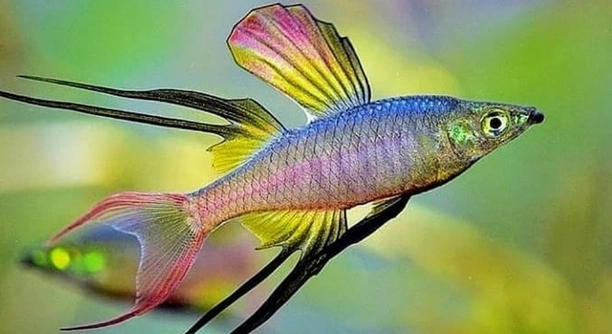
Do you ever find yourself watching your Threadfin Rainbowfish swim gracefully and wonder if they recognize you? Observing their behavior can be both calming and intriguing as you start noticing small patterns in their actions.
Threadfin Rainbowfish can gradually learn to trust their owners over time through consistent feeding routines, gentle interaction, and a stable environment. Trust develops slowly, and patience and careful observation are essential to foster positive relationships with these fish.
Understanding how their behavior changes can help you create a stronger bond. These subtle interactions are important for building a more harmonious aquarium experience.
Understanding Threadfin Rainbowfish Behavior
Threadfin Rainbowfish are naturally curious but cautious creatures. They observe their environment and respond to movement, light, and changes in their tank. At first, they may hide when you approach, swimming to the back or under plants. Over time, consistent and calm presence can help them become less fearful. Watching their fins flare or bodies change color can indicate stress or comfort. Feeding at the same spot and time each day can also signal them that you are a safe presence. Some fish may come close during feeding, while others remain cautious, so patience is essential. Interacting too quickly or tapping the glass can startle them and slow trust-building. Small gestures, like gently placing food in the tank or slowly moving hands near the tank, teach them that humans are not a threat. Over weeks, you might notice more relaxed swimming and less sudden darting.
Observing their reactions daily is key to understanding their comfort levels and progress.
Recognizing subtle behavioral changes helps strengthen interaction. By noting patterns, like which areas of the tank they prefer, you can encourage exploration and positive engagement. Using slow, deliberate movements and keeping feeding routines consistent fosters trust. Over time, the fish may swim closer to the glass, follow your hand slightly, or remain calm during tank maintenance. Stressful actions, such as sudden lights or loud noises, can set progress back. Each fish is different, so observing individual personalities matters. A patient approach ensures that they gradually associate you with safety, food, and routine, rather than unpredictability. This methodical process builds confidence, reduces stress, and encourages healthy social behavior within the tank.
Building Trust Through Interaction
Consistency is key when trying to gain a fish’s trust. Small, repeated actions make them feel secure.
Gentle, repeated interactions, like hand-feeding or slowly introducing objects, help Threadfin Rainbowfish associate humans with safety and care. Over months, they may come closer during feeding and explore more openly. Avoid sudden movements or tapping on the glass, as this can trigger fear. Some fish will never fully approach, but regular, calm interaction usually encourages reduced stress. Observing their reactions and adjusting your approach ensures interactions remain positive. This method strengthens comfort in their environment, reduces stress-related behaviors, and helps fish maintain overall health. Trust is built through patience, consistency, and attention to their responses. By maintaining steady routines, monitoring behavior, and responding gently, you create a setting that encourages natural curiosity and a gradual connection with your fish, enhancing both their well-being and your enjoyment of observing them.
Feeding Habits and Trust
Threadfin Rainbowfish respond quickly to consistent feeding routines. Feeding at the same time each day helps them recognize you as a source of food and safety. Over time, they may swim closer to the glass when you approach, showing growing trust.
Feeding should be measured and regular. Overfeeding can stress the fish and disrupt their natural behavior. Offering small portions encourages interaction and allows them to associate your presence with positive experiences. Observing how they approach food, whether cautiously or eagerly, provides insight into their comfort level. Using feeding as a gentle signal reinforces routine and trust. Different fish may show varying responses, so adjusting portions and timing to suit the group helps maintain balance.
Watching their reactions during feeding gives clues about their comfort and stress levels. Gentle hand-feeding or placing food in a predictable spot gradually increases familiarity. Repetition and patience are crucial. Over weeks, some fish may even follow your hand lightly or swim around more confidently. Avoid sudden movements that startle them, and maintain calm handling of tank maintenance. These small efforts create a reliable connection between your actions and their safety, making the aquarium a more harmonious space.
Tank Environment and Comfort
A stable tank with hiding spots and plants helps Threadfin Rainbowfish feel secure. Comfortable surroundings reduce stress and encourage exploration.
Maintaining water quality, proper temperature, and gentle filtration contributes to trust-building. Fish are more likely to interact when they feel safe and unthreatened. Clear water and consistent lighting help them recognize routines and your presence without fear. Decorations like plants, rocks, and shelters provide areas to retreat and observe. Adjusting the environment gradually rather than abruptly prevents stress. Each change should be monitored for reactions, as sudden disruptions can undo trust. Over time, a well-structured tank allows the fish to display natural behaviors and respond positively to gentle interaction, reinforcing confidence.
Gradual Interaction Techniques
Slow, gentle movements near the tank help Threadfin Rainbowfish adjust to your presence. Avoid sudden gestures that could startle them, and maintain calm body language consistently.
Offering food with tongs or placing it at the same spot each day encourages approach and reduces fear. Repetition builds familiarity, which is key for trust.
Observing Subtle Signals
Pay attention to fin movements, color changes, and swimming patterns. These subtle cues indicate stress, comfort, or curiosity. Understanding these signals allows you to respond appropriately and adjust interactions to foster trust over time.
Handling Tank Maintenance
Perform tank cleaning and maintenance calmly and slowly. Quick movements or loud noises can stress the fish, undermining trust. Consistent, gentle care ensures they remain comfortable in your presence.
Recognizing Individual Differences
Each Threadfin Rainbowfish has its own personality and comfort level. Respecting these differences is essential. Some may approach quickly, while others need weeks to adjust. Adjust interaction methods accordingly to meet each fish’s needs.
FAQ
How long does it take for Threadfin Rainbowfish to trust you?
Trust develops gradually and varies with each fish. Some may start showing signs of comfort within a few weeks of consistent feeding and gentle presence. Others may take several months, especially if they were previously stressed or shy. Daily observation and calm interaction accelerate the process.
Can I touch my Threadfin Rainbowfish?
Direct touching is not recommended. These fish are delicate, and sudden contact can cause stress or injury. Instead, use slow hand movements near the tank or feed them with tools like tongs. Trust grows when your presence is associated with safety rather than handling.
Does feeding frequency affect trust?
Yes, consistent feeding routines are essential. Offering food at the same time and place each day signals reliability. Avoid overfeeding, as it can cause health problems and reduce the fish’s natural curiosity. Small, measured portions work best to encourage positive interaction.
Will all fish respond the same way to interaction?
No, each fish has a unique personality. Some are naturally curious and may approach quickly, while others are cautious and may stay hidden. Observing individual behavior and adjusting your approach ensures that each fish feels secure and gradually comfortable.
Can stressful tank conditions impact trust?
Absolutely. Poor water quality, sudden temperature changes, and excessive noise can increase fear and reduce interaction. A stable tank environment with clean water, proper temperature, and quiet surroundings allows fish to focus on their natural behaviors and respond positively to your presence.
Is it possible for fish to lose trust after gaining it?
Yes, sudden disturbances or rough handling can reverse progress. Consistency and calm interactions are key. If trust is lost, return to gentle routines, predictable feeding, and patient observation. Most fish will gradually regain confidence with steady care.
How do I know if my fish are comfortable around me?
Signs include swimming closer to your hand, exploring the tank without fear, and feeding calmly in your presence. Relaxed fins, normal coloration, and steady swimming patterns also indicate comfort. Monitoring these subtle cues helps gauge trust levels over time.
Should I change feeding methods as trust builds?
Gradual adjustments can be made, like offering food from different locations or hand-feeding with slow movements. Changes should remain predictable and calm to prevent stress. Incremental variation keeps interactions engaging while reinforcing the connection between safety and your presence.
Can other tank mates affect trust-building?
Yes, more active or aggressive species can increase stress, slowing trust development. Providing adequate hiding spots, plants, and gentle tank mates helps Threadfin Rainbowfish feel secure. Observing how they interact with other fish allows you to adjust the environment for better comfort and engagement.
Are there long-term benefits to building trust with Threadfin Rainbowfish?
Trust reduces stress, encourages natural behavior, and allows for easier monitoring of health. Fish that feel safe are more likely to eat properly, display vibrant colors, and explore their environment. Patience and consistent care create a more harmonious and enjoyable aquarium experience.
Can trust influence breeding behavior?
Yes, when fish feel secure, they are more likely to engage in natural behaviors, including breeding. A stress-free environment and gentle interaction support reproductive health and increase the likelihood of observing normal social behaviors within the tank.
How can I maintain trust over time?
Consistency, calm movements, and predictable routines are essential. Continue observing individual behaviors, provide clean water and a safe environment, and avoid sudden changes. Regular, gentle interaction helps sustain trust and promotes long-term well-being.
Is there a way to speed up trust-building?
Patience is always key, but small steps help. Use predictable feeding times, limit stressful stimuli, provide hiding spots, and move slowly around the tank. Avoid abrupt handling or tapping. Gradual exposure combined with positive reinforcement encourages faster, safer trust development.
Do young fish trust faster than older fish?
Younger Threadfin Rainbowfish may adapt more quickly to human presence because they are less set in their habits. Older fish may require more time to adjust, especially if they have experienced stress or frequent changes. Respecting age differences ensures better interaction for all fish.
Can visual or auditory cues help in trust-building?
Yes, gentle cues like slow hand movement or soft, consistent noises (like tapping lightly near feeding time) can help them recognize routines. Repetition and predictability make the environment more comfortable and strengthen associations with safety.
Are there common mistakes to avoid when building trust?
Common errors include sudden movements, inconsistent feeding, loud noises, and overcrowding the tank. Ignoring subtle stress signals also slows progress. Paying attention to reactions and adjusting your approach maintains a calm, predictable environment that encourages trust.
Does tank decoration impact trust development?
Decorations like plants, rocks, and shelters provide security and observation points. Fish that feel safe are more likely to approach humans and explore. A well-structured tank supports both trust-building and natural behavior, reducing fear responses and stress-related activity.
How do I deal with shy fish that rarely approach?
Patience and observation are critical. Allow shy fish to explore their environment at their own pace. Maintain feeding routines, avoid sudden interactions, and provide plenty of hiding spots. Gradual exposure, over weeks or months, encourages cautious fish to feel safe and build trust.
Can interaction with humans improve overall fish health?
Yes, when fish are less stressed, they eat properly, maintain vibrant colors, and engage in natural behaviors. Calm, consistent interaction creates a healthier environment, reduces susceptibility to disease, and supports a more active, balanced aquarium ecosystem.
Final Thoughts
Building trust with Threadfin Rainbowfish is a slow and careful process. These fish are naturally cautious, and expecting them to approach quickly can lead to frustration. Observing their behavior closely is essential for understanding how they respond to your presence. Subtle cues like fin movement, swimming patterns, or color changes reveal whether they feel comfortable or stressed. By noticing these signs, you can adjust your actions to create a calm and predictable environment. Consistency in daily routines, such as feeding at the same time and placing food in familiar spots, helps them associate you with safety. Over time, you may notice small changes, like fish swimming closer to the glass or following your hand slightly, which are signs of growing trust. Patience is critical, and progress may be slow, but every small step matters in establishing a positive relationship between you and your fish.
Creating a supportive tank environment is just as important as your personal interaction. Threadfin Rainbowfish feel safer when there are hiding spots, plants, and gentle water movement. A stable environment reduces stress, which is essential for trust-building. Sudden changes in lighting, temperature, or water conditions can undo progress and cause fear. Regular maintenance should be done calmly and slowly to avoid startling the fish. Watching how they respond to minor adjustments helps ensure that the tank remains a comfortable space. Providing structure and safety encourages them to explore and engage in natural behaviors, which makes interactions more rewarding. Each fish is different, and some may take longer to feel comfortable, but respecting their needs and providing a predictable environment allows them to gradually build confidence. Over weeks and months, your consistent care and calm presence become familiar and reassuring.
Trusting interactions also improve the overall health and well-being of your fish. Fish that feel secure are more likely to eat properly, maintain vibrant coloration, and engage in active swimming and social behavior. Reducing stress through gentle, predictable care decreases the risk of illness and supports a longer, healthier life. Gradual hand-feeding, observing reactions, and providing a safe, stable environment reinforce positive associations with your presence. While not all Threadfin Rainbowfish will become bold or approach quickly, even small signs of comfort indicate progress. Building trust is a rewarding experience, showing that patience, consistency, and attention to behavior can create a calmer, healthier aquarium environment for your fish while making the process of observing and caring for them more enjoyable.

Hello,
If you enjoy the content that we create, please consider saying a "Thank You!" by leaving a tip.
Every little bit helps us continue crafting quality advice that supports the health, happiness, and well-being of pets around the world, for pets of all shapes, sizes, and species.
We really appreciate the kindness and support that you show us!