
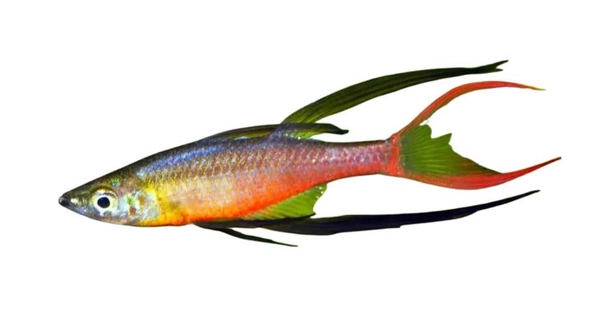
Have you ever tried breeding Threadfin Rainbowfish only to feel confused by all the mixed advice floating around online? Many hobbyists share this struggle when myths and misunderstandings make the process seem more complicated than it truly is.
Most breeding myths about Threadfin Rainbowfish stem from misinterpretations of their delicate nature and environmental needs. When provided with proper water conditions, diet, and tank setup, these fish breed successfully without requiring overly complex or stressful conditions.
Understanding the truth behind these myths can help you create a calm, balanced environment where your Threadfin Rainbowfish can thrive and reproduce naturally.
Myth 1: Threadfin Rainbowfish Are Too Fragile to Breed in Home Aquariums
Many believe Threadfin Rainbowfish are too delicate to breed outside professional setups, but this idea is misleading. While they are sensitive to poor conditions, breeding them successfully at home is entirely possible with consistency and care. Their fragility often stems from sudden changes in water quality, temperature, or lighting, rather than their actual breeding nature. With stable water parameters—soft, slightly acidic water around 78°F—and live plants for egg scattering, these fish can spawn regularly. A well-balanced diet of live or frozen foods encourages spawning and strengthens their overall health. Breeding these fish becomes far less intimidating once their needs are understood.
Their fragile reputation mostly comes from improper acclimation or inconsistent maintenance. In truth, Threadfin Rainbowfish are adaptable once settled and can reproduce frequently when their surroundings remain calm and stable.
Watching them breed naturally in your care creates a rewarding sense of balance and gentle satisfaction.
Myth 2: Threadfin Rainbowfish Need Large Tanks to Spawn
Many assume Threadfin Rainbowfish require large aquariums to breed successfully. In reality, these fish are comfortable spawning in smaller, well-maintained tanks, as long as water quality and environmental stability are prioritized.
A breeding tank of about 10 gallons, planted with fine-leaved vegetation like Java moss, is often enough to support a small breeding group. The key lies in keeping the tank clean, well-oxygenated, and free of aggressive tank mates. Threadfin Rainbowfish scatter their eggs among the plants, and the adults may eat them if not separated afterward. Using a spawning mop or gently removing the adults after spawning helps protect the eggs. Within a few days, the tiny fry hatch and require infusoria or liquid fry food to grow. Maintaining steady water temperature and dim lighting encourages natural behavior. With patience and attention, breeding these graceful fish can be simple and deeply satisfying, even in modest aquarium setups.
Myth 3: Threadfin Rainbowfish Only Breed in Pairs
Threadfin Rainbowfish do not rely on strict pairing for breeding. They thrive and spawn more actively in small groups where males can display to multiple females, encouraging more frequent and successful egg scattering.
Keeping a ratio of two males for every three females promotes a balanced dynamic in the tank. Males show brighter colors and engage in gentle displays to attract females, stimulating spawning behavior. This group setting reduces stress and competition while increasing the chances of fertilized eggs. Unlike some species that form monogamous pairs, Threadfin Rainbowfish are social and respond better to community breeding setups. Properly monitoring their behavior helps ensure eggs are scattered safely among plants without overexerting the females.
When allowed to breed naturally in groups, their interactions appear calm and coordinated. It creates a more natural rhythm that reflects their wild breeding behavior, making the experience both relaxing and visually captivating.
Myth 4: Threadfin Rainbowfish Require Expensive Equipment to Breed
Breeding Threadfin Rainbowfish does not demand costly or complex equipment. Most successful breeders use basic tools—a small heater, sponge filter, and live plants. What truly matters is stable water conditions and gentle filtration that mimics their calm natural habitats.
Many expensive gadgets marketed for breeding are unnecessary. A reliable water test kit, proper lighting, and live plants provide the best foundation. Plants like Java moss or Hornwort give the fish a place to scatter eggs and offer cover for fry once they hatch. Instead of relying on artificial breeding boxes or automated systems, focus on consistency—regular water changes, gentle currents, and nutrient-rich food. These simple practices lead to healthier fish and higher fry survival rates. Breeding Threadfin Rainbowfish should feel approachable, not expensive, allowing anyone with patience and attention to succeed.
Myth 5: Threadfin Rainbowfish Need Special Breeding Hormones
Threadfin Rainbowfish do not require any form of breeding hormones or chemical stimulants. Their natural instincts are strong, and with the right environment, they will spawn willingly without outside interference or artificial treatments.
Using hormones can cause unnecessary stress and even harm their health. A peaceful atmosphere, soft lighting, and high-quality live foods naturally encourage spawning behavior without affecting their well-being.
Myth 6: Fry Cannot Survive Without Expensive Food
Threadfin Rainbowfish fry can grow well on simple, accessible foods. Infusoria, powdered fry food, or boiled egg yolk water are enough for their early development stages, as long as feedings are frequent and consistent.
As the fry grow, introducing baby brine shrimp or microworms ensures they develop strong colors and healthy bodies. Maintaining clean water and stable temperature supports their growth far more than costly commercial fry diets.
Myth 7: Threadfin Rainbowfish Stop Breeding After One Spawn
Threadfin Rainbowfish continue breeding regularly when kept in ideal conditions. They do not stop after one spawn but can produce eggs multiple times a week if healthy and well-fed.
FAQ
How often do Threadfin Rainbowfish breed?
Threadfin Rainbowfish can breed several times a week under the right conditions. When they are well-fed and kept in a stable, clean tank, the females release eggs frequently. Males display bright colors and perform gentle courtship dances daily, signaling they are ready to spawn. The process usually happens in the morning, when the lighting is soft and the tank environment feels calm. Regular small water changes and nutritious live food, like daphnia or brine shrimp, encourage continuous spawning. Their breeding rhythm becomes natural and predictable once they feel safe and comfortable in their environment.
Do Threadfin Rainbowfish eat their eggs or fry?
Yes, adults often eat their own eggs and fry if not separated after spawning. This behavior is not aggression but rather instinctive, as they don’t guard their young in the wild. To prevent losses, it’s best to remove the parents once eggs are visible or move the eggs carefully to another small tank. Using dense plants or spawning mops helps protect eggs and gives fry a place to hide. This simple step can significantly increase the number of surviving young.
What water parameters are best for breeding?
The ideal water conditions for Threadfin Rainbowfish are soft, slightly acidic, and warm. A temperature around 78°F (25–26°C), pH between 6.0 and 7.0, and low hardness levels create a comfortable environment. Consistency matters more than perfection—sudden shifts can stress them and stop spawning. Gentle filtration through a sponge filter keeps the water clean without disturbing eggs or fry. These parameters closely mimic their natural habitats and promote successful breeding.
How long does it take for the eggs to hatch?
Threadfin Rainbowfish eggs usually hatch within three to five days, depending on temperature. Warmer conditions speed up development, while cooler water slows it slightly. Once hatched, the fry are tiny and almost transparent, needing very fine foods like infusoria or liquid fry food. Within a week, they start swimming more confidently and can be transitioned to larger foods. Maintaining stable temperature and gentle aeration during this time helps the fry survive and grow evenly.
What is the best lighting for breeding?
Soft, diffused lighting works best. Bright lights can stress Threadfin Rainbowfish and discourage spawning. Natural daylight or a dim aquarium light encourages a relaxed environment where males display their fins gracefully, and females feel safe enough to release eggs. Consistent light cycles—about 10 to 12 hours per day—help establish a natural rhythm. Avoid direct sunlight, as it can cause temperature fluctuations and algae buildup, both of which disrupt breeding behavior.
Can Threadfin Rainbowfish breed in community tanks?
They can, but success rates are lower in community tanks. Other fish may eat the eggs or disturb the spawning process. If you prefer to breed them in a shared space, include plenty of live plants or spawning mops for protection. Keeping the tank peaceful with calm tank mates improves your chances. However, for consistent results, setting up a small separate breeding tank is usually the best choice.
How can you tell if a female is ready to spawn?
A female ready to spawn looks slightly rounder around the belly and may stay close to plants or spawning mops. Males will begin displaying more often, fanning their fins and swimming in short bursts around her. When she feels comfortable, she will release small batches of eggs, which stick to fine plants or moss. These signs are subtle but become easy to recognize once you observe them regularly.
Do Threadfin Rainbowfish fry need a heater?
Yes, a heater helps maintain a consistent temperature, which is essential for fry survival. Even small temperature drops can slow growth or cause stress. A steady range of 78°F supports healthy metabolism and reduces the risk of disease. It’s important to use a reliable heater and thermometer to monitor conditions carefully.
What should be avoided during breeding?
Avoid large water changes, loud movements, or rearranging the tank when the fish are spawning. Stress can interrupt their breeding routine and cause them to stop producing eggs temporarily. Feeding too heavily can also foul the water, affecting egg survival. Keeping the environment calm and clean is the simplest way to ensure steady breeding.
How long before the fry reach adulthood?
Threadfin Rainbowfish fry usually take around three to four months to reach maturity. Growth depends on diet, water quality, and tank space. Consistent feeding with protein-rich foods and regular small water changes encourage steady development. Once mature, their fins and colors become more defined, showing the delicate beauty this species is known for. Watching them grow from tiny fry into graceful adults is a peaceful and satisfying experience.
Final Thoughts
Breeding Threadfin Rainbowfish can feel challenging at first, especially with so many myths surrounding their care. Once you understand their true nature, the process becomes simple, steady, and enjoyable. These fish are not fragile creatures that demand complex setups or expensive tools. They just need consistency, patience, and a calm environment. When the water is clean, the lighting is gentle, and their diet is balanced, Threadfin Rainbowfish respond by displaying their best colors and breeding naturally. Their behavior reflects how peaceful and cooperative they are, especially when given space to swim and interact. Watching them thrive under your care can bring a quiet sense of pride and calm, reminding you that breeding success often comes from understanding rather than force.
The myths about them being too delicate, needing hormones, or requiring large tanks have discouraged many hobbyists from trying. In truth, their needs are modest, and they adapt well when treated gently. Small tanks with soft water and fine plants are often enough to support both spawning and fry growth. These fish have a rhythm of their own, and once you create an environment that feels familiar to them, they reward you with natural breeding cycles. The key lies in maintaining balance—avoiding sudden changes, feeding quality food, and observing their behavior closely. By doing this, you begin to see that most myths come from misunderstanding, not reality. Each small success helps you gain confidence and appreciate the simplicity behind their beauty.
Taking time to understand their habits also brings you closer to the quiet rhythm of aquarium life. Breeding Threadfin Rainbowfish is not just about increasing numbers; it’s about creating a peaceful space where life unfolds naturally. Their shimmering fins, calm movements, and gentle courtship displays can turn even a small tank into a relaxing, living display of harmony. These fish remind us that patience often brings better results than quick fixes or artificial methods. When you give them steady care and attention, they respond with trust and vitality. Over time, you begin to see breeding not as a challenge but as a reflection of balance within your aquarium. In the end, learning the truth behind the myths not only helps your fish but also deepens your understanding of how simple and fulfilling aquarium keeping can truly be.

Hello,
If you enjoy the content that we create, please consider saying a "Thank You!" by leaving a tip.
Every little bit helps us continue crafting quality advice that supports the health, happiness, and well-being of pets around the world, for pets of all shapes, sizes, and species.
We really appreciate the kindness and support that you show us!