
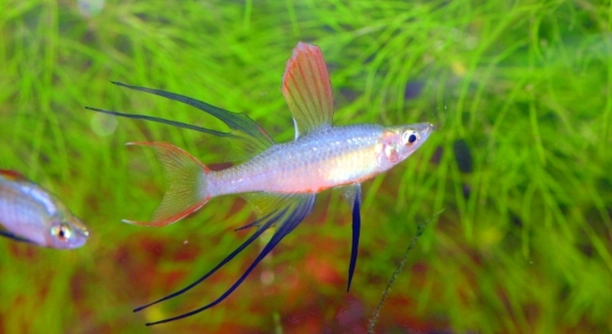
Do you ever notice your Threadfin Rainbowfish swimming in your tank, moving gracefully among plants and decorations? These small, colorful fish can brighten up any aquarium with their shimmering scales and lively movements throughout the day.
Threadfin Rainbowfish should not be kept in odd numbers, as they are schooling fish that rely on social structures to reduce stress and maintain natural behaviors. Even numbers provide a balanced hierarchy and promote overall well-being in captivity.
Understanding the right number to keep can improve both their health and activity levels, giving you a more harmonious and visually appealing aquarium environment.
Understanding Threadfin Rainbowfish Behavior
Threadfin Rainbowfish are naturally social creatures that thrive in groups. They feel safer and more confident when surrounded by companions, which allows them to swim freely and interact without showing signs of stress. Odd numbers can create tension, as one fish may feel left out or targeted. Stress can reduce their appetite and make them more prone to illness. Observing their interactions, you may notice that they stick closer to the group or hide more when there is an imbalance. Tank size also plays a role, as cramped spaces amplify aggressive behavior. Providing hiding spots and open swimming areas helps, but it cannot replace the need for proper group dynamics. Keeping an even number allows them to form pairs or balanced clusters, encouraging more natural behavior and reducing anxiety. Over time, you will see calmer, more active fish that display their full coloration and energy in a healthy environment.
Even numbers promote harmony, preventing one fish from becoming isolated or stressed in the tank.
Balancing the number of Threadfin Rainbowfish also affects breeding behavior. In an even group, males are less likely to dominate one female, reducing harassment and stress. Females can feed, rest, and interact without constant pressure. You may notice improved schooling, with the fish swimming in synchronized patterns that make the tank look more organized and lively. Maintaining an even number helps establish stable social hierarchies, so aggressive behavior is minimized and the fish appear more confident. Stress-related diseases decrease, and fish maintain stronger immune responses. By monitoring their numbers and interactions, you create a thriving tank where every fish has a role and space. This approach also allows for easier observation of natural behaviors, making care and maintenance more predictable and rewarding.
Adjusting Your Tank Setup
Small changes in tank layout can help support the social structure of Threadfin Rainbowfish.
Add plants, decorations, and open swimming spaces to reduce competition, while maintaining a consistent number of fish. Avoid sudden changes in group size, as this disrupts their social balance. Observing their daily routines helps you notice stress or discomfort early. A well-planned tank ensures each fish has space to feed and rest. Proper lighting and gentle filtration enhance their comfort, keeping them active and colorful. Adjusting water parameters gradually ensures all fish stay healthy and minimizes stress. By combining careful group management with an accommodating environment, even a small tank can support a lively, balanced school of Threadfin Rainbowfish.
Providing proper nutrition and consistent care is crucial to maintaining harmony. Regular feeding schedules with high-quality food, combined with clean water and stable temperature, ensure fish remain healthy. Odd numbers can magnify conflicts during feeding, so keeping even numbers ensures everyone gets enough nutrition. Tank size must match the number of fish, offering ample swimming room and hiding spots. Observing interactions allows you to identify and correct potential issues before they escalate. Balanced groupings, thoughtful layout, and attentive care collectively create a stable, low-stress environment where Threadfin Rainbowfish flourish, display their brightest colors, and maintain natural social behavior over time.
Tank Size and Schooling Needs
A larger tank allows Threadfin Rainbowfish to swim freely and maintain their social structure. Even numbers in a spacious tank reduce stress, encourage schooling, and minimize aggressive behavior, helping each fish feel secure and active throughout the day.
Providing adequate space is essential for healthy interactions. Crowded tanks can lead to fights and uneven access to food. A tank of at least 30 gallons is recommended for small schools, with larger setups needed for more fish. Plants and decorations create hiding spots and boundaries that reduce tension. Open areas allow synchronized swimming, which is natural for this species. Evenly spaced companions maintain balance, promoting calmer behavior. Observing movement patterns helps ensure that all fish are comfortable and engaged.
Tank size also affects breeding and energy levels. In too-small spaces, dominant fish can harass others, causing stress and reducing coloration. Larger environments allow males and females to interact naturally, feeding and resting without pressure. Proper schooling improves immune response and overall health. Adjusting the tank layout over time can support growth and social balance. Even numbers maintain harmony, preventing one fish from being singled out. Fish in a well-sized tank are more active, display better coloration, and exhibit natural behaviors, making care simpler and more rewarding.
Feeding and Nutrition
Even feeding routines help maintain calm among Threadfin Rainbowfish. Odd numbers can create competition and stress, while balanced groups allow equal access to food for all individuals.
High-quality flakes, pellets, and occasional live foods support growth and coloration. Feeding small amounts multiple times a day prevents overfeeding and ensures each fish receives nutrients. Observing fish during feeding shows which individuals may need more attention. Uneven access can weaken isolated fish, so even numbers help distribute competition fairly. Variety in diet supports energy and reduces stress, while stable water conditions prevent health issues. Proper feeding strengthens social bonds and keeps the school active.
Supplementing their diet with frozen or live foods encourages natural foraging and reduces boredom. Offering varied textures and nutrients helps maintain bright colors and healthy growth. Food should be evenly scattered to avoid dominant fish taking all of it. Observing their behavior during meals shows if the group is balanced. Small adjustments in feeding techniques can prevent conflicts and ensure calm interaction. Even numbers allow fish to establish fair routines, promoting better schooling and reducing stress. Regular monitoring and consistent nutrition improve long-term health and support natural behavior patterns, keeping the aquarium vibrant and peaceful.
Monitoring Social Dynamics
Even numbers of Threadfin Rainbowfish help maintain stable social interactions. Odd numbers can lead to stress for isolated fish or increased aggression, while balanced groups promote calm and natural schooling behavior throughout the tank.
Regular observation is key. Watch for chasing, hiding, or color fading, which can indicate tension. Adjusting group size or tank layout helps reduce conflict and supports healthier interactions.
Adjusting Group Sizes
Adding or removing fish should be done gradually. Sudden changes disrupt social hierarchies and can lead to stress or aggression. Introducing new fish in pairs helps maintain balance, while observing behavior ensures that no individual is left isolated or bullied. Careful planning supports harmonious schooling.
Maintaining Water Quality
Clean water is essential for Threadfin Rainbowfish. Regular filtration, partial water changes, and stable parameters reduce stress and prevent disease, helping fish maintain health and bright coloration in their tank.
FAQ
How many Threadfin Rainbowfish should I keep together?
Threadfin Rainbowfish are schooling fish, so keeping them in even numbers is best. A minimum of four is recommended, but six or eight provides a more stable social structure. Even numbers prevent one fish from feeling isolated, reducing stress and aggressive behavior. Observing how they interact can help you determine if the group size is suitable.
Can I mix odd numbers if I have a large tank?
Even in larger tanks, odd numbers can create tension within the school. Some fish may feel left out or dominated, which can lead to hiding, reduced feeding, and duller coloration. Maintaining even numbers ensures everyone has a balanced place in the social hierarchy, regardless of tank size.
What are signs of stress in Threadfin Rainbowfish?
Stress can show in several ways. Fading colors, erratic swimming, hiding, and reduced appetite are common indicators. Odd-numbered groups increase stress risks because one fish may be consistently isolated or chased. Monitoring daily behavior helps catch problems early before they affect overall health.
How does tank layout affect schooling behavior?
Plants, decorations, and open swimming spaces are crucial. They allow fish to form clusters without constant confrontation. Odd numbers combined with poor layouts can worsen stress and aggression. Even-numbered schools navigate the environment more confidently, using hiding spots and open areas without conflicts.
Does feeding affect social harmony?
Yes. Uneven feeding can worsen tensions, especially in odd-numbered groups. Dominant fish may monopolize food, leaving others hungry and stressed. Feeding small amounts multiple times daily and scattering food ensures that every fish eats. Even numbers help distribute competition fairly. Variety in diet keeps fish active and healthy.
Are Threadfin Rainbowfish aggressive?
They are generally peaceful but can show aggression if group balance is off. Odd-numbered schools or overcrowded tanks increase the likelihood of chasing and minor conflicts. Even-numbered groups reduce stress, allowing calmer interactions and more natural schooling patterns.
How do I introduce new fish to an existing school?
Introduce them in pairs rather than singly. This maintains even numbers and helps avoid isolation of the newcomer. Gradually acclimate them to water conditions and observe interactions. Minor chasing is normal initially, but it should not escalate into consistent aggression.
What tank size is suitable for Threadfin Rainbowfish?
A minimum of 30 gallons is recommended for a small school of four to six fish. Larger schools require proportionally larger tanks to ensure free swimming and reduce stress. Even numbers in a properly sized tank encourage natural schooling, better coloration, and healthier behavior.
Can odd numbers affect breeding?
Yes. Odd-numbered groups can cause males to dominate a single female, increasing stress and reducing breeding success. Even numbers allow more balanced interactions, so females can feed, rest, and participate without constant harassment. Proper schooling improves reproductive behavior and overall health.
How often should water be changed?
Regular partial water changes, about 20–25% weekly, help maintain water quality. Stable parameters support balanced social interactions and reduce stress. Even numbers in a clean environment allow Threadfin Rainbowfish to thrive, display bright colors, and behave naturally.
Can I keep other fish with Threadfin Rainbowfish?
Yes, peaceful tank mates work best. Aggressive species can disrupt schooling behavior and increase stress. Even numbers of Threadfin Rainbowfish are more resilient in mixed tanks, as balanced groups help each fish feel secure and maintain natural social patterns.
What is the best diet for Threadfin Rainbowfish?
A mix of high-quality flakes, pellets, and occasional live or frozen foods supports coloration and energy. Even numbers reduce competition for food, helping all fish get sufficient nutrients. Feeding several small portions daily ensures every fish stays healthy and active.
How long do Threadfin Rainbowfish live in captivity?
With proper care, clean water, balanced diet, and stable social groups, they can live up to 5–6 years. Even-numbered schools reduce stress-related illnesses, supporting longevity and natural behavior in the aquarium.
How can I tell if my group is balanced?
Watch for equal swimming participation, synchronized schooling, and active feeding. Minimal chasing and consistent color brightness indicate a balanced, stress-free group. Even numbers make it easier to maintain harmony, as no fish is left isolated or dominated.
This FAQ provides practical guidance for keeping Threadfin Rainbowfish healthy and happy while emphasizing the importance of even numbers in maintaining social balance and reducing stress.
Final Thoughts
Threadfin Rainbowfish are small, colorful fish that can bring life to any aquarium. Their natural behavior relies heavily on social interactions, making it important to consider the number of fish kept together. Even numbers are generally recommended because they create a balanced environment where every fish has a role in the school. When fish are kept in odd numbers, one individual may feel isolated or become the target of minor aggression. This can affect their overall well-being, leading to stress, hiding, or reduced feeding. Observing your fish regularly will help you notice signs of discomfort early and make adjustments before problems worsen. Simple measures, like maintaining a proper group size and arranging the tank thoughtfully, go a long way in ensuring that your Rainbowfish remain active, healthy, and colorful.
Tank setup plays a significant role in maintaining a calm and balanced school. Open swimming areas, hiding spots, and plants help fish interact naturally without constant conflict. Even in a larger tank, odd numbers can still lead to stress because the social hierarchy may feel unbalanced. Fish in balanced groups swim more confidently, show off their full coloration, and spend more time engaging in natural behaviors like synchronized schooling and feeding. Feeding routines are also easier to manage in even-numbered groups, as there is less competition for food, and all individuals have a fair chance to eat. Small adjustments in tank layout, water quality, and feeding schedules can have a big impact on the comfort and health of your fish. Paying attention to these details allows you to create a thriving environment where your Rainbowfish can flourish.
Ultimately, keeping Threadfin Rainbowfish in even numbers is a practical way to support their social and physical needs. While it may seem like a small detail, group size affects everything from stress levels and coloration to feeding and breeding behavior. Balanced schools create a calmer, more harmonious aquarium, which benefits both the fish and the caretaker. Monitoring behavior, providing proper nutrition, maintaining water quality, and offering a well-planned tank layout all contribute to a stable environment. Over time, even-numbered groups display stronger immune responses, natural behaviors, and more vibrant colors, making them easier to care for and more enjoyable to watch. Prioritizing these aspects ensures that your Threadfin Rainbowfish remain healthy, active, and visually appealing, giving you a rewarding and long-lasting experience as a fish keeper.

Hello,
If you enjoy the content that we create, please consider saying a "Thank You!" by leaving a tip.
Every little bit helps us continue crafting quality advice that supports the health, happiness, and well-being of pets around the world, for pets of all shapes, sizes, and species.
We really appreciate the kindness and support that you show us!