
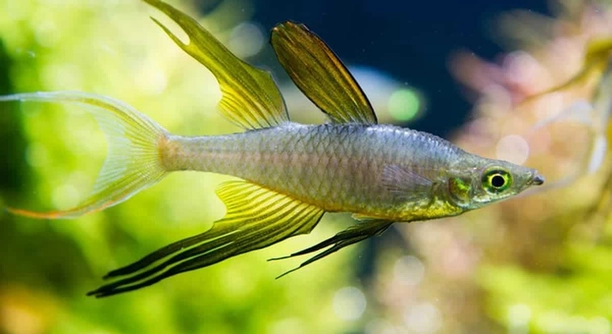
Do your threadfin fish seem uneasy or act differently when sharing their tank with other species? Their behavior may be revealing much more than it appears, showing signs of stress or discomfort toward their surroundings.
When threadfins dislike their tankmates, they often display avoidance behaviors such as hiding, reduced activity, or aggression. These reactions stem from territorial stress, incompatible water conditions, or mismatched temperaments among the fish sharing the same aquarium.
Recognizing these subtle cues can help maintain a peaceful and healthy aquatic environment where your threadfins feel safe and content alongside their companions.
Recognizing the Signs of Discomfort
Threadfins can be graceful yet sensitive fish that quickly react to uncomfortable tank conditions. When they feel uneasy around tankmates, their behavior changes noticeably. You might see them hiding behind plants, hovering near the surface, or refusing to eat. These signs often indicate they feel threatened or overstressed. Threadfins thrive in calm, stable environments, so sudden movements or aggressive fish can easily disturb them. Incompatible tankmates may nip their fins or chase them, making them retreat to quieter spaces. Observing their behavior closely helps identify stress before it escalates into illness or prolonged aggression.
A peaceful threadfin will move freely, display bright colors, and show curiosity. When their colors fade or they isolate themselves, it’s a clear sign of discomfort. Paying attention to these subtle signals helps you make quick adjustments and restore balance in the tank.
Maintaining a stable temperature, ensuring proper filtration, and providing plenty of hiding spaces are key steps to reducing tension. Threadfins also prefer soft lighting and gentle currents that mimic their natural habitat. These details may seem small but can greatly impact their well-being. When their surroundings feel safe, threadfins regain their calm, interact more confidently, and display their natural beauty again. A stress-free tank allows them to thrive peacefully among compatible companions.
Choosing Compatible Tankmates
Threadfins coexist best with peaceful, non-aggressive species that share similar water requirements. Their delicate nature makes them unsuitable for crowded tanks or species known to chase or bite fins. Harmony depends on temperament, space, and environmental stability.
When selecting tankmates, choose species like rasboras, small tetras, or gentle corydoras. These fish generally share the same calm behavior and prefer similar water parameters, reducing competition and tension. Avoid fast-moving or territorial fish that may intimidate threadfins. Providing a spacious aquarium with live plants and open swimming areas also prevents stress and territorial conflicts. Balanced feeding routines and consistent maintenance help maintain good water quality, which supports positive interactions. Threadfins thrive when surrounded by fish that respect their space and rhythm. With proper attention and thoughtful selection, your aquarium can become a serene and beautiful habitat where threadfins feel at ease, displaying their graceful movements without fear or disruption.
Creating a Peaceful Tank Environment
A calm environment helps threadfins feel secure and display their best behavior. Their surroundings should support relaxation, with gentle water flow, balanced lighting, and clean, stable water conditions that mimic their natural habitats.
To create balance, start with adequate space and natural décor. Plants such as java fern or hornwort provide shade and shelter while helping reduce aggression. Floating plants can soften lighting and offer a sense of security. Keep the water temperature between 75–82°F and maintain a slightly acidic to neutral pH. Stable water conditions prevent sudden changes that can upset threadfins. Regular water testing and partial water changes are important to keep everything balanced. A calm, steady environment reduces tension and encourages natural swimming patterns. Over time, threadfins become more active, showing healthy colors and a peaceful temperament among their companions.
Small adjustments often make a significant difference in keeping threadfins comfortable. Avoid loud noises or bright lighting near the aquarium. Sudden shadows or vibrations can easily startle them. Using gentle filtration helps maintain clear water without strong currents. When threadfins feel calm, they explore more freely, eat regularly, and interact without aggression. This sense of balance supports their health and brings out their vibrant appearance in a peaceful aquatic setting.
Handling Aggression and Stress
Aggression and stress can appear suddenly in threadfins when tank dynamics shift. Recognizing early warning signs and acting quickly prevents injuries and long-term behavioral problems.
If aggression occurs, isolate the stressed fish temporarily or rearrange tank decorations to reset territories. Adding more plants and hiding spots can break lines of sight, helping reduce tension. Avoid overcrowding, as limited space increases competition and stress. Monitor feeding habits, since hungry fish may become aggressive. Consistent maintenance and balanced water conditions also play a role in keeping behavior stable. Sometimes, replacing incompatible tankmates is necessary for the well-being of all fish. A calm tank environment encourages recovery and restores balance. Providing care and attention ensures your threadfins remain healthy, peaceful, and vibrant without constant conflict.
Adjusting Tank Conditions
Changing the tank setup can quickly ease tension between threadfins and their companions. Slight adjustments like rearranging decorations or adding plants help reduce territorial behavior and create new spaces for each fish to explore peacefully.
Water quality also influences behavior. Regular testing ensures pH, ammonia, and nitrate levels remain stable. Consistency prevents stress caused by sudden fluctuations. A clean, balanced tank keeps threadfins healthy and calm, promoting smoother interactions with other fish. Small but consistent maintenance makes a noticeable difference in their comfort and overall well-being.
Feeding and Routine Care
Feeding threadfins properly helps prevent aggression during mealtimes. Provide small, frequent meals with varied foods such as flakes, frozen daphnia, or brine shrimp. Distribute food evenly across the tank so all fish eat without competition. Establishing a consistent feeding schedule reduces stress and promotes better digestion.
Observing Behavioral Changes
Watching threadfins daily helps detect problems early. Subtle shifts in movement, color, or appetite often signal stress or illness. Quick action—like checking water quality or tankmate behavior—keeps small issues from growing worse and helps maintain long-term harmony in the aquarium.
FAQ
Why do threadfins hide from their tankmates?
Threadfins hide when they feel stressed, threatened, or uncomfortable with other fish. This behavior is a natural response to avoid confrontation. It can also indicate that their surroundings are too bright, water conditions are unstable, or the tank is overcrowded. Hiding helps them conserve energy while reducing the risk of injury.
Can threadfins be aggressive toward other fish?
Yes, although they are generally peaceful, threadfins can show aggression if stressed or confined. Territorial disputes, competition for food, or incompatible tankmates can trigger chasing or nipping. Providing ample space, hiding spots, and calm companions helps minimize aggressive behavior.
How can I tell if my threadfins are stressed?
Signs of stress include faded colors, reduced activity, loss of appetite, hiding, or erratic swimming. Frequent hiding or constant movement near the surface may also indicate discomfort. Monitoring these behaviors helps detect stress early and allows for timely interventions.
What tankmates are best for threadfins?
Peaceful species that share similar water requirements, such as small tetras, rasboras, or gentle corydoras, are ideal. Avoid fast, aggressive, or territorial fish that may chase or intimidate threadfins. Proper tank size, hiding spots, and compatible behaviors create a harmonious environment.
How should I arrange the tank for threadfins?
Provide open swimming areas combined with plenty of hiding spots using plants, driftwood, or rocks. Rearranging decorations occasionally can reduce territorial disputes. Floating plants help soften lighting and create additional cover, making the environment feel safer and less stressful.
How often should I feed threadfins?
Feed small, frequent meals instead of one large portion. Offer a mix of high-quality flakes, frozen foods, and live foods like brine shrimp. Distribute food evenly to prevent competition and aggression, ensuring all fish receive adequate nutrition.
Do water conditions affect threadfin behavior?
Yes, unstable water parameters can lead to stress, hiding, or aggression. Keep the temperature between 75–82°F, maintain slightly acidic to neutral pH, and regularly test ammonia, nitrate, and nitrite levels. Consistent filtration and partial water changes maintain stable conditions that support healthy behavior.
What should I do if aggression persists?
Consider temporarily isolating the aggressive fish or rearranging tank decorations to create new territories. If aggression continues, you may need to separate incompatible tankmates permanently. Consistent observation and proactive management prevent injuries and reduce long-term stress.
Are threadfins affected by overcrowding?
Overcrowding increases stress, competition for food, and territorial disputes. Ensure sufficient tank size for all inhabitants and provide hiding places. A spacious environment allows threadfins to swim freely, maintain proper behavior, and coexist peacefully with other fish.
How long does it take for threadfins to adjust to new tankmates?
Adjustment periods vary depending on the individual fish and the tank setup. Typically, threadfins may take several days to a few weeks to feel comfortable. Providing adequate hiding spots, consistent feeding, and calm companions helps speed up adaptation and reduce stress.
Can stress affect threadfin health?
Prolonged stress weakens the immune system, making threadfins more susceptible to disease. Maintaining stable water conditions, proper nutrition, and compatible tankmates is crucial for preventing health issues linked to stress. Regular observation allows early intervention to maintain their well-being.
Is it normal for threadfins to swim at the surface when stressed?
Yes, surface swimming can indicate stress, oxygen shortage, or discomfort. Ensuring proper aeration, maintaining water quality, and providing hiding spaces can help threadfins feel secure and return to normal swimming patterns.
How do I know if a tankmate is causing stress?
Observe interactions closely. If your threadfin consistently hides, changes color, or avoids a specific fish, that tankmate may be the source of stress. Adjusting the environment or removing the incompatible fish can restore harmony.
Can environmental enrichment reduce stress in threadfins?
Yes, adding plants, rocks, driftwood, and varied terrain gives threadfins choices for shelter and exploration. This reduces boredom, prevents aggression, and encourages natural behaviors, keeping them calm and engaged in a balanced habitat.
What is the first step if my threadfin shows signs of stress?
Check water quality, temperature, and pH first, as these are the most common causes of discomfort. Ensure the tank is clean and properly maintained. Observe interactions with tankmates and adjust decorations or isolation if needed to relieve stress.
How important is consistent observation?
Daily observation helps detect early signs of stress, illness, or aggression. Even small behavioral changes can indicate larger problems. Acting promptly allows you to make environmental adjustments, manage tankmates, or address health concerns before they escalate.
Can threadfins live happily with other species long-term?
Yes, with proper planning and management. Choosing compatible species, maintaining stable water conditions, providing adequate space, and monitoring behavior ensures threadfins can coexist peacefully and display natural behaviors in a shared tank over time.
How do I introduce new tankmates without causing stress?
Acclimate new fish slowly, ensuring they match the water parameters of the existing tank. Use a quarantine or floating bag method initially to allow gradual observation. Introduce them in a neutral area with ample hiding spots to prevent territorial disputes.
Is it necessary to adjust lighting for threadfins?
Moderate lighting reduces stress and encourages natural behavior. Avoid overly bright or flickering lights, which can startle threadfins. Floating or tall plants can help diffuse light and provide shaded areas for comfort.
What signs indicate my tank setup is successful for threadfins?
Active swimming, vibrant coloration, regular feeding, and calm interactions with tankmates show that the environment supports threadfin well-being. Minimal hiding, low aggression, and stable water conditions confirm a balanced and peaceful tank setup.
This FAQ provides clear guidance for managing threadfin behavior, stress, and tankmate interactions, ensuring a stable and healthy aquarium environment.
Threadfins are delicate and sensitive fish that respond quickly to their surroundings. Their behavior often reflects how comfortable they feel with their tankmates and the environment around them. Observing them carefully can reveal whether they are stressed, content, or struggling to adapt. Signs like hiding, faded colors, or reduced activity are clear indicators that adjustments may be necessary. It is important to pay attention to these cues early to prevent prolonged stress or aggressive incidents. A calm and stable environment supports their natural behaviors and helps them thrive.
Creating the right tank conditions is essential for the health and well-being of threadfins. Maintaining consistent water parameters, such as temperature, pH, and ammonia levels, reduces stress and promotes healthy interactions. Providing hiding spots, plants, and open swimming areas allows threadfins to feel secure while giving them freedom to explore. Proper feeding routines, including small, frequent meals with varied foods, also contribute to their overall comfort. Additionally, choosing compatible tankmates helps prevent aggression and territorial disputes. With careful planning and observation, threadfins can coexist peacefully and display their full range of natural behaviors.
Threadfins may take time to adjust to new tankmates or changes in their environment, but patience and consistent care make a significant difference. Small adjustments, like rearranging decorations or adding floating plants, can improve their sense of security. Monitoring their behavior daily helps catch problems early and allows for prompt solutions. Over time, a balanced environment fosters calm interactions, vibrant colors, and active swimming. With attention to detail and understanding of their needs, threadfins can live comfortably and harmoniously in a shared aquarium, offering both visual appeal and a healthy, peaceful aquatic community.

Hello,
If you enjoy the content that we create, please consider saying a "Thank You!" by leaving a tip.
Every little bit helps us continue crafting quality advice that supports the health, happiness, and well-being of pets around the world, for pets of all shapes, sizes, and species.
We really appreciate the kindness and support that you show us!