
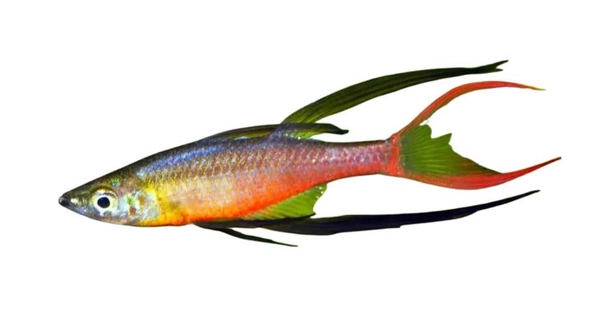
Do you enjoy keeping a peaceful aquarium but notice your threadfin rainbowfish often hide when the tank feels too busy or bright? Observing these timid fish can be a challenge, especially when they vanish from sight.
The most effective hiding spots for timid threadfin rainbowfish include dense plants, rock crevices, driftwood overhangs, floating vegetation, leaf litter, caves, and artificial shelters. These locations provide safety, reduce stress, and encourage natural behavior within the aquarium environment.
Providing these safe areas will help your rainbowfish feel secure, encouraging healthier activity and interactions within their aquatic habitat.
Dense Plants
Dense plants are one of the most reliable hiding spots for threadfin rainbowfish. Tall stems, thick leaves, and bushy clusters give fish a place to feel safe while staying partially hidden. Plants like Java fern, hornwort, and water wisteria create vertical and horizontal coverage, allowing rainbowfish to weave between them. The plants not only provide shelter but also help reduce stress by softening strong currents and diffusing light. Threadfin rainbowfish naturally prefer areas where they can dart quickly and stay out of sight from perceived threats. Including both fast-growing and slower-growing plants creates layers of protection, mimicking their natural habitats. Maintenance is simple: trimming overgrown sections keeps water circulation stable and prevents dead plant matter from accumulating. The combination of dense roots and leaves also provides surfaces for beneficial microorganisms, supporting overall tank health. Adding floating plants enhances the effect by offering overhead coverage, which creates an environment that feels secure. Observing rainbowfish in such planted areas often reveals more natural swimming patterns and calmer behavior.
Dense plants not only hide your rainbowfish but also improve oxygen levels and reduce algae growth, creating a healthier aquarium environment overall.
The placement of dense plants should consider both aesthetics and functionality. Tall plants in the back or corners create depth, while mid-height clusters offer mid-tank hiding zones. Ground-cover plants like dwarf sagittarius or mosses can give smaller fish or juveniles extra shelter. Floating plants like duckweed or water lettuce help diffuse light and reduce stress for more timid individuals. When combining different plant types, ensure there are clear swimming paths, so fish can navigate without obstruction. Periodically check for decaying leaves, as they can affect water quality. Introducing plants gradually allows your fish to adapt, observing which areas they prefer most. Over time, you may notice patterns where certain fish favor specific plant types. This insight can guide future planting or rearranging of the tank to optimize comfort and reduce stress. Ultimately, dense plants offer both safety and aesthetic appeal, enhancing the overall environment for your rainbowfish while supporting the tank’s ecological balance.
Rock Crevices
Rock crevices provide narrow, secure spaces that timid rainbowfish love. Small gaps and overhangs mimic natural riverbeds and give a sense of protection.
Arranging rocks in layers creates multiple hiding spots while still allowing swimming space. Rounded stones reduce injury risk and stabilize the structure.
When placing rocks, consider stability and fish access. Avoid stacking rocks too high, which can collapse and harm fish. Curved rocks with small gaps encourage exploration, letting fish dart in and out quickly. Combining rocks with sand or fine gravel enhances hiding efficiency, as fish can partially bury themselves or rest near the edges. Some aquarists incorporate small caves or hollow stones, providing permanent secure spots. Varying sizes of crevices accommodate different fish sizes and reduce competition for space. Positioning rocks near planted areas or under floating plants can increase security, offering both overhead and side coverage. Observation often reveals that rainbowfish return to the same crevices when feeling stressed, showing their preference for reliable hiding locations. Properly arranged rock formations balance safety and naturalistic aesthetics while promoting healthy, low-stress behavior.
Driftwood Overhangs
Driftwood overhangs offer shade and shelter, allowing rainbowfish to feel secure while resting or hiding. The natural texture also provides a place for beneficial microorganisms to grow, enhancing the tank environment.
Placing driftwood horizontally or at slight angles creates natural nooks where fish can slip underneath. Branching pieces increase the number of hiding areas without taking up excessive space. Overhangs near plants or rocks offer combined protection, making fish feel more confident while exploring. Driftwood also slightly darkens the water underneath, mimicking their natural habitat and reducing stress. Be sure to secure pieces to prevent shifting, which can injure fish or damage the tank. Choosing smooth or naturally aged wood avoids sharp edges that might harm delicate fins. Over time, driftwood can release tannins, which slightly soften water and create a more comfortable environment for rainbowfish. Observing their behavior often shows repeated use of the same overhangs, demonstrating the importance of stable and familiar hiding spots.
Driftwood adds both functional shelter and a natural aesthetic, enhancing the tank while supporting your rainbowfish’s comfort and security.
Driftwood placement requires balance; too many pieces can clutter swimming space, while too few reduce hiding options. Integrating driftwood with plants and rocks creates layered environments. Varying thickness and height of pieces encourages exploration. Fish tend to favor overhangs near feeding areas or gentle currents, as these spots offer both safety and access to food. Periodically check that driftwood remains stable and free from sharp splinters. Combining light and dark wood tones can improve visual contrast, making hiding spots obvious to fish but subtle for the overall tank design. Proper placement enhances both fish behavior and tank appearance, offering a secure, naturalistic environment.
Floating Vegetation
Floating vegetation provides overhead cover, helping timid rainbowfish feel less exposed while swimming near the surface. Plants like duckweed or water lettuce offer shade and diffuse bright light, reducing stress for sensitive fish.
Floating plants help moderate water temperature and offer surfaces for microorganisms, improving overall tank health. By blocking excessive light, they create a calm atmosphere, allowing fish to explore freely while remaining partially hidden. Fish often use gaps in the vegetation to move in and out of cover quickly. They may congregate near floating plants during feeding or when feeling anxious, showing the importance of surface cover for security. Over time, floating vegetation can grow densely, so occasional thinning is necessary to maintain balance and prevent overcrowding. Observing your rainbowfish under these plants often shows calmer, more natural behavior patterns compared to open areas without overhead cover. Maintaining a mix of floating and rooted plants ensures continuous protection while supporting healthy tank dynamics.
Leaf Litter
Leaf litter creates natural hiding areas on the substrate, allowing rainbowfish to feel secure while resting or foraging. Leaves like Indian almond or oak slowly decompose, adding gentle tannins that soften water and mimic natural habitats.
Scattering leaf litter in small clusters provides multiple hiding spots without overcrowding the tank. Fish can swim through gaps or rest partially covered, reducing stress. Decomposing leaves also encourage microfauna growth, offering an additional food source for rainbowfish. Regularly replacing old leaves maintains water quality and keeps hiding areas safe. Observing fish behavior around leaf clusters often shows repeated use, indicating their preference for familiar, protected spaces. Leaf litter works best when combined with rocks or plants, offering layered security.
Caves and Artificial Shelters
Caves and artificial shelters, such as ceramic or resin structures, provide consistent, durable hiding spots. They can be placed anywhere in the tank to suit your rainbowfish’s behavior.
Placement of Caves
Position caves near plants or driftwood to create layered cover. This arrangement gives fish multiple escape routes and a secure environment.
How many hiding spots does a threadfin rainbowfish need?
Threadfin rainbowfish thrive when multiple hiding spots are available. Ideally, provide at least one hiding area for every three to four fish. This helps reduce stress, prevents territorial disputes, and encourages natural behavior. Varying the types of shelters—plants, rocks, driftwood, and caves—ensures all fish can find a spot that suits them. Overcrowding the tank with shelters isn’t necessary, but having too few can make timid individuals constantly stressed. Observing where fish prefer to hide allows you to adjust the number and placement of hiding spots for optimal comfort and tank balance.
Are floating plants really necessary for rainbowfish?
Floating plants are highly beneficial because they create shade and diffuse harsh light. Timid rainbowfish often avoid open water when exposed to bright light or strong currents. Floating vegetation, such as duckweed or water lettuce, provides overhead cover while still allowing movement underneath. These plants also improve water quality by absorbing excess nutrients and supporting microorganisms. While not strictly essential, floating plants significantly reduce stress and encourage more natural swimming patterns. Fish frequently use the gaps between floating plants to move safely across the tank, demonstrating their importance in maintaining a calm, secure environment.
Can artificial shelters replace natural hiding spots?
Artificial shelters, such as ceramic caves or resin ornaments, can effectively replace or supplement natural hiding spots. They offer stable, consistent spaces for fish to retreat, particularly in tanks with limited plants or driftwood. Many rainbowfish will use these shelters regularly if placed in low-stress areas. However, combining artificial and natural elements often produces the best results. Plants, rocks, and leaf litter mimic a natural environment more closely, while artificial shelters provide predictable safety. Observing your fish’s preferences helps determine which options work best. Over time, consistent use of shelters indicates a successful, stress-reducing setup.
How often should hiding spots be rearranged?
Hiding spots should generally remain stable to give rainbowfish a sense of security. Frequent rearrangement can cause stress, as timid fish rely on familiar areas for protection. Minor adjustments, such as trimming plants or adding new driftwood, are fine if done gradually. When introducing new shelters, monitor the fish closely to ensure they adapt well. Stability is key for maintaining natural behavior, such as resting, foraging, and schooling, while sudden changes may disrupt established routines. Over time, minimal rearrangement supports calmer, healthier fish.
Do leaf litter and substrate type matter for hiding behavior?
Yes, both leaf litter and substrate type influence hiding behavior. Soft sand or fine gravel allows fish to rest near or partially bury themselves without risk of injury. Leaf litter creates additional cover and encourages natural foraging behavior. Using a mix of both provides multiple layers of security and promotes a more realistic habitat. Regular maintenance, such as removing decomposed leaves and cleaning the substrate, ensures hiding areas remain safe. Observing how fish use leaf clusters and substrate for cover helps fine-tune the tank setup for optimal comfort and stress reduction.
Is it necessary to provide different types of hiding spots?
Providing a variety of hiding spots is essential for timid rainbowfish. Different fish have different preferences, and offering plants, rocks, driftwood, floating vegetation, leaf litter, and caves ensures everyone can find a suitable refuge. Layered environments encourage natural swimming and resting behavior. Variety also prevents dominance or competition for a single preferred area, reducing stress and promoting healthier interactions. Rotating or slightly adjusting hiding spots over time can maintain engagement, but stability remains important to avoid disrupting routines. The combination of options creates a secure, dynamic environment for all fish.
How do hiding spots affect feeding behavior?
Hiding spots influence feeding behavior by allowing fish to feel secure while foraging. Timid rainbowfish are more likely to venture out and eat when they know shelter is nearby. Open tanks without cover may cause some individuals to hide continuously, missing meals. Strategically placing food near plants, rocks, or caves encourages natural movement and reduces competition. Observing feeding patterns helps determine if additional hiding spots are needed or if current placements are adequate. Well-planned hiding spots support both nutrition and low-stress behavior, promoting overall health and activity levels.
Can overcrowding hiding spots be a problem?
Overcrowding hiding spots can limit swimming space and reduce water circulation, negatively affecting overall tank health. Fish may feel trapped or restricted, leading to stress instead of comfort. Providing enough space between shelters while maintaining adequate coverage balances security with freedom of movement. Observing fish behavior helps assess whether the density of hiding spots is appropriate. Adjusting the layout over time ensures the tank remains both functional and safe. Properly spaced shelters support calm, natural behavior and reduce the risk of territorial disputes or injuries among rainbowfish.
How do hiding spots support natural behavior?
Hiding spots allow rainbowfish to express natural behaviors such as schooling, resting, and exploring. Fish feel safer when they have options to retreat, which encourages more active and confident swimming elsewhere in the tank. Well-placed shelters replicate natural riverbed environments, promoting instinctive patterns like darting between cover and open spaces. Providing multiple types and layers of hiding spots supports both physical and mental health, reducing stress-induced behaviors such as excessive hiding or skittish movements. Observing fish interactions around shelters helps identify which areas are most valuable and how to optimize tank design for natural behavior.
Are some hiding spots better for young fish than adults?
Young rainbowfish often prefer smaller, tighter spaces, while adults favor larger crevices or overhangs. Providing a combination of both ensures all life stages feel secure. Juveniles benefit from plants and leaf litter for partial cover, while adults may use caves or driftwood overhangs. Monitoring behavior helps identify preferred areas for different sizes, guiding placement. A mix of hiding spots that accommodate various fish sizes reduces competition and supports healthy growth. Properly designed shelters allow young and adult fish to coexist peacefully while expressing natural behaviors suited to their development stages.
Final Thoughts
Creating a secure and comfortable environment for timid threadfin rainbowfish is essential for their health and well-being. Providing multiple types of hiding spots, including dense plants, rocks, driftwood, leaf litter, and artificial shelters, allows fish to feel safe and reduces stress. When rainbowfish have access to areas where they can retreat, they are more likely to display natural behaviors, such as swimming confidently, foraging actively, and interacting with other fish in the tank. Each hiding spot serves a specific purpose, whether offering overhead shade, partial cover, or secure nooks for resting. Ensuring these areas are well-distributed throughout the aquarium also prevents territorial disputes and allows all fish to find a preferred refuge. Observing how rainbowfish use these shelters helps determine which spots are most effective and may guide future adjustments. Small changes, such as trimming plants, repositioning driftwood, or adding new leaf litter, can enhance security without causing disruption. Over time, these adjustments create a balanced environment that encourages natural behavior while supporting overall tank health.
Attention to detail in setting up hiding spots contributes not only to fish comfort but also to the aesthetic and ecological balance of the aquarium. Dense plants and floating vegetation help soften bright lighting, diffuse currents, and improve water quality, while rocks and driftwood provide structural variety and shelter. Leaf litter encourages microfauna growth, offering an additional food source while replicating natural habitats. Artificial shelters, such as caves or resin structures, provide consistent refuge that does not require frequent maintenance and can supplement natural elements. Combining these features allows for a layered environment, where fish can choose cover that suits their immediate needs. Stability in placement is key; rainbowfish benefit from familiar areas that remain consistent over time. Sudden changes in hiding spots or rearrangement of the tank can increase stress, even if the changes are minor. Observing the fish regularly ensures that each hiding area is used effectively and that all individuals have sufficient access to shelter.
Ultimately, the goal is to create an environment that balances security, natural behavior, and easy maintenance. Proper placement of hiding spots helps timid rainbowfish thrive, reduces stress, and encourages healthier, more active behavior. Providing a variety of shelters ensures that fish of different sizes and temperaments can coexist peacefully while expressing instinctive behaviors, such as darting between cover, resting, and exploring the tank. By monitoring how rainbowfish interact with their hiding spots and making gradual adjustments as needed, you can maintain an aquarium that is both functional and visually appealing. A well-planned setup benefits not only the fish but also the overall tank ecosystem, supporting plant growth, water quality, and the development of beneficial microorganisms. Prioritizing secure and thoughtful hiding spaces demonstrates a careful, attentive approach to fish care and helps ensure that threadfin rainbowfish remain healthy, active, and comfortable in their aquatic habitat.

Hello,
If you enjoy the content that we create, please consider saying a "Thank You!" by leaving a tip.
Every little bit helps us continue crafting quality advice that supports the health, happiness, and well-being of pets around the world, for pets of all shapes, sizes, and species.
We really appreciate the kindness and support that you show us!