
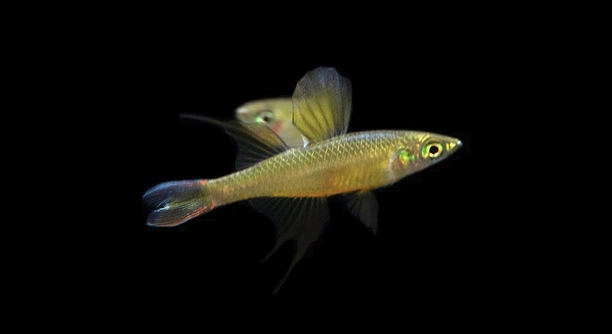
Are your Threadfin Rainbowfish acting differently lately, seeming restless or less colorful than usual? Subtle changes in their behavior can often reveal issues related to temperature and overall tank conditions.
Threadfin Rainbowfish can become stressed or ill when water temperatures exceed their comfort range of 74°F to 80°F. Prolonged exposure to heat may cause rapid breathing, color fading, lethargy, and weakened immune function, leading to health complications if not corrected.
Recognizing these early signs will help you create a healthier, cooler, and more stable environment for your delicate Threadfin Rainbowfish.
1. Loss of Color and Dull Appearance
When Threadfin Rainbowfish are exposed to high temperatures, one of the first noticeable signs is a loss of their natural color. These fish are admired for their shimmering hues, but when the water becomes too warm, their colors start to fade. The stress caused by heat affects their pigment cells, resulting in a dull, washed-out appearance. You might also notice that their fins lose vibrancy, appearing paler than usual. This fading happens because the fish’s metabolism increases in warmer water, forcing their bodies to use more energy for survival rather than maintaining bright coloration.
Color changes in Threadfin Rainbowfish are not just cosmetic; they often signal deeper stress within the fish.
A consistently dull appearance suggests that the water temperature remains uncomfortably high, which can weaken their immune system and make them prone to illness. Adjusting the tank’s temperature gradually will help them regain their natural brilliance.
2. Rapid Gill Movement and Heavy Breathing
Threadfin Rainbowfish breathe faster when the water is too hot. Warm water holds less oxygen, which forces them to work harder to get the air they need. You may notice them staying near the water’s surface, gasping more often, or moving their gills quickly.
Prolonged heavy breathing in these fish indicates significant oxygen depletion, a common effect of high water temperatures. As oxygen levels drop, the fish’s stress level rises, putting extra strain on their hearts and metabolism. Over time, this can cause fatigue and make them more susceptible to infections. To help them, start by checking the tank’s temperature with a reliable thermometer and ensure it stays within the safe range of 74°F to 80°F. Consider adding an air stone or increasing surface agitation to improve oxygen circulation. Gradual cooling and steady oxygen flow can restore their comfort, reduce stress, and help them breathe normally again.
3. Lethargy and Reduced Activity
When Threadfin Rainbowfish become too hot, their activity level drops noticeably. They may move sluggishly, spend more time resting at the bottom, or show less interest in swimming and exploring their surroundings. This behavior often signals heat stress affecting their metabolism and comfort.
Lethargy occurs because warmer temperatures speed up a fish’s metabolism, which increases energy consumption and oxygen demand. As oxygen levels drop, they struggle to maintain normal activity. Over time, this exhaustion leads to longer rest periods and reduced responsiveness. A fish that was once active may suddenly appear uninterested in tank mates or feeding. Monitoring their behavior closely helps identify when heat becomes a problem. Keeping the water temperature stable and within their ideal range allows them to regain energy and return to their usual active behavior without long-term effects.
Consistent water cooling, gentle aeration, and proper tank maintenance help them recover faster.
4. Loss of Appetite
Heat stress often causes Threadfin Rainbowfish to lose interest in food. They may ignore pellets, flakes, or live food they once enjoyed. This lack of appetite indicates discomfort, as their body focuses more on survival than digestion in overly warm water conditions.
A warm tank environment speeds up a fish’s metabolism but simultaneously reduces oxygen availability. This imbalance causes stress, making them less inclined to eat. Prolonged lack of nutrition weakens their immune system and increases vulnerability to disease. It’s important to feed smaller portions during this time and remove any uneaten food quickly to maintain water quality. Cooling the water gradually helps restore their appetite. Once temperatures stabilize, they typically resume normal feeding patterns. Observing how quickly they respond to food after cooling down provides a clear sign that the temperature issue is resolving and that their health is returning to balance.
5. Erratic Swimming
When Threadfin Rainbowfish experience excessive heat, their swimming patterns may become unusual. They might dart around the tank suddenly, bump into decorations, or swim near the surface more often than usual. These movements indicate stress from overheating and lack of proper oxygen circulation.
Erratic swimming often means the fish’s internal balance is affected. Warmer temperatures can disturb their neurological responses, causing disorientation and uneven swimming. Prolonged exposure can lead to exhaustion or even injury from collisions. Cooling the tank slowly and ensuring stable water parameters will help calm their movements and restore natural swimming behavior.
6. Gasping at the Surface
Threadfin Rainbowfish gasping at the water’s surface is a clear sign that the temperature is too high. Warm water holds less oxygen, and they instinctively move upward where oxygen levels are slightly higher, trying to breathe more easily in stressful conditions.
7. Clamped Fins
When the water becomes too hot, Threadfin Rainbowfish often keep their fins close to their bodies. This fin-clamping behavior reflects discomfort and stress, showing that they are struggling to cope with the environment. Promptly lowering the temperature helps them relax and return to their normal fin display.
FAQ
How can I tell if my Threadfin Rainbowfish are overheating?
You can identify overheating through several signs such as rapid gill movement, dull colors, lethargy, loss of appetite, and gasping at the surface. Erratic swimming and clamped fins are also common behaviors that indicate discomfort caused by excessive water temperature. Observing your fish daily helps detect early symptoms before they worsen. When several of these signs appear together, the issue is likely related to heat stress rather than disease. Testing the water temperature immediately is essential to confirm if it exceeds their preferred range of 74°F to 80°F.
What temperature range is safe for Threadfin Rainbowfish?
Threadfin Rainbowfish thrive best in water temperatures between 74°F and 80°F. Temperatures below this range can slow their metabolism and affect immune function, while higher temperatures cause oxygen depletion and stress. Keeping the tank within this stable range ensures their health and natural coloration. Using a reliable digital thermometer helps you maintain precise control. For households with fluctuating room temperatures, a quality heater with an adjustable thermostat ensures steady warmth. Stability is more important than constant adjustment, as frequent changes can cause more stress than a slightly warm or cool tank.
What should I do if the water gets too hot?
If your tank temperature rises above 82°F, act quickly but carefully. Turn off lights that generate heat, remove the tank lid if safe, and increase surface agitation using an air stone or bubbler. Avoid adding ice directly; instead, float a sealed bag of ice cubes to lower the temperature gradually. Sudden temperature drops can shock your fish, so cooling must be slow and controlled. Monitoring temperature every few minutes ensures a safe reduction. Once stabilized, identify what caused the rise, such as nearby heating vents or excessive lighting, to prevent recurrence.
Can hot weather cause these symptoms?
Yes, seasonal heat often raises indoor temperatures, especially in rooms without air conditioning. Aquarium water naturally absorbs heat from its surroundings, causing oxygen levels to fall and stress levels to rise. Threadfin Rainbowfish are particularly sensitive to prolonged heat exposure. Using a fan to blow gently across the tank’s surface helps cool the water through evaporation. Keeping the tank away from direct sunlight and maintaining consistent airflow around it are simple ways to avoid overheating during warmer months.
Will heat stress cause long-term damage to my fish?
Prolonged exposure to high temperatures can have lasting effects. It weakens the immune system, making Threadfin Rainbowfish prone to bacterial and fungal infections. Chronic stress also reduces their lifespan and dulls their vibrant color permanently. Repeated overheating episodes can cause irreversible organ damage, particularly to the liver and gills. Preventing heat stress is far more effective than treating its aftermath. Maintaining stable water conditions, regular temperature checks, and proper oxygenation all contribute to long-term health and vitality.
How can I increase oxygen levels during heatwaves?
Increasing surface movement is the most effective way. You can use air stones, sponge filters, or adjust the filter outlet to create ripples. This improves gas exchange, allowing oxygen to enter the water more efficiently. Adding live plants such as hornwort or anacharis can also support oxygenation. Avoid overcrowding the tank, as too many fish deplete oxygen faster. Regular water changes with slightly cooler, dechlorinated water can provide relief during high temperatures. Stability and aeration are key to helping your fish breathe comfortably through hot periods.
Should I change the feeding routine when the tank is hot?
Yes, during heat stress, fish eat less and digest food slower. Offer smaller, lighter meals once daily instead of multiple feedings. Uneaten food decays quickly in warm water, raising ammonia levels and worsening stress. Always remove leftovers within minutes. Once the tank cools down and your Threadfin Rainbowfish regain normal energy, you can resume their regular feeding schedule. Monitoring their response to food helps ensure they are recovering properly and prevents overfeeding during sensitive conditions.
Can tank size affect how quickly the water heats up?
Smaller tanks heat up faster because they hold less water, which changes temperature more easily. Larger tanks are more stable and take longer to warm or cool. If your tank is small, place it in a shaded area away from windows and electronics. Avoid covering it tightly, as trapped heat worsens temperature issues. Adding a small fan nearby helps maintain airflow and keeps the temperature more consistent. For permanent solutions, consider upgrading to a larger tank if space allows.
Why is gradual cooling important for Threadfin Rainbowfish?
Sudden temperature changes can shock your fish, leading to stress or even death. Gradual cooling allows their bodies to adjust naturally, preventing sudden shifts in metabolism and oxygen demand. Lowering the temperature by 1–2°F every 30 minutes is ideal. Always monitor their behavior during this process. When the water stabilizes, their movements and appetite should improve noticeably. Gradual adjustments maintain balance in the aquarium, ensuring both comfort and long-term health for your Threadfin Rainbowfish.
Final Thoughts
Keeping Threadfin Rainbowfish healthy and comfortable requires understanding how sensitive they are to temperature changes. These graceful fish thrive only when their environment remains stable, with a temperature range between 74°F and 80°F. When the water becomes too warm, their entire system reacts — from breathing and swimming patterns to appetite and coloration. Heat affects the oxygen levels in the tank, and low oxygen makes them struggle to breathe, causing stress and fatigue. Over time, these conditions weaken their immune system and make them vulnerable to diseases. Recognizing early signs such as color fading, rapid breathing, clamped fins, or reduced activity can help prevent serious harm. Small, attentive observations every day make a big difference in keeping them safe.
Maintaining the right temperature is not difficult when a few simple steps become part of your regular care routine. Placing the aquarium away from direct sunlight, using a reliable thermometer, and ensuring steady airflow are small yet effective ways to control heat. During warmer months, fans or cooling systems can help regulate the water temperature. If the tank becomes too warm, gradual cooling is essential to prevent temperature shock. Avoid adding ice directly into the water, and instead use safer methods like floating a sealed ice bag or performing partial water changes. Providing proper oxygenation is also important; air stones or filters that move the water surface improve oxygen exchange, keeping your fish comfortable even when temperatures rise slightly. Consistency and calm adjustments protect your fish far better than sudden, drastic changes.
Threadfin Rainbowfish are known for their peaceful nature and delicate beauty, but their well-being depends on stable conditions that reflect their natural environment. Paying attention to small details — such as their feeding habits, swimming behavior, and color vibrancy — allows you to spot problems early and act quickly. Heat stress can develop quietly, so prevention is the best approach. A well-balanced environment, steady temperature, and regular maintenance create a space where your fish can live longer, remain active, and display their true colors. By keeping their tank stable and monitoring for signs of overheating, you ensure not only their survival but also their comfort and liveliness. Caring for them with consistency and patience keeps your aquarium healthy, calm, and full of life.

Hello,
If you enjoy the content that we create, please consider saying a "Thank You!" by leaving a tip.
Every little bit helps us continue crafting quality advice that supports the health, happiness, and well-being of pets around the world, for pets of all shapes, sizes, and species.
We really appreciate the kindness and support that you show us!