
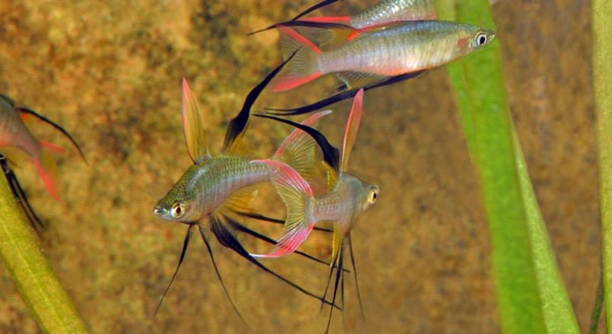
Have you ever considered keeping threadfins in a community tank but wondered how they would fare with larger fish? These slender, fast-moving fish have unique behaviors that can make tank compatibility a challenge for many hobbyists.
Threadfins should generally not be housed with significantly larger fish due to their delicate structure and timid nature. Predation risk and stress are high, making solitary or species-specific tanks the safest option for their survival and well-being.
Learning the right tankmates and environment for threadfins can protect their health while maintaining a balanced, peaceful aquarium for all inhabitants.
Understanding Threadfin Behavior
Threadfins are delicate, slender fish that rely on speed and agility to navigate their environment. They are naturally timid and can become stressed when placed with larger, more aggressive fish. Stress can weaken their immune system, making them more prone to illness. These fish also have long, thin fins that are easily damaged, so tankmates must be chosen carefully. In community setups, even fish that are not overtly aggressive may unintentionally harm threadfins by outcompeting them for food or bumping into them while swimming. Proper feeding strategies and hiding spots help reduce stress, but the safest approach is a species-specific tank or pairing them with similarly sized, non-aggressive fish. Observing behavior during the first days is crucial to ensure they are comfortable, eating well, and not showing signs of fear. Threadfins thrive in calm, stable environments with consistent water quality and ample space to swim.
Keeping threadfins with larger fish often leads to injuries or stress, making solo or small group setups safer.
Understanding these behaviors helps in selecting compatible species and designing a tank that supports both health and natural activity, preventing accidents and promoting long-term well-being.
Choosing Suitable Tankmates
Smaller, peaceful species are the best companions for threadfins in shared tanks.
Even when carefully selected, tankmates must match the temperament and size of threadfins. Avoid large or aggressive fish that may chase or nip fins. Fish that occupy different levels of the tank can coexist more easily. Slow-moving bottom dwellers may compete for food, so feeding strategies are key. Providing hiding spots and open swimming areas allows threadfins to escape if needed. Observe interactions closely, as even minor aggression can lead to stress or injury. Selecting tankmates that tolerate similar water conditions ensures both species thrive. In a community setup, monitor behavior daily to detect changes in appetite or activity, which may indicate discomfort. The right environment balances space, diet, and compatibility, allowing threadfins to exhibit natural behaviors. Regular maintenance, such as water changes and checking for fin damage, helps sustain a healthy tank. Choosing companions wisely ensures long-term safety and minimizes risks in shared aquariums.
Tank Setup Considerations
Providing open swimming space is essential for threadfins to move freely without feeling cornered. Adequate hiding spots reduce stress and prevent injuries from sudden interactions with other fish.
Threadfins are fast swimmers, so aquariums should be long rather than tall, giving them room to dart across the tank. Decorations should avoid sharp edges that can tear their delicate fins. Plants and rocks can create hiding areas, but leave enough open space for movement. Water flow should be gentle, as strong currents can exhaust these fish and increase stress levels. Proper lighting helps mimic natural conditions and keeps activity levels stable. Temperature, pH, and water quality must remain consistent to prevent illness. Regular cleaning ensures debris does not accumulate, which could harm their sensitive fins. Substrate choice also matters; smooth sand or fine gravel prevents accidental damage while they forage.
Monitoring interactions in a shared tank is critical. Even with careful planning, threadfins may become stressed or frightened if tankmates act unpredictably. Observing daily behaviors allows adjustments before problems escalate.
Feeding and Nutrition
Threadfins require frequent, small meals due to their high metabolism and fast swimming habits.
Providing a varied diet supports their growth, coloration, and immune health. They thrive on live or frozen foods like brine shrimp, small insects, or finely chopped fish. Pellets can supplement meals but should be small enough to prevent choking or food waste. Feeding multiple times a day in controlled portions prevents aggressive competition among tankmates. Uneaten food should be removed promptly to avoid water contamination. Observing their eating habits ensures all fish get sufficient nutrition. Vitamin-enriched foods strengthen their immune system and improve fin resilience. Special attention is needed when housed with faster or larger fish that may outcompete them at feeding times. Creating multiple feeding zones or using feeding rings can help manage this.
Balanced nutrition is crucial for their survival, particularly when they share tanks with other species. Consistent feeding routines, combined with high-quality food, maintain energy levels, promote natural behaviors, and reduce stress, ultimately supporting a healthier, more stable aquarium environment for threadfins.
Monitoring Health and Behavior
Regular observation is essential to catch early signs of stress or injury in threadfins. Watch for torn fins, loss of appetite, or unusual hiding behaviors.
Changes in swimming patterns or lethargy often indicate environmental issues or conflicts with tankmates. Prompt adjustments can prevent serious health problems.
Water Quality Management
Threadfins need stable water conditions with consistent temperature, pH, and low ammonia levels. Frequent testing ensures the tank remains safe. Filtration and partial water changes maintain cleanliness. Sudden fluctuations can lead to stress or disease, so gradual adjustments are safer. Keeping a clean tank supports long-term health and reduces mortality risk.
Compatibility with Other Species
Choosing calm, similar-sized fish reduces risk of aggression or accidental injury. Avoid large, fast-moving, or territorial species that may intimidate threadfins.
Careful pairing ensures all fish can feed properly and move freely. Observing interactions regularly helps identify problems early, keeping the tank peaceful.
FAQ
Can threadfins survive with larger fish?
Threadfins generally do not do well with larger fish. Their slender bodies and long fins make them vulnerable to injury, and stress from bigger tankmates can weaken their immune system. Even fish that seem peaceful may accidentally harm them during swimming or feeding. Keeping threadfins with similar-sized, calm species is the safest approach.
What is the best tank size for threadfins?
Threadfins need a tank that provides ample horizontal swimming space rather than height. A long tank with open areas allows them to move quickly and freely. Decorations should offer hiding spots without crowding swimming space. Smooth substrates and safe plants reduce the risk of fin damage. Regular cleaning and gentle water flow help maintain a comfortable environment.
How often should I feed threadfins?
Threadfins have a high metabolism and require frequent, small meals throughout the day. Live or frozen foods such as brine shrimp, small insects, or finely chopped fish are ideal. High-quality pellets can supplement the diet. Removing uneaten food promptly prevents water contamination and reduces stress from competition during feeding times. Multiple feeding zones or feeding rings can help ensure all fish get enough nutrition.
Can threadfins tolerate different water conditions?
They are sensitive to sudden changes in temperature, pH, and water quality. Stable conditions are crucial. Filtration and regular partial water changes help maintain clean water. Sudden fluctuations may cause stress, illness, or fin damage. Consistent monitoring and gradual adjustments keep threadfins healthy and active.
What signs show threadfins are stressed?
Stress indicators include torn fins, hiding excessively, lethargy, loss of appetite, or erratic swimming. Observing their daily behavior allows early detection of issues. Stress can be caused by aggressive tankmates, overcrowding, poor water quality, or improper feeding. Prompt changes in tank setup or water parameters help them recover quickly.
Which fish are safe tankmates for threadfins?
Small, peaceful species that occupy different areas of the tank are ideal. Avoid large, aggressive, or territorial fish. Species that tolerate similar water parameters and feeding routines coexist more easily. Observing interactions during the first days is important to ensure compatibility. Proper planning helps maintain a calm and safe environment for all inhabitants.
How do I prevent fin injuries in threadfins?
Use smooth substrates and avoid sharp decorations. Provide hiding spots and open swimming space. Tankmates should be chosen carefully to reduce chasing or bumping incidents. Gentle water flow prevents exhaustion and accidental collisions. Monitoring daily helps identify injuries early, allowing quick treatment or adjustments to prevent further harm.
What is the ideal diet for long-term health?
Threadfins thrive on a varied diet rich in protein and vitamins. Live or frozen foods, supplemented by small pellets, ensure energy and proper growth. Vitamin-enriched foods improve immune function and fin strength. Consistent feeding routines and portion control prevent overfeeding, stress, and competition among tankmates.
How do I manage feeding in a community tank?
Feed small amounts multiple times a day. Place food in different zones to reduce competition with faster or larger fish. Observing all fish ensures threadfins receive adequate nutrition. Uneaten food should be removed quickly to maintain water quality. Adjust portions as needed to balance all species’ dietary needs.
Can threadfins live long in a mixed-species tank?
They can survive if tankmates are compatible, water conditions are stable, and feeding is well-managed. Even minor aggression from larger fish can lead to stress or injury. Careful planning, daily observation, and a suitable environment are essential for their long-term health and safety in shared aquariums.
How do I know if a tank setup is ideal?
Threadfins should swim freely, feed easily, and display normal behavior without hiding excessively. Regular monitoring of water parameters, fin condition, and interactions helps confirm suitability. Adjusting tank layout, decorations, or tankmates based on observations maintains a balanced environment. Consistency in care promotes long-term survival and reduces stress.
What should I do if a threadfin gets injured?
Remove the injured fish if possible to a quarantine tank. Treat minor fin damage with appropriate water treatments. Monitor closely for signs of infection. Adjust tankmates or decorations to prevent repeat injuries. Quick action improves recovery and prevents serious complications.
Can threadfins coexist with bottom-dwelling species?
Yes, as long as the bottom dwellers are small, peaceful, and do not compete aggressively for food. Threadfins occupy mid to upper swimming levels, so bottom-dwellers rarely interfere. Proper feeding distribution ensures all fish get adequate nutrition without causing stress or injury.
Is it necessary to use live food regularly?
Live food is highly recommended as it closely mimics their natural diet. It encourages natural hunting behavior and provides essential nutrients. Frozen or high-quality pellets can supplement, but live food helps maintain energy, coloration, and overall health, especially in active species like threadfins.
How can I reduce stress in a community tank?
Provide hiding spaces, open swimming areas, and gentle water flow. Choose compatible tankmates and maintain stable water conditions. Feeding multiple times with small portions prevents competition. Daily observation allows early intervention if stress signs appear, supporting long-term health and survival.
Are threadfins suitable for beginner aquarists?
Threadfins are best kept by aquarists with some experience. Their sensitivity to water quality, stress, and feeding requirements makes them less forgiving than hardier species. Beginners should focus on stable tanks, proper diet, and compatible tankmates before attempting mixed-species setups.
What is the average lifespan of a threadfin in captivity?
With proper care, stable conditions, and minimal stress, threadfins can live several years. Lifespan is influenced by water quality, diet, and tankmate compatibility. Attention to environment and routine observation ensures they reach full maturity safely.
How often should I check water parameters?
Water parameters should be tested at least once a week. Frequent monitoring ensures stability in temperature, pH, ammonia, nitrite, and nitrate levels. Rapid identification of changes prevents stress or disease and keeps threadfins healthy in a community or species-specific tank.
What adjustments help if threadfins appear shy or fearful?
Increase hiding spots and reduce high-traffic areas in the tank. Separate aggressive or fast-moving fish if needed. Ensure proper feeding zones and stable water conditions. Gradually acclimating new fish helps threadfins feel secure and encourages normal swimming and feeding behavior.
Can threadfins reproduce in a mixed-species tank?
Reproduction is unlikely in mixed-species tanks due to stress and competition. A controlled, species-specific setup with optimal water parameters and nutrition increases the chances of successful breeding. Minimizing disturbances is essential for spawning behavior.
What is the most common mistake with threadfin care?
Placing them with larger or aggressive fish, inconsistent water quality, and improper feeding are the most frequent errors. Each can cause stress, injury, or death. Careful planning, observation, and understanding their behavior help avoid these problems and ensure long-term survival.
How do I prevent disease in threadfins?
Maintain stable water conditions, provide high-quality food, and avoid overcrowding. Quarantine new fish and monitor for unusual behavior. Prompt attention to injuries or signs of illness reduces infection risk. Clean tanks and equipment regularly to limit bacteria or parasite growth.
What is the ideal group size for threadfins?
Threadfins do well in small groups of similar-sized individuals. Overcrowding can lead to stress and aggression, while isolation may cause them to become shy or inactive. A balanced group allows natural social behaviors without increasing risk of injury.
How can I encourage natural behavior in threadfins?
Provide open swimming areas, varied diet, and suitable companions. Observing their interactions and offering enrichment like hiding spots and gentle water flow promotes active and healthy behavior, keeping them engaged and reducing stress in the aquarium.
What should I do if a larger fish injures a threadfin?
Immediately separate the injured threadfin if possible. Treat minor injuries and monitor for infection. Reevaluate tankmates and space to prevent further incidents. Adjusting feeding strategies and hiding areas helps minimize future risks.
Can threadfins adapt to community tanks over time?
Some may adapt if conditions remain stable, tankmates are peaceful, and feeding is well-managed. However, stress and injury risk is higher than in species-specific setups. Continuous observation and careful planning are essential to ensure safety and reduce negative interactions.
Is lighting important for threadfins?
Yes, moderate lighting helps maintain natural behavior and activity levels. Excessive or harsh lighting can increase stress. Providing shaded areas or gentle lighting supports comfort while encouraging movement and feeding.
How do I introduce threadfins to a new tank?
Acclimate slowly using drip or floating methods to adjust temperature and water chemistry. Monitor for stress or hiding. Provide ample space and hiding spots. Introducing them before more aggressive fish helps them settle and reduces risk of injury or competition.
Can threadfins coexist with fast-moving mid-sized fish?
Only if the fish are non-aggressive and feeding does not become competitive. Fast-moving fish may intimidate or injure threadfins, so careful observation is necessary. Ensuring multiple feeding zones and escape areas reduces stress and supports harmonious interactions.
Are threadfins sensitive to overcrowding?
Yes, overcrowding increases stress, competition for food, and the risk of fin injuries. A spacious tank with proper stocking levels is essential to maintain health, reduce aggression, and support natural swimming behavior.
What is the best water temperature range?
Threadfins thrive in moderately warm water. Sudden changes or extremes can lead to stress, illness, or mortality. Maintaining a stable temperature suited to their natural environment supports metabolism, activity, and overall health.
How long can threadfins go without food?
They have a high metabolism and should not go more than a day or two without food. Prolonged fasting can weaken them, reduce immunity, and increase stress, particularly if tankmates are aggressive or fast feeders.
Can stress cause death in threadfins?
Yes, prolonged stress weakens their immune system and makes them susceptible to disease and injury. Ensuring calm tankmates, stable water parameters, adequate space, and proper diet reduces stress-related mortality.
Is quarantine necessary for new fish?
Always quarantine new additions to prevent introducing disease or parasites. This protects threadfins and other tank inhabitants. A two-week quarantine period is generally recommended for observation and treatment if needed.
How do I handle accidental fin damage?
Isolate the injured fish if possible. Treat minor tears with water-safe antiseptics and monitor for infection. Check tank layout and tankmates to prevent repeated injuries. Quick attention improves healing and reduces complications.
Are threadfins active during the day or night?
They are diurnal and most active during the day, swimming and feeding frequently. Providing open space, stable conditions, and appropriate tankmates allows them to display natural activity patterns while reducing stress.
Can threadfins tolerate mild currents?
Yes, gentle water flow mimics natural conditions and encourages exercise. Strong currents, however, can exhaust them and increase stress, so flow should be carefully adjusted to suit their swimming ability.
How do I manage tankmates during feeding time?
Feed in multiple zones or use feeding rings to prevent faster or larger fish from outcompeting threadfins. Small, frequent portions ensure all fish get adequate nutrition without stress. Observing behavior helps refine feeding strategies and reduces conflict.
Are threadfins prone to specific diseases?
They are susceptible to stress-related illnesses, fin rot, and parasitic infections if water quality is poor or tankmates are aggressive. Stable conditions, good nutrition, and proper quarantine practices reduce risks and maintain long-term health.
What signs indicate a tankmate is unsafe?
Chasing, nipping fins, or dominating feeding areas indicate incompatibility. Immediate adjustments in tankmate selection, feeding strategies, or tank layout help prevent injury and stress, ensuring a safer environment for threadfins.
Is hiding space necessary even in small groups?
Yes, hiding spaces reduce stress, allow retreat from dominant individuals, and protect delicate fins. Even in small groups, these areas help threadfins feel secure and maintain natural behavior.
How often should decorations be rearranged?
Frequent rearrangement can cause stress. Keep layout stable but allow for minor adjustments to improve swimming space and hiding areas. Stability supports comfort, reduces conflict, and maintains routine for threadfins.
What is the most important factor for threadfin survival?
Compatibility with tankmates, stable water parameters, adequate feeding, and space for swimming are all critical. Careful planning and daily observation ensure threadfins remain healthy and thrive in captivity.
Can threadfins coexist with aggressive species at all?
No, aggressive species pose a high risk of injury, stress, and death. Avoid mixing threadfins with any fish that may chase, nip, or outcompete them, ensuring a calm and safe environment.
Do threadfins require special care during breeding?
Yes, stress-free, species-specific tanks with optimal water conditions and proper diet are necessary. Minimizing disturbances and providing suitable hiding spaces encourages spawning behavior and increases the likelihood of successful breeding.
How do I maintain long-term health in a community tank?
Choose compatible tankmates, maintain stable water conditions, provide high-quality nutrition, and observe daily behavior. Quick adjustments to injuries or stress prevent complications. Proper tank design and routine care ensure threadfins thrive alongside peaceful species without compromising safety or well-being.
Are threadfins suitable for tanks with fish of similar size but different temperaments?
Yes, as long as temperaments are calm and non-aggressive. Matching activity levels and feeding habits ensures peaceful coexistence. Observation is key to detecting subtle signs of stress before they escalate into injuries or illness.
What precautions should I take when adding new fish to a threadfin tank?
Quarantine new fish, monitor interactions closely, and provide additional hiding spots. Introduce newcomers gradually to minimize stress. Ensure water parameters remain stable during acclimation. This careful approach reduces risks and helps maintain harmony in the tank.
How do I encourage proper growth in threadfins?
Balanced diet, stable water quality, adequate swimming space, and low-stress conditions support healthy growth. Avoid overcrowding or aggressive tankmates. Regular observation and adjustments in feeding or tank layout ensure threadfins reach their full potential.
Can threadfins live in a mixed-species tank long-term?
They can survive with careful planning, compatible species, and consistent care. Daily monitoring of behavior, feeding, and water parameters is essential. Avoiding aggressive or larger fish ensures long-term survival and reduces stress, injury, and disease risks.
How do I know if a threadfin is comfortable in its environment?
Normal swimming, regular feeding, healthy fins, and minimal hiding indicate comfort. Stress signs such as lethargy, torn fins, or unusual hiding suggest adjustments are needed. Consistent observation helps maintain a safe and healthy environment.
Are threadfins affected by overcrowding differently than other species?
Yes, their delicate structure and timid nature make them more prone to stress and injury in crowded conditions. Proper stocking density and open swimming space are essential for safety and well-being.
What is the most effective way to prevent fin injuries in threadfins?
Smooth substrates, careful tankmate selection, gentle water flow, and adequate hiding spaces minimize risk. Observing interactions and making adjustments promptly prevents accidents and supports long-term fin health.
How important is daily observation for threadfins?
Extremely important. Daily checks help detect stress, injury, or illness early. Timely adjustments in tankmates, water parameters, or feeding routines ensure threadfins remain healthy and active.
Can threadfins tolerate slightly different pH levels than their tankmates?
Minor differences may be tolerated, but sudden shifts can cause stress. Stable pH aligned with their natural preferences supports health, activity, and immunity. Monitoring and gradual adjustments prevent negative effects.
Do threadfins require specific tank décor for comfort?
Yes, a balance of open swimming areas and hiding spots is essential. Avoid sharp decorations or cluttered layouts that can injure fins or restrict movement. Thoughtful arrangement promotes natural behavior and reduces stress.
How long does it take for threadfins to acclimate to a new tank?
Acclimation varies, but a few days to a week is typical. Monitoring for stress, appetite, and normal swimming ensures they adjust properly. Proper hiding spots and stable water conditions support a smooth transition.
Can threadfins coexist with schooling fish?
Yes, peaceful schooling fish of similar size can provide activity and stimulation without causing harm. Avoid aggressive or fast-moving species that may outcompete or stress threadfins. Observation ensures balanced interactions.
What should I do if threadfins stop eating?
Check water quality, tankmate behavior, and stress levels. Provide preferred foods like live or frozen options. Quarantine or isolate if necessary. Identifying and correcting the cause quickly prevents health decline and supports recovery.
Are threadfins more sensitive than most aquarium fish?
Yes, their delicate fins, timid nature, and high metabolism make them more prone to stress, injury, and illness. Careful tankmate selection, stable water, proper feeding, and observation are critical for their survival.
How do I maintain consistent water temperature?
Use a reliable heater and thermometer. Monitor daily for fluctuations and adjust gradually if needed. Stable temperature reduces stress, supports metabolism, and promotes overall health.
What is the key to preventing competition at feeding times?
Multiple feeding zones, small frequent meals, and monitoring interactions prevent dominant fish from outcompeting threadfins. Ensuring all fish get adequate food reduces stress and supports balanced nutrition.
Can threadfins live with territorial species if space is sufficient?
Even with extra space, territorial or aggressive species pose risks of injury and stress. Avoid mixing threadfins with fish that may defend areas aggressively or outcompete them for resources.
How do I handle sudden aggression in the tank?
Identify the aggressive fish and separate if necessary. Provide hiding spots and adjust tank layout. Observe interactions closely to prevent injury. Prompt action reduces stress and ensures threadfins remain safe.
Are threadfins sensitive to light intensity?
Yes, overly bright light can cause stress. Moderate lighting with shaded areas supports comfort, natural behavior, and healthy activity patterns without disturbing their environment.
Can threadfins recover from fin damage?
Yes, with proper care, isolation if needed, and stable water conditions. Removing stressors and providing a safe environment allows fins to heal gradually while maintaining overall health.
How important is tank length for threadfins?
Length is critical. Threadfins are active swimmers and need horizontal space to move freely. A long tank prevents collisions, reduces stress, and allows natural swimming behavior.
What is the best water flow setup for threadfins?
Gentle, consistent flow mimics natural conditions and encourages swimming without exhausting them. Avoid strong currents that can cause fatigue or stress, compromising health.
**Are threadf
Threadfins are beautiful and active fish that require careful attention when kept in an aquarium. Their delicate bodies and long, thin fins make them highly susceptible to injury, especially when housed with larger or more aggressive fish. Unlike hardier species, threadfins can easily become stressed from sudden movements, rough interactions, or competition for food. Even seemingly peaceful fish may unintentionally harm them during feeding or while swimming. Because of this, creating a suitable environment is crucial for their long-term health. A tank designed specifically for their needs, or one with carefully selected, similarly sized and calm tankmates, helps ensure that threadfins can swim freely, eat properly, and display natural behaviors without constant stress or risk of injury.
Maintaining stable water conditions is another key factor in keeping threadfins healthy. These fish are highly sensitive to fluctuations in temperature, pH, and water quality. Even minor changes can weaken their immune systems and make them prone to disease. Regular testing, consistent water changes, and proper filtration are necessary to prevent harmful build-up of ammonia, nitrites, or nitrates. Smooth substrates and safe decorations are also important, as threadfins can easily tear their fins on rough surfaces. Providing hiding spots allows them to retreat if they feel threatened, reducing stress and promoting overall well-being. By paying close attention to these environmental factors, aquarists can create a tank that supports both the physical and behavioral needs of threadfins, minimizing the risks that come with mixed-species setups.
Feeding and nutrition play a major role in threadfin care as well. These fish have high metabolisms and require frequent, small meals to maintain energy levels and support growth. A varied diet of live or frozen foods, supplemented with small, high-quality pellets, ensures they receive adequate nutrients. Careful feeding management is especially important in community tanks, as faster or larger fish may outcompete threadfins, leading to stress and malnutrition. Monitoring their eating habits and providing multiple feeding zones can help prevent these issues. Overall, keeping threadfins requires thoughtful planning, daily observation, and consistent care. By focusing on compatibility, water quality, and proper nutrition, aquarists can provide a safe and balanced environment where threadfins thrive and remain active, healthy, and stress-free.

Hello,
If you enjoy the content that we create, please consider saying a "Thank You!" by leaving a tip.
Every little bit helps us continue crafting quality advice that supports the health, happiness, and well-being of pets around the world, for pets of all shapes, sizes, and species.
We really appreciate the kindness and support that you show us!