
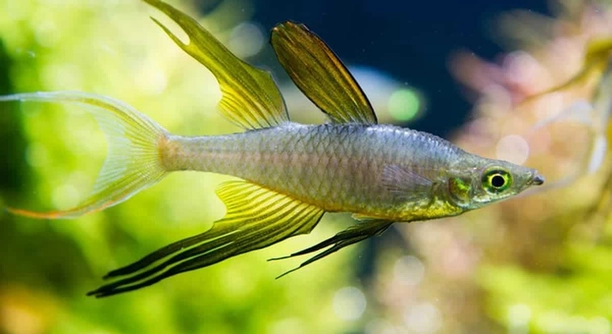
Are your threadfin rainbowfish suddenly darting across the tank without pause? Many aquarists notice this erratic swimming behavior, which can signal stress or environmental changes. Understanding why it happens is the first step to keeping your fish healthy.
Threadfin rainbowfish often swim frantically due to poor water quality, sudden temperature fluctuations, overcrowding, or inadequate oxygen levels. Addressing these conditions promptly stabilizes their environment, reducing stress and restoring normal swimming patterns while supporting overall health and longevity.
Recognizing the reasons behind frantic swimming can help prevent serious issues. Small changes in care or tank setup may make a significant difference in their behavior.
Common Causes of Frantic Swimming
Threadfin rainbowfish are highly sensitive to their surroundings, and several factors can trigger frantic swimming. Poor water quality is one of the most frequent issues. Ammonia, nitrite, and nitrate levels that are too high can irritate their gills and stress them. Sudden temperature changes are another common cause. These fish prefer stable temperatures, and even a small fluctuation can make them uneasy. Overcrowding in the tank also plays a role, as it limits swimming space and increases competition for resources. Additionally, insufficient oxygen can lead to rapid, erratic movements as the fish try to get more oxygen. Noise and sudden vibrations around the tank can also startle them. Observing tank conditions and behavior closely helps identify which factor is affecting the fish. Small adjustments, like partial water changes, aeration improvements, or reducing tank population, can calm the fish and restore normal swimming behavior.
Proper filtration and stable water parameters are key to preventing these issues from recurring.
Monitoring water regularly and maintaining consistent care helps threadfin rainbowfish stay calm. Providing adequate space, hiding spots, and gentle lighting can reduce stress. Aerators or air stones improve oxygen levels, making the tank more comfortable. Avoid sudden feeding changes or moving decorations abruptly. Regular observation allows you to catch early signs of distress, preventing escalation. Small, consistent adjustments in their environment create a healthier habitat, encouraging normal swimming patterns. Remember, these fish are more sensitive than many other tropical species, so consistency in care is crucial. By paying attention to their environment, you can maintain a peaceful and lively aquarium where your rainbowfish thrive.
Water Quality and Its Effects
Poor water conditions directly affect fish behavior. Contaminants can irritate their gills, causing frantic swimming or hiding.
Maintaining clean water is essential for threadfin rainbowfish. Regular partial water changes, testing for ammonia, nitrites, and nitrates, and using a reliable filtration system help stabilize the tank. It is important to remove uneaten food and debris promptly, as decaying matter contributes to chemical buildup. Water hardness and pH should match the species’ natural preferences, as sudden changes can shock them. Aeration is equally important to maintain sufficient oxygen, especially in warmer water where oxygen levels drop. Tanks should not be overcrowded, as high density increases waste and stress, further affecting water quality. Observing how the fish react after adjustments provides feedback for further action. Even minor improvements, such as adding live plants, can enhance oxygen levels and absorb excess nutrients, promoting a balanced environment. By prioritizing water quality, the frantic swimming behavior can be minimized, ensuring a stable and comfortable home for your threadfin rainbowfish.
Temperature and Tank Conditions
Sudden temperature changes can stress threadfin rainbowfish, causing erratic swimming. These fish thrive in stable, warm water and react strongly to fluctuations, making monitoring essential for their health and comfort.
Keeping a consistent temperature helps prevent stress. Using a reliable heater and thermometer ensures the water remains within the preferred range, typically 24–28°C (75–82°F). Avoid placing the tank near drafts, windows, or heat sources that cause sudden shifts. When performing water changes, make sure the new water matches the tank temperature closely to prevent shock. Gradual adjustments are better than rapid changes, as sudden fluctuations can lead to frantic behavior, loss of appetite, or disease susceptibility. Observing the fish’s response after any alteration helps confirm the tank remains suitable for them.
Tank setup also affects behavior. Overcrowding, sharp decorations, or lack of hiding spaces can increase stress. Maintaining adequate space, smooth decorations, and secure plants allows the fish to explore without fear, promoting calmer swimming and overall well-being.
Oxygen Levels and Movement Patterns
Low oxygen levels in the tank cause threadfin rainbowfish to swim frantically near the surface, trying to access more oxygen. Proper aeration and water movement help maintain a healthy environment.
Using air stones, filters, or water pumps improves oxygen circulation. Warmer water holds less oxygen, so aeration becomes more crucial during hot conditions. Observing the fish during feeding or at night helps gauge whether oxygen levels are sufficient. Adding live plants can also enhance oxygen while providing shelter. Fish behavior often indicates water quality issues, so attentive observation is key. Regularly checking dissolved oxygen and avoiding overcrowding ensures a stable, comfortable habitat.
Movement patterns can signal health problems. Frantic swimming may indicate parasitic infections or gill issues caused by poor water quality or sudden changes. Early identification of abnormal behavior allows prompt treatment, preventing more severe conditions. Treatments can include water adjustments, medications, or isolating affected fish to prevent the spread of disease. Consistent care, attention to oxygen, and maintaining a balanced tank environment reduce the risk of erratic swimming, helping threadfin rainbowfish remain active yet calm.
Overcrowding and Tank Size
Overcrowding can stress threadfin rainbowfish, leading to frantic swimming and aggression. Each fish needs enough space to move freely and establish its territory. A cramped tank increases competition for food and hiding spots, which can heighten anxiety and unhealthy behavior.
Providing proper tank size and reducing fish numbers helps calm the group. Adequate space minimizes stress and allows natural swimming patterns. Proper stocking ratios also prevent rapid waste accumulation, improving water quality and overall health. Observing interactions ensures all fish have room to thrive and reduces persistent erratic movements caused by limited space.
Feeding and Nutrition
Inconsistent feeding or poor diet can make threadfin rainbowfish more restless. High-quality, varied food supports energy needs and overall health, reducing erratic swimming caused by nutrient deficiencies.
Stress from External Factors
Noise, sudden movements, and frequent handling can disturb fish. Minimizing external disruptions creates a more stable and comfortable tank environment, reducing frantic activity.
FAQ
Why are my threadfin rainbowfish swimming frantically all of a sudden?
Sudden frantic swimming usually points to stress from environmental changes. Common triggers include poor water quality, rapid temperature shifts, low oxygen, overcrowding, or sudden loud noises near the tank. Observing the tank and water parameters carefully helps identify the cause. Making small adjustments like partial water changes, improving aeration, and reducing disturbances can quickly calm the fish and restore normal behavior.
How can I tell if water quality is the problem?
Signs of poor water quality include cloudy water, algae overgrowth, fish gasping at the surface, and unusual swimming patterns. Testing for ammonia, nitrite, and nitrate levels using a reliable aquarium test kit gives a clear picture of water conditions. Consistently maintaining safe levels prevents stress and erratic swimming. Regular partial water changes and cleaning filters also keep water parameters stable.
What is the ideal tank temperature for threadfin rainbowfish?
Threadfin rainbowfish thrive in stable temperatures between 24–28°C (75–82°F). Sudden fluctuations, even by a few degrees, can stress them. Using a reliable heater and thermometer ensures water stays within this range. Avoid placing the tank near drafts, windows, or heating vents to prevent temperature swings.
Can overcrowding really affect their swimming?
Yes. Threadfin rainbowfish need enough space to swim and establish territory. Overcrowding causes stress, increases competition for food, and raises waste levels, all of which contribute to frantic swimming. Following recommended stocking guidelines and providing hiding spots help reduce tension and promote calmer behavior.
How important is oxygen in the tank?
Oxygen is crucial for fish health. Low oxygen levels can make rainbowfish swim near the surface or dart frantically. Aeration through air stones, filters, or pumps ensures proper circulation. Live plants also improve oxygen while providing shelter. Observing fish behavior can indicate whether oxygen levels are sufficient.
Could diet be affecting their behavior?
Yes. Inconsistent feeding or poor-quality food can make them restless. A varied diet including flakes, pellets, and occasional live or frozen food supports energy needs and overall health. Overfeeding should be avoided to prevent water quality issues, which also cause stress.
Do sudden noises or vibrations affect rainbowfish?
Threadfin rainbowfish are sensitive to their surroundings. Loud sounds, vibrations, or frequent handling can stress them, causing erratic swimming. Placing the tank in a quiet, stable location and minimizing sudden disturbances helps maintain a calm environment.
When should I worry about frantic swimming?
Occasional bursts of activity are normal, but persistent frantic swimming over several hours or days indicates stress or environmental problems. Immediate checks of water quality, temperature, oxygen levels, and tank conditions are necessary. Prompt intervention reduces the risk of illness or injury.
Can I use medications if my fish keep swimming frantically?
Medications should only be used if there’s a confirmed illness or parasite. Treating without identifying the cause may worsen stress. Correcting environmental issues like water quality, temperature, or oxygen levels is usually the most effective solution for calming erratic behavior.
How do I prevent frantic swimming in the future?
Maintaining stable water parameters, proper tank size, adequate aeration, consistent feeding, and a calm environment is key. Regular observation allows early detection of stress triggers, keeping threadfin rainbowfish healthy and active without unnecessary frantic movements.
Final Thoughts
Threadfin rainbowfish are lively and beautiful fish, but their behavior can be sensitive to changes in the environment. Frantic swimming is often a clear signal that something in their tank is not ideal. Unlike some fish that can adapt quickly, threadfin rainbowfish react strongly to water quality, temperature, oxygen levels, and overcrowding. Even small fluctuations in these factors can lead to stress, which is often visible in erratic movements. Observing their behavior closely and consistently monitoring tank conditions is the best way to ensure they remain healthy and active. Paying attention to water tests, tank setup, and fish interactions helps catch problems before they escalate.
Maintaining a stable and clean environment is essential for preventing frantic swimming. Proper water filtration, partial water changes, and consistent temperature control all contribute to a healthier tank. Aeration plays a key role in supplying sufficient oxygen, especially in warmer water where oxygen levels can drop quickly. Overcrowding should be avoided, and every fish should have enough space to swim freely. Hiding spots and plants can help reduce stress and create a more natural setting. Diet also influences behavior; feeding high-quality, varied food supports energy and overall well-being. Even the smallest details, like minimizing sudden noises or vibrations around the tank, make a difference. Threadfin rainbowfish respond to these factors immediately, so small adjustments often lead to visible improvements in their swimming patterns.
Understanding why your threadfin rainbowfish swim frantically helps you create a more stable and comfortable environment for them. Each factor, from water quality to tank layout, interacts to affect their behavior, so it is important to address multiple aspects at once. Regular observation is key—changes in swimming, appetite, or interaction with other fish often indicate underlying problems. By taking consistent care and responding promptly to stress signals, you can prevent more serious health issues and ensure that your rainbowfish remain active, calm, and healthy. A well-maintained tank not only reduces frantic behavior but also encourages natural behaviors like schooling, exploring, and feeding comfortably. Investing time in careful monitoring and adjustments ultimately creates a peaceful, thriving habitat for your threadfin rainbowfish.

Hello,
If you enjoy the content that we create, please consider saying a "Thank You!" by leaving a tip.
Every little bit helps us continue crafting quality advice that supports the health, happiness, and well-being of pets around the world, for pets of all shapes, sizes, and species.
We really appreciate the kindness and support that you show us!