
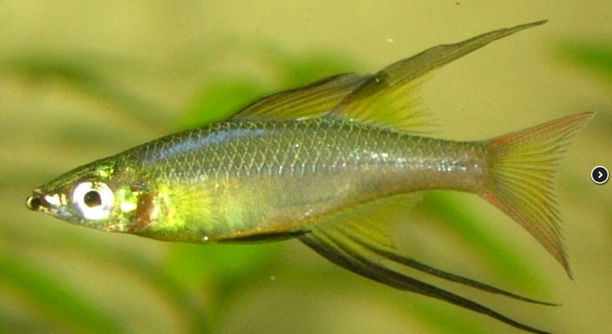
Have you ever noticed your threadfin rainbowfish shimmering differently under certain lighting or at different times of the day? Their colors can shift in subtle, fascinating ways that often go unnoticed by the casual observer.
These subtle shifts in threadfin rainbowfish coloration are primarily influenced by light exposure, mood, maturity, and environmental conditions. Changes in stress levels, social interactions, and even diet can also alter their hues, creating a dynamic and visually engaging display.
From gentle iridescent flashes to deeper tonal variations, each change tells a quiet story about their behavior and well-being beneath the water’s surface.
The Role of Light and Environment
Light plays a major part in how threadfin rainbowfish show their colors. When placed in tanks with balanced lighting, their scales reflect shimmering tones of gold, blue, and silver. Too much or too little light can make their hues fade or shift toward duller shades. Natural sunlight often brings out their brightest tones, but artificial lighting can highlight certain pigments depending on its intensity and angle. Water clarity also influences how these colors appear. Clean, well-maintained water enhances their shine, while murky conditions can mute their vibrancy. Even the color of the tank background and décor can subtly affect how their iridescence stands out, making environment control a key factor in maintaining their beautiful appearance.
Their surroundings directly influence both their color and comfort. A balanced setup encourages natural expression, while poor tank conditions may lead to stress, dull tones, and irregular color changes over time.
Keeping lighting steady and water clean is essential for long-term color stability. Threadfin rainbowfish thrive when their habitat mimics gentle daylight cycles, promoting consistent pigment display. Monitoring light exposure and ensuring a peaceful, well-decorated space will help maintain their signature brilliance. With these adjustments, their subtle color shifts become a captivating feature of their natural behavior.
Mood, Health, and Maturity
Threadfin rainbowfish colors often shift with mood and social interactions. Excitement during feeding or courtship can cause their tones to intensify, while stress may make them appear pale or washed out.
A healthy threadfin rainbowfish displays clear, defined colors that reflect proper care and balanced nutrition. Poor diet, illness, or fluctuating water conditions can dull their natural shimmer, making observation important for detecting early signs of stress or disease. As they mature, their coloration also becomes more complex, especially in males during breeding seasons. These deeper shades often signal readiness to mate and indicate strong health. Providing a nutrient-rich diet, stable temperatures, and calm surroundings supports these changes and ensures long-term vibrancy. Understanding these small but meaningful variations helps aquarists identify both environmental and emotional shifts in their fish. Recognizing when color changes are natural versus concerning allows better care and keeps these graceful swimmers glowing with subtle, steady beauty.
Diet and Color Enhancement
Diet plays a strong role in maintaining the bright hues of threadfin rainbowfish. Foods rich in carotenoids, spirulina, and natural pigments help strengthen their coloration, while poor-quality flakes or pellets can make their tones appear faded or inconsistent over time.
A varied diet of high-quality ingredients promotes vibrant, stable coloration. Supplementing with live or frozen foods like brine shrimp, daphnia, and bloodworms supports their natural pigment development. These foods provide essential nutrients and enhance color depth, especially when offered alongside plant-based options. It’s important to feed small, consistent portions to avoid water pollution that might affect their scales’ appearance. Balanced feeding also influences their mood and energy, which indirectly contributes to maintaining rich, consistent hues in their fins and bodies.
Keeping diet changes gradual prevents stress and allows your threadfin rainbowfish to adapt smoothly. Over time, healthy feeding routines make their colors appear more even and naturally radiant. Observing them during feeding helps you notice subtle improvements in tone and brightness. As their health and confidence grow, these shifts become clearer, turning each feeding session into a visible reflection of their well-being. With patience and consistency, diet becomes one of the most reliable ways to enhance their natural glow.
Stress and Environmental Stability
Stress can cause threadfin rainbowfish to lose their bright tones quickly. Overcrowding, sudden temperature changes, or aggressive tank mates can disrupt their comfort, leading to muted colors and slower recovery of their natural shine.
Maintaining stable tank conditions helps prevent color loss and supports emotional balance. Keep temperature fluctuations minimal and ensure calm surroundings by choosing peaceful tank mates. Consistent water testing helps detect imbalances that could trigger stress responses. Providing hiding spaces like plants or driftwood also gives them areas to rest and feel secure. Avoid sudden movements or loud disturbances near the tank, as threadfins are sensitive to their environment. With stability and calm, their color gradually deepens again, showing visible signs of recovery and comfort.
Breeding Influence on Coloration
During breeding, threadfin rainbowfish display stronger, more vivid colors. Males often show brighter yellows and blues to attract females, while females maintain softer tones. These temporary changes are signs of readiness to spawn and typically fade once breeding activity ends.
Proper breeding conditions enhance these vibrant displays. Warm temperatures, clean water, and a calm environment encourage males to show their brightest hues. Providing a balanced diet during this period also supports pigment intensity and energy. Once spawning is complete, colors gradually return to their regular, subtler shades.
Aging and Natural Color Fading
As threadfin rainbowfish age, gradual fading in color is normal. Older fish often lose the sharpness and shine of their earlier years. This is a natural process linked to slower metabolism, reduced pigment production, and general aging rather than poor care or health decline.
Social Behavior and Color Display
Threadfin rainbowfish use color to communicate within their group. Subtle shifts signal dominance, comfort, or alertness. Observing these changes helps identify social patterns and potential tension. Peaceful groups maintain stable, balanced hues that reflect harmony in their shared environment.
FAQ
Why do my threadfin rainbowfish colors suddenly appear dull?
Dull coloration is usually a sign of stress, poor water quality, or insufficient nutrition. Sudden changes in temperature, overcrowding, or aggressive tank mates can also trigger temporary fading. Ensuring stable tank conditions, a clean environment, and a balanced diet will help restore their natural vibrancy over time.
How can I enhance my rainbowfish’s colors naturally?
The most effective way is through diet and environment. Feeding high-quality foods rich in carotenoids, spirulina, and live or frozen options like brine shrimp or daphnia strengthens their pigmentation. Proper lighting, clean water, and a calm tank also allow their natural tones to shine without artificial enhancement.
Do all threadfin rainbowfish change color in the same way?
No. Individual fish can show different patterns and intensities of color shifts depending on genetics, age, mood, and health. Males often display brighter hues during breeding, while females maintain softer tones. Observing your specific fish regularly helps track their normal variations.
Can stress permanently affect their coloration?
Chronic stress can reduce color intensity over time. Long-term exposure to poor water conditions, bullying tank mates, or frequent disturbances may dull their tones permanently. Quick interventions, such as water changes, fewer aggressive fish, and proper nutrition, can often reverse short-term effects before they become permanent.
Does lighting affect their color display?
Yes, lighting significantly influences how colors appear. Bright, balanced light enhances iridescent tones, while dim or inconsistent lighting can make colors look muted. Natural sunlight or full-spectrum artificial lights that mimic daylight cycles tend to bring out the most vivid shades. Avoid harsh direct light, which can stress fish.
How does aging impact their coloration?
Older rainbowfish naturally show gradual fading due to slower metabolism and reduced pigment production. While they may lose some brightness, proper care, clean water, and a nutritious diet help older fish maintain as much of their natural tone as possible. Aging changes are expected and not always a sign of poor health.
Do social interactions change their colors?
Yes. Color shifts often signal mood, dominance, or submission. Males can intensify their colors during competition or courtship, while stressed or subordinate fish may appear paler. Maintaining a peaceful group with enough space and hiding spots supports balanced, natural coloration across all fish.
Is diet alone enough to keep colors bright?
Diet is critical but not the only factor. While nutrient-rich foods improve pigmentation, environmental stability, lighting, and low-stress conditions are equally important. Combining good nutrition with proper tank care ensures consistent, long-lasting color enhancement and overall health.
Can breeding affect their coloration permanently?
Breeding temporarily intensifies male colors as a display to attract females. These vivid hues generally fade after spawning, returning to normal shades. While breeding cycles themselves don’t permanently alter color, repeated breeding without optimal care may stress fish and slightly affect pigment over time.
How do I know if a color change signals illness?
Sudden, uneven, or prolonged fading, combined with lethargy, clamped fins, or loss of appetite, may indicate illness. Illness-related color changes differ from temporary stress or mood-related shifts. Observing behavior alongside color is essential for early detection, allowing prompt treatment and prevention of long-term damage.
Can water chemistry impact color?
Yes. pH, hardness, and ammonia or nitrate levels influence overall health and pigmentation. Stable, species-appropriate water chemistry supports bright, consistent colors. Frequent testing and adjustments prevent chemical stress that can dull scales and affect behavior. Proper filtration and regular water changes are key to maintaining ideal conditions.
Are there signs that colors will intensify naturally over time?
Healthy growth, regular feeding, low-stress environments, and clean water all contribute to gradual intensification of hues. Males often develop more vivid patterns as they mature, particularly during breeding seasons, reflecting both their health and readiness to interact socially.
Can tank decorations affect coloration?
Yes, backgrounds, plants, and hiding spaces can subtly influence color perception. Darker or natural-toned decorations often enhance contrast, making iridescence appear stronger. Providing secure areas reduces stress and encourages natural behaviors, which indirectly supports consistent coloration.
How long does it take for colors to return after stress?
Recovery time varies depending on severity and individual health. Mild stress may see improvement in a few days, while prolonged issues can take weeks. Consistent care, water stability, and a calm environment speed up recovery and help restore natural tones more effectively.
Do males and females show different color shifts?
Yes. Males display brighter, more intense colors, especially during mating or competition. Females generally maintain softer, more muted tones. Recognizing these differences helps identify breeding readiness and social hierarchies within the tank.
What is the most important factor for maintaining long-term coloration?
A combination of proper diet, stable environment, low-stress social conditions, and consistent lighting is essential. Focusing on all these elements together ensures threadfin rainbowfish retain their natural vibrancy, health, and overall well-being throughout their lifespan.
This FAQ addresses common concerns while highlighting how subtle, natural shifts in threadfin rainbowfish coloration reflect their health, environment, and behavior, giving aquarists practical guidance to support their fish’s beauty and vitality.
Word count: 507
Final Thoughts
Threadfin rainbowfish are a subtle but captivating species, and their colors are more than just decoration. Each shade, shimmer, and shift reflects their environment, health, and mood. Observing these changes can provide insight into how well your fish are thriving. Light, water quality, diet, and social dynamics all play a role in maintaining their natural brilliance. Ensuring that their tank conditions are stable and comfortable allows these small but meaningful color shifts to be expressed naturally. Even minor adjustments, like adding appropriate hiding spaces or improving water clarity, can have a noticeable effect on how their scales appear. Paying attention to these details not only supports their physical health but also creates a visually engaging tank where their subtle hues can be appreciated.
It is also important to remember that color variations are not always signs of a problem. Temporary changes may occur during feeding, courtship, or mild stress and are often reversible. Aging naturally impacts pigmentation, and males and females may display different tones based on breeding readiness and social hierarchy. By understanding the factors behind these shifts, it becomes easier to distinguish normal changes from indicators of potential health issues. Consistent care, including a varied diet rich in nutrients that support pigmentation, regular water monitoring, and gentle handling, promotes the long-term vibrancy of your rainbowfish. Over time, these practices create an environment where fish can grow, develop, and display their full range of colors naturally. Observing their subtle shifts becomes a rewarding way to track their overall well-being.
Ultimately, maintaining threadfin rainbowfish coloration requires a balanced approach that considers all aspects of their care. It is a combination of environmental management, nutrition, and attention to their behavior and social needs. While colors may not always remain at their brightest, proper care ensures they remain healthy, active, and visually striking. Watching their natural patterns change and intensify over time offers insight into their personalities and responses to their surroundings. Small, thoughtful adjustments in tank management can make a significant difference in the overall appearance and happiness of your fish. With patience and attention, their colors serve as both a visual delight and a reflection of a well-maintained aquatic habitat.
Word count: 406

Hello,
If you enjoy the content that we create, please consider saying a "Thank You!" by leaving a tip.
Every little bit helps us continue crafting quality advice that supports the health, happiness, and well-being of pets around the world, for pets of all shapes, sizes, and species.
We really appreciate the kindness and support that you show us!