
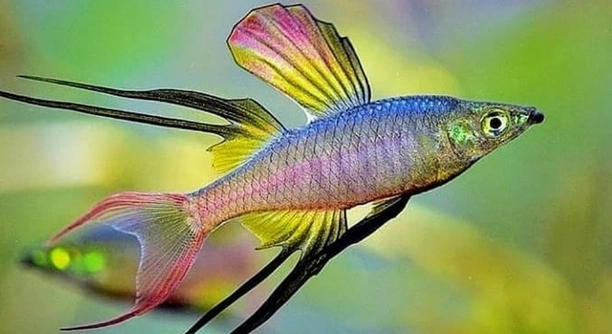
Many aquarists find Threadfin Rainbowfish fascinating for their shimmering colors and active nature. These fish can be sensitive when introduced to a new tank, reacting unexpectedly to changes in environment and routine.
Threadfin Rainbowfish often struggle in new tanks due to sudden water parameter changes, insufficient hiding spaces, improper acclimation, and stress from tankmates. These factors can disrupt their natural behavior and feeding patterns, requiring careful observation and gradual adjustments to stabilize them.
Learning these common triggers will help you create a calmer, healthier environment for your rainbowfish and improve their adjustment to a new aquarium setup.
Sudden Water Parameter Changes
Threadfin Rainbowfish are highly sensitive to changes in water conditions. A sudden shift in temperature, pH, or hardness can cause stress, leading to erratic swimming or hiding. Even small fluctuations in ammonia, nitrite, or nitrate levels may disturb their health. Consistency is key, especially during the first weeks after introducing them to a new tank. Gradual acclimation helps them adapt smoothly. Using a reliable water test kit and performing regular water changes can prevent these issues. Observing the fish closely for any signs of distress, such as clamped fins or loss of appetite, allows for quick intervention. Maintaining stable lighting and avoiding frequent rearrangements of decorations also reduces stress. A stable environment helps Threadfin Rainbowfish settle and display natural behaviors. Patience and careful monitoring ensure their adjustment is successful, promoting long-term health and well-being. Small, deliberate steps make a significant difference in their adaptation to the tank.
Careful monitoring of water quality and stability will help your fish remain healthy and active.
Maintaining proper water conditions includes checking temperature daily, avoiding rapid water changes, and keeping chemical levels balanced. Gradual acclimation, using drip methods or floating the bag before release, can prevent shock. Over time, the fish learn to adjust, showing improved color and feeding behavior. Providing stable conditions helps prevent diseases and promotes a longer, healthier life.
Lack of Hiding Spaces
Threadfin Rainbowfish feel more secure when the tank has plants, rocks, or decorations to hide behind. Without these, they may swim nervously and avoid open areas. Properly arranged hiding spots reduce stress and encourage natural behavior.
Adding plants or small decorations allows the fish to explore while having safe retreats when stressed.
Plants, caves, and dense foliage provide both security and enrichment. Fish can retreat when threatened or during periods of adjustment, reducing stress-induced behaviors like darting or excessive hiding. Varied hiding spaces also support breeding behaviors and create visual interest in the aquarium. Placement should allow for swimming space while maintaining cover, balancing openness with protection. Observing the fish’s preferred spots can guide future tank arrangements, making them feel more confident. Artificial and live plants can serve this purpose, and combining textures adds stimulation. Hiding spaces also improve overall health by lowering cortisol levels and encouraging natural feeding patterns. Regularly rotating or trimming plants keeps the environment fresh and engaging without causing shock. Thoughtful design ensures the fish feel secure and promotes long-term adaptation in the aquarium.
Improper Acclimation
Threadfin Rainbowfish need a slow introduction to new water. Sudden transfer from transport bags or a different tank can shock them, affecting behavior and appetite.
Using a drip acclimation method over 1–2 hours helps the fish adjust to temperature, pH, and hardness gradually. Slowly mixing small amounts of tank water with the bag water reduces stress. Avoid adding the fish directly to the tank without acclimation. Proper acclimation also reduces the risk of disease by allowing the fish’s immune system to adapt. Observing their behavior during this process ensures they are adjusting correctly. Taking time during acclimation shows positive results in their activity and color.
After acclimation, it is important to maintain stable conditions and avoid sudden changes. Feeding should be delayed until the fish explore the tank confidently. Regular water testing ensures ongoing stability and supports long-term health, helping them thrive in their new environment.
Stress from Tankmates
Aggressive or overly active fish can intimidate Threadfin Rainbowfish, causing hiding and reduced feeding. Careful selection of compatible species is crucial for a peaceful tank.
Choosing peaceful tankmates of similar size reduces stress and allows Threadfin Rainbowfish to display natural behaviors. Avoid fin-nippers or overly dominant fish that can chase or harass them. Observing interactions during initial introduction can prevent long-term issues. Creating visual barriers, like plants or rocks, gives fish space to retreat when needed. Gradually integrating new tankmates helps maintain harmony and lowers stress-related illnesses. Consistent observation ensures any conflicts are addressed promptly, protecting their well-being and comfort.
Overfeeding
Excess food can pollute the water, causing stress and health issues for Threadfin Rainbowfish. Feed only what they can consume within a few minutes to maintain water quality.
Smaller, frequent feedings are better than large meals. Overfeeding leads to leftover food decomposing, raising ammonia and nitrate levels. This creates a toxic environment, making the fish more prone to disease and stress. Observing their appetite helps adjust portions appropriately. Maintaining clean water supports their immune system and encourages natural activity.
Poor Water Circulation
Threadfin Rainbowfish thrive in tanks with gentle water flow. Stagnant water can lead to low oxygen levels and uneven temperature distribution, stressing the fish.
Adequate circulation ensures oxygen reaches all parts of the tank and helps distribute nutrients evenly. Using a filter or gentle powerhead creates a balanced current without overwhelming the fish. Regular maintenance keeps flow consistent, preventing dead zones that can harbor debris or toxins. Proper circulation also enhances overall tank health, promoting active swimming and natural behavior. Observing how the fish respond to currents can guide adjustments, ensuring a comfortable and stable environment that supports their long-term well-being.
Inconsistent Lighting
Threadfin Rainbowfish respond best to a stable light schedule. Sudden changes or prolonged darkness can confuse their natural rhythms and feeding patterns.
Sudden Introduction of Decorations
Adding new decorations abruptly can startle Threadfin Rainbowfish. Gradually introducing items helps them adjust without stress.
FAQ
How often should I feed Threadfin Rainbowfish?
Feeding small amounts 2–3 times daily works best. They have fast metabolisms and active swimming habits, so frequent, moderate feedings prevent leftover food and water quality issues. Avoid giving large portions at once, as uneaten food can decay and stress the fish.
What water parameters do Threadfin Rainbowfish prefer?
Ideal water temperature is 24–28°C (75–82°F), pH between 6.5–7.5, and moderate hardness. Stability is crucial, especially in a new tank. Sudden changes in temperature or pH can cause stress and suppress appetite. Regular testing helps maintain consistent conditions.
Can I keep Threadfin Rainbowfish with other fish?
Yes, but choose peaceful species of similar size. Aggressive or fin-nipping fish can stress them. Avoid overly territorial tankmates. Adding plants or decorations provides retreats and reduces conflicts. Gradual introductions help everyone adjust.
How long does it take for Threadfin Rainbowfish to adapt to a new tank?
Most fish adjust within 1–2 weeks if water is stable and hiding spaces are available. Some individuals may take longer. Observing feeding and swimming behavior helps determine if they are settling in properly. Patience is important.
Why are my Threadfin Rainbowfish hiding constantly?
Hiding can indicate stress from water changes, tankmates, or lack of shelter. Providing plants, rocks, or caves helps them feel secure. Sudden movements or loud noises can also cause temporary hiding behavior.
How do I prevent disease in Threadfin Rainbowfish?
Maintaining clean, stable water is the best prevention. Avoid overfeeding, remove uneaten food, and perform regular water changes. Quarantine new fish before adding them to the main tank to reduce risk of introducing infections.
What should I do if my Threadfin Rainbowfish stops eating?
Loss of appetite often indicates stress or illness. Check water parameters first. Ensure tankmates are not intimidating the fish. Provide high-quality food in small portions and monitor behavior. If the issue persists, consider consulting an aquarium specialist for guidance.
Do Threadfin Rainbowfish need a specific tank size?
A minimum of 30 gallons is recommended for a small school, as they are active swimmers. Larger tanks offer more swimming space and reduce territorial stress. Schools of 6 or more fish feel more secure and display natural behaviors.
Can I use artificial plants instead of live plants?
Yes, artificial plants provide hiding spots, but live plants improve water quality and oxygen levels. A mix of both can offer security and environmental benefits. Arrange them to create open swimming areas and retreats.
Is it normal for Threadfin Rainbowfish to jump?
Yes, they are agile and may jump when startled. A secure tank lid prevents accidents. Minimizing sudden disturbances and providing sufficient swimming space reduces the risk of jumping.
How do I know if my Threadfin Rainbowfish is stressed?
Signs include clamped fins, erratic swimming, hiding, or loss of appetite. Stress often results from poor water quality, aggressive tankmates, or sudden changes. Observing behavior daily allows for early intervention and prevents long-term health issues.
Can I keep Threadfin Rainbowfish alone?
No, they are schooling fish and need the company of their own kind. Keeping them alone can lead to stress, dull colors, and reduced activity. A small school promotes social behavior and overall well-being.
What is the best way to acclimate Threadfin Rainbowfish?
Float the transport bag in the tank for 15–20 minutes, then gradually mix tank water over 1–2 hours. Avoid dumping them directly into the tank. Slow acclimation minimizes stress and improves survival rates.
Are there specific foods Threadfin Rainbowfish prefer?
They enjoy a varied diet of flakes, pellets, frozen, and live foods. High-quality protein promotes growth and color. Rotating food types keeps them healthy and encourages natural feeding behaviors. Observing preferences helps adjust portions and feeding frequency.
How often should I perform water changes?
Weekly changes of 20–30% are recommended. Frequent changes maintain low nitrate and ammonia levels, supporting overall health. Avoid changing too much water at once, as sudden shifts can stress the fish. Consistency is key for stable conditions.
Can Threadfin Rainbowfish breed in a home tank?
Yes, with proper conditions including clean water, stable parameters, and dense plants for hiding fry. Males display brighter colors during breeding, and separating adults after spawning protects the young. Careful observation ensures a higher survival rate for the fry.
What are common signs of illness?
Symptoms include faded colors, labored swimming, clamped fins, or spots on the body. Early detection through close observation allows timely treatment. Addressing water quality, stress factors, and potential infections prevents serious health problems.
How do I maintain their vibrant colors?
Balanced nutrition, stable water, and low stress levels support natural coloration. Bright lighting and a clean environment also help. Avoid overcrowding and aggressive tankmates that can dull their appearance. Consistent care enhances their visual appeal.
What should I do if my fish are not schooling?
This often indicates stress or illness. Ensure the tank has enough space, proper water quality, and compatible tankmates. Introducing additional Threadfin Rainbowfish may encourage schooling behavior. Observing interactions helps determine adjustments needed.
Can they tolerate slightly brackish water?
Threadfin Rainbowfish prefer freshwater. Slightly brackish conditions are tolerable temporarily, but long-term exposure can cause stress or health issues. Maintaining consistent freshwater conditions is safest for their long-term well-being.
How do I handle sudden tank changes?
Introduce changes gradually. Adjust water parameters, decorations, or tankmates in small steps. Abrupt modifications can cause stress, hiding, and loss of appetite. Monitoring behavior during transitions ensures adjustments are well tolerated.
Are they sensitive to light changes?
Yes, sudden bright or flickering lights can startle them. A stable day-night cycle with gradual lighting transitions promotes comfort and natural activity. Using timers ensures consistency.
How can I tell if my fish are comfortable?
Signs include active swimming, regular feeding, bright colors, and occasional schooling. Comfortable fish explore the tank confidently and use hiding spaces appropriately. Monitoring daily behavior helps maintain a healthy environment.
Is tank maintenance difficult with Threadfin Rainbowfish?
Routine maintenance is straightforward if water quality is monitored. Regular water tests, partial changes, and cleaning decorations prevent stress and disease. Consistency and observation are more important than complicated procedures, making care manageable.
What is the recommended tank setup?
A long tank with open swimming areas, live or artificial plants, rocks, and gentle filtration works best. Stable water parameters, a lid to prevent jumping, and hiding spots support health and natural behavior. Careful layout promotes activity and reduces stress.
How do I deal with aggressive behavior in the tank?
Separate aggressive fish immediately. Ensure hiding spots and adequate space. Choosing compatible species from the start reduces conflicts. Observing interactions daily allows early intervention and prevents prolonged stress.
Are Threadfin Rainbowfish suitable for beginners?
They are manageable with attention to water stability, diet, and tankmates. Beginners can succeed by monitoring conditions, providing hiding spots, and maintaining regular care routines. Their active, colorful nature makes them rewarding for patient aquarists.
Can they live with plants like Java fern or Anubias?
Yes, these hardy plants provide shelter and do not disturb the fish. Threadfin Rainbowfish do not dig extensively, making them compatible with rooted or attached plants. A mix of dense and open areas encourages natural swimming behavior.
How do I know if my tank is overcrowded?
Signs include competition for food, darting, and constant hiding. Follow the guideline of at least 2–3 gallons per fish and provide adequate swimming space. Observing behavior helps adjust stocking levels before stress develops.
Do they need a specific diet for breeding?
High-protein foods, live or frozen, support breeding readiness. Conditioning males and females improves spawning success. Offering varied diets enhances egg quality and fry survival rates, supporting successful reproduction in home tanks.
Can water temperature fluctuations affect breeding?
Yes, stable temperatures encourage spawning. Fluctuations can delay or prevent breeding and stress adults. Maintaining consistent warmth and gentle filtration supports reproductive behaviors and healthy fry development.
How do I clean the tank without stressing the fish?
Perform partial water changes and gentle vacuuming. Avoid sudden temperature shifts. Move decorations slowly if necessary. Frequent, small maintenance tasks reduce stress compared to infrequent, extensive cleaning.
Can I keep juveniles with adults?
Yes, but provide plenty of hiding spots. Adults may stress smaller fish without adequate cover. Observing interactions ensures juveniles are safe and can grow without harassment.
What is the lifespan of Threadfin Rainbowfish?
With proper care, they live 5–7 years. Maintaining stable water, balanced diet, and low-stress conditions supports longevity. Regular monitoring and preventive care help them reach full lifespan potential.
How can I encourage natural behavior?
Provide open swimming areas, hiding spots, and a varied diet. Schools of at least six fish promote social interactions. Gentle water flow and stable conditions encourage exploration and activity. Observing daily helps maintain an engaging environment.
Are they prone to common fish diseases?
Like many freshwater fish, they can develop fin rot, ich, or bacterial infections if stressed. Maintaining water quality, avoiding overcrowding, and quarantining new additions reduce disease risk. Early detection ensures effective treatment and recovery.
Is it normal for them to change color temporarily?
Yes, stress, mood, or breeding behavior can cause temporary color changes. Bright colors return once the fish are comfortable, healthy, and unstressed. Observing environmental triggers helps minimize color fluctuations.
How important is tank size for schooling behavior?
Larger tanks encourage natural schooling and reduce stress. Tight spaces can cause aggressive interactions or hiding. Providing at least 30 gallons for a small group allows adequate movement and social structure.
Can I keep them with shrimp or snails?
Yes, peaceful invertebrates usually coexist well. Ensure shrimp or snails are not small enough to be eaten. Monitoring interactions prevents accidental predation. Hiding spots benefit both species.
Do they require supplements or vitamins?
A varied diet of high-quality flakes, pellets, and occasional live or frozen foods typically meets nutritional needs. Supplements are only necessary if deficiencies appear. Balanced feeding maintains health, color, and energy levels.
How do I handle molted or dead fish safely?
Remove immediately to prevent water contamination and disease spread. Clean the tank area and test water parameters to ensure no residual impact. Proper disposal and monitoring prevent further issues.
Can they tolerate slightly cooler water?
They prefer stable tropical temperatures. Short periods of slightly cooler water are tolerable but prolonged exposure may cause stress, sluggishness, or illness. Consistency is more important than minor fluctuations.
What is the best way to observe stress signs?
Watch swimming patterns, feeding, coloration, and interactions. Changes like hiding, darting, or loss of appetite indicate stress. Early detection allows corrective measures before long-term health effects occur.
Are they sensitive to chemical treatments?
Yes, medications or additives can stress or harm them. Always follow dosage instructions and consider quarantine tanks for treatment. Monitoring behavior during treatment ensures safety and effectiveness.
How do I maintain a healthy tank ecosystem?
Regular water testing, partial water changes, balanced feeding, and proper stocking create a stable environment. Plants, gentle filtration, and hiding spots support natural behaviors and overall health. Observation and small adjustments keep the ecosystem thriving.
Can Threadfin Rainbowfish adapt to changes over time?
Yes, gradual adjustments in tank conditions, diet, or tankmates allow them to adapt. Sudden changes should be avoided. Observation and patience ensure successful adaptation without stress or illness.
How do I handle aggressive feeding behavior?
Provide multiple feeding points and small portions. Observe for dominant individuals preventing others from eating. Adjusting distribution and timing ensures all fish receive adequate nutrition and reduces stress.
Is lighting important for their well-being?
Yes, stable lighting supports natural rhythms and feeding behavior. Avoid sudden bright lights or flickering. Timers help maintain consistency and promote healthy activity levels.
Can they tolerate water conditioners or additives?
Yes, but only as directed. Overuse or incorrect dosing can cause stress or harm. Using high-quality conditioners ensures water is safe for their sensitive systems.
Do they need specific tank decorations for comfort?
Yes, plants, rocks, and caves provide security and reduce stress. Proper arrangement balances open swimming space with hiding areas, supporting natural behavior and well-being.
How can I tell if my fish are happy?
Active swimming, bright colors, regular feeding, and social schooling indicate contentment. Observing consistent behavior over time confirms they are adjusting well to the tank.
Are they compatible with bettas?
Not ideal, as bettas can be aggressive and territorial. Peaceful schooling fish like Threadfin Rainbowfish may become stressed. Choosing calm, similarly sized species is safer for harmony.
How often should I check water parameters?
Weekly testing of temperature, pH, ammonia, nitrite, and nitrate is recommended. Consistent monitoring prevents problems and supports long-term health and comfort for the fish.
Can they tolerate tap water?
Yes, if properly treated with a water conditioner to remove chlorine, chloramine, and heavy metals. Untreated tap water can cause stress or illness. Testing ensures safe conditions.
What is the best temperature range for breeding?
Maintain 25–28°C (77–82°F) with stable conditions. Fluctuations can delay spawning. Warm, clean water encourages reproductive behavior and improves fry survival.
Do they interact with humans?
They are generally shy but may recognize feeding routines. Interaction is limited to observation and feeding response. Consistency in care builds a sense of routine comfort.
Are Threadfin Rainbowfish schooling fish?
Yes, schooling is natural. Groups of six or more reduce stress and encourage active, confident behavior. Smaller groups may feel insecure and hide more frequently.
Can they live in a planted tank only?
Yes, they thrive in planted tanks with sufficient open swimming areas. Dense plants provide shelter, while open spaces allow movement and schooling. Balanced arrangement promotes comfort and natural activity.
How do I prevent jumping accidents?
Use a secure lid. Minimize sudden disturbances and provide enough swimming space. A well-arranged tank reduces startling incidents and keeps them safe.
Do they require specific substrate types?
Fine gravel or sand works well. Avoid sharp substrates that can damage fins. Smooth substrate supports natural swimming and reduces stress.
Are they sensitive to noise?
Excessive vibrations or loud sounds can startle them. Keep the tank in a stable, low-noise environment to maintain calm behavior and reduce stress.
Can they live in community tanks?
Yes, with peaceful, similarly sized fish. Avoid aggressive or territorial species. Proper tank layout and hiding spots support harmony and natural behaviors.
Is quarantine necessary for new fish?
Yes, to prevent disease introduction. Quarantine for 2–3 weeks, monitor for illness, and only introduce healthy fish to the main tank.
Do they require special feeding techniques?
No, standard small portions and variety suffice. High-quality flakes, pellets, frozen, or live foods meet nutritional needs. Adjust portions based on appetite and behavior.
How do I encourage natural color display?
Stable water, varied diet, low stress, and appropriate lighting enhance vibrant coloration. Healthy, comfortable fish display bright, consistent colors.
Can they tolerate slight pH changes?
Minor fluctuations are manageable, but consistent stability is preferred. Sudden pH shifts can stress the fish and affect health. Gradual adjustments are safer.
Are they suitable for planted aquariums with delicate plants?
Yes, they are gentle and do not dig excessively. Plants remain largely undisturbed, providing shelter while maintaining natural behaviors.
Do they require aeration?
Moderate aeration supports oxygen levels, especially in densely stocked tanks. Gentle flow from filters or air stones is sufficient without overwhelming the fish.
How do I know if my tank is properly cycled?
Ammonia and nitrite should test at zero, with nitrate at safe levels. A cycled tank supports healthy fish and prevents stress or illness. Regular testing confirms stability.
What is the best way to introduce new fish?
Float the bag, gradually mix tank water, and observe behavior. Slow introduction minimizes stress and ensures safe integration into the existing community.
Can they tolerate sudden lighting changes?
No, abrupt shifts can startle them. Gradual transitions or timers maintain a natural rhythm and reduce stress.
Do they require specific water hardness?
Moderate hardness is preferred. Extremes in softness or hardness can cause stress or affect health. Monitoring and maintaining stability ensures comfort.
How do I maintain stable water temperature?
Use a reliable heater, thermometer, and consistent monitoring. Avoid placing tanks near drafts or heat sources. Stability is key for comfort and health.
Are they prone to jumping when stressed?
Yes, they may leap if startled. A secure lid and calm environment reduce the likelihood of jumping accidents.
Can they adapt to slightly cooler or warmer tanks temporarily?
Minor, short-term changes are tolerable, but prolonged exposure to extremes can cause stress, illness, or color loss. Stable conditions are always best.
How do I identify aggressive tankmates?
Watch for chasing, fin-nipping, or territorial behavior. Remove or separate aggressive species to prevent stress and injury to Threadfin Rainbowfish.
What is the best tank shape for schooling?
Long tanks allow natural swimming and coordination. Vertical height is less critical than horizontal space for proper schooling behavior and comfort.
Are they sensitive to chemical imbalances?
Yes, elevated ammonia, nitrite, or nitrate levels stress them and can lead to illness. Regular testing and partial water changes prevent imbalances.
How can I tell if my fish are feeding properly?
Active participation, bright coloration, and normal swimming indicate healthy feeding. Uneaten food or avoidance may signal stress, illness, or competition from tankmates.
Do they need a specific day-night cycle?
Yes, consistent light and dark periods help regulate behavior, feeding, and overall health. Timers can simplify maintaining a stable cycle.
Can they live in tanks with fluctuating temperatures?
Sudden changes are stressful. Maintaining stable temperatures prevents shock, loss of appetite, and disease. Gradual acclimation helps if adjustments are necessary.
Are Threadfin Rainbowfish sensitive to water additives?
Yes, excessive or incorrect dosing can harm them. Use products sparingly and follow instructions carefully. Observing behavior during treatment ensures safety.
Do they require large schools to thrive?
Yes, groups of at least six reduce stress, encourage natural behavior, and promote active swimming. Smaller numbers may feel insecure and hide.
Can they tolerate strong currents?
No, gentle flow is preferred. Strong currents can exhaust
Threadfin Rainbowfish are lively and colorful fish that bring energy to a tank, but they require careful attention, especially in new environments. They can easily become stressed if water parameters fluctuate, if they are overfed, or if they face aggressive tankmates. A stable environment, gradual acclimation, and proper tank setup make a significant difference in how well they adjust. Observing their behavior and responding to their needs ensures they remain healthy and active. Small changes, like introducing hiding spots or monitoring water quality, can greatly improve their comfort. These fish show their best colors and natural behaviors when they feel safe, so maintaining consistency and a calm tank environment is key.
Creating a comfortable home for Threadfin Rainbowfish involves more than just filling a tank with water. Attention to details such as the right temperature, pH, and hardness, along with gentle water flow, encourages healthy swimming and reduces stress. Proper feeding routines are equally important. Overfeeding or sudden changes in diet can upset their digestive systems and impact water quality. A varied diet of high-quality flakes, pellets, and occasional live or frozen foods keeps them energetic and vibrant. Additionally, providing a mix of plants, rocks, and open swimming space supports their natural behavior, giving them places to explore, hide, and feel secure. Observing them regularly allows you to notice subtle signs of stress or illness early, which is essential for long-term care.
Patience is vital when keeping Threadfin Rainbowfish. They may take time to settle into a new tank, and each fish adapts at its own pace. Schools of at least six fish help reduce stress and encourage social behavior. Thoughtful planning of tankmates, decorations, and feeding schedules makes it easier for them to thrive. Regular water testing, partial water changes, and careful acclimation practices contribute to a healthy environment. While it may require consistent effort, the result is a tank where the fish display vibrant colors, active schooling, and natural behaviors. Providing stability, attention, and care ensures that Threadfin Rainbowfish not only survive but flourish, creating a visually appealing and lively aquatic community.

Hello,
If you enjoy the content that we create, please consider saying a "Thank You!" by leaving a tip.
Every little bit helps us continue crafting quality advice that supports the health, happiness, and well-being of pets around the world, for pets of all shapes, sizes, and species.
We really appreciate the kindness and support that you show us!