
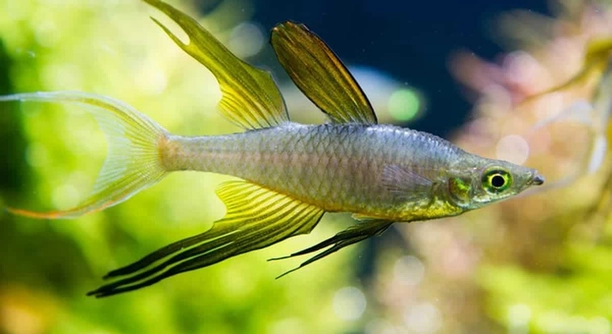
Are your Threadfin Rainbowfish swimming in a tank that feels crowded or unorganized? Maintaining a well-arranged aquarium can make a significant difference in their behavior and overall health, ensuring a more balanced and harmonious environment.
Threadfin Rainbowfish exhibit stress, aggression, or uneven growth when their tank layout is suboptimal. Rearranging decorations, plants, and hiding spots enhances water flow, reduces territorial disputes, and promotes natural schooling behavior, ultimately supporting the species’ physical and psychological well-being.
Understanding these signs will help you create a more comfortable and stimulating environment for your fish, ensuring they thrive and display their natural beauty.
Uneven Swimming Patterns
Threadfin Rainbowfish are naturally active swimmers, but uneven patterns can signal that your tank layout is causing discomfort. When fish cluster in certain areas or avoid others, it often reflects poor water flow or inadequate hiding spots. Plants, rocks, and decorations should be arranged to allow open swimming space while providing shelter. Crowded areas can increase stress and make fish more prone to disease. Observing their movement daily can help you identify sections that may need rearranging. Adjusting the placement of tall plants, floating decorations, or ornaments can encourage a more balanced distribution of fish throughout the tank.
Fish often linger near the edges or corners when their environment feels unsafe, highlighting the need for better placement of shelters or open swimming areas.
Rearranging should also consider natural light and filtration. Strong currents in some parts of the tank can drive fish to calmer zones, while dark or cluttered areas can be avoided. By observing swimming patterns carefully, you can create a layout that encourages exploration, reduces stress, and maintains a healthy social dynamic. Small adjustments, like moving a cluster of plants or repositioning a rock formation, can significantly improve swimming behavior. Over time, consistent observation ensures the tank supports natural behavior and keeps all fish equally active.
Increased Aggression
Aggression among Threadfin Rainbowfish can rise if the tank environment is poorly structured, causing territorial disputes.
Aggressive behavior often emerges when hiding spots are scarce or open spaces are unevenly distributed.
Rearranging decorations and plants can reduce aggression by breaking sightlines between dominant and subordinate fish. Adding vertical structures like tall plants or driftwood gives shy fish hiding places, while creating zones in the tank helps fish establish territories without constant conflict. Removing large, obstructive items that block swimming paths can also prevent confrontations. Observation is key; some individuals may still act aggressive, but a balanced layout minimizes repeated harassment. Regular adjustments, such as spacing decorations or relocating plants, can restore harmony, allowing all fish to coexist more peacefully. With thoughtful placement, the tank becomes safer, stress levels decrease, and the fish display more natural schooling and playful behaviors. Proper structure encourages social balance and supports their well-being in both small and larger aquariums.
Plants and Decorations Overcrowding
Too many plants or decorations can limit swimming space and reduce water circulation. Fish may feel trapped or stressed if open areas are restricted, causing uneven activity and hiding behavior. Proper spacing is essential for their comfort and health.
Crowded tanks often lead to Threadfin Rainbowfish avoiding certain areas, which can affect feeding and social interactions. Dense plant clusters block light and hinder movement, making some fish less active. Rearranging decorations to create open corridors and balanced plant placement encourages natural swimming patterns. Incorporating both tall and low plants can provide shelter without overwhelming the tank.
Adjusting décor gradually ensures fish adapt without sudden stress. Moving ornaments, trimming plants, or thinning dense clusters allows for better water flow and visibility. A balanced layout reduces aggression, supports schooling behavior, and keeps fish active. Thoughtful placement of each element creates a functional and comfortable environment while maintaining visual appeal in the tank.
Water Flow Disruption
Poorly placed decorations can obstruct filter output and create uneven water flow, causing certain areas to stagnate while others are too turbulent.
Threadfin Rainbowfish rely on moderate, consistent currents to stimulate natural swimming and maintain health. Blocked areas may accumulate debris, leading to uneven water quality and increased stress.
Rearranging decorations and plants can improve water distribution. Positioning rocks, driftwood, and tall plants to avoid the filter’s main output ensures smoother circulation throughout the tank. Open spaces near the middle allow fish to swim freely while still having access to sheltered zones. Adjusting flow helps prevent dead spots where detritus and waste collect, reducing maintenance needs and supporting healthier water conditions. Properly balanced flow encourages uniform swimming, minimizes aggression, and ensures all fish benefit equally from clean, oxygenated water. Consistent observation and small adjustments maintain a stable environment that supports both behavior and overall tank health.
Lack of Hiding Spots
Insufficient hiding places can make Threadfin Rainbowfish feel exposed and stressed. Fish may cling to tank edges or remain motionless, avoiding open swimming areas. Adding plants or small decorations can provide necessary shelter.
A balanced distribution of hiding spots helps reduce aggression and supports natural behavior. Fish feel safer and move more freely, creating a calmer tank environment.
Uneven Lighting
Uneven lighting can affect fish activity and plant growth. Bright spots may cause fish to avoid certain areas, while dim zones can limit visibility and affect behavior. Adjusting light placement or adding floating plants helps distribute light evenly, encouraging uniform activity throughout the tank.
Excessive Algae Growth
Excessive algae often appears when decorations or plants block water flow or light. Stagnant areas encourage growth, which can reduce oxygen levels and make fish less active.
Fish Clustering
Fish clustering in one area signals discomfort or environmental imbalance. Observing their preferred zones can guide rearranging efforts to distribute activity evenly.
FAQ
How often should I rearrange my Threadfin Rainbowfish tank?
Rearranging the tank doesn’t need to be frequent. Minor adjustments every few weeks or months can help maintain balance. Major changes should be done gradually to avoid stressing the fish. Moving plants, rocks, or decorations slowly allows the fish to adapt to the new layout without disruption.
Can too many hiding spots cause problems?
Yes, overcrowding the tank with hiding spots can limit swimming space and restrict water flow. Fish need a balance between shelter and open areas to swim freely. Aim for a mix of tall plants, low plants, and decorations while leaving enough room for active movement.
What is the best way to reduce aggression in the tank?
Aggression often arises from poor territory definition. Rearranging decorations to create separate zones or adding vertical elements like driftwood and tall plants can give shy fish places to retreat. Consistent observation allows you to identify problem areas and make adjustments before conflicts escalate.
How do I know if water flow is adequate?
Watch the fish’s swimming patterns. Fish avoiding certain areas or gathering in calm spots may indicate uneven flow. Ensure the filter output isn’t blocked by decorations, and leave open areas in the tank for unobstructed circulation. Adjust plants or ornaments gradually to improve flow.
Why are my fish clustering in one corner?
Clustering often signals stress, poor water quality, or a layout issue. Check for blocked swimming space, inadequate hiding spots, or uneven lighting. Rearranging plants and decorations can encourage exploration and distribute activity more evenly across the tank.
Can lighting affect fish behavior?
Yes, uneven lighting can make fish avoid bright or overly dim areas. Adjusting light placement or adding floating plants helps distribute light evenly. This encourages natural movement and ensures that all fish have access to well-lit areas without feeling exposed.
Does algae growth indicate a problem with tank layout?
Excessive algae can indicate stagnant water or uneven light. Areas blocked by dense decorations may allow debris accumulation, creating ideal conditions for algae. Rearranging plants and cleaning frequently helps prevent buildup and maintains healthier water conditions.
How do I safely move decorations without stressing my fish?
Move one item at a time, allowing fish to adjust before making additional changes. Avoid sudden shifts in the tank environment, as fish are sensitive to abrupt changes. Clean decorations during rearranging to maintain water quality and reduce stress.
What is the impact of open swimming space?
Open swimming areas are crucial for Threadfin Rainbowfish. They allow schooling, reduce stress, and encourage natural behavior. Balancing open space with strategic hiding spots supports healthy social interactions and prevents territorial disputes among the fish.
Should I consider fish personality when rearranging?
Yes, individual fish may have preferences. Some prefer sheltered areas, while others are more adventurous. Observing behavior helps you adjust the layout to meet the needs of all fish, creating a harmonious and balanced environment that encourages activity and reduces stress.
How long does it take for fish to adapt after rearranging?
Adaptation usually takes a few days to a week. Monitor behavior during this period, ensuring fish explore new areas and return to normal activity. Gradual changes and proper spacing accelerate adaptation while minimizing stress.
Are there signs that the tank still needs adjustments?
Yes, signs include clustering, hiding excessively, increased aggression, or uneven swimming. Continuous observation and small, careful adjustments help maintain a comfortable and healthy environment for all fish.
Can rearranging affect water quality?
It can temporarily disturb sediment or debris, but regular maintenance and gradual adjustments prevent major issues. Cleaning the tank, repositioning decorations carefully, and monitoring water parameters ensure stability and fish health.
What should I avoid when rearranging?
Avoid moving everything at once or placing decorations too densely. Sudden, large changes can stress fish. Also, don’t block filter output or overcrowd plants, as this reduces water circulation and swimming space. Gradual, thoughtful rearranging supports a healthy, balanced tank.
How do I know if my adjustments are successful?
Observe fish behavior over several days. Active swimming, even distribution, and reduced aggression indicate a positive response. Fish should explore all areas comfortably, showing confidence in both open and sheltered zones. Consistent monitoring ensures the tank remains functional and stress-free.
This FAQ addresses the most common concerns about maintaining a comfortable, balanced, and healthy environment for Threadfin Rainbowfish. Careful observation and gradual adjustments ensure long-term well-being while keeping the tank visually appealing and functional.
Threadfin Rainbowfish thrive best in an aquarium that balances open swimming space, adequate hiding spots, and proper water flow. Observing your fish regularly helps identify areas that may need adjustment. When fish cluster in corners, show signs of stress, or display aggression, it usually reflects an imbalance in their environment. Rearranging the tank with thoughtful placement of plants, rocks, and decorations can address these issues while promoting natural behavior. Gradual changes are crucial to avoid startling the fish, allowing them to adapt comfortably to the new layout. Paying attention to both physical elements and fish behavior ensures a healthy, harmonious tank that supports their overall well-being.
Water circulation and lighting also play key roles in a thriving aquarium. Poorly placed decorations can block filter output, creating stagnant areas where debris accumulates and algae grows. Uneven lighting may cause fish to avoid certain zones, leaving other areas underutilized. Balancing light and flow encourages even distribution of activity, helps maintain water quality, and reduces stress. Proper plant placement can complement these factors, providing shelter without overcrowding the tank. Open swimming areas combined with strategic hiding spots create a dynamic environment that caters to both active and shy fish. Monitoring these aspects over time allows for minor adjustments that maintain stability and ensure the tank continues to meet the fish’s needs.
Ultimately, a well-arranged tank benefits both the fish and the aquarium owner. Thoughtful planning and careful observation make the maintenance process easier, reducing the likelihood of stress-related behavior and health issues. Small changes, such as moving a cluster of plants, adding a driftwood piece, or repositioning a decoration, can significantly improve swimming patterns, social interactions, and overall vitality. Maintaining a balance between aesthetic appeal and functional design creates a space where Threadfin Rainbowfish can thrive naturally. Consistency in observation, gradual adjustments, and attention to detail ensure that your tank remains a healthy and engaging environment for your fish for years to come.

Hello,
If you enjoy the content that we create, please consider saying a "Thank You!" by leaving a tip.
Every little bit helps us continue crafting quality advice that supports the health, happiness, and well-being of pets around the world, for pets of all shapes, sizes, and species.
We really appreciate the kindness and support that you show us!