
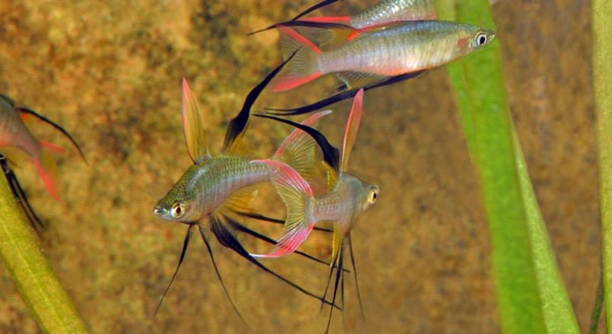
Have you ever noticed your threadfin rainbowfish behaving a little differently, perhaps swimming less or showing faded colors? Subtle changes like these can often signal the beginning of an underlying health issue.
The earliest signs of illness in threadfin rainbowfish include loss of appetite, clamped fins, discoloration, and sluggish swimming. These symptoms often indicate stress, poor water quality, or bacterial infection, requiring immediate observation and correction to prevent further complications.
Recognizing these early changes can make all the difference in maintaining a healthy aquarium and ensuring your threadfin rainbowfish thrive beautifully.
Recognizing the First Signs
Threadfin rainbowfish are known for their active swimming and bright colors, so when their behavior changes, it usually means something is wrong. A sick fish may appear less lively, hide more often, or stay near the surface or bottom for long periods. Their colors may dull, fins can clamp close to their bodies, and they might lose interest in food. Sometimes, small white spots or redness can appear on the skin, showing early signs of infection or parasites. These small indicators should never be ignored, as early detection gives you the best chance to restore their health quickly.
Paying attention to how your fish act during feeding and throughout the day helps you catch changes early. Noticing differences in their swimming or appearance can help you take action before the problem becomes serious.
A consistent routine and a sharp eye are your strongest tools in keeping your threadfin rainbowfish healthy. Clean water, proper feeding, and a stress-free environment make a significant difference in preventing sickness and promoting long-term vitality. Keep track of any changes, even the smallest ones, and act as soon as something feels off. Your observation can often mean the difference between a mild issue and a severe infection.
Addressing Early Illness
Once you notice early signs of illness, immediate action is essential. Delaying treatment can cause conditions to worsen quickly, affecting the entire aquarium.
Start by checking the water parameters, as poor water quality is the most common reason for fish sickness. Test for ammonia, nitrite, nitrate, and pH levels, and perform partial water changes if necessary. Remove any uneaten food or debris that may pollute the tank. Next, observe if any fish are being bullied or stressed, as stress weakens their immune systems. If you suspect infection, separate the sick fish into a quarantine tank for treatment. Using aquarium salt, adjusting temperature, or applying prescribed medication may help depending on the condition. Always research carefully before adding any treatment. Keep the environment calm with proper lighting and consistent feeding habits. Early, thoughtful intervention can save your fish and restore balance to your aquarium.
Preventing Common Health Issues
Clean, stable water conditions are the most important factor in preventing sickness. Regular maintenance, including partial water changes and filter cleaning, helps remove harmful toxins that can stress or weaken your threadfin rainbowfish over time.
A balanced diet is equally vital. Offer a mix of high-quality flakes, pellets, and occasional live or frozen foods to provide proper nutrition. Avoid overfeeding, as leftover food quickly pollutes the tank. Keep the temperature between 75°F and 82°F and maintain consistent pH levels. Sudden shifts in these conditions often cause stress, making fish more vulnerable to disease. Limit overcrowding and ensure adequate swimming space, as threadfin rainbowfish thrive in clean, well-oxygenated water with plenty of room to move freely.
Adding live plants can also help stabilize water quality by absorbing excess waste and providing a natural habitat. This creates a healthier environment and reduces the chance of illness spreading.
Monitoring Behavioral Changes
Careful observation helps detect early warning signs that may not be visible right away. Threadfin rainbowfish often show changes in swimming speed, appetite, or interaction when unwell, and these signals should not be overlooked. Consistent monitoring ensures problems are addressed before they escalate.
Keep a simple log of water changes, feeding patterns, and any noticeable behavioral shifts. This habit allows you to identify trends and act quickly if something seems unusual. Small details, such as a fish avoiding others or breathing more heavily, can point to specific issues like stress, poor oxygen levels, or infection. By maintaining a routine of observation and record-keeping, you build a clear understanding of your fish’s normal behavior, making it easier to recognize when something is wrong and intervene before it worsens.
Quarantine and Treatment Practices
Quarantining new or sick fish is one of the best ways to prevent the spread of illness. A separate tank allows observation and treatment without affecting healthy fish, reducing the risk of infection throughout the aquarium.
During quarantine, monitor the fish daily for visible symptoms or behavioral changes. Administer medications as needed and maintain clean, stable water conditions. Avoid using the same equipment for both tanks to prevent cross-contamination, and only return the fish to the main tank once fully recovered.
Importance of Water Testing
Regular water testing ensures a stable environment for threadfin rainbowfish. Checking ammonia, nitrite, nitrate, and pH levels helps identify imbalances early. Poor water quality often triggers stress and illness, so routine testing is key to prevention and long-term health maintenance.
Maintaining a Healthy Routine
Consistency in care keeps your fish thriving. Routine feeding, tank cleaning, and observation help you notice small issues early and fix them quickly. A steady environment reduces stress and supports strong immune health in your threadfin rainbowfish.
FAQ
What are the most common signs of illness in threadfin rainbowfish?
The most noticeable signs include clamped fins, faded colors, loss of appetite, and sluggish swimming. Affected fish might stay near the surface or bottom, isolate themselves, or breathe heavily. In some cases, small white spots, frayed fins, or bloating may appear. These symptoms often indicate stress, poor water conditions, or the beginning of bacterial or parasitic infections. Observing these changes early and taking quick action helps prevent further health decline and protects other fish in the aquarium.
How often should I check the water quality in my tank?
It is best to test your aquarium water at least once a week. Regular testing helps you maintain a safe environment by keeping ammonia, nitrite, and nitrate levels under control. Even slight imbalances can stress your fish, lowering their resistance to disease. If you notice any behavioral or color changes, test the water immediately, regardless of your schedule. Frequent water changes and filter maintenance are just as important, as they keep harmful waste and toxins from building up in the tank.
Can stress make my threadfin rainbowfish sick?
Yes, stress plays a large role in fish health. Threadfin rainbowfish are sensitive to changes in their environment, such as sudden temperature shifts, poor water quality, or overcrowding. Stress weakens their immune system, making them more likely to develop illnesses. Reducing stress means keeping a stable temperature, avoiding loud noises or sudden movements near the tank, and providing enough hiding spaces. A peaceful, clean environment helps them stay active, colorful, and healthy.
What should I do if one of my fish stops eating?
Loss of appetite can be an early sign of illness or stress. First, check the water parameters to make sure the conditions are safe. If everything is normal, observe the fish closely for other symptoms, such as clamped fins or irregular swimming. Try offering a variety of foods like live or frozen options, as some fish may refuse dry flakes or pellets when stressed. If the behavior continues for several days, isolate the fish in a quarantine tank for closer observation and treatment.
How long should I quarantine new fish before adding them to the main tank?
A two to four-week quarantine period is ideal. This timeframe allows you to observe new fish for signs of disease or parasites without risking your existing aquarium community. Keep the quarantine tank clean, stable, and equipped with proper filtration and temperature control. If the fish remain healthy and show no unusual behavior after this period, they can safely be introduced to the main tank. Always disinfect nets and equipment used between tanks to avoid contamination.
What type of diet keeps threadfin rainbowfish healthy?
A varied diet helps maintain their color and energy levels. High-quality flakes or micro pellets form a solid base, while live or frozen foods like brine shrimp or daphnia add valuable nutrients. Feed small amounts twice daily to prevent waste buildup. Overfeeding is one of the most common mistakes and can lead to poor water quality, which in turn causes health issues. Clean up uneaten food right after feeding to keep the environment fresh and balanced.
How can I tell if my fish are recovering from illness?
Improvement shows through better appetite, brighter colors, and more active swimming. Fins will appear less clamped, and the fish will interact normally with others again. Continue any treatment until symptoms are completely gone, and maintain optimal water quality throughout recovery. Even after visible improvement, monitor the fish for a few extra days to ensure no relapse occurs. Consistent care and gentle observation are key to helping your threadfin rainbowfish fully regain strength.
Are threadfin rainbowfish prone to specific diseases?
Yes, they can be vulnerable to common freshwater diseases such as ich, fin rot, and bacterial infections. Ich presents as small white spots, while fin rot causes frayed or decaying fins. Bacterial infections may show as redness or sores. These issues often arise from stress, poor water quality, or exposure to infected fish. Keeping their environment clean, balanced, and free from sudden changes greatly reduces the risk. Early detection and quick treatment lead to faster recovery and healthier fish overall.
What water parameters are best for threadfin rainbowfish?
They thrive in soft, slightly acidic to neutral water. Keep the pH between 6.0 and 7.5 and the temperature between 75°F and 82°F. Consistency is crucial, as sudden changes can stress them. Good filtration and proper oxygenation help maintain stability. Avoid overcrowding and always use a dechlorinator when adding new water.
Can lighting affect their health?
Yes, proper lighting is important for both health and behavior. Threadfin rainbowfish do best with moderate lighting that mimics a natural day-night cycle. Too much light can stress them or encourage algae growth, while too little can dull their color and reduce activity. Use a timer to maintain a consistent schedule, ideally with 8–10 hours of light daily.
How do I safely clean the tank without stressing the fish?
Perform partial water changes of about 25% weekly instead of a full cleaning. Use a gravel vacuum to remove waste, and rinse the filter media gently with tank water to preserve beneficial bacteria. Avoid sudden temperature shifts and harsh chemicals. Slow, steady maintenance routines help your fish stay comfortable and healthy.
Final Thoughts
Caring for threadfin rainbowfish requires attention, patience, and consistency. These delicate yet lively fish depend on a balanced environment to stay healthy. Their beauty and graceful movement bring calmness to any aquarium, but maintaining that health takes more than just feeding and cleaning. It means observing them daily, understanding their habits, and reacting quickly when something changes. Simple things like keeping the water clean, maintaining stable temperatures, and feeding a varied diet can prevent many common issues. Once you make these practices part of your regular routine, they become second nature, and your fish will reward you with bright colors and active behavior.
When illness does appear, early detection is the most powerful tool you have. Spotting small changes—like fading colors, clamped fins, or slower movement—can make the difference between a quick recovery and a serious outbreak. Threadfin rainbowfish are sensitive, and even minor stress can weaken their immune system. This is why consistent monitoring and water testing are essential. If a fish shows signs of sickness, act quickly by checking water quality, isolating the affected fish, and adjusting care routines as needed. Most problems start small, and addressing them early prevents harm to the entire aquarium. Each small step, from regular cleaning to careful feeding, adds up to a stable and thriving aquatic home.
In the end, keeping threadfin rainbowfish healthy is about creating balance. Their well-being reflects the care you put into their surroundings. Clean water, calm conditions, and mindful observation form the foundation of long-term health. Take time to watch how they swim, interact, and respond to changes. These moments not only help you detect problems early but also deepen your connection to their care. Remember that stability is more important than perfection—steady conditions and gentle attention go further than frequent changes or harsh treatments. With consistent effort and patience, your threadfin rainbowfish can live full, vibrant lives. Their shimmering colors and peaceful nature bring beauty to your aquarium, reminding you that good care always begins with awareness and small, thoughtful actions.

Hello,
If you enjoy the content that we create, please consider saying a "Thank You!" by leaving a tip.
Every little bit helps us continue crafting quality advice that supports the health, happiness, and well-being of pets around the world, for pets of all shapes, sizes, and species.
We really appreciate the kindness and support that you show us!