
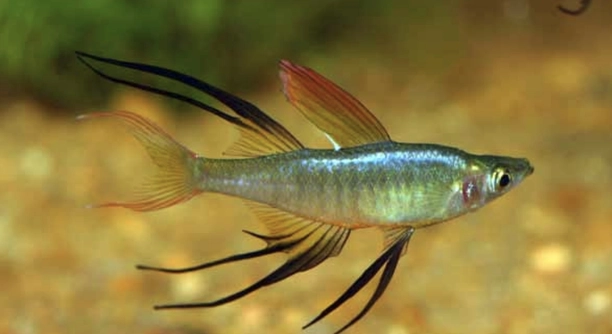
Have you ever noticed your Threadfin Rainbowfish behaving a little differently and wondered what those changes might mean before breeding begins? These subtle shifts often reveal fascinating details about their natural instincts and readiness to reproduce.
Right before breeding, Threadfin Rainbowfish display increased color vibrancy, heightened activity, and more pronounced fin movements. Males often chase females gently, showcasing their fins to attract attention. This behavior signals courtship readiness and strengthens pair bonds within their aquatic environment.
Recognizing these behaviors helps you understand their breeding cycle better and ensures a stress-free environment where your fish can thrive naturally and successfully reproduce.
Recognizing Pre-Breeding Behavior
Threadfin Rainbowfish begin showing clear behavioral changes once breeding is near. Males become noticeably brighter, displaying shimmering hues of yellow and silver that intensify under proper lighting. Their fins appear more elongated and expressive, often used to attract female attention through graceful, fluttering motions. Females, on the other hand, tend to appear fuller around the abdomen, signaling egg development. You may also notice an increase in group activity as males compete gently to impress the females. These interactions usually occur during early morning hours when the light is soft, and water temperature remains stable. Observing these subtle differences can help you identify the right time to prepare your aquarium for breeding.
Watching these interactions closely can also prevent stress among the fish. A calm, stable environment allows the males to court without aggression and the females to respond naturally to their displays.
By understanding these behaviors, you can create a supportive space that encourages healthy breeding and reduces unnecessary disturbances. Maintaining consistency in light, temperature, and feeding patterns makes your Threadfin Rainbowfish more comfortable and ready to spawn successfully. This awareness not only strengthens your care routine but also brings more insight into how these fish communicate and connect during one of their most active and colorful phases.
Preparing the Aquarium for Breeding
Creating a suitable breeding setup is essential for successful spawning. Threadfin Rainbowfish prefer slightly warmer water, around 78°F, and gentle filtration to keep the environment calm. Fine-leaved plants or spawning mops are important because they give females a safe place to deposit their eggs.
Before breeding begins, ensure the water is clean and well-oxygenated. Introduce a balanced diet rich in protein, such as live or frozen brine shrimp, to encourage energy and egg production. Dim lighting helps reduce stress and promotes natural behavior. Males often begin courtship once the environment feels secure and stimulating. Once eggs are laid, it’s important to separate the adults to prevent them from eating the eggs. Over the next few days, you’ll notice tiny fry emerging, which require infusoria or other fine foods for early nourishment. Following these steps carefully ensures a smoother breeding process and healthier offspring in your aquarium.
Courtship and Spawning Behavior
During courtship, males display more vivid coloration and spend time circling or chasing females in short, gentle bursts. Their movements become rhythmic and graceful, designed to catch the female’s attention without causing stress or aggression.
Once the female shows interest, both fish move toward fine plants or spawning mops. The male continues fluttering his fins while guiding her to the chosen spot. When she releases her eggs, he fertilizes them immediately, and the pair separates soon after. The eggs are adhesive, clinging to the plants where they will remain until hatching. This entire process often happens early in the morning when lighting is soft.
After spawning, it’s best to remove the adult fish to prevent them from consuming the eggs. The eggs typically hatch within a week, depending on temperature and water quality. Keeping the environment stable during this period ensures successful hatching and healthy fry development.
Caring for the Fry
Newly hatched fry are small and delicate, requiring careful attention. They feed on microscopic foods like infusoria for the first few days until they are large enough to accept baby brine shrimp or finely crushed flakes. Consistent feeding ensures proper growth.
Keep the fry tank clean and maintain gentle filtration to avoid sucking the fry into the filter. Regular water changes using dechlorinated water help maintain stability without disrupting their growth. Provide soft lighting to reduce stress and encourage feeding. As the fry grow, gradually introduce larger food options and monitor their development closely. Healthy, active fry will begin showing the vibrant colors typical of Threadfin Rainbowfish within a few weeks.
Common Breeding Challenges
Threadfin Rainbowfish may not always spawn successfully on the first attempt. Stress from overcrowding, poor water quality, or unstable temperature often prevents proper courtship. Males may lose color intensity, and females may withhold eggs until conditions improve.
Sometimes eggs fail to hatch due to fungal growth or lack of oxygen. Using gentle aeration and adding a few drops of methylene blue can help prevent fungal infections. Keeping the water clean and consistent is key to improving hatching rates and maintaining healthy fry development.
Maintaining Healthy Adults
After breeding, adult Threadfin Rainbowfish benefit from rest and recovery. Provide a protein-rich diet of live or frozen foods to restore their strength and maintain vibrant coloration. Regular water changes help reduce stress and keep them active for future breeding attempts.
Observing Behavior Over Time
Watching your Threadfin Rainbowfish throughout their breeding cycle helps you understand their habits better. With patience and consistent care, you can recognize their subtle communication patterns and create the right conditions for repeat, successful spawning.
FAQ
How can I tell when my Threadfin Rainbowfish is ready to breed?
Males become more colorful and display intense fin movements, while females appear fuller in the abdomen. They often swim actively and interact more with other fish. Observing these changes in a calm, stable environment helps you predict the ideal breeding period without causing stress.
What is the ideal water temperature for breeding?
Threadfin Rainbowfish breed best in slightly warmer water, around 78°F. Maintaining a consistent temperature is important, as sudden fluctuations can stress the fish and disrupt courtship or egg-laying behavior. A gentle heater and thermometer help keep conditions stable.
What type of environment should I provide for spawning?
Use fine-leaved plants or spawning mops, as these give females a safe place to lay eggs. Gentle filtration prevents strong currents from disturbing them, while dim lighting reduces stress and encourages natural behavior during courtship and spawning.
How long does it take for the eggs to hatch?
Eggs typically hatch within six to eight days depending on water temperature and quality. Warmer, stable conditions may speed up hatching slightly. Avoid disturbing the eggs, and keep the water clean to ensure healthy development of the fry.
Should I remove adult fish after spawning?
Yes, removing adults prevents them from eating the eggs. Place the eggs in a separate fry tank with gentle filtration and clean water. This improves survival rates and allows you to focus on caring for the newly hatched fry without interference.
What should I feed the fry initially?
Fry are very small and require microscopic foods like infusoria for the first few days. Once they grow slightly, you can introduce baby brine shrimp or finely crushed flakes. Feeding several small meals daily ensures proper growth and development during these early stages.
How can I prevent fungal infections on eggs?
Adding a few drops of methylene blue to the water helps reduce fungal growth. Maintaining clean water and gentle aeration also prevents eggs from sticking together and developing fungus, ensuring higher hatching success rates.
How often should I perform water changes for fry?
Small, frequent water changes help maintain water quality without shocking the fry. Use dechlorinated water at the same temperature as the tank to reduce stress and support healthy growth. Avoid large, sudden changes that could disturb the delicate fry.
When can I start feeding the fry regular fish food?
Once the fry are strong enough to consume small, finely crushed flakes or baby brine shrimp, you can gradually transition them. Continue monitoring growth and behavior, ensuring all fry get access to food. Adequate nutrition at this stage is essential for developing color and vitality.
Can Threadfin Rainbowfish breed multiple times a year?
Yes, under consistent, optimal conditions, they can breed multiple times. Maintaining stable water parameters, proper diet, and a stress-free environment encourages repeat spawning. Regular observation helps you identify readiness for each cycle and plan accordingly for successful breeding outcomes.
How long does it take for fry to show adult colors?
Vibrant coloration usually begins to appear within a few weeks, though full adult coloration may take several months. Providing a high-quality diet and stable tank conditions helps the fry develop strong colors and healthy fins as they mature.
What signs indicate problems in the breeding process?
Males losing color, females avoiding plants, or eggs developing fungus indicate issues. Stress, poor water quality, or overcrowding are common causes. Adjusting water parameters, feeding appropriately, and maintaining a calm environment often resolves these problems and supports successful breeding.
Is it necessary to separate males during the breeding period?
Separating males is not always required, but overcrowding can increase aggression. If multiple males are causing stress or chasing females too intensely, temporarily moving one to another tank reduces competition and protects both eggs and adult fish.
How do I maintain healthy adult fish between breeding cycles?
Provide a varied diet, regular water changes, and stable environmental conditions. Allowing time for recovery ensures adults remain vibrant and strong. Consistent care prepares them for future breeding while reducing stress and promoting overall well-being.
What common mistakes should I avoid when breeding Threadfin Rainbowfish?
Avoid sudden temperature changes, overcrowding, and inconsistent feeding. Failing to provide adequate spawning sites or removing adults too late can reduce egg survival. Monitoring water quality and observing fish behavior closely helps prevent these mistakes and improves breeding success.
This FAQ covers most questions about Threadfin Rainbowfish breeding, from recognizing courtship behaviors to raising healthy fry. Each step requires attention, patience, and consistency to ensure the fish thrive naturally.
Threadfin Rainbowfish are fascinating to observe, especially during their breeding season. Their subtle changes in behavior, from the males’ vibrant colors to the females’ fuller appearance, provide clear signs that breeding is near. Understanding these cues is important because it allows you to prepare the aquarium environment appropriately and ensures the fish remain comfortable and stress-free. Providing proper lighting, stable water temperature, and gentle filtration all contribute to creating a space where the fish can display their natural courtship behaviors. By paying attention to these details, you not only improve the chances of successful breeding but also gain insight into how these fish communicate and interact with one another in their habitat.
Caring for the eggs and newly hatched fry requires consistent attention and a careful approach. Eggs are delicate and can be prone to fungal infections or damage if the environment is not maintained properly. Removing adult fish after spawning, using spawning mops or fine-leaved plants, and keeping water conditions stable are essential steps to increase survival rates. Once the fry hatch, providing small, frequent feedings such as infusoria or baby brine shrimp helps them grow strong and healthy. Gradually introducing larger foods as they develop ensures they receive adequate nutrition while preventing stress. This stage of development is critical, and careful observation allows you to intervene if any issues arise, ensuring that the fry have the best possible chance to thrive.
Maintaining healthy adult Threadfin Rainbowfish between breeding cycles is equally important. A balanced diet, regular water changes, and a calm environment help them recover and prepare for future breeding. Observing their behavior over time not only helps detect readiness for breeding but also allows you to notice any health concerns early. Repeated, successful breeding is achievable with patience, consistent care, and attention to detail. By understanding the breeding process and providing the right conditions, you can enjoy the rewarding experience of watching your Threadfin Rainbowfish grow, reproduce, and thrive naturally in their aquarium. This approach ensures the well-being of both the adults and the next generation, creating a stable and healthy aquatic environment for all.

Hello,
If you enjoy the content that we create, please consider saying a "Thank You!" by leaving a tip.
Every little bit helps us continue crafting quality advice that supports the health, happiness, and well-being of pets around the world, for pets of all shapes, sizes, and species.
We really appreciate the kindness and support that you show us!