
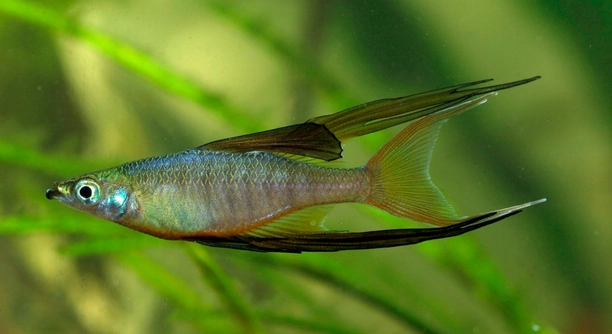
Do you ever find yourself adjusting your aquarium setup, trying to create the perfect water movement for your Threadfin Rainbowfish to thrive?
The best way to create a gentle flow for Threadfin Rainbowfish is by using a sponge filter or adjustable air pump. These devices allow you to control the current strength, ensuring your fish experience a calm, steady flow similar to their natural habitat.
Understanding how to maintain this soft current will help your Threadfin Rainbowfish stay comfortable, display vibrant colors, and move gracefully in their peaceful environment.
Understanding the Ideal Flow for Threadfin Rainbowfish
Threadfin Rainbowfish prefer a calm environment where water movement is light and steady. Their delicate fins are easily stressed by strong currents, which can cause exhaustion and damage over time. In their natural habitats, these fish live in slow-moving streams and shallow areas with gentle ripples. Replicating that balance in your aquarium is key to their comfort. Using sponge filters, air stones, or adjustable powerheads allows you to create consistent, mild circulation. It’s important to maintain oxygenation while preventing turbulence. Observing how your fish swim will help you determine if the flow is too strong or too weak.
A healthy flow encourages active swimming and reduces debris buildup in the tank, helping maintain water clarity and balance.
Maintaining the right flow also improves filtration efficiency, ensuring waste and uneaten food are properly circulated toward the filter. This helps stabilize water parameters, which are essential for the Threadfin Rainbowfish’s delicate nature. Keeping the flow gentle reduces stress, enhances their vibrant color display, and promotes natural schooling behavior. It also helps prevent fin damage, allowing them to move gracefully without strain. Regularly check water flow by watching their swimming patterns—if they struggle to hold position or hide often, reduce the current slightly to maintain comfort and health.
Setting Up the Equipment
Start by choosing a filtration system that provides adjustable flow, such as a sponge filter or hang-on-back filter with flow control. This flexibility lets you create the soft water movement Threadfin Rainbowfish need without overwhelming them.
When setting up your aquarium, position the outlet of your filter toward a side wall or use decorations to diffuse the current. This creates zones of gentle flow where your fish can swim freely without being pushed around. Plants and driftwood also help redirect water movement naturally while offering shaded, calm spaces. If using an air stone or bubbler, keep the airflow moderate—too much can disturb the surface and stress your fish. Regularly clean your equipment to prevent clogs that might alter flow strength. By combining proper setup with observation, you’ll maintain a stable and soothing environment your Threadfin Rainbowfish can thrive in, showing off their elegant fins and calm swimming patterns every day.
Adjusting Flow to Suit Your Threadfin Rainbowfish
A gentle, balanced current allows Threadfin Rainbowfish to swim comfortably without exhaustion. If the flow is too strong, they’ll struggle to maintain position or hide near corners. Adjusting your equipment’s settings helps you achieve a steady, calm water movement suitable for their delicate fins.
Monitor their behavior regularly to ensure the current remains comfortable. Fish swimming smoothly in mid-level areas or exploring the tank calmly signal a proper flow. If they constantly fight against the current, lower the filter output or redirect it with plants or rocks. Threadfin Rainbowfish are sensitive, and even small changes in circulation can affect their mood and health. Adjust slowly and give them time to adapt before making further changes, allowing the aquarium to remain balanced and peaceful for your fish.
Consistency is key when managing flow. Avoid frequent adjustments that can stress your fish and disrupt their routine. Once you find the right strength, mark your filter’s setting to maintain stability. Keeping a steady flow helps oxygenate the water evenly and supports beneficial bacteria growth, improving overall water quality. The result is a calmer, healthier aquarium environment where your Threadfin Rainbowfish can display their natural colors and behavior comfortably.
Enhancing the Environment for Comfort
Adding live plants such as Vallisneria, Java Fern, or Water Sprite helps reduce water flow while creating natural resting areas. These plants not only soften the current but also improve oxygen levels and water quality for your Threadfin Rainbowfish.
For a balanced setup, place plants strategically along the filter outlet or near strong flow zones to disperse movement. Driftwood and smooth rocks can also redirect currents, forming calm zones where fish can rest. Avoid overcrowding the tank, as too many decorations restrict swimming space. Keep open areas for active movement while maintaining shaded, gentle-flow spots. Maintaining this balance between open water and shelter supports both mental and physical well-being, giving Threadfin Rainbowfish the space to display their natural grace while staying relaxed and secure in their habitat.
Maintaining Stability in Water Flow
Once the right flow is established, consistency becomes essential. Avoid sudden adjustments that may startle or stress your Threadfin Rainbowfish. Sudden changes in current can disrupt their swimming patterns and make them retreat more often into calmer areas of the tank.
Check your equipment weekly to ensure it’s running smoothly. Clean filters and air stones regularly to prevent clogging, which can change water movement unexpectedly. Even slight blockages can alter the flow direction and strength, affecting oxygen circulation and stability. Keeping maintenance consistent ensures your fish remain calm and active in a balanced environment.
Observing Behavior for Flow Feedback
Watching your Threadfin Rainbowfish gives you clear signs of how they feel about the current. Smooth, steady swimming and relaxed fin movement indicate comfort, while constant hiding or erratic swimming suggest the flow is too strong. Adjust gradually until they move effortlessly throughout the tank.
Preventing Overcirculation
Avoid adding too many flow-generating devices, as this can create overpowering currents. One well-adjusted filter or air pump is usually enough for Threadfin Rainbowfish. Too much movement can tire them and reduce their feeding activity, so maintaining a gentle balance is always better than excess circulation.
FAQ
How strong should the water flow be for Threadfin Rainbowfish?
The flow should be gentle and steady, resembling the calm movement of water in their natural habitats. Avoid powerful currents that cause them to fight against the water or hide frequently. A balanced flow allows them to swim smoothly without struggling. Their delicate fins can easily become stressed or damaged by excessive turbulence, so keeping a low to moderate current ensures their comfort. When properly adjusted, they’ll glide peacefully through mid-level areas of the tank and display their full colors with ease.
What type of filter is best for maintaining a gentle flow?
A sponge filter is often the best choice, as it offers both biological filtration and adjustable airflow. Hang-on-back filters with flow control options also work well when tuned to low settings. Sponge filters create even, mild water circulation that won’t disturb delicate fins. They are also easy to clean and safe for small or slow-swimming fish. The key is ensuring consistent water movement without producing excessive bubbles or strong jets that could disrupt the calm environment your Threadfin Rainbowfish prefers.
Can I use an air stone or bubbler in the tank?
Yes, but it should be used carefully. Air stones can improve oxygen levels, but too much bubbling may create unwanted turbulence. To control this, use an adjustable air pump and keep the airflow moderate. Placing the air stone in a corner or behind plants helps diffuse the movement before it reaches open areas. Threadfin Rainbowfish thrive when the water surface ripples lightly without vigorous agitation. Always monitor their swimming patterns after adjusting air flow to ensure they remain relaxed and active.
How can I tell if the water flow is too strong?
You can easily identify this by watching your fish. If they constantly seek shelter, struggle to hold position, or move only along the edges of the tank, the current is likely too intense. Strong flow may cause their long fins to sway excessively or lead to exhaustion. Adjust the filter or redirect the outflow with decorations until they swim calmly in the open. Ideally, they should appear relaxed, swimming steadily through the mid and upper levels without hiding or drifting backward.
Do plants really help control water flow?
Yes, plants play a big role in softening the current. Tall or broad-leafed plants like Vallisneria, Water Sprite, and Java Fern naturally break up the flow, creating sheltered zones. They help maintain balance between calm resting areas and open swimming spaces. Plants also improve water quality by absorbing excess nutrients and providing oxygen. Strategically placing them near filter outlets or air stones allows your Threadfin Rainbowfish to enjoy calm zones while still benefiting from gentle circulation across the tank.
Should I turn off the filter at night to reduce flow?
It’s not recommended to turn off the filter at night. Doing so can affect oxygen levels and disrupt beneficial bacteria responsible for maintaining water quality. Instead, use a filter with adjustable settings to lower the current slightly if needed. Keeping the flow consistent is better for your fish’s overall health and comfort. Threadfin Rainbowfish adapt well to gentle, continuous circulation, and sudden changes in water movement can cause stress or disturb their natural rhythm.
How often should I check the flow strength?
It’s best to check the flow every few days, especially after cleaning or adjusting equipment. Filters can gradually lose efficiency due to debris buildup, changing the flow pattern. Observing your fish helps you notice subtle differences faster than relying solely on equipment indicators. If you see them lingering in one corner or struggling near the filter, it’s time to inspect the setup. Consistent observation ensures their habitat remains peaceful, healthy, and properly balanced.
Can lighting or temperature affect water flow needs?
Indirectly, yes. Warmer water tends to hold less oxygen, so slightly stronger flow might be beneficial in higher temperatures to keep oxygen levels stable. However, it should still remain gentle and steady. Lighting doesn’t directly change flow needs, but strong light encourages plant growth, which can alter circulation patterns over time. Keeping temperature and light stable supports both plant health and water balance, ensuring your Threadfin Rainbowfish remain active and stress-free.
What happens if the flow is too weak?
A flow that’s too weak can lead to poor filtration, low oxygen levels, and stagnant areas where waste collects. This may cause water quality issues over time. Threadfin Rainbowfish need steady but soft circulation to keep the environment fresh. You can increase flow slightly by adjusting the filter outlet or adding a small air stone. The goal is to enhance movement without causing disturbance. Once balanced, your fish will stay healthy, active, and display their natural, flowing fins with confidence.
Final Thoughts
Creating a gentle flow for Threadfin Rainbowfish is about more than adjusting equipment—it’s about understanding their natural behavior and providing an environment that mirrors the calm, shallow waters they come from. These fish thrive in stability and balance, and every detail of their habitat contributes to their overall comfort. A soft current allows them to move freely, display their beautiful fins, and interact naturally without strain. When the flow is just right, they appear calm and confident, gliding effortlessly through the water while showing vibrant colors that reflect their good health. It’s a sign that the conditions are ideal and that your efforts in creating a peaceful setup are truly paying off.
Maintaining this gentle balance requires observation and consistency. It’s important to monitor their behavior daily, as even slight changes in current or equipment can alter their comfort. A sudden increase in flow can stress them, while stagnant water can cause oxygen levels to drop. Keeping filters and air pumps clean ensures steady circulation and prevents abrupt shifts in water movement. Adding natural elements like plants and driftwood not only beautifies the tank but also helps diffuse flow, giving the fish resting areas and calm zones. The presence of these soft structures helps maintain equilibrium within the tank, both visually and functionally, creating an atmosphere that feels natural and safe for your fish.
In the end, achieving the right flow is about attentiveness rather than complexity. It doesn’t take advanced systems or constant adjustments—just thoughtful observation and steady care. Threadfin Rainbowfish are sensitive, and they respond quickly to the quality of their surroundings. When provided with a stable, gentle flow, they remain active, healthy, and display their graceful swimming with ease. Over time, this calm environment promotes longevity and reduces stress-related issues. The satisfaction of seeing them thrive in a tank that supports their natural tendencies makes the effort worthwhile. By maintaining a gentle current, you’re not only ensuring their physical health but also nurturing an atmosphere of tranquility within your aquarium. It’s a reminder that sometimes, the most peaceful environments come from small, consistent choices made with care and understanding.

Hello,
If you enjoy the content that we create, please consider saying a "Thank You!" by leaving a tip.
Every little bit helps us continue crafting quality advice that supports the health, happiness, and well-being of pets around the world, for pets of all shapes, sizes, and species.
We really appreciate the kindness and support that you show us!