
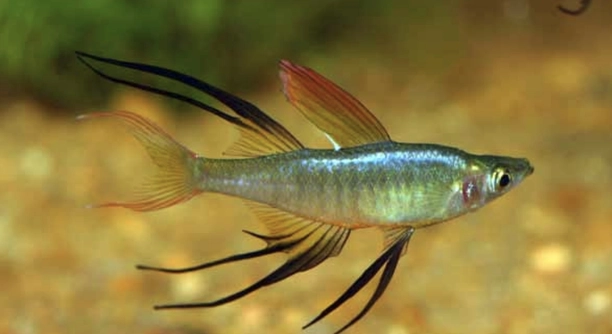
Have you ever watched your threadfin rainbowfish shimmer under the light, their silvery sides flashing like tiny mirrors, and wondered why they do that? These colorful fish have a unique way of communicating through their radiant displays.
Threadfin rainbowfish flash their sides primarily as a form of social communication and display behavior. The flashes can signal dominance, attract mates, or warn rivals. This reflective gesture helps them establish hierarchy and express readiness to breed within their aquatic community.
Their luminous performance is more than beauty—it’s a fascinating blend of instinct, biology, and environmental response shaping their daily interactions.
Communication Through Light
Threadfin rainbowfish use their shimmering sides as a natural signaling tool. The flashes serve as visual messages, allowing them to communicate quickly and effectively within their schools. Males often use these displays to establish territory or attract females during mating seasons. The reflections created by light bouncing off their scales act as visual cues, especially in clear water environments where sound and scent play little role. Their movements are deliberate, catching and bending light in specific ways to express intent. This natural adaptation highlights the importance of visual communication in species that rely heavily on movement and light perception.
The reflective flashes also help maintain harmony among the group, reducing aggression by signaling dominance or submission without physical confrontation. This behavior ensures smoother social interactions and minimizes potential conflicts.
When closely observed, these flashes reveal not only the beauty of the threadfin rainbowfish but also the precision behind their communication. They rely on angles, timing, and the brightness of their scales to send the right signals. During courtship, males flash more frequently, showcasing their health and strength. In contrast, when threatened or stressed, the brightness may reduce, signaling caution or retreat. This adaptive communication method allows them to survive and thrive in visually complex environments where clarity and timing are vital.
Attraction and Mating Displays
Flashing is most intense during breeding periods when males compete for attention. The vivid light reflections become an expression of vitality, signaling strength and readiness to potential mates.
During these displays, males position themselves in well-lit areas to maximize the visibility of their reflective sides. They often swim in a rhythmic motion, turning slightly to catch and release light across their bodies in controlled flashes. This movement is not random—it’s a calculated act of attraction. The brighter and more consistent the flash, the higher the male’s chance of being chosen by a female. Researchers have found that females respond positively to brighter, more rhythmic displays, associating them with good health and strong genetics. Once a pair forms, their interactions become more synchronized, reinforcing their bond. These patterns highlight how communication through light is deeply tied to survival, reproduction, and the continuation of their species in the delicate balance of freshwater habitats.
Environmental Triggers Behind Flashing
Threadfin rainbowfish adjust their flashing behavior based on environmental factors such as lighting, water clarity, and habitat conditions. Natural sunlight or aquarium lighting can intensify the shimmer, influencing how often and how strongly they display their sides.
In the wild, the brightness of their flashes increases during daylight when sunlight filters through the water, enhancing visibility. In aquariums, the positioning of lights can also affect how these fish communicate and interact. If lighting is too dim, their reflective signaling may decrease, leading to less social activity. Water quality also plays a major role—clear water allows light to travel easily, strengthening the visual impact of their flashes. Poor conditions or murky water can dull their appearance and reduce communication effectiveness. Maintaining consistent lighting and clean water supports both their health and natural behavior patterns, helping them express themselves more confidently.
These visual signals are sensitive to even minor environmental changes. A sudden shift in brightness or water conditions can alter their behavior instantly. When stressed by poor lighting or temperature fluctuations, threadfin rainbowfish often reduce their flashing or hide more frequently. Stable surroundings help maintain natural rhythms, encouraging healthy interaction and reducing unnecessary stress. Observing their reactions to different conditions can also help owners fine-tune aquarium setups for optimal comfort and communication.
Hierarchy and Social Interaction
Flashing among threadfin rainbowfish also plays a key role in establishing rank and maintaining order. Within their social groups, dominant fish use brighter flashes to assert status, while others respond with subtler reflections to show submission.
These interactions help prevent aggression and maintain stability within the group. When two males confront each other, their flashes intensify momentarily, creating a silent negotiation of power without physical conflict. The subordinate fish usually reduces its flashing and shifts away, signaling acknowledgment of hierarchy. This visual exchange keeps the group organized and peaceful. In captivity, observing this behavior can help aquarists identify dominant individuals and ensure balanced tank conditions. Providing enough space and cover also helps manage competition. By understanding the meaning behind their flashes, it becomes easier to appreciate how these fish communicate respect, strength, and cooperation without resorting to aggression.
Stress and Defensive Behavior
When threadfin rainbowfish feel threatened, their flashing patterns change noticeably. The bright reflections may dim or stop entirely, signaling fear or submission. This reaction helps them blend into their surroundings, making it harder for predators to detect them in the water.
Stress from sudden movements, overcrowding, or aggressive tankmates can also suppress flashing behavior. Reduced light reflection often indicates discomfort, so observing these changes can help identify early signs of distress. Ensuring calm surroundings and stable conditions encourages them to display naturally again.
Health and Scale Condition
Healthy threadfin rainbowfish have vibrant, reflective scales that enhance their communication. When they fall ill or their scales are damaged, the flashing becomes dull and less effective. This visual change serves as a natural indicator of health issues.
Maintaining good water quality, balanced nutrition, and low stress levels supports their scale health. Clean, oxygenated water prevents dulling and disease, while proper feeding enhances coloration and shine. Regular observation of their appearance helps detect early problems. Healthy scales don’t just add beauty—they play a vital role in communication, social balance, and breeding success among these graceful fish.
Observing Their Natural Behavior
Watching threadfin rainbowfish interact through light-based communication reveals the complexity of their behavior. Their graceful flashes are more than decoration—they represent emotion, intent, and survival instincts expressed through subtle movement and reflection. Understanding these signals deepens appreciation for their quiet, intricate social world.
FAQ
Why do threadfin rainbowfish flash more at certain times of day?
Threadfin rainbowfish are sensitive to light levels and environmental conditions. Flashes are typically brighter and more frequent during daylight or when tank lighting mimics natural sunlight. The intensity of their flashes helps them communicate effectively with other fish, whether for mating, establishing dominance, or alerting group members to potential threats. Reduced flashing usually occurs during low light or when they feel stressed, conserving energy and reducing visibility to predators. Observing the timing of their flashes can help aquarists understand natural activity patterns and adjust lighting to support healthy behavior.
Do only males flash their sides?
While males are generally the more prominent flashers, especially during courtship, females can also reflect light, though usually more subtly. Male flashes tend to be brighter and more rhythmic, intended to attract females or assert dominance over rivals. Females may flash in response to male displays or as a sign of submission within the social hierarchy. Watching the difference between male and female flashing provides insight into their interactions and helps identify breeding readiness. Proper tank conditions, with adequate space and light, allow both sexes to display naturally.
Can flashing indicate stress or illness?
Yes, changes in flashing patterns often signal stress or health issues. Dimmed flashes or sudden reductions in display frequency can indicate discomfort, poor water quality, overcrowding, or illness. Observing flashing alongside other behavior, such as hiding, loss of appetite, or lethargy, can help detect problems early. Maintaining clean water, stable temperatures, and a balanced diet supports their health and encourages normal flashing behavior. Quick intervention when patterns change can prevent illness from worsening and restore healthy activity levels in the aquarium.
Does the size of the tank affect flashing behavior?
Tank size and layout strongly influence flashing. In small or overcrowded tanks, fish may flash less often due to stress or limited swimming space. Providing sufficient room, hiding spots, and clear swimming areas encourages natural displays and reduces conflict. Larger tanks allow males to perform courtship displays fully and maintain social hierarchies without constant confrontation. Arranging plants and decorations to create open, well-lit areas helps maximize visibility of their reflective sides.
How does water clarity affect the visibility of flashes?
Clear water is essential for effective visual communication. Murky or dirty water reduces light penetration, making flashes less visible and interfering with social signaling. Threadfin rainbowfish rely on their reflective scales to communicate, so poor water clarity can lead to misunderstandings, aggression, or breeding difficulties. Regular water changes, proper filtration, and avoiding excess waste ensure clarity and support healthy flashing behavior. Clean, clear water also highlights their natural beauty, making displays more striking and easier to observe.
Can flashing be influenced by tank lighting?
Yes, lighting has a direct effect on the intensity and frequency of flashes. Bright, well-positioned lights mimic natural sunlight, enhancing the reflective quality of their scales. LED or daylight-spectrum lighting works best for aquariums, while uneven or dim lighting may reduce visual signaling. Observing their flashing under different lighting conditions can help fine-tune setups to encourage natural behavior, strengthen social interactions, and support mating displays. Consistent light schedules also help maintain their biological rhythms.
Are flashes used to establish dominance?
Absolutely. Flashing is a primary tool for social interaction and hierarchy establishment. Dominant males use bright, frequent flashes to assert control, while subordinate fish respond with subdued reflections or retreat. These visual signals reduce the need for physical aggression, keeping the group stable and minimizing stress. Observing these behaviors helps identify social dynamics and ensures the tank environment accommodates each fish’s space and safety needs.
Do environmental changes affect flashing patterns?
Environmental shifts such as temperature fluctuations, new tankmates, or changes in water chemistry can impact flashing. Fish may dim their flashes or change frequency in response to stress or uncertainty. Gradual acclimation, stable water parameters, and predictable conditions help maintain natural behavior. Monitoring how fish respond to changes allows for better care and minimizes stress-related behavior disruptions.
Can flashing help in breeding threadfin rainbowfish?
Yes, flashing plays a crucial role in reproduction. Males use bright, rhythmic flashes to attract females, signaling health and readiness to mate. Females respond selectively, often choosing males with the most consistent and vivid displays. Ensuring proper lighting, space, and water quality enhances these visual cues, supporting successful mating and natural pair formation.
How can I encourage healthy flashing in my aquarium?
To promote natural flashing, maintain clean, clear water and stable temperatures. Provide ample swimming space, open areas for light reflection, and well-positioned aquarium lighting. Avoid overcrowding, reduce stressors, and provide a balanced diet rich in nutrients. Observing their natural behavior and adjusting the environment accordingly helps fish display confidently and thrive socially.
Threadfin rainbowfish are remarkable creatures whose flashing behavior is more than just a visual spectacle. Their shimmering sides serve as a sophisticated method of communication, helping them convey social status, mood, and readiness to mate. Observing these flashes can reveal a lot about their interactions and relationships within the group. In both natural habitats and aquariums, the intensity, frequency, and pattern of their flashes indicate dominance, submission, or courtship. Bright, rhythmic flashes often come from healthy, confident males, while subdued or irregular flashes may suggest stress, illness, or social withdrawal. Understanding these visual cues allows aquarists to interpret their fish’s behavior accurately and respond appropriately to their needs.
Environmental factors play a crucial role in the way threadfin rainbowfish display their flashes. Light, water clarity, and tank layout all influence how effectively they can communicate. Clear, well-lit water allows flashes to be visible to other fish, supporting social interaction and minimizing misunderstandings. Overcrowding or poorly arranged tanks can reduce visibility and increase stress, causing subdued or inconsistent flashes. Stable water parameters, proper temperature, and clean conditions ensure that these fish maintain their natural behavior. Even minor changes in light or water quality can alter flashing patterns, making observation a key part of understanding their well-being. When provided with the right conditions, threadfin rainbowfish not only exhibit their natural beauty but also maintain healthy social structures and breeding behaviors.
Flashing is also closely linked to health and vitality. Healthy fish with intact, reflective scales display more frequent and brighter flashes. Poor diet, illness, or damaged scales can result in dull or irregular flashes, signaling that the fish may need attention. Regular observation of flashing patterns allows aquarists to detect potential problems early and make necessary adjustments. Supporting their health with high-quality nutrition, adequate space, and a stress-free environment ensures that these flashes remain vivid and functional. In essence, the flashing of threadfin rainbowfish is a window into their behavior, health, and social life. By paying attention to these subtle signals, we gain insight into their needs and can provide care that fosters both their physical well-being and natural behaviors.

Hello,
If you enjoy the content that we create, please consider saying a "Thank You!" by leaving a tip.
Every little bit helps us continue crafting quality advice that supports the health, happiness, and well-being of pets around the world, for pets of all shapes, sizes, and species.
We really appreciate the kindness and support that you show us!