
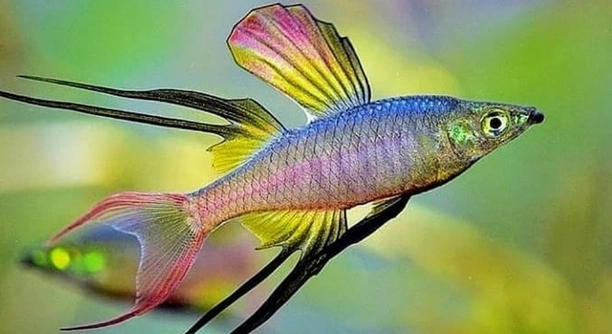
Do you ever notice your threadfin rainbowfish swimming gracefully in their tank and wonder what goes on in their little world? These colorful fish can be surprisingly active, responding to their surroundings in ways that catch your attention.
Threadfin rainbowfish exhibit visual awareness and can respond to human presence. Their behavior changes when they detect movement near the tank, suggesting a level of attentiveness and environmental monitoring that influences swimming patterns and social interactions within their group.
Observing their reactions can reveal more about their daily habits and subtle cues they display in response to humans. Understanding these behaviors adds depth to keeping them happy and healthy.
How Threadfin Rainbowfish Sense Movement
Threadfin rainbowfish have keen eyesight, which helps them notice even slight movements around their tank. I often watch mine shift their swimming patterns when I approach, tilt my head, or move my hand near the glass. Their eyes can track motion quickly, allowing them to respond with small bursts of speed or subtle position changes. In a group, this behavior spreads, and other fish seem to notice the change too. This sensitivity likely comes from their natural instincts in the wild, where spotting potential predators or changes in their environment could be crucial for survival. Even without threats, they display a mix of curiosity and caution. Bright lighting, reflections, and sudden hand movements can amplify their reactions. By observing them over time, I noticed patterns in how they respond to different people and objects. Their reactions aren’t random; they are consistent and show awareness that makes watching them quietly rewarding and engaging for anyone caring for them.
Their ability to detect motion is impressive and allows them to interact subtly with their environment.
Watching how they respond to humans helps understand their needs. Over time, this awareness can improve tank conditions and social interactions among fish. Noticing their cues, like changes in speed or direction, gives insights into comfort levels, health, and even feeding readiness. It also encourages quieter, more mindful observation, which can reduce stress for the fish. Understanding these behaviors can help maintain a balanced tank where fish feel secure. Reactivity to movement is more than a survival trait—it is a form of communication within their small group. Patterns of motion detection differ slightly among individual fish, adding layers to how one can interact with them. Observing these behaviors enhances appreciation for their intelligence, showing that even small fish can demonstrate awareness and adaptability. Adjusting the environment, such as lighting or tank decorations, influences how visible motion cues are. Overall, noticing these details makes caring for threadfin rainbowfish more rewarding and informed.
Subtle Signs of Awareness
Even small changes in swimming speed can indicate alertness.
They may flare fins slightly or tilt their bodies when someone stands nearby. This isn’t always fear; it can reflect curiosity or recognition. Over time, fish become familiar with regular activity patterns in the room. Environmental cues, like shadows or sudden movements, often trigger these responses. Watching these signs helps me better anticipate when they are about to eat or interact. Adjusting my movements to be smoother reduces their startle responses and makes tank observation more enjoyable. Awareness is not just reactionary—it shows cognitive processing and attention. Recognizing these subtle signs also helps identify stress or discomfort before it becomes serious. Proper spacing, decorations, and feeding schedules enhance their comfort and responsiveness. Small daily observations build a better understanding of each fish’s personality and behavior patterns. This attentiveness makes caring for them both easier and more satisfying, while strengthening the connection between observer and fish.
Interaction With Human Presence
Threadfin rainbowfish react to consistent human activity near their tank. I noticed mine swim closer to the glass when I sit nearby, showing awareness and interest. They recognize movement patterns and adjust their behavior according to familiarity, demonstrating subtle social responses.
Regular observation reveals patterns in how each fish reacts. Some approach immediately, while others hover cautiously at a distance. Their movements are deliberate, often pausing to watch hands or shadows. Over weeks, I could tell which fish were more confident and which were more timid. These reactions are not random—they reflect memory, recognition, and the ability to adapt. Consistent interaction strengthens their awareness and makes the tank feel more dynamic.
These interactions go beyond curiosity. When I change lighting or rearrange decorations, their responses shift noticeably. Some dart quickly, others pause, then slowly resume normal swimming. I realized that even small changes in the environment affect their perception. Noticing these differences helps me fine-tune conditions, providing a calm and engaging habitat. Awareness of human presence shows their intelligence and ability to adjust to subtle cues.
Social Behavior in Groups
Threadfin rainbowfish adjust behavior based on other fish’s reactions. A single startled movement can ripple through the group, showing coordinated awareness.
In a group, the fish constantly monitor each other. If one notices movement, others often mirror or respond in kind. This creates a dynamic where awareness spreads quickly. I noticed that more confident fish tend to explore near the glass, while shyer ones stay hidden until the environment feels safe. Their social hierarchy influences these interactions. Over time, observing their group dynamics taught me to anticipate shifts in activity, feeding times, and reactions to new objects. Each fish’s behavior contributes to the overall atmosphere of the tank, and understanding these patterns improves care and observation.
Social awareness also affects feeding and swimming patterns. When one fish moves toward food or a new area, others quickly follow, showing reliance on visual cues and trust in the group. This collective behavior reflects instincts from the wild, where staying alert and coordinated improves survival. By watching them, I learned which fish are leaders and which are more cautious. Understanding these dynamics allows me to arrange the tank, feeding times, and human interaction to suit their natural tendencies. It also helps reduce stress, ensuring that shy fish are not overwhelmed by more dominant tank mates. Observing social patterns creates a more balanced and harmonious environment, benefiting both individual fish and the group as a whole.
Response to Reflections
Threadfin rainbowfish often react to reflections in the glass. I noticed mine pause or change direction when catching their own image. These responses show they can distinguish movement and shapes, even if they do not fully recognize themselves.
Reflections sometimes cause brief hesitation or curiosity. They may swim closer or slightly away, testing the situation. This behavior highlights their sensitivity to visual cues.
Feeding Time Awareness
Threadfin rainbowfish adjust swimming and positioning when food approaches. I observed that even before I dropped flakes, some fish moved toward the surface or the area I usually feed. This anticipatory behavior shows memory and recognition of patterns linked to feeding schedules.
Light and Shadow Sensitivity
Changes in lighting or shadows can trigger movement shifts. I often notice them adjusting positions when sunlight hits the tank differently or when overhead lights turn on. These reactions reveal their attentiveness to environmental changes, which helps maintain comfort and safety within their habitat.
FAQ
Can threadfin rainbowfish tell the difference between people?
Yes, they can recognize patterns of movement and presence. I noticed that some of my fish react differently depending on who approaches the tank. They become more relaxed with familiar movements, while sudden or unusual actions from new people may make them pause or swim quickly. This recognition is subtle, but consistent over time, showing that they can distinguish between different individuals based on behavior and approach.
Do they get stressed when watched?
They can show mild stress if there’s frequent sudden movement near the tank. I observed fin flaring, darting, or hiding when hands moved too quickly or shadows shifted abruptly. Keeping my movements slow and predictable reduced these behaviors. Threadfin rainbowfish respond more to sudden visual changes than constant observation. Consistent, gentle presence tends to make them comfortable rather than anxious.
Why do they sometimes swim closer to the glass?
Swimming closer often reflects curiosity or anticipation. I noticed mine approach when feeding time nears or when I sit quietly nearby. It’s a mix of seeking interaction and monitoring changes in their environment. Some fish are bolder, while others stay at a distance, showing personal differences in temperament.
Do they respond to reflections of themselves?
Yes, reflections can catch their attention. They might pause, tilt, or swim toward their reflection. This behavior isn’t self-recognition but shows sensitivity to shapes and motion. I observed that repeated exposure makes them less reactive over time, indicating learning and adaptation to visual cues.
Can they anticipate feeding times?
They show clear signs of anticipation. Mine start moving toward the feeding area before food appears, often following familiar routines like light changes or sounds. This behavior demonstrates memory and environmental awareness. Timing consistency helps them develop predictable patterns, reducing stress and encouraging healthy feeding behavior.
Do they react differently in groups than alone?
Yes, group dynamics influence their reactions. I saw that one fish noticing movement can trigger a chain reaction, with others following or mirroring behavior. Social awareness in a group increases alertness and coordination. Alone, reactions are more focused on direct cues, while in groups, they balance attention between each other and external stimuli.
How do they respond to sudden shadows or light changes?
They adjust swimming and positions immediately. I noticed darting, pausing, or shifting to shaded areas when lights flickered or shadows passed over the tank. These behaviors reflect natural instincts to monitor environmental changes and avoid potential threats. Subtle lighting shifts can also enhance curiosity rather than stress when gradual.
Is their awareness purely instinctive, or do they learn?
It’s a combination of instinct and learning. I observed that repeated exposure to certain movements, feeding routines, and human activity led to predictable responses. Over time, they appear to learn which actions are safe or beneficial, showing adaptability beyond instinct alone. Their reactions become refined with experience, reflecting memory and recognition skills.
Do they notice new objects in the tank?
Yes, they often investigate changes carefully. Adding decorations, plants, or ornaments triggers cautious swimming, pauses, and circling behaviors. They evaluate size, shape, and placement before resuming normal activity. I noticed that after a few days, they grow comfortable with new objects, showing both curiosity and adaptability.
Can their reactions indicate health issues?
Behavior changes can be a subtle sign of health. I’ve noticed that fish avoiding the glass or showing unusual lethargy may be stressed or unwell. Watching patterns in swimming, responsiveness, and interaction helps detect problems early. Awareness of normal behavior is key to identifying when something might be wrong, allowing timely care.
Do all threadfin rainbowfish behave the same way?
No, individual differences are common. Some are bold and approach frequently, while others remain cautious. I noticed personality differences even within the same group. These variations affect how they respond to human presence, reflections, and environmental changes. Observing each fish individually helps understand their specific habits and needs.
How can I reduce stress when observing them?
Keeping movements slow, predictable, and consistent helps. I avoid sudden shadows, tapping on glass, or loud noises. Maintaining regular feeding times and stable tank conditions makes them feel secure. Awareness of their visual sensitivity allows better interaction, making observation enjoyable for both me and the fish.
Can they recognize feeding tools or hands used to feed them?
Yes, they often respond to familiar objects associated with food. I noticed that spoons, nets, or even my hands moving toward the tank trigger movement toward the feeding area. Recognition improves with repetition, showing memory and learned associations. They can distinguish between objects linked to food and other items.
Does the size of the tank affect their awareness?
Tank size influences visibility and movement. In smaller tanks, they detect humans more easily and show faster responses. In larger tanks, reactions may be delayed as distance reduces immediate visual cues. I found that careful arrangement of plants and decorations also affects how they perceive movement, providing both stimulation and safe spaces.
Are they more alert at certain times of day?
Yes, activity peaks often coincide with feeding schedules and light changes. I observed early morning and late afternoon activity being higher, with fish moving faster and showing increased responsiveness. Awareness is influenced by environmental cues like light, sound, and routine events. Adjusting schedules can help maintain healthy activity levels.
Can they become accustomed to constant observation?
Over time, they may show reduced reaction to repeated, calm observation. I noticed that after several weeks of gentle presence, my fish swam normally near me without darting or hiding. Consistency and calm behavior from the observer are key to fostering familiarity and reducing unnecessary stress.
Do they react to other pets outside the tank?
Yes, movement from other animals can trigger alertness. I noticed sudden shifts in swimming when cats or dogs passed nearby. This response reflects their sensitivity to motion and potential threats, showing that their awareness extends beyond just humans. Proper spacing and barriers can reduce stress in multi-pet homes.
Are their reactions different during breeding or mating periods?
Behavior changes during breeding. I observed increased alertness, chasing, and territorial displays. Fish monitor each other closely and react quickly to movement, which can include human presence. Awareness during these periods is heightened, reflecting both instinct and social dynamics important for reproduction.
Can observation help improve their care?
Absolutely. Watching reactions provides insight into health, comfort, and social behavior. I learned feeding preferences, stress triggers, and environmental adjustments by observing them closely. Awareness of subtle cues allows better tank management, healthier fish, and more rewarding interaction. Observation is a practical tool for improving daily care routines.
Do they show preference for certain sides of the tank?
Yes, positioning can indicate comfort or habit. I noticed that some fish consistently swim near the front glass, while others prefer shaded areas or corners. These preferences reflect awareness of human activity, lighting, and social hierarchy. Recognizing patterns helps tailor feeding, decoration placement, and observation habits.
Can they remember previous interactions?
Yes, memory influences reactions. Fish that experienced repeated gentle interaction respond calmly, while those exposed to sudden movement or tapping remain cautious. I noticed consistent recognition over weeks, showing that threadfin rainbowfish are capable of remembering positive and negative experiences, which affects ongoing behavior and interaction.
Do they communicate awareness to other fish?
Subtle movements convey information. A sudden change in swimming or position often prompts others to respond. I observed coordinated shifts, mirroring, and following behaviors. Awareness spreads within the group, demonstrating social communication through motion cues rather than vocalization, which is essential for group coordination and safety.
How can I tell if my fish are stressed by observation?
Indicators include hiding, rapid darting, fin clamping, or decreased activity. I watch for deviations from normal patterns. Stress can be reduced by slowing movements, avoiding tapping, and maintaining consistent lighting and feeding routines. Awareness of visual cues allows me to adjust interactions and ensure their comfort.
Are reactions stronger with more people nearby?
Yes, multiple people can increase alertness. I noticed that groups approaching the tank caused quicker, more pronounced swimming and hiding. Fish monitor movement from all angles, so larger disturbances heighten awareness. Gradual exposure and calm behavior reduce stress while maintaining engagement with their environment.
Do they react differently to adults versus children?
Yes, the speed and unpredictability of movement influence reactions. I observed that children moving quickly caused more sudden swimming, while adults with steady, gentle presence elicited calm observation. Fish respond to motion cues rather than age, but predictable behavior consistently reduces stress and encourages natural activity.
Can sudden noises affect their awareness?
Yes, loud noises can trigger startle responses. I noticed quick darts and fin flaring during sudden claps or dropped objects. While primarily visual creatures, auditory cues amplify reactions. Maintaining a quiet environment during observation or feeding helps them feel secure and behave naturally.
Do they interact with their own reflection over time?
Some fish repeatedly investigate reflections initially, but over time they often ignore them unless light or movement changes. I noticed that initial curiosity fades, suggesting learning and adaptation rather than confusion. This shows their ability to differentiate between persistent harmless stimuli and real environmental changes.
How long does it take for them to recognize routine patterns?
Patterns like feeding, light changes, and human presence are usually learned over several days to weeks. I saw anticipatory behavior develop gradually. Fish remember timing and sequences, showing cognitive processing and environmental awareness. Consistent routines strengthen recognition and reduce stress.
Can observation influence their behavior positively?
Yes, calm and predictable observation encourages natural swimming, social interactions, and reduced stress. I adjusted my behavior based on their reactions and noticed more confident, curious responses. Awareness of human presence can be managed to enhance well-being rather than cause anxiety, making observation beneficial for both fish and caretaker.
Threadfin rainbowfish are more aware of their surroundings than many people assume. Watching them closely, I realized that they notice movement, changes in light, reflections, and even the approach of different people. Their reactions are not random but show a combination of instinct, memory, and learned patterns. Some fish are naturally bolder, swimming closer to the glass and exploring new objects, while others are more cautious, preferring shaded areas or corners. These differences in behavior make it clear that each fish has a distinct personality. Over time, observing these small cues taught me how sensitive they are to their environment and how much they rely on visual information to navigate their tank safely. Even simple actions, like tilting your head or moving a hand near the tank, can draw their attention and change their swimming patterns. By noticing these reactions, I began to understand that awareness in threadfin rainbowfish is more complex than mere instinct; it is a combination of vigilance, curiosity, and learned experience.
Their social behavior adds another layer to their awareness. When kept in groups, the reactions of one fish often influence the others. I noticed that if one fish detects movement or a sudden shadow, others follow almost immediately. This chain reaction shows that they communicate through subtle cues like changes in speed, direction, or body positioning. Observing them during feeding times was especially revealing, as anticipation spreads through the group even before food appears. Over weeks, I could distinguish leaders from shyer fish, noting how some consistently explore while others wait and watch. This group dynamic makes their environment lively and interactive, and understanding it can help maintain a more balanced and stress-free tank. Even minor adjustments to lighting, decorations, or feeding routines can have a noticeable impact on their behavior, showing how attuned they are to both their environment and each other.
Awareness of human presence is another fascinating aspect of keeping threadfin rainbowfish. They quickly learn patterns related to feeding schedules and repeated human activity. I observed that calm, predictable movements from me caused less stress and more curiosity, while sudden or erratic actions led to brief bursts of darting or hiding. Over time, some fish even seemed to recognize specific individuals based on how they approached the tank. Watching them respond to reflections, shadows, and light changes further confirmed their attentiveness. Understanding these cues not only makes observing them more rewarding but also helps improve their overall care. By respecting their sensitivity, I was able to create an environment where they feel secure, stimulated, and comfortable. Paying attention to these details allows for a deeper connection with the fish and ensures they thrive in captivity, demonstrating that even small freshwater fish possess a level of awareness that is both subtle and impressive.

Hello,
If you enjoy the content that we create, please consider saying a "Thank You!" by leaving a tip.
Every little bit helps us continue crafting quality advice that supports the health, happiness, and well-being of pets around the world, for pets of all shapes, sizes, and species.
We really appreciate the kindness and support that you show us!