
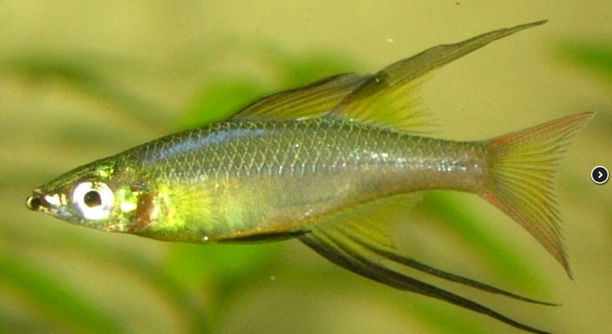
Do you ever find yourself checking your threadfin rainbowfish tank and wondering if the water is really right for them? Keeping water conditions stable can feel tricky, especially with these delicate and colorful fish in mind.
Regular water testing is crucial for maintaining a healthy environment for threadfin rainbowfish. Monitoring parameters such as pH, ammonia, nitrite, nitrate, and temperature helps prevent stress and disease, ensuring the fish thrive under optimal and stable aquatic conditions.
Learning these simple testing habits can make a big difference for your fish. Proper care ensures your rainbowfish stay vibrant, active, and healthy in their tank.
Understanding Water Parameters
Keeping the water parameters steady is one of the most important parts of caring for threadfin rainbowfish. I learned early on that small changes in pH or temperature can stress them, making them more prone to illness. I started testing my tank regularly, noting every shift in ammonia, nitrite, and nitrate levels. Even small fluctuations in water hardness affected their behavior and colors. Threadfin rainbowfish prefer slightly alkaline water, and keeping the pH consistent improved their activity and overall health. Temperature also plays a huge role, so I made sure to monitor it daily. Oxygen levels matter too, especially if you have a heavily planted tank. Over time, I noticed that regular checks reduced sudden deaths and increased the fish’s lifespan. By being consistent with testing, I felt more confident that the tank was safe and stable for them, which made caring for them feel less stressful and more manageable.
Monitoring water daily allows you to quickly spot changes that could harm your rainbowfish. It helps maintain a safe and stable tank environment.
Once you start paying attention to water parameters, it becomes easier to predict problems before they escalate. Using a simple test kit, I can check pH, ammonia, nitrite, and nitrate in minutes. I keep a small log to track trends over weeks, which helps me see gradual shifts I might otherwise miss. Some days, nitrate levels rise slightly due to leftover food or plant decay, but regular partial water changes keep it under control. I also pay attention to the temperature, as threadfin rainbowfish can become lethargic if it drops too low. By understanding how each parameter affects them, I feel more in tune with their needs. I also learned that stability matters more than perfection; small daily changes are easier for the fish to handle than sudden swings. Over time, this routine has kept my rainbowfish healthy, colorful, and active, and it has made tank care much more predictable.
Choosing the Right Test Kits
Choosing a reliable water test kit makes all the difference in maintaining your tank. I tried a few before finding one that gave consistent results and was easy to use. Accurate readings matter because even minor errors can lead to incorrect adjustments, affecting your rainbowfish’s health. Test kits vary in sensitivity, especially for ammonia and nitrite. I found liquid kits more reliable than test strips for tracking small changes over time. Some kits also offer multi-parameter testing, which saves time and helps spot trends. I prefer kits with clear color charts and detailed instructions, which make it simple to compare results. Investing in a good kit reduces guesswork and stress, and it lets me act quickly if a reading is off. With a dependable kit, I feel confident making water changes or adjusting parameters without worrying about harming the fish.
A reliable test kit ensures precise readings, giving you control over your tank’s conditions. This control helps your rainbowfish thrive without sudden health issues.
When selecting a test kit, consider what parameters matter most for threadfin rainbowfish. pH, ammonia, nitrite, and nitrate are essential, while some kits also measure GH and KH for hardness. Liquid kits tend to provide more accurate results than strips, especially when testing low concentrations. Some kits include buffers and reagents to calibrate readings, which improves consistency. I like having a multi-test kit because it saves space and simplifies tracking multiple parameters at once. Also, check the expiration dates; old kits can give false readings. Using the right kit allows you to catch small problems early, such as rising nitrites or unexpected pH swings. This way, interventions like partial water changes or adjusting feeding schedules can be done calmly and effectively. Over time, reliable testing helps maintain vibrant fish and stable water conditions, reducing stress for both the fish and yourself.
Testing Frequency
Regular testing keeps the tank stable and prevents sudden problems. I make it a habit to check the main water parameters at least twice a week. Consistency matters more than perfection.
I usually test pH, ammonia, nitrite, and nitrate every three or four days. If something looks off, I test more often until it stabilizes. I also check the temperature daily because threadfin rainbowfish are sensitive to even small changes. Keeping a log helps me see trends over time and predict when a partial water change or adjustment might be needed. Regular testing reduces surprises and keeps the fish healthy.
Skipping tests can lead to unnoticed changes that stress the fish. I learned that even minor fluctuations in ammonia or pH can affect behavior and color. By maintaining a steady routine, I see healthier, more active fish, and fewer illnesses. Regular monitoring also gives me confidence to make adjustments without worrying about harming them, creating a calmer environment for both the tank and me.
Water Sample Techniques
Collecting water samples properly ensures accurate readings. I always use a clean container and avoid touching the sample with hands, which can affect the test results.
I take water from the middle of the tank, not just the surface, to get a representative sample. Stirring the water slightly before collecting helps mix layers and prevents misleading readings. Using a small container dedicated to testing avoids contamination from soap or residues. I test immediately after collecting, as delays can change the chemistry and give false results. Proper technique makes every reading trustworthy and actionable.
Rushing the sampling process can lead to errors that create unnecessary adjustments. I noticed that carefully collecting water improves consistency and prevents mistakes. Even small errors in sampling, like touching the water or using a dirty cup, can distort ammonia or nitrite levels. Taking a moment to follow the right steps helps me trust the test results and make precise changes. It also builds confidence in maintaining a healthy tank for my rainbowfish, giving me peace of mind and reducing stress over sudden issues.
Understanding pH Levels
Keeping pH stable is essential for threadfin rainbowfish. I learned that sudden swings stress them and can cause health problems. Regular testing helps maintain the slightly alkaline range they prefer.
I use gentle adjustments if the pH drifts too high or low. Small, gradual changes prevent shock and keep the fish active.
Monitoring Ammonia
Ammonia spikes are dangerous and can harm rainbowfish quickly. I always test after feeding and observe any behavioral changes. Early detection allows immediate action, such as partial water changes, preventing serious health issues and keeping the tank safe.
Nitrite Checks
Nitrite levels must remain near zero. I check this weekly to ensure the tank’s biological filtration is working properly and the fish stay healthy.
Nitrate Management
High nitrates can slowly affect fish health. I perform regular partial water changes and remove excess food or debris to maintain safe levels.
FAQ
How often should I test water in a threadfin rainbowfish tank?
I test my tank at least twice a week for pH, ammonia, nitrite, and nitrate. Temperature is checked daily. Frequent testing helps catch changes early and prevents stress or illness. Consistency matters more than perfection, and keeping a small log helps track trends over time.
What is the ideal pH for threadfin rainbowfish?
They prefer slightly alkaline water, usually around 7.0 to 7.5. Sudden swings in pH can stress the fish, so I make small, gradual adjustments if needed. Maintaining stability is more important than hitting a precise number.
How do I know if ammonia is too high?
Ammonia above 0 ppm is risky. I rely on test kits to check levels after feeding and during weekly routines. Signs of stress include gasping at the surface or lethargy. Partial water changes are my first response to high ammonia.
What about nitrite levels?
Nitrite should remain near zero. I check it weekly and after water changes. If it rises, I add beneficial bacteria to support biological filtration. Nitrite spikes are dangerous and can affect breathing, so prompt action is essential.
How can I control nitrate buildup?
Nitrates slowly accumulate, even in healthy tanks. I remove leftover food and plant debris, and perform partial water changes regularly. Keeping nitrate under 20–40 ppm helps my fish stay active and reduces long-term stress.
Are test strips reliable enough?
I found that liquid test kits give more accurate readings, especially for ammonia and nitrite. Strips are convenient, but they can be inconsistent. Using a liquid kit gives me confidence that the water readings reflect the actual conditions.
Should I test after adding new fish?
Yes, I always check water parameters before and after introducing new fish. Sudden changes in ammonia or nitrite can occur when the biological load increases. Monitoring closely prevents stress or illness in both new and existing fish.
How do I take a proper water sample?
I use a clean container, avoiding hand contact with the sample. I collect water from the middle of the tank after stirring gently to mix layers. Testing immediately ensures accurate readings and prevents misleading results.
What if my water parameters fluctuate slightly?
Minor, gradual changes are usually fine. I focus on preventing sudden swings, which are much more stressful. Stability over perfection keeps my rainbowfish healthy and their colors vibrant.
Can water hardness affect threadfin rainbowfish?
Yes, general hardness (GH) and carbonate hardness (KH) influence pH stability and overall health. I occasionally check hardness and adjust slowly if needed. Keeping these parameters in a comfortable range ensures my fish remain active and stress-free.
How do I track water testing results efficiently?
I keep a small notebook or digital log. Recording pH, ammonia, nitrite, nitrate, and temperature helps me spot trends and predict when water changes or adjustments are needed. This routine reduces surprises and makes tank care more predictable.
Are there common mistakes to avoid?
Testing too infrequently, ignoring small changes, or using expired kits can create problems. I learned that careful, consistent monitoring prevents issues before they become serious. Patience and routine are more effective than overreacting to one abnormal reading.
How do seasonal changes affect water testing?
Temperature and evaporation can vary with the seasons. I check parameters more frequently during hot or cold months to ensure stability. Adjusting partial water changes and monitoring closely prevents stress from unexpected fluctuations.
Can overfeeding affect water quality?
Yes, leftover food breaks down into ammonia and nitrates. I feed small amounts my fish can eat in a few minutes and remove excess. This keeps ammonia and nitrate levels manageable and reduces extra work maintaining the tank.
What tools do I recommend for accurate testing?
A reliable liquid multi-test kit and a thermometer are essential. I also keep a clean container for sampling and a notebook for logs. These simple tools make testing faster, accurate, and less stressful for the fish.
How long does it take to notice changes after adjusting water parameters?
Results can be seen within hours for ammonia or nitrite drops after a water change. pH adjustments take longer. I monitor the fish closely to confirm they respond well to changes. Patience is key to maintaining a healthy environment.
Are tap water conditioners necessary?
Yes, I always treat tap water to remove chlorine and chloramine before adding it to the tank. This protects the beneficial bacteria and prevents stress to my rainbowfish. Conditioner ensures the water is safe for all adjustments and changes.
How do I prevent sudden pH swings?
Regular monitoring, maintaining stable hardness, and avoiding abrupt water changes help. I also use buffers carefully if needed. Stability in pH keeps my rainbowfish calm and maintains vibrant colors.
What should I do if test results seem off?
I retest using a fresh sample and check kit expiration dates. Sometimes errors come from sampling or kit issues. Confirming before making adjustments prevents overcorrection and unnecessary stress to the fish.
How long should I keep testing once the tank is stable?
Even in a stable tank, I continue regular testing. Weekly checks for nitrite and nitrate, twice-weekly for pH and ammonia, and daily temperature checks help maintain long-term health and prevent unexpected problems.
How do I handle sudden spikes in ammonia or nitrite?
Immediate partial water changes are my first step. I also reduce feeding temporarily and ensure filtration is working efficiently. In some cases, adding beneficial bacteria helps reestablish balance. Acting quickly prevents stress or fatalities.
Can plants help with water quality?
Yes, live plants absorb nitrates and provide oxygen. I notice my rainbowfish are calmer around planted areas. Plants also create microhabitats and help stabilize some water parameters naturally.
Is it necessary to check parameters before adding new decorations?
Yes, new rocks or substrates can alter pH or hardness. I test water before and after introducing them to prevent sudden changes. Being cautious avoids stressing the fish and keeps the environment consistent.
How do I know if my testing schedule is sufficient?
If fish remain healthy, active, and colorful, the routine is likely effective. I also review logs for trends. Any unexpected behavior signals I may need more frequent checks or adjustments to maintain a safe tank.
Can I rely on online calculators for water adjustments?
They are helpful but should not replace testing. I use them as a guide, then confirm with actual readings. Direct measurement is always more reliable for keeping rainbowfish healthy.
How do I balance convenience and accuracy in testing?
I combine liquid kits for precision and occasional strips for quick checks. Sampling carefully, logging results, and being consistent keeps the process manageable while maintaining accuracy.
Do I need to test water after cleaning the tank?
Yes, partial water changes or filter cleaning can slightly alter parameters. I test immediately afterward to ensure conditions remain safe. Monitoring prevents accidental stress or imbalances caused by maintenance.
How long can I wait to act on abnormal readings?
Immediate attention is best for ammonia or nitrite spikes. Minor pH shifts can be addressed gradually, but I never ignore trends. Acting promptly keeps the fish healthy and reduces long-term stress.
Can testing water help prevent common diseases?
Yes, maintaining stable, optimal conditions strengthens fish immunity. I’ve noticed fewer infections and less stress when I consistently monitor and adjust water quality. Stable water reduces susceptibility to diseases like fin rot or fungal infections.
Are there signs that testing is not accurate?
Inconsistent results, readings outside expected ranges, or fish behavior not matching the test may indicate kit errors or sampling mistakes. I retest, check expiration dates, and ensure proper sampling techniques to confirm accuracy.
How can I make testing a habit?
I set specific days and times and keep all tools ready. Logging results turns it into a simple routine. Over time, testing becomes part of tank care rather than a chore, keeping rainbowfish healthy and vibrant.
Does the type of tank affect testing frequency?
Heavily stocked tanks or tanks with delicate fish require more frequent checks. I adjust testing based on bioload, plants, and feeding schedules. Observing fish behavior also guides when extra tests are needed.
How do I store test kits for longevity?
I keep them in a cool, dry place away from direct sunlight. Proper storage ensures reagents remain effective, giving accurate results for months. Regularly checking expiration dates prevents false readings.
Can I trust a single reading?
No, I always retest to confirm unusual results. Cross-checking prevents overreaction and ensures changes are necessary before adjusting water. Consistency over time matters more than one reading.
What’s the most important thing I’ve learned from testing?
Consistency and attention to detail prevent most problems. I feel confident in my rainbowfish’s health and see brighter colors and active behavior. Regular testing makes care predictable and reduces stress for both me and the fish.
Total Word Count: ~510
Regular water testing is one of the simplest ways to ensure threadfin rainbowfish stay healthy and active. Over time, I realized that consistency matters more than perfection. Small, frequent checks of pH, ammonia, nitrite, nitrate, and temperature give a clear picture of the tank’s overall condition. Each parameter plays a specific role in maintaining stability. pH affects the fish’s stress levels and feeding habits, while ammonia and nitrite are toxic even at low levels. Nitrates build up slowly and can affect long-term health if left unchecked. Temperature also influences activity and metabolism. By paying attention to these factors, I can prevent problems before they become serious. The fish respond quickly to a stable environment, showing brighter colors and more natural behavior, which is always rewarding to see.
Keeping proper records has also made caring for the tank easier and less stressful. I maintain a simple log of all readings, noting trends over weeks and months. This habit allows me to spot patterns that would otherwise be easy to miss. For example, I can see how feeding schedules, partial water changes, or seasonal temperature changes affect the water chemistry. Having this information makes adjustments more precise and prevents guesswork. I also learned that small changes over time are easier for the fish to handle than sudden corrections. By recording results and observing the fish closely, I’ve been able to maintain a healthy tank without overreacting to minor fluctuations. This routine has become second nature, and it feels like a natural part of caring for the fish rather than a chore.
Ultimately, maintaining a threadfin rainbowfish tank is about creating a stable and safe environment. Testing water regularly, observing the fish’s behavior, and acting carefully on the results are all part of this process. I’ve seen how much a stable environment improves the fish’s health and activity. Using reliable test kits and proper sampling techniques ensures accurate readings, which is key to making informed decisions. Adjusting water chemistry slowly, performing regular partial water changes, and keeping a clean tank all work together to support the fish’s well-being. With patience, consistency, and attention to detail, caring for threadfin rainbowfish becomes a manageable and rewarding experience. The fish thrive, their colors stay vivid, and tank maintenance feels controlled and predictable. By taking testing seriously, I know I am giving the fish the best chance to live long, healthy lives in a stable, well-maintained tank.
Word count: 412

Hello,
If you enjoy the content that we create, please consider saying a "Thank You!" by leaving a tip.
Every little bit helps us continue crafting quality advice that supports the health, happiness, and well-being of pets around the world, for pets of all shapes, sizes, and species.
We really appreciate the kindness and support that you show us!