
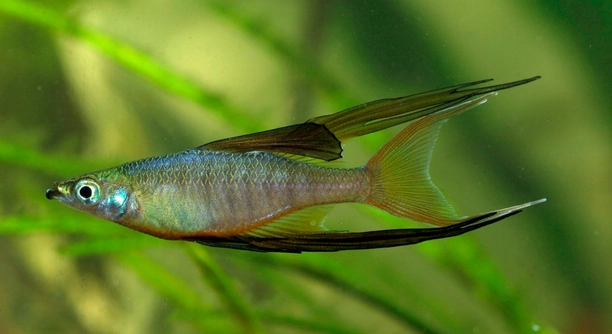
Many aquarists enjoy adding colorful fish to their tanks, and threadfin rainbowfish are a popular choice for beginners. These small, shimmering fish bring life and movement to home aquariums in a gentle, calming way.
During the first week, threadfin rainbowfish typically adjust to their new environment by exploring slowly, hiding occasionally, and accepting prepared foods. Maintaining stable water parameters, proper temperature, and minimal stress ensures their health and gradual acclimation.
Observing their behavior early can help you support their growth and well-being. Each movement and feeding response offers insight into their comfort level.
Preparing the Tank for Threadfin Rainbowfish
Before bringing threadfin rainbowfish home, it is essential to set up a comfortable and stable tank. A minimum of 20 gallons is recommended, with gentle filtration and moderate water flow. Use a substrate that allows easy cleaning and includes smooth rocks or driftwood for hiding spots. Plants are beneficial, as they offer shelter and contribute to water quality, but be sure they do not overcrowd swimming space. Water parameters should be kept consistent, ideally with a temperature between 75–82°F, pH around 6.5–7.5, and low levels of ammonia, nitrites, and nitrates. Lighting should be moderate to mimic a natural environment without stressing the fish. Acclimating new fish slowly helps reduce stress and prevent shock. Monitoring water parameters daily during the first week ensures their environment is stable, promoting healthy adjustment. Even small details like a lid to prevent jumping can improve safety and comfort.
Proper preparation reduces stress and supports healthy adaptation for your rainbowfish.
Taking time to prepare the tank carefully ensures the fish can settle quickly, minimizing illness or erratic behavior.
Feeding and Observation
During the first week, threadfin rainbowfish may eat less as they adjust to their new environment. Offering small amounts of high-quality flakes or micro pellets multiple times a day encourages consistent feeding. Live or frozen foods like brine shrimp or daphnia can stimulate appetite and promote growth. Observation is key; watch for signs of stress such as hiding for long periods or remaining at the surface. Avoid overfeeding, which can harm water quality and fish health. Maintaining a consistent feeding schedule helps them feel secure and gradually builds trust in their environment. Recording behaviors and eating habits during these early days provides valuable insight for long-term care.
Monitoring both diet and behavior in the initial week is critical for ensuring health and comfort.
Feeding threadfin rainbowfish requires attention to both quantity and timing. Begin with small portions, observing how much is eaten within a few minutes. Remove uneaten food to prevent water contamination. Rotate between dry, frozen, and live foods to provide balanced nutrition. Even minor changes in appetite or activity can indicate stress or water issues. By keeping careful notes, you can identify patterns and adjust care strategies accordingly. Social behavior also emerges during this time; they may form small groups or explore the tank collectively. Early observation allows you to intervene quickly if problems arise, creating a stable environment that supports long-term well-being. Consistency in feeding, combined with a clean and safe habitat, sets the foundation for healthy, active rainbowfish that will thrive as they grow.
Tank Companions and Compatibility
Threadfin rainbowfish are peaceful and do best with other non-aggressive species. Avoid larger or territorial fish that may stress them. Small tetras, danios, or other rainbowfish make suitable companions, allowing natural schooling behavior without conflict.
Introducing compatible tank mates slowly reduces stress and encourages harmonious interactions. Careful observation during the first week helps ensure no bullying or excessive hiding occurs. Avoid overcrowding, as it can increase aggression or disease risk. Choosing species with similar water requirements makes maintenance easier and keeps the group healthy. The right companions promote natural behavior, active swimming, and social interaction. Keeping a balanced mix allows the rainbowfish to thrive, swim freely, and display vibrant colors without fear. This approach enhances the overall atmosphere of the tank, creating a calm and engaging environment for all inhabitants.
Even subtle signs of stress, like fin clamping, indicate the need for adjustments in companions or layout.
Monitoring Water Quality
Maintaining optimal water quality is critical during the first week. Regularly check temperature, pH, and chemical levels. Sudden changes can shock the fish and impact health.
Daily monitoring helps detect issues early and prevents illness. Threadfin rainbowfish are sensitive to ammonia and nitrite spikes, which can occur if the tank is overstocked or filter efficiency drops. Partial water changes of 10–15% each day during initial acclimation stabilize the environment. Testing kits provide accurate readings and guide adjustments. Avoid using harsh chemicals or rapid treatments that may worsen stress. Stable parameters encourage natural behavior, feeding, and adaptation. Observing fish response to water changes helps identify if additional adjustments are necessary. Maintaining cleanliness, including substrate vacuuming and filter checks, supports a healthy tank environment for long-term success.
Keeping water stable also prevents sudden behavioral changes. Regular testing, gentle filtration, and careful monitoring ensure the rainbowfish remain healthy and active.
Recognizing Stress in Threadfin Rainbowfish
Stress in threadfin rainbowfish often shows as hiding, clamped fins, or reduced activity. Sudden darting or refusing food can also indicate discomfort.
Environmental changes, poor water quality, or aggressive tank mates are common triggers. Early detection helps prevent illness and supports quick recovery.
Adjusting Tank Conditions
Small adjustments to lighting, temperature, or water flow can significantly reduce stress. Ensure decorations provide shelter while allowing open swimming space. Regularly check filtration and perform partial water changes to maintain stable conditions. Observing how fish respond to these changes helps confirm their comfort. Consistent care during the first week sets the stage for healthy growth and long-term well-being.
Observing Behavior Patterns
Threadfin rainbowfish begin showing schooling, exploration, and feeding routines within the first week. Tracking these patterns helps identify health or social issues early, allowing timely interventions.
Maintaining Cleanliness
Keeping the tank clean prevents disease and supports overall fish health. Remove uneaten food and vacuum substrate regularly to maintain water quality.
FAQ
How often should I feed threadfin rainbowfish during the first week?
During the first week, it’s best to feed small amounts two to three times daily. They may eat less at first while adjusting to the new tank. Using high-quality flakes or micro pellets ensures balanced nutrition. Adding occasional live or frozen foods like brine shrimp can encourage appetite and promote healthy growth. Avoid overfeeding, as uneaten food can deteriorate water quality quickly. Watching their eating behavior helps determine the right portion size. Gradually, their intake will normalize as they become comfortable in the new environment, creating a stable feeding routine that supports development.
What signs indicate my rainbowfish is stressed?
Stress is often shown by hiding for long periods, clamped fins, rapid breathing, or refusing food. Sudden darting or floating near the surface can also indicate discomfort. Environmental changes, poor water quality, or aggressive tank mates are common stressors. Early recognition allows for timely adjustments to water conditions, tank layout, or companion selection. Providing hiding spots and gentle acclimation can reduce stress levels.
Can threadfin rainbowfish live with other species?
Yes, they are peaceful and compatible with other non-aggressive fish of similar size. Small tetras, danios, and other rainbowfish work well. Avoid larger, territorial, or aggressive species that may bully or stress them. Introducing new tank mates gradually and monitoring behavior ensures harmony. Schooling species of similar swimming habits help rainbowfish feel secure. Maintaining similar water parameters for all species simplifies care and prevents conflicts.
How important is water quality for young rainbowfish?
Water quality is critical. Even minor spikes in ammonia, nitrites, or sudden pH changes can affect health. Daily monitoring during the first week ensures a stable environment. Partial water changes of 10–15% per day help keep parameters consistent. Use testing kits for accuracy, and avoid rapid chemical treatments that may cause additional stress. Stable water encourages normal feeding, swimming, and social behavior.
What tank setup works best for them?
A minimum of 20 gallons with gentle filtration and moderate flow is ideal. Smooth rocks, driftwood, and plants provide shelter while leaving swimming space open. Moderate lighting mimics natural conditions. Secure the tank with a lid to prevent jumping. Proper substrate and decorations create hiding spots without overcrowding. Acclimating new fish slowly reduces shock and stress, supporting a smooth adjustment during the first week.
How can I encourage natural behavior early on?
Providing enough swimming space and hiding spots helps them feel safe. Consistent feeding schedules, stable water conditions, and calm tank mates allow them to school, explore, and interact naturally. Observing daily routines helps identify discomfort or environmental issues. Rotating diet types and maintaining a clean tank support health and activity, helping rainbowfish display their natural colors and behaviors confidently.
What should I avoid during the first week?
Avoid overcrowding, aggressive fish, rapid water changes, and overfeeding. Sudden lighting or temperature changes can increase stress. Minimize handling and loud disturbances near the tank. Introducing new decorations or chemicals abruptly may also cause discomfort. Keeping changes gradual helps rainbowfish adapt safely and reduces the risk of illness.
How do I know if they are healthy?
Healthy rainbowfish are active, swim freely, and respond to feeding. Bright coloration, clear eyes, and smooth fins indicate well-being. Regular observation for schooling behavior and normal appetite provides insight. Early intervention at the first sign of illness ensures long-term health. Stable water and proper diet are key factors in maintaining overall vitality.
How long does it take for them to fully adjust?
Most threadfin rainbowfish show significant adjustment within the first week, but full comfort may take up to two weeks. Observing behavior, feeding consistency, and interaction with tank mates helps gauge adaptation. Maintaining stable water conditions and minimizing stressors ensures a smooth transition into their new environment.
Can young rainbowfish tolerate small mistakes in care?
They are somewhat resilient but sensitive to water quality and stress. Minor mistakes can be corrected quickly, but repeated issues like overfeeding or poor water conditions may lead to illness. Vigilance, consistency, and gradual adjustments support survival and healthy development.
Final Thoughts
Caring for threadfin rainbowfish during their first week requires attention to detail and consistency. These fish are gentle and peaceful, but they are also sensitive to sudden changes in their environment. Maintaining stable water parameters, such as temperature, pH, and chemical levels, is crucial for their well-being. Even small fluctuations in water quality can cause stress, reduce appetite, and affect their overall health. Observing the fish daily allows you to notice early signs of discomfort, such as hiding, clamped fins, or unusual swimming patterns. By addressing these issues quickly, you can prevent more serious problems and help the fish settle comfortably into their new home. Establishing a routine for feeding, water checks, and partial water changes provides stability, which encourages healthy behavior and natural activity. The first week is a sensitive period, but with careful monitoring and consistent care, the rainbowfish can adapt smoothly.
Feeding during the initial week is another important factor for their adjustment. It is best to offer small portions multiple times a day, rather than a single large meal. High-quality flakes or micro pellets provide essential nutrients, and occasional live or frozen foods like brine shrimp or daphnia can stimulate appetite. Avoid overfeeding, as leftover food can quickly deteriorate water quality, causing stress or illness. Watching how the fish respond to food helps determine the proper amount to feed. During this period, rainbowfish may eat less while acclimating, but their appetite should gradually increase. Establishing a consistent feeding schedule not only ensures they receive proper nutrition but also helps them become familiar with their environment. Gradually, they will start exploring the tank more actively, showing natural schooling and social behavior. Supporting their diet and maintaining cleanliness together create a strong foundation for their health and growth.
Social interaction and tank setup also play a significant role in their comfort. Threadfin rainbowfish are peaceful and enjoy being in groups, so keeping them with compatible species of similar size helps them feel secure. Overcrowding or pairing them with aggressive fish can increase stress and reduce activity. Providing sufficient hiding spots, plants, and open swimming space allows them to express natural behavior while having shelter when needed. Gentle filtration and moderate water flow help simulate their natural environment without causing undue stress. Over time, observing their patterns of swimming, schooling, and feeding provides insight into their overall health and comfort level. By paying attention to water quality, feeding, and tank companions during the first week, you create a supportive environment that allows threadfin rainbowfish to thrive. This careful approach ensures that they not only survive but also grow active, healthy, and vibrant in the long term.
Word count: 409

Hello,
If you enjoy the content that we create, please consider saying a "Thank You!" by leaving a tip.
Every little bit helps us continue crafting quality advice that supports the health, happiness, and well-being of pets around the world, for pets of all shapes, sizes, and species.
We really appreciate the kindness and support that you show us!