
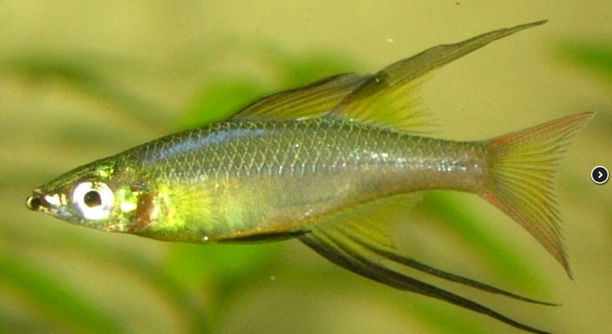
Threadfin Rainbowfish are small, vibrant freshwater fish often kept in home aquariums. Their active nature and bright colors make them a favorite among hobbyists. Understanding their behavior helps ensure they thrive in a well-maintained environment.
When exposed to new scents, Threadfin Rainbowfish typically exhibit cautious exploration. They may swim around the source slowly, occasionally darting back, and show changes in gill movement and fin positioning. These responses indicate sensory awareness and environmental assessment behaviors.
Observing these subtle reactions provides insight into their wellbeing and helps maintain a comfortable, stimulating habitat for them to flourish.
Detecting New Scents in the Aquarium
Threadfin Rainbowfish rely heavily on their sense of smell to navigate their environment. When a new scent enters the aquarium, whether from food, plants, or other additions, they respond quickly but cautiously. Often, they will swim closer to investigate, flicking their fins and adjusting their gills as they take in the changes. This behavior is a mix of curiosity and caution. Some fish may hover near the surface, while others explore the bottom or corners of the tank. Their responses are subtle but noticeable if observed carefully. Changes in water chemistry, such as introducing new water treatments or scents from cleaning agents, can also trigger similar reactions. Maintaining a consistent environment while gradually introducing new scents can reduce stress. Over time, they may recognize repeated scents and respond with less hesitation. Monitoring these interactions provides insight into their comfort levels and helps guide future aquarium care.
Observing these scent-based behaviors allows you to track their comfort and adapt their environment for stability.
Gradual introduction of new scents is key. Sudden changes can lead to stress, reducing feeding behavior or encouraging hiding. If the new scent is from food, fish may swim quickly toward the source, testing its palatability. When plants or decorations are added, they may linger near them, gently brushing fins or hovering to assess changes. Monitoring their reactions over hours or days helps identify patterns. Some fish may ignore minor scent changes, while others show marked curiosity. Consistency in water quality, temperature, and lighting supports a stable response. Over time, the fish learn to distinguish between harmless scents and potentially disruptive changes. Careful observation and patience ensure the aquarium remains a safe, enriching environment where Threadfin Rainbowfish can display natural behaviors. Recording their reactions also aids in planning future tank modifications or introducing new elements with minimal stress. This approach supports overall health and encourages active, confident swimming.
Behavioral Adjustments to Scent Changes
Threadfin Rainbowfish may shift swimming patterns or social interactions when exposed to new scents.
These fish adjust movement, grouping, and feeding behavior depending on scent intensity. Some may become more exploratory, while others remain cautious. Consistent observation is essential to recognize these changes early. If multiple scents are introduced simultaneously, fish responses may be compounded. Stress-related behaviors, such as sudden darting or hiding, often indicate discomfort with the new stimulus. To support healthy behavior, introduce scents gradually and maintain familiar environmental cues. Feeding patterns may also shift; fish may temporarily ignore food or investigate alternative areas of the tank. Over several days, most Threadfin Rainbowfish will acclimate, returning to normal swimming and interaction patterns. Tracking these behaviors provides insight into their sensory processing and adaptability, allowing aquarists to optimize care routines. Thoughtful observation helps prevent long-term stress and ensures that environmental changes enhance rather than disrupt their habitat. Proper management of scents can promote natural behaviors, encouraging active, healthy, and visually engaging fish in the aquarium.
Subtle Signs of Stress
Even minor scent changes can cause stress in Threadfin Rainbowfish. They may hover near corners, reduce activity, or stay close to tank decorations. Recognizing these subtle signs early helps prevent long-term stress and supports their wellbeing.
Stress responses often include changes in gill movement, fin positioning, and swimming speed. Fish may swim erratically or avoid certain areas of the tank. Social dynamics can shift, with some individuals becoming more dominant or withdrawn. Continuous exposure to unfamiliar scents without gradual adjustment may result in reduced appetite or lethargy. Tracking these behaviors allows for timely interventions, ensuring fish remain healthy. Providing consistent water quality, temperature, and lighting minimizes stress. Gradual introduction of scents, such as from new plants or food, reduces the likelihood of strong negative reactions. Observation over several days helps identify which scents are tolerated and which may need removal or adjustment.
Maintaining an enriched environment with hiding spots and familiar elements also mitigates stress. Fish become more comfortable exploring, returning to regular swimming patterns. Monitoring interactions, including feeding behavior and group cohesion, provides insight into adaptation. Environmental consistency combined with careful scent management promotes both physical health and emotional stability. Gradual acclimation ensures that Threadfin Rainbowfish maintain normal activity levels while responding appropriately to changes in their surroundings.
Adapting Feeding Routines
Scent changes can directly influence feeding behavior in Threadfin Rainbowfish. They may initially avoid food or approach it cautiously, requiring observation and adjustments.
When new scents are present, fish often test food with brief nibbles rather than consuming immediately. Appetite may decrease temporarily, particularly if the scent is strong or unfamiliar. Offering smaller portions over multiple feedings allows fish to adjust without wasting food. Some individuals may eat quickly while others hold back, revealing differences in tolerance and curiosity. Gradual introduction of new foods with milder scents encourages acceptance and maintains proper nutrition. Tracking feeding responses ensures all fish receive adequate sustenance. Environmental consistency supports normal feeding patterns, minimizing stress. By observing reactions to new scents, adjustments in timing, portion size, and food type can be made. Over time, fish adapt and resume typical feeding behaviors, maintaining energy levels and promoting growth. Regular monitoring prevents nutritional deficiencies and reinforces a stable, healthy aquarium environment.
Recognizing Comfort Levels
Threadfin Rainbowfish show comfort through relaxed swimming, smooth gill movement, and regular feeding. They explore the tank confidently, often interacting with other fish without hesitation. Noticing these behaviors helps gauge their adjustment to new scents.
Signs of comfort also include group cohesion and consistent activity throughout the day. Fish that feel secure will hover near familiar decorations or plants and return to normal routines after minor disturbances. Consistent observation helps distinguish between stress responses and natural curiosity, allowing for better tank management.
Gradual Introduction of Scents
Introducing new scents slowly prevents shock and encourages exploration. Small amounts of scented water or food allow fish to acclimate while maintaining normal behavior. Gradual exposure ensures minimal disruption to their environment and reduces stress, supporting healthy adaptation.
Monitoring Group Behavior
Changes in scent can alter social dynamics. Fish may form tighter schools or temporarily separate from others as they assess the new stimulus. Observing these shifts ensures social harmony is maintained and stress is minimized.
FAQ
How quickly do Threadfin Rainbowfish react to new scents?
Threadfin Rainbowfish usually react within minutes of a new scent entering the aquarium. Reactions may include cautious swimming, fin flicking, or changes in gill movement. Some fish approach the source immediately, while others may observe from a distance. Their responses depend on individual temperament and familiarity with the environment.
Are all new scents equally noticeable to them?
No, the intensity and type of scent influence their reactions. Strong food scents or chemical additives are more noticeable than mild plant or water changes. Fish may show heightened curiosity or stress depending on how foreign or strong the scent is. Gradual introduction helps them adapt more comfortably.
Do scent changes affect feeding behavior?
Yes, new scents can temporarily alter feeding patterns. Fish may nibble cautiously, ignore food, or compete more aggressively when a strong scent is present. Offering small portions and spacing feedings allows fish to acclimate without causing stress or missed nutrition.
Will multiple scents confuse them?
Introducing several new scents at once can overwhelm their senses. Conflicting signals may cause hesitation, erratic swimming, or social tension. Gradual introduction of one scent at a time allows fish to identify and respond appropriately, maintaining a balanced environment.
Do they ever stop reacting to familiar scents?
Yes, Threadfin Rainbowfish habituate to familiar scents over time. Repeated exposure leads to reduced reaction, showing comfort and recognition. This adaptation allows them to focus on novel stimuli, maintaining alertness while minimizing unnecessary stress from predictable changes.
Can scent changes affect social behavior?
Yes, new scents may temporarily shift group dynamics. Some fish may form tighter schools, while others separate to investigate. Dominant fish may explore first, with others following once the environment feels safe. Observing these interactions ensures the group remains balanced and healthy.
Are there health risks linked to strong scents?
Strong or chemically treated scents can stress fish, affecting appetite, immune response, and overall activity. Long-term exposure to harsh chemicals may damage gill tissue or alter water quality. Maintaining water consistency and using natural scent sources is safest for their health.
How should new scents be introduced?
Introduce scents gradually by adding small amounts of food, water, or plants at intervals. Observe behavior closely, adjusting the pace if signs of stress appear. Gradual acclimation prevents shock and allows fish to explore safely.
Do individual fish react differently?
Yes, personality and experience play a role. Some are naturally more curious and approach new scents immediately, while others are cautious and remain distant. Understanding these differences helps in managing feeding, tank arrangement, and scent introduction strategies.
Can scent influence long-term behavior?
Repeated exposure to positive scents, such as food or familiar plants, can create predictable patterns, increasing comfort and confidence. Negative or overly strong scents may lead to prolonged stress, avoidance, or reduced activity. Observing long-term responses ensures a healthy, stable environment.
Is water quality linked to scent reactions?
Yes, water chemistry affects how scents are perceived. Poor water conditions can amplify stress reactions, while clean, well-maintained water supports natural exploration and feeding behavior. Consistent monitoring of pH, temperature, and chemical levels is essential.
Can scent be used to enrich their environment?
Yes, mild natural scents from plants or certain foods can stimulate curiosity and encourage exploration. Rotating scents occasionally provides mental enrichment while keeping stress minimal. Observation ensures that enrichment benefits outweigh any potential discomfort.
How long does it take for fish to fully acclimate to new scents?
Acclimation varies by scent intensity and individual fish. Some adjust within hours, while others may take several days. Gradual exposure, consistent water conditions, and observation speed up adaptation, ensuring fish remain active and comfortable.
Should scents be removed if fish appear stressed?
Yes, if fish show prolonged hiding, erratic swimming, or reduced feeding, removing or diluting the scent is recommended. Restoring familiar conditions allows recovery and reduces the risk of long-term stress effects.
Do scents influence breeding behavior?
Scent can affect courtship and spawning by signaling food availability or environmental changes. Mild, familiar scents generally support natural behavior, while strong or foreign scents may delay mating activities. Maintaining a balanced environment encourages normal reproductive behavior.
Can scent interactions be used to monitor fish health?
Yes, consistent responses to known scents indicate normal sensory function and wellbeing. Changes in reactions may signal stress, illness, or sensory impairment, allowing early detection of potential health concerns.
Are scented foods better than unscented foods for acclimation?
Scented foods can encourage exploration and feeding, especially during acclimation to a new tank. However, strong artificial scents should be avoided. Natural, mild scents support nutrition without overwhelming the fish’s senses.
Do seasonal or environmental changes affect scent perception?
Yes, changes in temperature, lighting, or water flow can alter how fish detect and respond to scents. Observing behavior during these changes ensures their environment remains suitable and stress is minimized.
Can scents affect interactions with other species in a community tank?
Scent changes can influence interspecies behavior, causing competition or avoidance. Monitoring both Threadfin Rainbowfish and other tank inhabitants ensures harmony and prevents stress-related conflicts. Adjustments in feeding or scent introduction may be necessary.
Is repeated introduction of a scent necessary for habituation?
Yes, consistent exposure allows fish to recognize and ignore harmless scents over time. Sporadic introduction may prolong stress responses, while a planned schedule supports adaptation and comfort.
Can new scents ever permanently alter behavior?
In most cases, temporary changes occur until the fish acclimate. Extreme or toxic scents may have lasting effects, but gradual, natural introduction generally results in normal adaptation without permanent behavioral changes.
How should I document their reactions?
Keeping a simple log of behaviors, feeding patterns, and social interactions helps track responses to new scents. Notes on timing, intensity, and individual differences allow better planning for future tank management and scent introductions.
Are there signs of overstimulation from scents?
Yes, repeated darting, frantic swimming, or excessive fin flicking indicates overstimulation. Reducing the scent or providing more hiding spots helps calm fish and restore normal behavior.
Do all Threadfin Rainbowfish respond the same way in a group?
No, individual differences exist. Dominant fish may explore first, while shy individuals wait. Observing each fish ensures that management strategies account for variation and maintain group harmony.
Is scent a reliable tool for encouraging exercise or activity?
Yes, mild scents from food or plants can encourage swimming and exploration, promoting physical activity and mental stimulation without causing stress. Regular observation ensures activities remain safe and balanced.
Can scents help identify health issues early?
Yes, altered reactions to familiar scents may indicate illness or stress. Tracking responses provides early warning signs, allowing interventions before serious problems develop.
Do water changes influence scent perception?
Yes, water changes dilute scents and can introduce new chemical cues. Monitoring behavior post-change ensures fish adjust without unnecessary stress, maintaining stable activity and feeding patterns.
Are synthetic scents safe for Threadfin Rainbowfish?
Strong synthetic scents or chemical additives are not recommended. They can cause stress or damage sensory organs. Natural, mild scents are safer and more effective for enrichment and feeding responses.
How often should new scents be introduced?
New scents should be introduced sparingly and gradually. Frequent, abrupt changes increase stress and disrupt normal routines. Careful scheduling balances enrichment with stability, supporting health and comfort.
Can scent introduction improve tank engagement?
Yes, carefully managed scents can encourage exploration, feeding, and social interactions. Observing responses ensures benefits outweigh any potential stress, keeping fish active and engaged in their environment.
Do scent changes affect sleep patterns?
Significant scent changes may disrupt resting behavior temporarily. Fish may become more active at unusual times or hide more frequently. Maintaining a stable routine helps preserve normal sleep and activity cycles.
How do I know if a scent is too strong?
Strong reactions such as frantic swimming, hiding, or refusal to feed indicate an overwhelming scent. Diluting or removing the scent restores comfort and normal behavior. Gradual reintroduction may be attempted later.
Can scent cues be combined with visual cues?
Yes, pairing familiar scents with decorations or hiding spots can reinforce comfort and exploration. Coordinating cues supports adaptation and reduces stress during environmental changes.
Are there scents that consistently calm Threadfin Rainbowfish?
Mild natural plant scents or familiar foods often have a calming effect. Strong chemical or unfamiliar scents should be avoided, as they tend to increase caution and stress responses.
Do juveniles react differently to scents than adults?
Juvenile fish may be more cautious and reactive to new scents, while adults often show measured curiosity. Adjusting scent introduction based on age ensures minimal stress and proper development.
How long should I observe reactions to a new scent?
Monitoring should continue for several hours to days, depending on intensity. Observing short-term and long-term behavior ensures accurate understanding of acclimation and comfort levels.
Can scent exposure enhance natural foraging behavior?
Yes, introducing mild food-related scents encourages investigation and nibbling, simulating natural foraging. This supports mental stimulation and healthy feeding patterns while maintaining low stress.
Do scent changes impact breeding readiness?
Minor, familiar scents rarely affect breeding. Strong, unfamiliar scents may delay mating behavior. Maintaining a calm environment promotes normal reproductive activity.
Are there environmental factors that amplify scent responses?
Yes, water flow, temperature, and lighting can intensify or diminish scent detection. Properly balanced conditions help fish respond naturally without unnecessary stress.
Can scent introduction be used for selective feeding?
Yes, mild scents can guide fish to specific foods or areas. This technique encourages participation and ensures all fish receive nutrition without forcing competition.
Should scents be rotated or kept constant?
Rotation of mild, natural scents can provide enrichment, but consistency with familiar scents supports comfort. Balancing novelty and stability is key to maintaining healthy behavior.
Is it safe to mix multiple scented foods?
Mixing foods with strong scents may overwhelm senses. Gradual introduction of one new scent at a time is safer, encouraging acceptance without stress.
Do Threadfin Rainbowfish remember scents?
Yes, they can habituate and recognize repeated scents, responding with reduced caution. Familiar scents increase confidence and reduce stress over time.
How does tank size influence scent perception?
Smaller tanks concentrate scents, potentially amplifying reactions, while larger tanks dilute them. Monitoring fish behavior relative to tank size helps manage stress and environmental adjustments.
Can scent introduction help reduce aggression?
Mild scents can distract or redirect attention, reducing minor conflicts. Strong or unfamiliar scents may increase tension, so careful management is necessary.
Do seasonal changes require adjustments to scent introduction?
Yes, variations in temperature, light, or feeding routines may affect responses. Gradual changes ensure fish remain comfortable and active throughout seasonal shifts.
How important is consistency in scent management?
Maintaining predictable scent patterns supports stress reduction and normal behavior. Sudden or frequent changes can cause avoidance, hiding, or erratic swimming.
Can scent introduction support rehabilitation after illness?
Yes, mild familiar scents help reintroduce fish to normal routines, encouraging feeding and exploration. Observation ensures recovery progresses without stress.
Are there long-term benefits to controlled scent exposure?
Yes, controlled exposure promotes curiosity, normal activity, and environmental adaptation. Properly managed scents enhance wellbeing without causing lasting stress.
Do scent reactions differ between males and females?
Minor differences may exist; males may show more exploratory behavior, while females may remain cautious. Observing both sexes ensures balanced care.
Can scent cues replace visual enrichment?
No, visual elements remain essential. Scents complement but do not replace hiding spots, plants, or decorations necessary for comfort and stimulation.
Is it necessary to remove old scents before adding new ones?
Yes, residual scents can interfere with reactions. Removing or diluting old scents ensures accurate observation of responses to the new stimulus.
Do Threadfin Rainbowfish respond to human scents?
Yes, they can detect traces from hands or equipment. Gentle, consistent handling minimizes stress and prevents unnecessary reactions.
Can scents help manage feeding in mixed-species tanks?
Yes, mild scents guide feeding, but care is needed to prevent competition or stress among different species. Observation and portion control are important.
Are there risks in overusing scented foods?
Yes, overuse may lead to reduced appetite for regular food or heightened stress. Balancing scented and unscented foods ensures proper nutrition and comfort.
Do scent reactions indicate intelligence or sensory acuity?
Yes, their ability to detect, assess, and respond to subtle changes demonstrates sensory awareness and adaptability, reflecting natural instincts and environmental interaction.
How can I safely test a new scent?
Start with a small quantity in a controlled area, observe reactions, and adjust as needed. Gradual, cautious introduction prevents stress and supports natural behavior.
Do fish ever ignore scents entirely?
Some individuals may show minimal response, especially after repeated exposure. This indicates habituation and comfort, allowing them to focus on other environmental cues.
Can scent exposure be used to encourage exploration of new tank areas?
Yes, mild scents placed in underused areas can stimulate investigation, helping fish utilize the full tank space and promoting activity.
Are some scents harmful even in small amounts?
Yes, strong chemicals or artificial fragrances can cause stress or tissue damage. Only natural, mild sources are safe for Threadfin Rainbowfish.
Do they react differently to living plants versus artificial scents?
Yes, natural plant scents are typically calming and encourage exploration, while artificial scents may cause stress or avoidance.
Can scent responses indicate water quality issues?
Yes, sudden or exaggerated reactions may signal poor water conditions, prompting checks of pH, ammonia, nitrite, and nitrate levels.
Do juveniles adapt faster to scents than adults?
Usually, adults adapt faster due to experience, while juveniles may need longer periods of gradual exposure to feel secure.
Are there signs of scent fatigue?
Yes, repeated exposure without variation may result in reduced responsiveness, indicating habituation or reduced engagement with environmental stimuli.
Can scent cues enhance tank cleaning routines?
Yes, using familiar scents during partial water changes can reduce stress, encouraging fish to return to normal behavior quickly.
Do scents influence vertical swimming patterns?
Yes, fish may explore different depths to investigate scents, particularly if associated with food or plant placement.
Can scent exposure be combined with temperature changes?
Yes, but gradual adjustments are necessary. Sudden temperature and scent changes together may amplify stress responses.
Is it possible to overestimate their scent sensitivity?
Yes, careful observation is necessary to distinguish genuine reactions from normal swimming variations or random activity.
Do Threadfin Rainbowfish prefer certain types of scents over others?
Yes, natural food-related or mild plant scents are preferred. Strong chemical or synthetic scents are generally avoided or cause stress.
Can scent interactions improve tank enrichment for multiple species?
Yes, mild scents can encourage exploration and activity across species, provided intensity is controlled and responses are monitored to prevent stress.
Do scents affect nighttime behavior?
Strong new scents may temporarily disrupt resting periods. Fish usually resume normal nighttime routines once familiar with the environment.
Can scent introduction help with selective breeding setups?
Yes, familiar, mild scents may encourage exploration and reduce stress, supporting natural pairing behaviors without interfering with reproductive activity.
Do they show preference for scented areas of the tank?
Yes, fish often linger near preferred scents, especially if associated with food or familiar environmental cues.
Is it necessary to track individual reactions in a group?
Yes, monitoring each fish ensures all individuals adjust properly and prevents unnoticed stress or feeding issues.
Can scents encourage hiding or protective behavior?
Yes, strong or unfamiliar scents may trigger temporary hiding, which is a natural stress response. Monitoring duration ensures it does not become prolonged.
Do repeated mild scents build positive associations?
Yes, fish learn that familiar mild scents are safe, increasing comfort, confidence, and willingness to explore the tank.
Can scent reactions predict compatibility with new tank mates?
Observing responses to mild scents may indicate temperament and adaptability, helping anticipate interactions with new fish additions.
Do scents influence water flow preferences?
Fish may explore areas where scents concentrate, often near filter output or slower currents, showing how chemical cues affect movement.
Can scents help in rehabilitation after transport?
Yes, introducing familiar scents in the new tank eases stress, encourages feeding, and supports acclimation.
Do they respond differently to fresh versus aged water scents?
Yes, fresh water may introduce unfamiliar chemical cues, while aged water retains familiar scents, influencing initial reactions and comfort levels.
Are scent responses consistent across different aquariums?
Reactions vary with tank size, decor, water quality, and group dynamics. Observing each setup is essential to understand how fish respond.
Can scent introduction be used to manage aggression during feeding?
Yes, mild scents can redirect attention and reduce competition, but strong or unfamiliar scents may increase conflict.
Do scent cues help maintain daily routines?
Yes, familiar scents associated with feeding or enrichment reinforce predictable patterns, supporting stability and reducing stress.
Are Threadfin Rainbowfish more sensitive to certain chemical compounds?
Yes, ammonia, nitrites, and chlorine are highly detectable and stressful. Maintaining proper water chemistry is critical to minimize negative reactions.
Can scent exposure encourage exploration of vertical and horizontal tank zones?
Yes, strategic placement of mild scents stimulates activity throughout the tank, promoting exercise, curiosity, and mental engagement.
Do scent reactions change with tank maturity?
Yes, fish in established tanks may be more confident, while newly stocked tanks may produce stronger reactions to unfamiliar scents.
Can scent cues aid in identifying shy or dominant individuals?
Yes, responses to new scents reveal temperament, helping manage feeding order, social interactions, and tank layout for balanced dynamics.
Are scent responses linked to age and size?
Larger, older fish may show more deliberate investigation, while smaller, younger fish may be more cautious or reactive.
Do scent reactions indicate environmental enrichment needs?
Yes, heightened curiosity or repeated inspection of new scents shows a need for stimulation, suggesting adjustments in tank decor or food variety.
Can scented water additives be safely used?
Only mild, natural additives are recommended. Strong chemical or artificial scents risk stress or tissue damage. Gradual introduction ensures safety.
Do Threadfin Rainbowfish habituate to multiple scents simultaneously?
Yes, over time they can distinguish and adapt, but gradual introduction is necessary to prevent stress or confusion.
Can scent responses be used to guide tank rearrangements?
Yes, placing familiar scents in new areas encourages exploration and adaptation to updated tank layouts without causing prolonged stress.
Do they respond differently to food scents versus plant scents?
Food scents trigger immediate feeding curiosity, while plant scents encourage exploration and comfort assessment. Reactions vary in intensity and duration.
Can scent reactions indicate readiness for tank expansion?
Yes, confident exploration of scented areas may signal comfort with
Final Thoughts
Threadfin Rainbowfish are sensitive and perceptive creatures, responding to new scents in ways that reflect both curiosity and caution. Their reactions, while subtle, offer valuable insight into how they perceive and adapt to their environment. Observing these behaviors allows aquarists to understand the fish’s comfort levels, stress responses, and social interactions. When scents are introduced carefully, fish can explore and investigate without disruption. Small adjustments in feeding, decorations, or water changes can influence their behavior, but consistent monitoring helps maintain a calm and stable environment. By paying attention to changes in swimming patterns, gill movements, and fin positions, it becomes easier to distinguish between natural exploration and stress-induced behaviors. Recognizing these signals early ensures that minor adjustments do not escalate into long-term issues. Creating a predictable, supportive environment allows the fish to exhibit natural behavior while gradually adapting to new stimuli, contributing to their overall health and vitality.
The use of scent in aquariums can also provide enrichment. Mild scents from food, plants, or other natural sources encourage activity, exploration, and interaction within the tank. Fish that feel safe and secure are more likely to explore all areas of their environment, interact socially, and feed regularly. Introducing scents gradually helps Threadfin Rainbowfish adjust at their own pace, reducing the likelihood of stress-related responses such as hiding or erratic swimming. Observing individual reactions is important because each fish may respond differently depending on temperament, age, or prior experience. Some may approach immediately, while others take time to investigate. Paying attention to these differences allows for adjustments in feeding, scent placement, or tank layout to accommodate both cautious and curious individuals. Over time, this careful management supports their comfort, encourages normal activity, and helps maintain balance within the group.
Maintaining consistent water quality, temperature, and lighting is essential when introducing new scents. Fish are more likely to respond positively when other environmental factors remain stable. Any sudden changes in water chemistry or temperature combined with new scents can amplify stress, whereas gradual introduction allows for natural acclimation. Recording behaviors and noting patterns helps anticipate reactions to future changes and supports better decision-making in tank management. Scent is one of many tools that can enhance care, but it must be used thoughtfully. When implemented correctly, it encourages natural behaviors, provides stimulation, and helps Threadfin Rainbowfish feel secure. Ultimately, careful observation, patience, and gradual adaptation ensure that these colorful fish thrive in their environment, maintaining both physical health and a sense of comfort within the aquarium.

Hello,
If you enjoy the content that we create, please consider saying a "Thank You!" by leaving a tip.
Every little bit helps us continue crafting quality advice that supports the health, happiness, and well-being of pets around the world, for pets of all shapes, sizes, and species.
We really appreciate the kindness and support that you show us!