
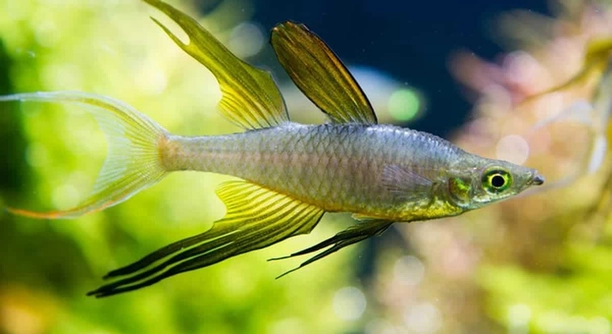
Threadfin Rainbowfish are popular for their bright colors and active behavior in home aquariums. They are generally easy to care for, but sometimes they refuse standard pellet food, leaving owners concerned about their nutrition and wellbeing.
A practical approach when a Threadfin Rainbowfish refuses pellets is to gradually introduce alternative foods such as finely crushed flakes, live or frozen insects, and fresh vegetables. Consistent feeding schedules and maintaining optimal water quality support proper appetite and overall health.
Addressing this feeding challenge ensures your fish remain healthy and vibrant, allowing you to maintain a thriving aquarium environment with minimal stress.
Identifying Why Your Threadfin Rainbowfish Refuses Pellets
Threadfin Rainbowfish may reject pellets for several reasons. Water quality plays a significant role; poor conditions can reduce appetite. Stress from overcrowding or aggressive tank mates may also prevent fish from eating. Additionally, the size, texture, or flavor of pellets may not appeal to them, especially if they are accustomed to live or frozen foods. Overfeeding can create disinterest, as leftover food lowers motivation to try new pellets. Temperature fluctuations in the tank can influence feeding patterns as well, since these fish prefer stable conditions. Observing behavior, swimming patterns, and interactions with other fish can provide clues to why pellets are being ignored. Sometimes, even small environmental changes, such as rearranged decorations or new lighting, can temporarily affect feeding. Maintaining a clean, calm, and consistent environment increases the likelihood that your fish will accept a varied diet, including pellets. Patience and observation are key in resolving this issue effectively.
Stress, environment, and pellet type all influence feeding. Consistency and careful monitoring help your fish adapt to pellets over time.
Gradually introducing alternative foods alongside pellets can encourage acceptance. Crushed flakes, live or frozen insects, and finely chopped vegetables can entice picky eaters. Offering small amounts frequently avoids waste and encourages feeding. Observing which foods trigger interest allows you to adjust their diet. Proper feeding habits support color, energy, and overall health, making the aquarium more vibrant. Avoid sudden changes; consistency builds trust and appetite.
Strategies to Encourage Pellet Acceptance
Start by mixing pellets with familiar foods for a smoother transition. Gradually reduce supplemental foods as acceptance grows.
Offering pellets in smaller portions multiple times daily can increase familiarity without overwhelming the fish. Live foods like brine shrimp or daphnia are effective for attracting interest, while frozen alternatives provide a convenient option. Rotating textures and flavors keeps the diet engaging. Feeding at consistent times reinforces routine and reduces stress. Removing uneaten pellets promptly maintains water quality, preventing negative associations with the food. Observation is important; note which pellets are most readily accepted and adjust accordingly. Environmental stability—temperature, lighting, and tank setup—supports feeding behavior. Combining these strategies ensures Threadfin Rainbowfish receive necessary nutrition while promoting healthy growth and vibrant coloration. Over time, fish typically adapt to the new feeding routine, making pellets a reliable part of their diet. Patience and attentiveness are essential throughout this process.
Adjusting Pellet Size and Texture
Smaller or softer pellets are often easier for Threadfin Rainbowfish to accept. Breaking pellets into tiny pieces can help picky eaters. Gradually increasing size allows them to adapt without stress. Consistent texture encourages regular feeding and prevents frustration.
Some fish reject pellets because they are too large or hard. Threadfin Rainbowfish have delicate mouths and prefer smaller, softer food. Crumbling or soaking pellets in tank water makes them easier to consume. Observing how they respond to different sizes and textures helps determine the most suitable option. Over time, gradually reintroducing standard pellet size ensures they can feed comfortably without disruption. This approach reduces wasted food and keeps the tank clean.
Texture is as important as size. Pellets that are too dry or hard can be ignored, even if nutritious. Moistening or slightly crushing them mimics natural food and encourages feeding. Regularly monitoring acceptance ensures your fish receive proper nutrition. Consistency in feeding habits combined with the right pellet texture supports growth, coloration, and energy levels. Maintaining patience and attention to detail makes adaptation smoother and keeps your aquarium environment stable.
Using Live and Frozen Foods to Encourage Feeding
Live and frozen foods stimulate appetite and attract interest. Brine shrimp, daphnia, and bloodworms are excellent options for finicky eaters. Introducing them alongside pellets helps establish feeding routines.
These foods provide variety and entice Threadfin Rainbowfish to eat consistently. Live options mimic natural prey, encouraging active hunting behavior, while frozen alternatives are convenient and safe. Gradually mixing small amounts with pellets encourages acceptance without overfeeding. Observing which types are preferred allows you to tailor feeding schedules and maintain balanced nutrition. Avoid overreliance on live foods to prevent nutritional gaps. Using a combination of live, frozen, and pellet foods promotes health, coloration, and energy. Maintaining water quality while feeding ensures the tank environment remains stable and reduces stress.
Supplementing with live or frozen foods ensures picky eaters receive essential nutrients. Offering a variety of options keeps their diet engaging, promoting appetite and growth. Gradually incorporating pellets alongside these foods reinforces routine and acceptance. This method allows Threadfin Rainbowfish to benefit from both nutritional value and natural feeding behaviors. Proper portioning prevents waste and maintains water quality, while consistent feeding times support healthy habits. Observing responses to different foods helps refine their diet. Over time, fish typically adapt to mixed feeding strategies, improving overall health and energy levels.
Creating a Calm Feeding Environment
A peaceful tank encourages Threadfin Rainbowfish to eat. Minimize sudden movements and loud noises. Avoid overcrowding and ensure compatible tank mates to reduce stress.
Providing hiding spots and stable water conditions helps fish feel secure. Stress-free environments increase appetite and make them more willing to try pellets or other foods consistently.
Monitoring Water Quality
Regular testing of water parameters is essential. Ammonia, nitrite, nitrate, and pH levels should remain stable. Temperature consistency also supports healthy feeding habits and overall wellbeing. Keeping the tank clean ensures fish are more likely to accept pellets without hesitation.
Gradual Transition Techniques
Mixing small amounts of pellets with familiar foods encourages acceptance. Slowly increase pellet proportion as fish adapt. Observation of feeding behavior allows adjustments and ensures the diet remains balanced.
Tracking Feeding Progress
Keeping a log of feeding times, amounts, and preferences helps identify patterns. Monitoring progress ensures Threadfin Rainbowfish receive consistent nutrition and reduces the risk of dietary issues developing over time.
FAQ
Why is my Threadfin Rainbowfish refusing pellets?
Threadfin Rainbowfish may refuse pellets for several reasons. Water quality, stress, and tank conditions often play a major role. Some fish are sensitive to pellet size, texture, or flavor. Overfeeding or sudden changes in diet can also lead to refusal. Observing behavior and tank conditions helps identify the underlying issue.
How can I make my fish accept pellets?
Start by mixing pellets with foods they already enjoy, such as live or frozen insects. Gradually increase the proportion of pellets while decreasing supplemental foods. Crumbling or soaking pellets can make them easier to consume. Consistent feeding times and a calm environment improve acceptance.
What types of live or frozen foods are best?
Brine shrimp, daphnia, and bloodworms are excellent options. Live foods encourage natural hunting behavior, while frozen alternatives are convenient and safe. Offering a combination keeps the diet varied and supports appetite, growth, and coloration.
How often should I feed my Threadfin Rainbowfish?
Feeding two to three small meals daily is ideal. Small portions prevent overfeeding and ensure the fish eat consistently. Observing how much they consume in a few minutes helps adjust portions appropriately. Regular feeding reinforces routine and reduces stress.
Can pellet size affect feeding behavior?
Yes, pellet size is important. Threadfin Rainbowfish have delicate mouths and may ignore large or hard pellets. Crumbling, soaking, or gradually increasing pellet size can help them adapt. Smaller or softer pellets encourage regular feeding without frustration.
Does water temperature affect feeding?
Temperature plays a role in appetite. Threadfin Rainbowfish prefer stable temperatures and may eat less if the water fluctuates. Maintaining consistent warmth within their preferred range encourages regular feeding and supports overall health.
How do I prevent picky eating long-term?
Rotate foods, including pellets, live, and frozen options, to keep the diet engaging. Avoid sudden changes and maintain consistent feeding schedules. Clean water and a calm environment reduce stress, making fish more willing to try different foods. Observation helps identify preferences and patterns.
What should I do if my fish still refuses pellets?
If refusal persists, continue offering alternative foods while gradually reintroducing pellets. Check water quality, tank conditions, and social dynamics. Consulting with an aquatic specialist may help identify specific health or environmental issues. Patience is essential as fish adapt over time.
Can overfeeding cause pellet refusal?
Yes, overfeeding reduces appetite and interest in pellets. Uneaten food can also degrade water quality, further discouraging feeding. Offering smaller portions and observing consumption helps ensure proper nutrition and maintains tank cleanliness.
Are there signs my fish is not getting enough nutrition?
Look for faded coloration, lethargy, weight loss, or unusual swimming behavior. Appetite loss can signal stress, illness, or dietary imbalance. Adjusting feeding routines, improving water quality, and offering varied foods can restore health and encourage regular eating habits.
How long does it take for fish to adapt to pellets?
Adaptation varies by fish and individual preferences. Some may accept pellets within days, while others take weeks. Gradual introduction, consistent feeding schedules, and a calm environment speed up the process, ensuring proper nutrition without unnecessary stress.
Is it safe to rely solely on live or frozen foods?
While nutritious, live or frozen foods alone may not provide a balanced diet. Pellets contain essential vitamins and minerals needed for long-term health. Combining both types of food ensures complete nutrition and supports growth, coloration, and energy.
How do I maintain water quality during feeding?
Remove uneaten food promptly and perform regular water changes. Test water parameters frequently to ensure ammonia, nitrite, nitrate, and pH remain stable. Clean environments encourage feeding and prevent stress-related food refusal.
Can tank mates affect feeding behavior?
Aggressive or competitive tank mates may intimidate Threadfin Rainbowfish, reducing their willingness to eat. Provide hiding spots, monitor interactions, and ensure compatible species to create a calm feeding environment that encourages pellet consumption.
What if my fish only eats at certain times?
Fish can develop time-based feeding habits. Offering pellets consistently at the same times each day encourages routine. Adjusting feeding schedules gradually can help shift their acceptance of pellets and maintain balanced nutrition.
Are there specific brands of pellets recommended?
High-quality pellets designed for small tropical fish work best. Look for options with balanced nutrients and appropriate size for Threadfin Rainbowfish. Observing which brands your fish readily accepts allows you to maintain a consistent, nutritious diet.
How can I tell if pellets are fresh?
Check expiration dates and storage conditions. Stale or dry pellets can lose flavor and nutritional value, leading to refusal. Store pellets in a cool, dry place, tightly sealed to preserve freshness and ensure consistent feeding success.
Should I adjust lighting during feeding?
Moderate, stable lighting helps fish feel secure. Avoid sudden bright lights during feeding, which can stress them. Calm, consistent lighting supports appetite and encourages regular consumption of pellets alongside other foods.
Can stress from handling or maintenance affect feeding?
Yes, frequent disturbances, netting, or sudden changes during tank cleaning can reduce appetite. Minimize handling, perform gentle maintenance, and maintain a stable environment to support regular feeding habits and reduce stress.
How important is observation during the transition to pellets?
Observation is crucial. Watching which foods are accepted, how much is eaten, and any behavioral changes allows adjustments to feeding strategy. Careful monitoring ensures fish receive proper nutrition while adapting to pellets efficiently.
Are there signs of overfeeding or underfeeding?
Overfeeding leads to leftover food, water quality issues, and lethargy. Underfeeding can cause weight loss, faded coloration, and low energy. Monitoring consumption and adjusting portions maintains a healthy balance and supports overall wellbeing.
Can supplements help picky eaters?
Occasionally, vitamin-enriched or fortified pellets can ensure adequate nutrition. Supplements should not replace a balanced diet but can help fill gaps while fish adjust to pellets or alternative foods. Use them sparingly and according to recommendations.
How do I know if my fish prefers live over frozen food?
Observe feeding response. Active hunting, quick consumption, and eagerness indicate a preference for live food. Frozen options are convenient but may be less enticing. Mixing both gradually allows adaptation while maintaining variety.
Is it normal for fish to eat less during breeding or stress?
Yes, appetite may decrease temporarily during breeding or stressful periods. Provide optimal water conditions, a calm environment, and varied foods to maintain nutrition until normal feeding resumes.
How do I encourage reluctant fish to explore pellets?
Combine pellets with familiar foods, offer small amounts frequently, and use gentle placement near their usual feeding area. Gradual exposure and consistency increase the likelihood of acceptance without causing stress.
What are common mistakes when introducing pellets?
Forcing large amounts, sudden diet changes, ignoring water quality, or feeding in a stressful environment are common errors. Gradual introduction, proper portioning, and observation prevent refusal and maintain nutrition.
Can changes in tank layout affect feeding habits?
Yes, rearranging decorations, plants, or lighting can stress fish and reduce appetite. Keep the environment stable during pellet introduction to encourage consistent feeding behavior.
How long should I continue alternative foods while transitioning?
Continue until pellets are regularly consumed, which may take several days to weeks. Gradually reduce alternative foods as acceptance improves to ensure balanced nutrition and maintain appetite.
Is it necessary to consult a professional if refusal persists?
Yes, persistent refusal may indicate underlying health or environmental issues. A professional can assess water quality, disease, or diet concerns and provide targeted solutions to ensure fish health.
Can feeding different pellet brands improve acceptance?
Yes, some fish prefer certain flavors, textures, or compositions. Testing a few high-quality options helps identify which brand your Threadfin Rainbowfish will accept consistently.
What role does patience play in feeding adaptation?
Patience is essential. Forcing changes or rushing the process can increase stress and worsen refusal. Gradual adjustments, consistent routines, and careful observation promote acceptance and long-term healthy feeding habits.
How can I make pellet feeding a long-term success?
Maintain consistent feeding schedules, monitor water quality, offer a variety of foods, and adjust portion sizes as needed. Observation and patience ensure pellets remain a reliable and nutritious part of the diet.
What signs show my fish is thriving on pellets?
Vibrant coloration, active swimming, healthy weight, and regular feeding indicate successful adaptation. Consistent interest in pellets alongside other foods demonstrates that nutrition and appetite are well maintained.
Are there any natural ways to entice fish to pellets?
Slightly soaking pellets, mixing with favorite frozen foods, or offering small amounts near their usual feeding area encourages curiosity and reduces refusal without stress.
How do I prevent pellets from causing water issues?
Feed small portions, remove uneaten food promptly, and maintain regular water changes. Proper management prevents nutrient buildup, keeps water parameters stable, and encourages regular feeding behavior.
Can frequent observation influence feeding success?
Yes, monitoring intake, behavior, and preferences allows timely adjustments. Tracking patterns ensures the fish remain healthy and adapt smoothly to pellets while minimizing stress.
What is the best way to combine pellets with live or frozen foods?
Start with mostly live or frozen options, add small amounts of pellets, and gradually shift the ratio toward pellets. Observe consumption and adjust portions to maintain a balanced diet and healthy growth.
How do I handle a fish that consistently spits out pellets?
Crumble or soak pellets to make them easier to ingest. Offer alongside familiar foods and in small portions. Consistent exposure and a calm environment encourage eventual acceptance.
How important is variety in a Threadfin Rainbowfish diet?
Variety prevents boredom, supports nutritional balance, and promotes natural behaviors. Combining pellets, live, and frozen foods ensures the fish receive essential nutrients for growth, coloration, and energy.
What should I do if my fish suddenly refuses pellets after eating them before?
Check for environmental changes, water quality issues, stress, or illness. Offer alternative foods and gradually reintroduce pellets while maintaining consistent conditions to encourage resumption of regular feeding.
Are there signs that pellets are inappropriate for my fish?
If pellets are ignored consistently despite proper conditions, size, and texture, they may not suit your fish’s preferences. Testing alternatives and observing acceptance helps determine suitability.
Can social behavior affect feeding patterns?
Yes, aggressive or dominant tank mates may eat first, leaving timid fish reluctant to feed. Adjusting tank dynamics and providing multiple feeding spots ensures all fish receive adequate nutrition.
How do I maintain long-term pellet acceptance?
Rotate high-quality pellets, maintain stable conditions, monitor feeding, and provide occasional live or frozen supplements. Gradual changes and observation prevent refusal and promote consistent nutrition over time.
What is the recommended observation routine during pellet introduction?
Watch feeding behavior, note portions consumed, and track acceptance over days. Adjust pellet size, texture, or supplemental foods as needed. Consistent observation ensures smooth adaptation and maintains health and appetite.
How can I prevent future feeding issues?
Maintain stable water conditions, monitor tank dynamics, provide balanced nutrition, and introduce new foods gradually. Consistency and careful observation reduce stress and keep Threadfin Rainbowfish eating reliably.
What indicators show my feeding strategy is working?
Regular consumption of pellets, active swimming, bright coloration, and stable weight indicate successful adaptation. Fish displaying curiosity and consistent appetite reflect a balanced and effective feeding routine.
Are there any environmental cues that encourage pellet feeding?
Feeding in calm, well-lit areas with minimal disturbance, combined with familiar routines, supports pellet acceptance. Stable surroundings reduce stress and encourage exploration of new foods.
How do I balance convenience with fish preference?
Use a mix of high-quality pellets and preferred live or frozen foods. Gradual transitions and careful observation ensure both convenience and consistent, nutritious feeding.
Can introducing new pellets too quickly cause rejection?
Yes, sudden changes can overwhelm fish. Gradual introduction alongside familiar foods allows adaptation without stress and encourages consistent feeding behavior.
How do I manage multiple picky eaters in one tank?
Feed in separate areas, offer small portions, and observe responses individually. Rotating food types and maintaining a calm environment helps all fish receive adequate nutrition.
Is tracking feeding logs necessary?
Yes, keeping records of amounts, timing, and preferences helps identify patterns, adjust routines, and ensure proper nutrition for each fish.
How often should I reassess feeding strategies?
Periodically review feeding behavior, health, and acceptance of pellets. Adjust as needed to maintain a balanced diet and prevent refusal or nutritional deficiencies.
What is the role of patience in pellet acceptance?
Patience is essential. Gradual adjustments, consistent routines, and careful observation promote adaptation without stress, ensuring long-term feeding success and healthy fish behavior.
Can environmental enrichment improve pellet acceptance?
Yes, providing plants, hiding spots, and gentle water flow reduces stress and encourages exploration, making fish more likely to try new foods, including pellets.
How can I minimize food waste while introducing pellets?
Offer small portions, remove uneaten food promptly, and monitor feeding closely. Gradual introduction with careful observation ensures minimal waste and maintains water quality.
Are there common mistakes that prolong pellet refusal?
Rushing changes, overfeeding, inconsistent schedules, poor water quality, and neglecting environmental stressors all contribute to prolonged refusal. Careful monitoring, patience, and gradual adjustments prevent these issues.
How do I know when to adjust pellet size or type?
Observe feeding behavior closely. Spitting out, ignoring, or struggling with pellets indicates size or texture adjustments are needed. Gradual changes encourage acceptance.
Can frequent tank maintenance affect feeding habits?
Yes, sudden disturbances or frequent cleaning may stress fish and reduce appetite. Gentle handling and maintaining routine during pellet introduction supports feeding consistency.
Is it necessary to supplement pellets with vitamins?
Occasionally, vitamin-enriched pellets can ensure nutritional balance, particularly during transition periods. They should complement a varied diet and not replace essential live or frozen foods.
How do I prevent aggression during feeding?
Feed in multiple locations, provide hiding spots, and monitor interactions. Reducing competition allows timid Threadfin Rainbowfish to eat comfortably without stress.
Are there signs of stress related to feeding environment?
Hiding, erratic swimming, refusal of food, or lethargy indicate stress. Addressing tank conditions, lighting, and tank mate interactions encourages consistent feeding.
How important is consistency in pellet introduction?
Consistency in timing, portions, and placement builds familiarity and trust, encouraging acceptance. Gradual, predictable routines are essential for successful adaptation.
What is the ideal feeding routine for picky eaters?
Small, frequent meals combined with familiar foods initially, gradually transitioning to pellets, helps establish acceptance. Observation ensures each fish receives proper nutrition.
Can environmental changes suddenly affect appetite?
Yes, rearranged decorations, new lighting, or temperature shifts can temporarily reduce interest in pellets. Maintaining stability supports consistent feeding habits.
How do I address long-term refusal?
Continue alternative foods while gradually reintroducing pellets, monitor water quality and stress, and consult professionals if needed. Patience ensures fish adapt successfully.
Is it normal for appetite to fluctuate?
Yes, fluctuations occur due to stress, breeding, or minor environmental changes. Consistency in routine and observation supports balanced feeding.
What is the best approach for multi-species tanks?
Feed in multiple locations, observe each species, and adjust portions. Provide hiding spots and monitor aggression to ensure all fish receive nutrition.
How can I tell if pellets are high-quality?
Check ingredients, size, texture, and nutrient balance. Freshness and suitability for small tropical fish support acceptance and health.
Are there signs my fish prefer certain flavors?
Quick consumption, active hunting, and repeated interest indicate preference. Mixing pellets with favored foods encourages adaptation.
How important is portion control?
Portion control prevents overfeeding, reduces waste, maintains water quality, and ensures consistent appetite, supporting overall health and pellet acceptance.
Can feeding schedule influence pellet acceptance?
Yes, consistent timing establishes routine. Gradually adjusting schedules helps fish adapt to pellets without stress.
Is observation more important than trial and error?
Observation allows targeted adjustments based on behavior and preferences, making adaptation more efficient and minimizing stress compared to random changes.
How do I handle multiple picky eaters with different preferences?
Feed in separate areas, rotate foods, and monitor individually. Gradual introduction of pellets ensures each fish receives proper nutrition.
Can tank enrichment reduce food refusal?
Yes, hiding spots, gentle flow, and plants reduce stress and encourage natural feeding behavior, increasing pellet acceptance.
How do I prevent pellets from causing digestive issues?
Use appropriate size, avoid overfeeding, and maintain water quality. Gradual introduction and observation reduce the risk of digestive problems.
What is the most effective long-term strategy for pellet feeding?
Gradual introduction, consistent routine, variety of foods, stable environment, observation, and patience ensure Threadfin Rainbowfish accept pellets and maintain balanced nutrition.
Are there behavioral signs of successful adaptation?
Active swimming, regular feeding, bright coloration, and interest in pellets indicate successful adaptation and balanced nutrition.
How often should I reassess feeding strategies?
Regularly monitor behavior, appetite, and health. Adjust portion sizes, pellet type, and feeding schedule to maintain acceptance and prevent refusal.
Can stress from other tank activities affect pellet feeding?
Yes, handling, maintenance, or aggressive tank mates can reduce appetite. Maintaining calm, consistent conditions supports feeding.
How do I balance convenience and fish preference long-term?
Mix high-quality pellets with occasional live or frozen foods. Gradual adaptation ensures proper nutrition while simplifying feeding routines.
What role does observation play in preventing feeding problems?
Observation identifies preferences, portion issues, and environmental stressors. Early detection allows adjustments to maintain consistent feeding and overall fish health.
Can sudden introduction of new pellets cause rejection?
Yes, rapid changes overwhelm fish. Gradual introduction alongside familiar foods reduces stress and improves acceptance.
How do I maintain consistent feeding habits?
Use small, scheduled portions, maintain stable tank conditions, and monitor acceptance. Gradual transitions ensure long-term pellet consumption.
Can alternating pellet brands help?
Yes, some fish prefer specific textures or flavors. Alternating high-quality brands helps maintain interest and balanced nutrition.
How can I encourage timid fish to accept pellets?
Feed in quiet areas, offer small portions, and mix with familiar foods. Gradual exposure encourages exploration without stress.
Are there any environmental adjustments that improve feeding success?
Stable lighting, temperature, hiding spots, and calm surroundings increase comfort and willingness to try pellets.
How do I avoid overfeeding during transition?
Offer small portions, remove uneaten food promptly, and observe consumption. Gradual introduction prevents waste and maintains water quality.
Can changing tank mates help picky eaters?
Yes, reducing aggression or competition ensures timid fish have space to feed and increases pellet acceptance.
How do I know when my feeding strategy is effective?
Consistent consumption, bright coloration
Final Thoughts
Caring for Threadfin Rainbowfish can be very rewarding, especially when they are healthy, active, and brightly colored. Feeding them properly is one of the most important aspects of maintaining their wellbeing. Pellet refusal is a common issue, but it does not have to be a permanent problem. Understanding the reasons behind their picky behavior is the first step toward finding a solution. Environmental stress, water quality, tank mates, and even pellet size and texture can influence their willingness to eat. Paying close attention to these factors allows you to make adjustments that encourage consistent feeding and maintain overall health. Patience and observation are key, as each fish may respond differently to changes in diet and environment.
Introducing alternative foods such as live or frozen options can help stimulate appetite while gradually transitioning to pellets. Crushed flakes, brine shrimp, daphnia, and finely chopped vegetables can make feeding more appealing. Offering small portions multiple times per day prevents overfeeding and encourages regular consumption. Gradual changes allow fish to adjust without causing unnecessary stress or disruption to their routine. Maintaining a calm environment and consistent feeding schedule further supports acceptance of pellets. Over time, combining pellets with occasional supplements or live foods can provide a balanced diet that meets nutritional needs. Observing the fish closely during this transition helps identify preferences, measure progress, and make small adjustments that improve overall success.
Consistency in routine and attention to detail are essential for long-term success. Ensuring stable water conditions, reducing stress from aggressive tank mates, and providing hiding spots all contribute to a comfortable environment where fish feel secure enough to feed regularly. Even minor changes in lighting, tank arrangement, or temperature can temporarily impact appetite, so maintaining stability is important. Tracking feeding habits, monitoring appetite, and adjusting pellet size or type when needed ensures fish receive proper nutrition. With careful observation, patience, and a methodical approach, Threadfin Rainbowfish can successfully adapt to pellets while continuing to thrive. This process not only supports their health and coloration but also fosters a well-maintained and harmonious aquarium.

Hello,
If you enjoy the content that we create, please consider saying a "Thank You!" by leaving a tip.
Every little bit helps us continue crafting quality advice that supports the health, happiness, and well-being of pets around the world, for pets of all shapes, sizes, and species.
We really appreciate the kindness and support that you show us!