
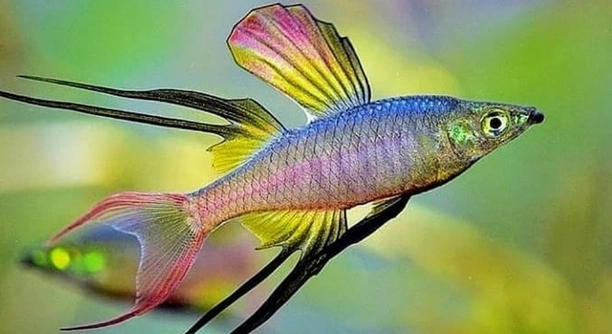
Threadfin Rainbowfish are known for their vibrant, shimmering colors that brighten any aquarium. Maintaining their striking appearance can be a challenge, as several subtle factors can cause their colors to fade over time, affecting their overall health and beauty.
Color fading in Threadfin Rainbowfish is commonly triggered by poor water quality, inadequate nutrition, stress from overcrowding, sudden changes in temperature, improper lighting, disease, and aging. Addressing these factors promptly is essential for preserving their natural coloration and supporting overall well-being.
Understanding what causes color loss can help you create a stable, healthy environment. Paying attention to these triggers ensures your Threadfin Rainbowfish maintain their radiant and lively appearance.
Poor Water Quality
Threadfin Rainbowfish are highly sensitive to the water they live in. High levels of ammonia, nitrites, or nitrates can stress them and dull their colors. Even minor fluctuations in pH can have a noticeable effect on their appearance. Regular water changes and proper filtration help maintain a stable environment. Overcrowding can worsen water conditions quickly, so monitoring fish density is important. Hard or soft water outside the ideal range may also lead to fading colors. Maintaining consistent temperature is part of ensuring water stability. Frequent testing of water parameters allows timely corrections, preventing long-term stress on the fish. In addition, leftover food and decaying plants increase waste, making water conditions worse. Clear, clean water encourages natural coloration, helps reduce disease risk, and supports overall fish health. Investing in a high-quality filtration system and avoiding overfeeding can make a significant difference in maintaining vibrant colors over time.
Consistently clean and balanced water keeps Threadfin Rainbowfish healthy, energized, and colorful. Small adjustments have lasting impacts.
Proper water management directly affects your fish’s coloration. Regular testing, careful feeding, and timely water changes ensure your rainbowfish remain bright and visually striking, preventing color loss and promoting long-term vitality in your aquarium.
Inadequate Nutrition
Poor or unbalanced diets can quickly lead to fading colors in Threadfin Rainbowfish. They require a mix of high-quality flake or pellet food and occasional live or frozen options like brine shrimp and daphnia. Color-enhancing foods with carotenoids help maintain red, orange, and yellow hues. Feeding too little or relying solely on one type of food deprives them of essential nutrients, weakening their immune system and dulling colors. Overfeeding can also reduce water quality, indirectly affecting coloration. Observing your fish’s eating habits ensures each individual is getting enough nutrition without compromising tank cleanliness. Supplements can be used occasionally, but natural, varied diets work best. Consistent feeding schedules help reduce stress, which in turn supports vibrant coloring.
Balanced nutrition strengthens fish, ensuring colors remain bold and natural. Variety and consistency are key.
To sustain their vivid colors, offer a diverse, nutrient-rich diet that supports health and vibrancy. Include live or frozen foods alongside quality pellets, and supplement carefully. This approach enhances pigmentation, boosts immunity, and minimizes stress-related fading.
Stress from Overcrowding
Overcrowding increases competition for food and territory, causing stress that directly affects coloration. Threadfin Rainbowfish in cramped conditions often lose their vibrant hues. Providing enough space and hiding spots reduces aggression and promotes natural behavior, helping colors remain bright.
Stress from overcrowding triggers hormonal changes that can dull coloration quickly. When multiple fish compete for limited space or resources, dominant individuals may suppress others, leading to weakened immune systems and less vibrant appearance. Overcrowding also increases waste levels, worsening water quality, which compounds the fading issue. Observing fish interactions and adjusting tank population helps maintain harmony. Adding plants and decorations allows fish to establish territories, reducing tension and supporting overall well-being. Stress management is just as important as diet or water quality for preserving color. Consistent monitoring and careful stocking decisions prevent chronic stress and maintain a healthy, visually appealing aquarium.
Addressing overcrowding involves careful planning. Ensuring adequate space per fish, adding hiding spots, and monitoring behavior all contribute to reducing stress-induced color loss in your Threadfin Rainbowfish.
Sudden Changes in Temperature
Rapid temperature swings can shock Threadfin Rainbowfish, leading to color fading. Maintaining stable temperatures is essential. Gradual adjustments help fish acclimate safely. Sudden drops or spikes in heat stress their system, weakening immunity and reducing vibrancy.
Temperature fluctuations disrupt metabolic processes and can cause immediate stress responses. When water becomes too warm or too cold, fish may become lethargic, lose appetite, or hide excessively. Over time, repeated exposure to unstable temperatures dulls colors and may contribute to disease susceptibility. Using a reliable heater or chiller, along with a thermometer, ensures consistency. Gradual acclimation during water changes or tank transfers prevents sudden shocks. Even small variations of a few degrees can impact coloration, so close monitoring is crucial. Stable temperatures promote normal activity, feeding, and breeding behavior, all of which support the natural brilliance of their scales.
Consistent temperature control is a simple but powerful way to maintain the vivid colors of Threadfin Rainbowfish. Regular monitoring prevents fading and supports overall health.
Improper Lighting
Threadfin Rainbowfish need consistent lighting to maintain their coloration. Too little light dulls their colors, while excessive light can stress them. Balanced exposure enhances their natural brilliance.
A proper day-night cycle with moderate aquarium lighting helps regulate behavior and color intensity. Avoid placing the tank in direct sunlight, which can overheat water and encourage algae growth, indirectly affecting fish coloration.
Disease
Infections and parasites can quickly lead to color fading. Early detection is key to preserving vibrant hues and overall health. Treatments should be applied promptly.
Aging
As Threadfin Rainbowfish grow older, natural color changes occur. While some fading is normal, maintaining optimal care can slow the process and keep colors vivid.
FAQ
Why are my Threadfin Rainbowfish losing color suddenly?
Sudden color loss is often linked to stress, water quality, or temperature changes. Rapid fluctuations in these conditions can shock fish and cause fading. Ensuring stable water parameters, a consistent temperature, and minimal stress from overcrowding helps restore their natural vibrancy over time.
Can diet really affect the color of my rainbowfish?
Yes, nutrition plays a significant role in maintaining bright colors. Foods rich in carotenoids, such as brine shrimp, daphnia, and certain color-enhancing flakes, support pigmentation. A varied diet also strengthens their immune system, which indirectly helps prevent fading caused by stress or disease.
How often should I test the water?
Water testing should be done at least weekly. Regularly checking ammonia, nitrite, nitrate, and pH levels helps prevent conditions that dull color. Consistent monitoring allows you to catch problems early and maintain an environment where your fish thrive and retain their bright appearance.
What is the ideal temperature for Threadfin Rainbowfish?
Threadfin Rainbowfish prefer a stable range between 74°F and 82°F (23°C–28°C). Sudden changes outside this range can stress them and reduce color intensity. Using a reliable heater or thermometer ensures gradual adjustments during water changes or seasonal temperature variations.
Does tank size affect coloration?
Yes, overcrowding can lead to stress, which dulls color. Providing adequate space per fish reduces competition and aggression. Adding plants and decorations gives fish hiding spots and territories, further reducing stress and supporting natural, vibrant coloration.
Can lighting improve or worsen their colors?
Proper lighting enhances natural colors, while poor lighting can cause dulling. A moderate aquarium light with a consistent day-night cycle supports behavior and pigmentation. Avoid direct sunlight, which can overheat water and promote algae growth that indirectly impacts fish appearance.
Is color fading a sign of disease?
Color fading can indicate illness, especially when accompanied by lethargy, loss of appetite, or abnormal behavior. Common issues include parasites, bacterial infections, or fungal problems. Early detection and prompt treatment are essential for restoring health and vibrant coloration.
How can I reduce stress in my aquarium?
Stress reduction involves stable water conditions, proper diet, adequate space, and hiding spots. Avoid sudden changes in temperature or lighting and monitor interactions between fish to prevent bullying. Stress management is crucial for maintaining both color and overall health.
Will aging cause my rainbowfish to lose color permanently?
Some fading with age is normal, but good care can slow the process. Maintaining optimal water quality, diet, and stress-free conditions helps older fish retain more of their natural vibrancy for longer.
Are supplements necessary for maintaining bright colors?
Supplements can help but are not always required. Natural foods rich in pigments usually suffice. Occasional use of color-enhancing supplements may boost hues, but overuse is unnecessary and can affect water quality if not managed carefully.
Can I reverse color fading?
Yes, in many cases, fading caused by stress, diet, or water quality can be reversed. By addressing the root causes—stabilizing water parameters, improving nutrition, and reducing stress—you can help Threadfin Rainbowfish regain their bright, healthy appearance.
How do I know if my water conditions are causing fading?
Signs include sluggish behavior, loss of appetite, and gradual dulling of color. Regular testing of ammonia, nitrite, nitrate, and pH levels will show if water conditions need correction. Maintaining clean, balanced water is critical for vibrant coloration.
How long does it take for colors to return after changes?
The time varies depending on the cause and severity. Improvement can be seen in a few days to several weeks with proper care. Patience and consistent maintenance are essential for restoring natural vibrancy.
Are live plants beneficial for color retention?
Yes, live plants provide hiding spots and help maintain water quality. They reduce stress and create a more natural environment, supporting the bright, natural colors of Threadfin Rainbowfish.
What are the most common mistakes that lead to fading?
Overcrowding, poor diet, unstable water conditions, sudden temperature changes, and insufficient lighting are frequent causes. Addressing these factors proactively prevents color loss and promotes long-term health and vitality in the aquarium.
How often should I feed my Threadfin Rainbowfish?
Feeding two to three times daily in small portions is ideal. Overfeeding pollutes water, while underfeeding weakens coloration. Balanced, frequent meals ensure nutrition without compromising tank conditions.
Is it normal for colors to fluctuate throughout the day?
Yes, slight daily fluctuations are normal and reflect mood, activity, and natural responses to light. Persistent dulling, however, usually signals an underlying issue that needs attention.
Do tank mates affect coloration?
Aggressive or overly active tank mates can stress Threadfin Rainbowfish, causing dulling. Choosing compatible species and providing ample space minimizes stress and supports color retention.
Can stress from handling or moving fish cause fading?
Yes, moving fish or sudden handling can trigger temporary color loss. Minimizing disturbances and acclimating fish slowly to changes helps maintain their natural vibrancy.
Is it necessary to use color-enhancing foods continuously?
Continuous use is not required. Regular, varied diets provide most nutrients needed for bright coloration. Occasional use of color-enhancing foods can boost vibrancy without overloading the system or affecting water quality.
This FAQ section covers common concerns about color fading in Threadfin Rainbowfish. By understanding these factors and applying careful maintenance, the vibrancy of your fish can be preserved effectively.
Final Thoughts
Maintaining the vibrant colors of Threadfin Rainbowfish requires consistent care and attention to their environment. Water quality, diet, temperature, and stress levels all play a critical role in how bright their scales appear. Even small changes in water parameters or feeding routines can affect their coloration, so regular monitoring is essential. Ensuring the water is clean and stable with proper filtration prevents many issues that lead to fading. Consistent water changes, checking for ammonia, nitrites, nitrates, and maintaining the right pH also support their health and natural coloring. Overcrowding should be avoided, as it increases stress and reduces the ability of each fish to display its full color. Proper spacing, along with plants and decorations for hiding spots, allows fish to feel secure and reduces aggression among tank mates.
Nutrition is equally important for keeping colors vivid. A varied diet that includes high-quality flakes or pellets, along with live or frozen foods, provides essential nutrients and supports pigmentation. Foods rich in carotenoids help maintain red, orange, and yellow hues, while protein-rich foods keep them healthy and active. Overfeeding can harm water quality, while underfeeding can weaken their immune system and make colors fade. Following a consistent feeding schedule ensures that each fish receives adequate nutrition without overwhelming the tank’s ecosystem. Occasional supplements can help enhance colors, but they should not replace a balanced, natural diet. Monitoring feeding habits and adjusting portions based on activity levels helps maintain both health and appearance.
Stress management, proper lighting, and careful observation also influence coloration. Sudden changes in temperature or lighting, aggressive tank mates, or poor handling can cause immediate color loss. Providing a stable environment with gradual adjustments minimizes stress. Consistent day-night cycles and moderate lighting enhance natural brilliance, while avoiding direct sunlight prevents overheating and algae growth. Observing behavior regularly allows you to detect signs of illness or fading colors early. Addressing problems promptly, whether they stem from water quality, diet, or disease, increases the likelihood of restoring vibrancy. By combining careful attention to these factors, Threadfin Rainbowfish can maintain bright, lively colors and remain healthy in the long term, making the aquarium both visually appealing and a stable, balanced habitat.

Hello,
If you enjoy the content that we create, please consider saying a "Thank You!" by leaving a tip.
Every little bit helps us continue crafting quality advice that supports the health, happiness, and well-being of pets around the world, for pets of all shapes, sizes, and species.
We really appreciate the kindness and support that you show us!