
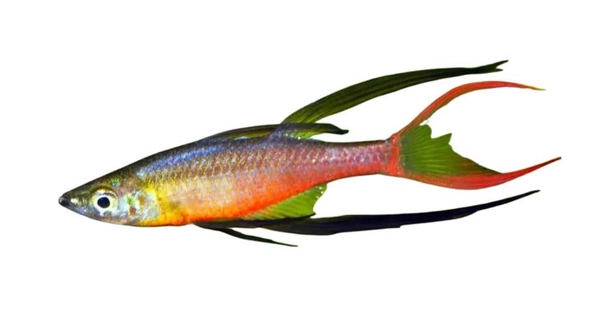
Do you enjoy keeping a small freshwater aquarium but notice one of your Threadfin Rainbowfish behaving differently from the others? Observing aggression in a generally peaceful group can feel confusing and concerning for many hobbyists.
Aggression in a single Threadfin Rainbowfish usually arises from territorial behavior or social hierarchy conflicts. Individual personality, stress, or environmental factors such as tank size, hiding spots, and water quality can trigger such behavior, distinguishing it from its tank mates.
Understanding why one fish behaves aggressively helps maintain harmony in your aquarium and ensures all your Threadfin Rainbowfish remain healthy and comfortable in their shared environment.
Understanding Aggression in Threadfin Rainbowfish
Observing one Threadfin Rainbowfish acting aggressively can feel unsettling, especially when the others remain peaceful. Aggression often stems from territorial instincts. In small or overcrowded tanks, a dominant fish may chase or nip others to claim space. Personality differences also play a role; some fish are naturally bolder. Stress factors such as sudden changes in water parameters, loud noises, or inadequate hiding spots can trigger aggressive displays. Nutrition influences behavior too. A fish lacking sufficient food or experiencing competition may act out. Understanding these triggers helps in managing aggression effectively. Adjusting the tank environment, ensuring proper population density, and monitoring behavior consistently can reduce tension. Maintaining stable water conditions and providing varied diets keeps the fish healthy and less prone to conflict. Regular observation allows you to identify patterns, intervene early, and create a calmer aquarium for all your Threadfin Rainbowfish, ensuring their well-being.
Aggression is often linked to territory, stress, or personality differences. Simple environmental adjustments can reduce conflicts and promote harmony in the tank.
Managing aggression requires consistent care and careful observation. Observing the fish’s interactions throughout the day can reveal patterns, such as specific times or situations when aggression peaks. Providing plants, rocks, or decorations gives hiding spots that reduce stress. Rotating feeding locations or increasing meal frequency can minimize competition. In some cases, temporarily separating the aggressive fish helps reset social dynamics. Monitoring water quality is crucial, as poor conditions can heighten irritability. Maintaining proper tank size allows each fish enough space to establish personal territories. Social hierarchy issues may resolve naturally if the tank environment supports balanced interactions. Gradual adjustments to lighting, flow, and tank decor can influence behavior positively. In severe cases, introducing new tank mates or changing the group composition may be necessary. Careful observation and thoughtful modifications ensure aggression does not harm other fish while promoting a stable, healthy aquarium environment.
Environmental Factors That Influence Aggression
Tank size, layout, and hiding spaces significantly impact a Threadfin Rainbowfish’s behavior. Crowded or barren tanks tend to increase tension, leading to aggressive displays. Proper setup supports peaceful interactions.
Environmental conditions such as lighting, water flow, and substrate type affect stress levels in Threadfin Rainbowfish. Bright lighting without shaded areas can make dominant fish more territorial. Strong currents may tire less aggressive individuals, making them vulnerable to harassment. Introducing plants and decorations creates natural barriers and private zones, which reduce confrontations. Temperature and pH consistency are essential; sudden fluctuations can provoke nervous or aggressive behavior. Maintaining a balanced population prevents overcompetition for food and space. Feeding strategies, such as scattering food or using multiple feeding points, minimize conflicts during meals. Observation of behavior patterns helps identify which environmental adjustments work best for calming aggressive tendencies. Regular cleaning and routine checks prevent stress-related behaviors from escalating. By optimizing the tank layout and conditions, aggression can be significantly reduced, fostering a harmonious community of Threadfin Rainbowfish.
Social Hierarchy and Individual Personality
Aggression can stem from natural social hierarchy. A dominant Threadfin Rainbowfish may assert control over the tank, chasing or nipping others. Individual personality differences often influence which fish becomes dominant.
Some fish are naturally bolder and more territorial, while others remain passive. In a group, a single fish may establish dominance quickly, especially in smaller tanks. Personality clashes can intensify conflicts, making one fish consistently aggressive. Monitoring interactions helps identify if behavior is temporary or persistent. Sometimes minor adjustments, like adding hiding spots or rearranging decorations, can reduce tension. Recognizing these dynamics early prevents long-term stress and ensures a more balanced aquarium environment.
Over time, fish personalities may shift, but dominant behavior can persist if the environment supports it. Introducing new tank mates can either stabilize or disrupt the hierarchy, depending on their temperament. Even minor environmental changes, like increasing plant cover or adding rocks, can give subordinate fish a chance to retreat safely. Observing feeding habits also helps, as aggressive fish often dominate food, leaving others stressed. Understanding personality and hierarchy dynamics is essential for maintaining peace and preventing injuries, allowing all fish to thrive in the same space.
Health and Stress Factors
Stress or underlying health issues can cause aggression in one Threadfin Rainbowfish. Illness or poor water quality often triggers erratic behavior, including chasing or nipping.
Illnesses such as parasites, fin rot, or bacterial infections can make a fish more irritable. Stress from poor water quality, sudden changes in temperature, or improper diet can amplify aggressive tendencies. Even minor injuries or discomfort may increase defensive behaviors. Observing physical signs alongside behavior helps identify whether aggression is linked to health issues. Addressing these factors promptly ensures both the aggressive fish and its tank mates remain healthy.
Maintaining optimal water conditions, consistent temperature, and proper diet is key to reducing stress-induced aggression. Regular testing of ammonia, nitrite, nitrate, and pH levels prevents conditions that provoke irritability. A varied diet supports overall health, which in turn reduces aggressive tendencies. Quarantining new or sick fish before introducing them helps prevent disease spread and limits stress-related conflicts. Adequate space and hiding areas allow fish to retreat when feeling threatened, preventing escalation. Monitoring interactions during feeding times ensures all fish receive nutrition without conflict. By prioritizing health and minimizing stressors, aggression can be significantly reduced, promoting a calmer and safer aquarium environment for all Threadfin Rainbowfish.
Tank Size and Population Density
A small or overcrowded tank often increases aggression in Threadfin Rainbowfish. Limited space forces fish into closer contact, prompting dominant individuals to chase or nip others more frequently.
Keeping the correct number of fish relative to tank size is essential. Overcrowding stresses all fish, leading to frequent confrontations and uneven social dynamics.
Feeding and Nutrition
Competition for food can trigger aggressive behavior. Aggressive fish may dominate feeding spots, leaving others stressed or underfed. Providing multiple feeding areas and a varied diet reduces conflict. Scattering food or using slow-release feeding techniques allows all fish to eat without direct competition, lowering aggression levels in the tank.
Temporary Separation
Separating the aggressive fish temporarily can help reset social dynamics. Using a divider or quarantine area allows fish to calm and reduces immediate conflicts.
FAQ
Why is only one Threadfin Rainbowfish aggressive while the others are peaceful?
Individual personality differences and social hierarchy often explain this behavior. Some fish are naturally bolder and more territorial. Environmental factors like tank size, lack of hiding spots, or competition for food can amplify aggression in a single fish, while others remain calm.
Can aggression be a sign of illness?
Yes. Health issues such as parasites, bacterial infections, or fin damage can make a fish irritable and more prone to aggressive behavior. Stress from poor water quality, sudden temperature changes, or inadequate diet can also contribute to heightened aggression. Observing physical signs alongside behavior is essential.
Does tank size influence aggression?
Absolutely. Small or overcrowded tanks force fish into closer contact, making dominant individuals more likely to chase or nip others. Providing enough space for each fish and creating hiding spots can significantly reduce conflicts.
How does social hierarchy affect one fish becoming aggressive?
In a group, a dominant fish may assert control over territory and resources. Personality differences influence which fish becomes dominant. Adjusting the tank environment or rearranging decorations can sometimes reduce tensions and help subordinate fish feel safer.
Will adding more Threadfin Rainbowfish reduce aggression?
It depends. Sometimes adding fish balances social dynamics by distributing dominance, but it can also increase competition if the tank becomes overcrowded. Careful consideration of tank size, population, and temperament of new fish is necessary.
Should I separate the aggressive fish?
Temporary separation can help reset social dynamics. Using a divider or quarantine area allows fish to calm down, reduces immediate conflicts, and prevents injuries. Permanent separation is rarely necessary unless aggression persists despite environmental adjustments.
Can feeding strategies reduce aggression?
Yes. Aggressive fish often dominate feeding spots. Scattering food, using multiple feeding locations, or employing slow-release feeding methods allows all fish to eat without competition. A varied diet also supports overall health, lowering stress-induced aggression.
Do hiding spots really make a difference?
Definitely. Plants, rocks, and decorations provide retreats for less dominant fish, reducing stress and minimizing aggressive encounters. A well-decorated tank helps fish establish personal territories, promoting a calmer environment.
How long does it take for aggression to subside?
The timeline varies. Minor territorial disputes may resolve within days if the environment supports balance. Persistent aggression may require ongoing observation and adjustments, including tank rearrangement, feeding strategies, or temporary separation.
Can water quality affect aggression?
Yes. Poor water conditions, including high ammonia, nitrite, or nitrate levels, can stress fish, making them more irritable. Regular testing and maintenance ensure stable conditions, which reduces aggression and supports overall health.
Is aggression seasonal or constant?
It is generally constant but may spike during breeding or when the tank environment changes. Monitoring behavior during these periods helps manage aggression effectively. Adjusting tank conditions and providing extra hiding spots can prevent escalation.
What if my aggressive fish injures others?
Immediate intervention is necessary. Separate injured fish if needed, treat any wounds, and assess the tank environment for stressors. Preventing further harm involves monitoring interactions, maintaining water quality, and ensuring adequate space and hiding areas.
Does personality change over time?
Yes. Fish may become more or less aggressive depending on age, social experiences, and environmental adjustments. Gradual changes in behavior are normal, but persistent aggression requires consistent observation and management.
Can rearranging the tank help reduce aggression?
Absolutely. Changing the layout disrupts established territories, giving subordinate fish new hiding spots. This can reduce dominance-driven aggression and promote a more balanced social structure within the aquarium.
Is aggression more common in smaller groups?
Smaller groups can increase the likelihood of one fish becoming dominant. Adequate group size and proper tank setup help distribute social interactions and minimize repeated confrontations with a single individual.
How important is consistent observation?
Very important. Monitoring fish behavior regularly allows you to spot early signs of aggression, identify triggers, and make timely adjustments. Consistent observation ensures a healthier, calmer environment for all Threadfin Rainbowfish.
Are there long-term solutions for aggressive behavior?
Long-term solutions focus on environment, diet, and social balance. Providing enough space, hiding spots, varied diet, and maintaining water quality are key strategies. Temporary separation or gradual group adjustments may also stabilize interactions over time.
Can aggressive behavior affect breeding?
Yes. Dominant aggression can stress potential breeding partners, impacting spawning success. Ensuring a balanced, calm tank environment with adequate hiding spots supports reproductive behavior and protects less dominant fish.
Does lighting or flow influence aggression?
Strong lighting without shaded areas or high water flow can increase stress, making dominant fish more territorial. Providing moderate lighting and appropriate flow helps create a comfortable environment, reducing aggressive tendencies naturally.
Is aggression ever completely preventable?
No, some level of aggression is natural due to personality and social hierarchy. However, proper tank management, observation, and environmental adjustments can minimize conflicts and maintain a peaceful aquarium.
How can I tell if aggression is temporary or persistent?
Observe the frequency and intensity of aggressive behavior. Temporary aggression often occurs during territorial disputes or minor stress events. Persistent aggression continues despite environmental improvements and may require more structured interventions like separation or tank reorganization.
Can multiple strategies be combined to manage aggression?
Yes. Combining adequate tank size, hiding spots, feeding adjustments, temporary separation, and careful monitoring is the most effective approach. Layered strategies address environmental, social, and health factors, promoting a stable and harmonious tank for all fish.
This FAQ covers the main causes, triggers, and management techniques for aggression in a single Threadfin Rainbowfish, providing practical guidance for maintaining a balanced aquarium.
Final Thoughts
Observing one Threadfin Rainbowfish acting aggressively can be worrying, especially in a tank where the other fish remain peaceful. Aggression in a single fish is usually a combination of natural personality, social hierarchy, and environmental factors. Some fish are simply bolder or more territorial than others, and this behavior may be exaggerated in a small or crowded tank. Stress, competition for food, and inadequate hiding spots often contribute to the problem. Understanding these factors allows you to respond effectively and reduce conflicts. Adjusting the tank layout, providing plants or rocks, and ensuring enough space can make a significant difference. Over time, these adjustments help subordinate fish feel safer, while dominant fish can maintain their natural behavior without causing harm.
Health and stress factors also play a crucial role in aggressive behavior. Poor water quality, sudden changes in temperature, and inadequate nutrition can make a fish irritable. Illnesses such as fin rot or parasites may increase defensiveness, leading to chasing or nipping of other fish. Monitoring water parameters, maintaining a consistent temperature, and providing a balanced diet are essential steps for reducing stress. Observation is key; watching interactions throughout the day helps identify when aggression occurs and what triggers it. Temporary separation or quarantining a fish can also allow tensions to subside. By addressing health and environmental issues, aggression often decreases naturally, creating a calmer and safer environment for all Threadfin Rainbowfish in the tank.
Managing aggression requires patience and consistent care. Changes may not have immediate effects, but gradual adjustments, such as adding hiding spots, rearranging tank decorations, or providing multiple feeding areas, support balanced social dynamics. Understanding the natural behavior of Threadfin Rainbowfish helps in anticipating conflicts and reducing stress for all fish. Keeping the tank clean, maintaining proper population levels, and ensuring each fish has adequate space are fundamental strategies for promoting harmony. By observing personality differences, respecting territorial instincts, and responding to stress or health issues, you can create a peaceful aquarium environment. Ultimately, careful monitoring, attention to tank conditions, and thoughtful adjustments allow both the aggressive fish and its tank mates to thrive together safely and comfortably.

Hello,
If you enjoy the content that we create, please consider saying a "Thank You!" by leaving a tip.
Every little bit helps us continue crafting quality advice that supports the health, happiness, and well-being of pets around the world, for pets of all shapes, sizes, and species.
We really appreciate the kindness and support that you show us!