
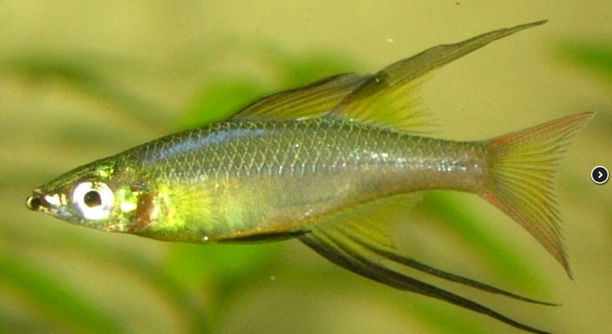
Have you ever noticed your male Threadfin Rainbowfish changing colors and wondered what these shifts might mean for their health or behavior?
Color changes in male Threadfin Rainbowfish often reflect their mood, health, or breeding readiness. These changes can indicate stress, poor water quality, or mating behavior, making observation essential for maintaining their well-being in a controlled aquatic environment.
Understanding these color transformations helps ensure your fish remain healthy and vibrant while offering insight into their natural patterns and behavior.
Early Maturity and Breeding Colors
When male Threadfin Rainbowfish reach maturity, their colors become more pronounced, especially during breeding periods. Their fins may turn vibrant shades of yellow, orange, or red, creating a striking contrast against their silver or blue bodies. These changes signal readiness to breed and serve as displays to attract females. The transformation often occurs under optimal tank conditions, where lighting, temperature, and diet encourage healthy color development. It’s also a sign of good overall care and well-maintained water quality. Observing these changes allows aquarists to understand when breeding behavior is about to begin, helping them prepare the environment accordingly.
During these periods, males tend to be more active and territorial, often displaying their fins to compete with other males for attention.
The intensity of breeding colors can fade after spawning, but regular feeding and stable water conditions help restore their vibrant hues. Maintaining a consistent environment supports long-term color stability.
Stress-Related Fading
When male Threadfin Rainbowfish experience stress, their colors may fade noticeably, signaling discomfort. This fading can result from poor water quality, sudden temperature changes, or overcrowding. Stress-induced color loss often appears as dull, grayish tones replacing their usual bright shimmer.
Improper handling or rapid water changes are major causes of stress-related fading. Threadfins thrive in clean, stable environments, and even minor fluctuations can impact their appearance. If colors begin to dull, it’s best to test water parameters immediately and ensure temperature and pH remain within ideal ranges. Consistent lighting also helps maintain their natural coloration. Regular partial water changes and a balanced diet rich in nutrients can restore brightness within days. Keeping the tank peaceful by avoiding aggressive species further reduces stress. When their surroundings feel secure, Threadfin Rainbowfish regain their color, reflecting both comfort and vitality in their aquatic environment.
Illness and Unusual Darkening
When male Threadfin Rainbowfish become ill, their colors may darken, especially near the fins and body edges. This darkening often signals internal issues or infections caused by bacteria, parasites, or poor tank conditions that compromise their health.
Fish showing dark patches may also display reduced activity, loss of appetite, or clamped fins. These signs often occur when ammonia or nitrate levels rise, stressing the immune system. Isolating affected fish helps prevent disease spread while treatment begins. A clean, well-filtered tank combined with medication suited to the illness can improve recovery. Maintaining good water circulation and consistent temperature also promotes healing and prevents recurring darkening.
Over time, as the fish recovers, its colors gradually return to normal brightness. Consistent feeding with vitamin-rich foods strengthens immunity and enhances pigment restoration. Keeping the tank stable ensures that color darkening remains a rare occurrence rather than a recurring concern.
Dominance and Social Display Colors
Male Threadfin Rainbowfish often change color to assert dominance among other males. These displays include intensified fin shades and brighter body hues, particularly during territorial interactions or competition for mates. The changes are natural and show social hierarchy within the tank.
When several males share a space, one often becomes more colorful to establish dominance. This brighter display can sometimes lead to mild chasing but rarely causes harm if enough space and hiding areas exist. A larger tank with floating plants helps manage aggression and maintains harmony. Lighting also enhances their iridescent tones during these social exchanges. Balanced diets high in carotenoids and proteins sustain these bright hues. Regular observation helps identify whether color intensification is healthy dominance behavior or linked to stress. Maintaining proper tank dynamics ensures every fish thrives while preserving the beauty of their natural color expressions.
Seasonal Color Shifts
Male Threadfin Rainbowfish may show subtle color changes with seasonal variations. Water temperature, light intensity, and day length can affect pigment expression, causing slight fading or brightening throughout the year.
These seasonal shifts are natural and not typically a cause for concern. Providing stable conditions reduces drastic changes and keeps colors consistent.
Diet-Influenced Colors
The diet of male Threadfin Rainbowfish plays a major role in color vibrancy. Foods rich in carotenoids, such as shrimp, spirulina, and specialized pellets, enhance red, orange, and yellow pigments. Regularly varying their diet ensures optimal brightness and overall health, while deficiencies can lead to dull, muted coloration.
Maturity-Related Fading
As males age, some colors may fade naturally, particularly less dominant hues. This process is part of their life cycle and does not necessarily indicate poor health.
FAQ
How can I tell if my male Threadfin Rainbowfish is changing color due to stress or illness?
Stress and illness often cause fading or darkening of colors, combined with other behaviors like clamped fins, reduced swimming, or loss of appetite. Checking water parameters, including ammonia, nitrite, and nitrate levels, can help identify environmental causes. Observing whether other fish are behaving aggressively or overcrowding occurs also provides insight. Illness may require isolation and treatment with appropriate medication, while stress can be managed by stabilizing temperature, improving water quality, and reducing disturbances in the tank.
Can breeding conditions really affect male coloration?
Yes, during breeding periods, males often show intensified colors on fins and body to attract females. This is natural and indicates sexual maturity. Providing stable water conditions, proper diet, and adequate lighting encourages bright, vibrant colors during these periods. Observing their behavior helps distinguish normal breeding coloration from stress-related changes.
Why do some males darken suddenly even in a well-maintained tank?
Sudden darkening can result from territorial behavior, social hierarchy adjustments, or minor environmental changes like shifts in lighting or temperature. Even with clean water, minor disturbances such as rearranging decorations or adding new fish can trigger temporary color changes. Monitoring interactions and providing hiding spots helps reduce prolonged darkening.
Can diet improve faded colors?
Absolutely. Foods rich in carotenoids and natural pigments, including shrimp, spirulina, and high-quality flakes or pellets, enhance reds, oranges, and yellows. Consistent feeding of nutrient-rich foods improves brightness over time. Avoid prolonged feeding of bland or low-nutrient diets, which can dull coloration. Supplementing with occasional live foods also stimulates natural pigment development.
Is fading always a sign of poor water quality?
Not always. Some color changes are natural due to seasonal shifts, aging, or dominance displays. However, consistently dull colors paired with lethargy, poor appetite, or clamped fins often indicate suboptimal water conditions. Regular testing, partial water changes, and maintaining stable temperature and pH are essential to prevent long-term color loss.
How long does it take for colors to return after stress or illness?
Recovery depends on severity, water quality, diet, and care. Minor stress-related fading may resolve within a few days with proper conditions. Illness recovery could take one to two weeks or longer. Providing a stable environment, proper nutrition, and minimizing disturbances accelerates the return of natural, vibrant colors.
Do males lose color permanently as they age?
Some fading occurs naturally with age, especially in less dominant hues. This is a normal part of the life cycle and usually does not indicate poor health. Maintaining good nutrition and stable tank conditions can preserve overall vibrancy, though minor fading over years is expected.
Can lighting influence color changes?
Yes, lighting intensity and spectrum affect pigment visibility. Strong, balanced lighting enhances natural iridescence and brightness. Sudden changes in light or low-intensity lighting may make colors appear dull. Gradual adjustments and consistent light cycles help maintain natural coloration and reduce stress-related fading.
Are dominance-related color changes temporary?
Dominance displays often involve temporary brightening or darkening to assert hierarchy among males. These changes usually normalize once social dynamics stabilize. Providing enough space, hiding spots, and monitoring male interactions prevents prolonged stress and supports consistent color expression.
Should I separate males during breeding to protect their colors?
Separating males is not always necessary, but in small tanks or when aggression is high, isolating dominant males can prevent stress-induced fading and fin damage. Adequate space, plants, and hiding areas reduce aggressive interactions while allowing natural breeding displays to occur safely.
Can water additives or supplements help maintain colors?
Certain supplements, like carotenoid-enriched foods or liquid vitamins, support color vibrancy and overall health. Avoid excessive chemical additives, which can stress fish. Consistent nutrition and clean, stable water conditions are more effective for long-term color maintenance than short-term chemical boosters.
Do all males change colors in the same way?
No, individual genetics, age, and social status affect color intensity and patterns. Some males develop brighter fins, while others show more subtle shifts. Observing each fish over time helps identify normal variations and distinguish them from environmental or health-related changes.
This FAQ covers the most common reasons for color changes in male Threadfin Rainbowfish and practical approaches to maintain their natural vibrancy, health, and well-being.
Word count: 534
Male Threadfin Rainbowfish are fascinating to observe, especially when it comes to their color changes. These shifts in color are not just for show—they often reveal important information about the fish’s health, mood, and social behavior. From bright breeding colors to subtle seasonal fades, understanding these changes helps aquarists provide the best possible care. Paying attention to even small variations can prevent stress and illness, while ensuring that the fish remain active and vibrant. Regular observation allows owners to notice early warning signs of potential issues before they escalate, creating a safer and more comfortable environment for their aquatic pets.
Many factors influence color changes in male Threadfin Rainbowfish, including diet, water quality, age, and social interactions. A balanced diet rich in carotenoids and nutrients enhances natural pigmentation, while consistent water conditions help prevent stress-related fading. Social hierarchy and dominance displays may also cause temporary changes, highlighting the importance of providing enough space and hiding spots in the tank. Even aging fish experience natural shifts in their color patterns, which are normal and do not always indicate poor health. Maintaining proper lighting, temperature, and nutrition ensures that these fish display their natural colors at their best while supporting long-term well-being.
Observing and understanding these color changes can make keeping male Threadfin Rainbowfish a more rewarding experience. Each change tells a story about their environment, health, or behavior, allowing aquarists to respond appropriately and maintain a thriving aquarium. From managing stress to encouraging breeding displays, attention to detail and consistent care are key to supporting vibrant and healthy fish. Over time, familiarity with each fish’s unique patterns and habits helps owners anticipate changes, reduce stress, and promote optimal conditions for growth. By learning to interpret these color signals, aquarists can enjoy the full beauty of their Threadfin Rainbowfish while ensuring a stable and healthy aquatic environment.
Word count: 409

Hello,
If you enjoy the content that we create, please consider saying a "Thank You!" by leaving a tip.
Every little bit helps us continue crafting quality advice that supports the health, happiness, and well-being of pets around the world, for pets of all shapes, sizes, and species.
We really appreciate the kindness and support that you show us!