
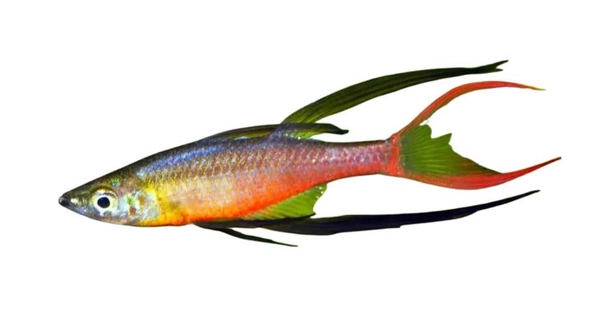
Do your Threadfin Rainbowfish swim happily in your aquarium but sometimes seem picky with food? Feeding them the wrong items can cause serious health problems, affecting their vibrant colors, energy levels, and overall well-being in subtle ways.
Threadfin Rainbowfish should never be fed human snacks, fatty meats, processed foods, or dairy products. These items disrupt their digestive system, cause nutritional imbalances, and increase the risk of disease, ultimately compromising their growth, lifespan, and general health.
Avoiding these harmful foods is essential for maintaining your fish’s health. Following proper feeding guidelines ensures they thrive and display their natural beauty consistently.
Human Snacks
Threadfin Rainbowfish are sensitive to processed human snacks, even small amounts. Chips, crackers, and candy contain high salt, sugar, and artificial additives that their bodies cannot properly digest. Feeding these items can lead to bloating, constipation, and long-term organ stress. Over time, exposure to these foods weakens their immune system and makes them more prone to infections. Even natural-seeming snacks like nuts or dried fruit can be dangerous, as they are not formulated for aquatic life. Their digestive systems are designed for live or frozen foods, algae, and specially prepared fish flakes or pellets. Introducing unsuitable foods often causes sudden changes in behavior, such as lethargy, reduced appetite, or erratic swimming. Consistent diet management is crucial to avoid these issues. Aquatic diets rich in protein and essential nutrients support their coloration and stamina. Monitoring the types of foods offered daily helps maintain their health while preventing potential long-term complications.
Feeding human snacks to Threadfin Rainbowfish can severely affect digestion, immunity, and overall longevity, even in small amounts.
Maintaining a proper diet is simpler than correcting mistakes caused by inappropriate snacks. Choosing fish-safe foods ensures they remain active, colorful, and healthy. Avoiding human snacks entirely prevents unnecessary stress, digestive disturbances, and nutrient deficiencies that could compromise their life. Careful attention to their feeding routine demonstrates responsible fish keeping and preserves their natural behaviors. Replacing harmful treats with specialized flakes, pellets, or live foods promotes proper growth, energy, and coloration. Observing your fish regularly allows quick intervention if dietary mistakes occur, keeping them vibrant and strong.
Fatty Meats
Fatty meats such as beef, pork, or chicken skin are unsafe for Threadfin Rainbowfish. Their digestive system cannot handle high fat content.
Feeding fatty meats introduces toxins, causes liver stress, and can result in fat deposits around vital organs, reducing mobility and lifespan. They may also trigger digestive blockages or bacterial infections due to rapid spoilage. Fish require lean protein sources like small insects or fish-specific feed to support muscle development without overwhelming their metabolism. Excess fat often causes changes in behavior, including sluggish swimming and decreased feeding interest. Regular observation can help detect early signs of distress. Balanced nutrition is key for maintaining immunity, coloration, and activity levels. Avoiding fatty meats protects both short-term and long-term health. Additionally, these foods can degrade water quality quickly, introducing pollutants that harm all aquarium inhabitants. Prioritizing proper fish feed reduces waste and maintains cleaner tank conditions.
Choosing appropriate lean protein alternatives ensures Threadfin Rainbowfish thrive naturally, avoiding health complications caused by unsuitable fatty foods. Maintaining a safe, balanced diet keeps your aquarium stable and your fish energetic, vibrant, and healthy, supporting a harmonious aquatic environment.
Dairy Products
Dairy products like milk, cheese, or yogurt are harmful to Threadfin Rainbowfish. They cannot digest lactose, which leads to bloating, diarrhea, and stress on internal organs. Even small amounts can disrupt their digestive balance and weaken their immune system over time.
The enzymes needed to break down dairy are absent in rainbowfish, making these foods toxic. Bloating and digestive upset occur quickly, reducing appetite and activity levels. Dairy can also alter water quality, introducing proteins and fats that promote bacterial growth. Feeding dairy once can trigger long-term problems if repeated. Stick to fish-specific feeds, live or frozen insects, and plant matter that matches their natural diet. Nutrient absorption is maximized with proper foods, maintaining coloration, stamina, and overall well-being in the tank. Avoiding dairy entirely prevents these preventable complications and ensures a safer, cleaner environment.
Even small exposure to dairy can have lasting consequences. Consistently avoiding these foods keeps rainbowfish healthy, active, and resilient, preventing unnecessary stress on their bodies and supporting a stable aquarium ecosystem.
Bread and Grains
Bread and other grain-based foods are unsuitable for Threadfin Rainbowfish. They are high in starch and low in nutrients, which can cause digestive blockages, water fouling, and nutrient deficiencies if consumed regularly.
Grains expand in water and in the digestive tract, often leading to bloating and constipation. Fish fed bread may show lethargy, decreased appetite, and slower growth. Bread also encourages fungal and bacterial growth in the tank, further compromising water quality. Threadfin Rainbowfish thrive on protein-rich diets, live or frozen insects, and specialized fish pellets. Maintaining a proper diet prevents digestive distress and supports optimal coloration and activity levels. Feeding grains occasionally, even in small amounts, poses more risk than benefit, so they should be avoided entirely. Choosing fish-safe foods is essential for long-term health and tank cleanliness.
Replacing bread with nutritionally balanced fish feed ensures healthy digestion, steady growth, and a vibrant appearance. Proper feeding habits protect rainbowfish from preventable illnesses and maintain a stable, clean aquarium environment, promoting longevity and natural behavior.
Citrus Fruits
Citrus fruits like oranges, lemons, and limes are too acidic for Threadfin Rainbowfish. The acidity can irritate their digestive system, causing discomfort, reduced appetite, and potential long-term damage to internal organs. Even small pieces can upset their balance.
Regular exposure to citrus lowers pH levels in the tank, stressing all aquatic life. The strong acids interfere with nutrient absorption and can trigger lethargy or unusual swimming patterns. Feeding citrus disrupts digestive health and tank stability, making it unsuitable for regular feeding.
Raw Meat
Raw meat, including beef, pork, and chicken, is unsafe for Threadfin Rainbowfish. It carries bacteria, parasites, and fats that fish cannot process. Feeding raw meat increases the risk of infections and digestive blockages, compromising health and lifespan.
Spicy or Seasoned Foods
Spicy or heavily seasoned foods irritate Threadfin Rainbowfish’s sensitive digestive tract. Spices, salts, and seasonings can cause internal inflammation, stress, and nutrient absorption problems, leading to decreased energy and color vibrancy.
FAQ
What should I feed Threadfin Rainbowfish instead of harmful foods?
Threadfin Rainbowfish thrive on a diet of high-quality fish flakes or pellets formulated for small tropical fish. Supplementing with live or frozen foods such as brine shrimp, daphnia, and bloodworms ensures they get enough protein. Small amounts of blanched vegetables like spinach or zucchini can provide additional nutrients, supporting their digestion, coloration, and activity levels. Feeding them a varied diet helps prevent nutritional deficiencies and encourages natural foraging behavior.
Can small amounts of human snacks or dairy ever be safe?
No, even small amounts of human snacks, cheese, or milk products can disrupt digestion and weaken the immune system. Their bodies cannot process lactose, sugars, or excessive fats, which may lead to bloating, constipation, or long-term organ stress. Occasional exposure is still risky and should be completely avoided to maintain optimal health. Consistency in safe feeding practices is key for their well-being.
Why is bread dangerous for my rainbowfish?
Bread expands in water and the digestive system, causing bloating and constipation. It also lacks necessary nutrients and contributes to water contamination as it decomposes. Feeding bread can result in lethargy, slow growth, and behavioral changes. Stick to fish-safe pellets, flakes, and live or frozen protein sources to maintain proper nutrition and a clean tank environment.
Are citrus fruits harmful to rainbowfish?
Yes, citrus fruits are too acidic and can irritate the digestive tract, reducing appetite and potentially damaging internal organs. Acidic foods can also alter the tank’s pH, stressing all inhabitants. Even small pieces should be avoided entirely. Maintaining a neutral pH and feeding suitable foods helps rainbowfish stay healthy and active.
Can fatty or raw meats ever be given to rainbowfish?
No, fatty and raw meats contain bacteria, parasites, and excessive fats that Threadfin Rainbowfish cannot digest. Feeding these items may cause infections, digestive blockages, and liver stress. Lean, fish-specific protein sources are necessary for proper growth, energy, and color vibrancy. Avoiding meat entirely protects both health and tank stability.
What happens if my fish eats seasoned or spicy foods?
Spices, salts, and seasonings irritate the digestive system, disrupt nutrient absorption, and increase stress. This can lead to decreased activity, color dulling, and potential long-term digestive issues. Keeping their diet simple and natural ensures they remain vibrant, energetic, and free from unnecessary digestive strain.
How can I safely transition my rainbowfish to the right diet?
Gradually replace harmful foods with fish-safe pellets, flakes, and live or frozen proteins over one to two weeks. Start by mixing small amounts of safe food with existing diet, then slowly increase the proportion. Observe their feeding response and behavior to ensure they accept the new food. Consistency and patience are essential.
Is it ever okay to give treats to rainbowfish?
Yes, but only treats formulated for tropical fish or occasional live/frozen insects. Avoid human snacks, dairy, bread, citrus, fatty meats, and seasoned foods entirely. Properly selected treats provide enrichment without compromising digestion, immunity, or water quality. Overfeeding treats should be avoided to maintain a balanced diet.
How does diet affect the water quality in my tank?
Feeding inappropriate foods such as bread, fatty meats, or dairy introduces excess organic matter, which decomposes and promotes bacterial or fungal growth. This can lead to cloudy water, increased ammonia, and poor oxygen levels, stressing rainbowfish. Fish-safe diets produce less waste and maintain a stable, clean aquatic environment.
What are the signs that my rainbowfish ate something harmful?
Watch for bloating, lethargy, erratic swimming, loss of appetite, color dulling, or constipation. Early detection allows prompt dietary correction and tank monitoring. Removing harmful foods and offering safe alternatives can help the fish recover and prevent long-term health issues. Consistent observation is key to ensuring their well-being.
How often should I feed Threadfin Rainbowfish?
Feed small amounts two to three times a day, offering only what they can consume within a few minutes. Overfeeding increases the risk of digestive issues and water contamination. Consistent, measured feeding supports steady growth, energy, and coloration while maintaining water quality.
Can live plants help balance their diet?
Yes, live plants can provide additional nutrients and support natural foraging behavior. They also improve water quality by absorbing excess nutrients. Combining live plants with proper pellets, flakes, and occasional live or frozen foods promotes overall health, color vibrancy, and activity levels.
Is it necessary to avoid all human foods completely?
Absolutely. Human snacks, dairy, bread, citrus, fatty meats, and spicy or seasoned foods are unsuitable and can cause long-term harm. Maintaining a consistent, fish-safe diet protects their health, supports growth, and ensures a stable aquarium environment free from unnecessary stress.
How can I ensure my rainbowfish stays healthy long-term?
Provide a varied, high-quality diet of fish flakes, pellets, live or frozen protein, and occasional vegetables. Monitor feeding, remove uneaten food, maintain water quality, and avoid all harmful human foods. Observing behavior and coloration regularly helps detect issues early, ensuring longevity, vitality, and a thriving aquatic environment.
This FAQ provides clear, practical guidance for keeping Threadfin Rainbowfish healthy and safe, emphasizing diet control, tank management, and consistent observation to prevent avoidable issues.
Final Thoughts
Caring for Threadfin Rainbowfish requires attention to both their diet and their environment. These fish are delicate, and their digestive systems are not designed to handle many human foods. Items like chips, candy, bread, dairy, citrus, fatty meats, and spicy or heavily seasoned foods can cause serious health problems. Even small amounts may lead to bloating, digestive blockages, weakened immunity, and long-term organ stress. Maintaining a diet that is appropriate for their species is essential to prevent these issues. High-quality fish flakes or pellets, supplemented with live or frozen foods such as brine shrimp, daphnia, or bloodworms, provide the nutrients they need. Occasionally adding blanched vegetables like zucchini or spinach can help balance their diet, supporting both coloration and energy. The key is consistency. Feeding them unsuitable foods occasionally may seem harmless, but the cumulative effects can reduce their lifespan and compromise their well-being. Monitoring their feeding habits, observing behavior, and ensuring they are eating the right amounts will help keep them healthy. A balanced and stable diet contributes to their overall vitality, encouraging natural behavior and vibrant colors that make these fish a striking addition to any aquarium.
Water quality is also closely linked to what Threadfin Rainbowfish eat. Foods that are not suitable for their digestive system tend to decompose quickly in the tank, releasing harmful substances into the water. This can increase ammonia, promote bacterial or fungal growth, and stress all the aquatic inhabitants. By sticking to species-appropriate diets, waste is reduced, and the aquarium environment remains cleaner and more stable. Regular tank maintenance, including monitoring water parameters, performing water changes, and removing uneaten food promptly, works hand in hand with proper nutrition. A clean tank and a controlled diet help prevent diseases and digestive issues, making it easier to keep rainbowfish healthy long-term. Paying attention to these factors ensures that the fish remain active and maintain their natural beauty. Observing their swimming patterns, appetite, and coloration provides important cues about their overall health. Immediate action at the first signs of stress or illness can prevent minor problems from becoming serious. Overall, combining proper feeding habits with diligent tank care is the most effective approach to sustaining healthy, happy rainbowfish.
Threadfin Rainbowfish are rewarding to keep when their specific needs are respected. Avoiding harmful foods, providing the right balance of nutrients, and maintaining a stable tank environment ensures that these fish thrive. Their vibrant colors, energetic behavior, and natural curiosity are best supported through proper nutrition and careful attention to water quality. Consistency in feeding schedules, portion sizes, and food types helps establish healthy routines that prevent digestive stress and promote overall longevity. Observing the fish daily allows caretakers to detect subtle changes that may indicate dietary or environmental issues, enabling prompt corrective measures. The importance of avoiding human foods, dairy, bread, citrus, fatty meats, and seasoned items cannot be overstated, as even occasional feeding can have negative effects. Prioritizing their natural diet and maintaining a clean, balanced tank supports not only their physical health but also their mental well-being, encouraging active swimming, social interaction, and natural behaviors. Ultimately, providing Threadfin Rainbowfish with the right diet, a stable environment, and attentive care creates an aquarium where they can flourish, displaying their true beauty and vitality for years.

Hello,
If you enjoy the content that we create, please consider saying a "Thank You!" by leaving a tip.
Every little bit helps us continue crafting quality advice that supports the health, happiness, and well-being of pets around the world, for pets of all shapes, sizes, and species.
We really appreciate the kindness and support that you show us!