
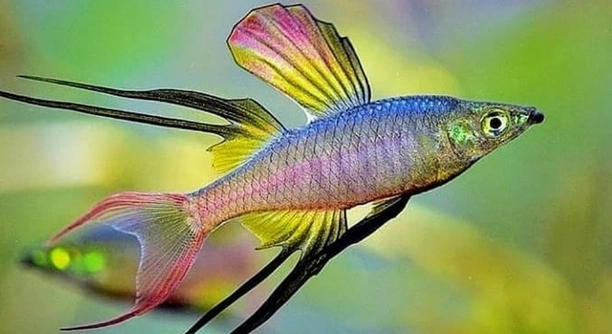
Do your threadfins seem uneasy when introduced to new tankmates? Subtle signs often reveal when these delicate fish are feeling nervous or stressed in their environment. Recognizing these behaviors can help maintain a peaceful, balanced aquarium.
Threadfins become nervous around new tankmates due to stress, territorial disputes, or unfamiliar surroundings. Their behavior may include hiding, loss of appetite, erratic swimming, or color fading, indicating discomfort and a need for a calmer environment.
Understanding these subtle signals can help ensure your threadfins stay healthy, comfortable, and confident among their aquatic companions.
1. Sudden Hiding and Avoidance
When threadfins feel nervous around new tankmates, their first instinct is to hide. You may notice them retreating behind plants, decorations, or rocks for long periods. This behavior helps them feel safe when they sense unfamiliar activity nearby. A sudden increase in hiding time or a preference for shaded corners often signals unease. While it may appear normal at first, extended isolation can lead to stress, making your fish more vulnerable to illness. Monitoring their comfort level during introductions is essential, as some threadfins take longer to adapt to changes in their surroundings and may need a slower transition.
A calm environment with plenty of hiding spots encourages your threadfins to regain confidence. Gradually introducing tankmates and avoiding sudden lighting or temperature shifts can also help ease their anxiety and prevent prolonged hiding.
Observing how often your threadfins seek cover can reveal much about their emotional state. A confident fish will swim freely, exploring its habitat without hesitation. When stress triggers continuous hiding, it becomes important to adjust the tank setup or social balance. Adding live plants and providing peaceful tankmates helps build a sense of security. The goal is to create a stable space where your threadfins can coexist comfortably without constant fear or tension.
2. Loss of Appetite
A noticeable drop in appetite is another strong sign that your threadfins feel uncomfortable around new tankmates. Skipping meals or refusing favorite foods shows that stress has disrupted their feeding routine.
Stress affects threadfins both physically and emotionally. When placed in a new social environment, they may become too anxious to eat, fearing aggression or competition from unfamiliar fish. If this behavior continues, they risk losing weight and energy, which can weaken their immune system. To help, offer food in calm conditions and ensure feeding times are free from disturbance. Separating nervous threadfins during meals often restores their appetite. Keeping a consistent feeding schedule also provides comfort through familiarity. Observing how much they eat and how quickly they approach food will help you understand their stress levels better. With patience and a stable tank environment, their appetite will usually return as they adjust to their surroundings.
3. Faded or Dull Coloration
Threadfins often lose their bright colors when stressed by new tankmates. The fading can appear gradually or happen suddenly after introductions. This change reflects their discomfort and lowered confidence in the aquarium’s social balance.
Color fading occurs when stress hormones rise, affecting pigmentation and energy levels. Threadfins use their vibrant tones to express confidence and comfort, so dull colors are a clear signal of tension. Poor water quality, aggressive tankmates, or frequent movement around the tank can worsen the issue. Maintaining clean water, stable temperatures, and peaceful companions will help restore their natural brilliance. Providing quiet spaces away from other fish allows them to relax and regain their coloring over time.
When your threadfins start showing pale shades, it’s important to check both their environment and social setting. Adjusting tank lighting and minimizing overcrowding helps reduce pressure. Over time, consistent care will help them recover their natural hues, reflecting their improved well-being and comfort.
4. Erratic Swimming Patterns
Erratic swimming, such as sudden bursts, circling, or pacing along the glass, is another indicator of nervousness. These movements show that threadfins are unsettled or reacting to unfamiliar or aggressive tankmates.
Threadfins are naturally graceful swimmers, but stress can disrupt their calm rhythm. Erratic movements often arise when they feel threatened or cornered. Sometimes, they may dart quickly to escape potential conflict or constantly patrol the tank to assess their surroundings. Ensuring a balanced tank community with gentle species is crucial to prevent this behavior. Overcrowding and poor water flow can also contribute to agitation, so proper space and filtration are important. Gradually acclimating new fish and avoiding sudden rearrangements can help your threadfins feel more secure, encouraging smoother, relaxed swimming patterns that reflect their comfort and stability.
5. Clamped Fins
Clamped fins, where the fins remain close to the body instead of fanned out, often signal discomfort. This reaction shows your threadfins are feeling insecure or anxious due to the presence of unfamiliar or dominant tankmates nearby.
When threadfins clamp their fins, they are conserving energy and attempting to protect themselves. This response may appear alongside reduced movement or hiding. Maintaining stable water conditions, minimizing aggression, and keeping a peaceful tank atmosphere are key to helping them relax and display their fins naturally again.
6. Frequent Startling
Frequent startles occur when threadfins suddenly dart or flinch at quick movements or noises near the tank. This shows they are on edge and easily alarmed, especially when surrounded by active or territorial fish. A calm setting and gradual acclimation reduce their nervous reactions.
7. Lethargy or Reduced Activity
A normally active threadfin that becomes still or unresponsive likely feels stressed or threatened. When anxiety persists, energy levels drop, and they spend more time resting near the bottom or in hidden areas. Maintaining calm conditions, avoiding overstocking, and observing their behavior closely will help restore their natural energy.
FAQ
How long does it take for threadfins to adjust to new tankmates?
Threadfins usually take a few days to a few weeks to adjust, depending on the tank environment and the personalities of their companions. During this time, they might show signs of stress, such as hiding or dull coloring. The adjustment process is smoother when introductions are slow and calm. Avoid overcrowding the tank, and give them plenty of plants or decorations to retreat to when they feel uneasy. Keeping water conditions stable and minimizing disruptions helps reduce stress. With patience, most threadfins regain their normal behavior and confidence once they recognize the tank as a safe space.
What tank conditions help reduce nervousness in threadfins?
Threadfins thrive in stable, peaceful environments. Maintain clean water, moderate lighting, and a consistent temperature between 75°F and 82°F. Gentle filtration and regular water changes also play a key role in keeping them comfortable. Avoid placing the tank in noisy or high-traffic areas, as constant movement can heighten their anxiety. Adding live plants provides natural hiding spots, helping them feel secure. Ensure that tankmates are calm species that won’t compete aggressively for space or food. These small adjustments promote stability, reduce stress, and allow your threadfins to display their full color and graceful swimming behavior.
Why do threadfins stop eating when they’re stressed?
Loss of appetite is a common reaction to stress in fish. When threadfins feel unsafe, their focus shifts from feeding to self-preservation. They may hide during feeding times or ignore food altogether. This behavior can last several days if the stressor remains. To help them recover, feed smaller portions in calm conditions and remove any aggressive or overly active tankmates. Offering high-quality food and maintaining consistency in feeding schedules helps them regain trust and appetite. Once they feel secure again, threadfins typically return to eating normally and show more interest in their surroundings.
Can aggressive tankmates cause permanent stress in threadfins?
Yes, long-term exposure to aggressive tankmates can lead to chronic stress, which weakens their immune system and shortens lifespan. Threadfins are gentle fish and do not respond well to confrontation. If aggression continues, it’s best to separate the species or rearrange the tank layout to disrupt territorial behavior. Including peaceful tankmates like rasboras, tetras, or corydoras encourages a calmer environment. Observing daily interactions is crucial—if your threadfins constantly hide or clamp their fins, it’s a sign the current setup may not be suitable. Addressing stress early prevents long-term health issues and helps them thrive.
What are the first signs that my threadfins are nervous?
Early signs include hiding more than usual, loss of appetite, faded colors, and erratic swimming. These subtle behaviors indicate discomfort with new surroundings or tankmates. Clamped fins and frequent startles are also clear indicators of stress. Paying close attention to these patterns helps identify problems before they escalate. The sooner you notice and correct the cause—whether it’s water conditions or social tension—the faster your threadfins will recover. Early action ensures they remain active, colorful, and healthy.
How can I introduce new fish without stressing my threadfins?
Introduce new fish slowly to avoid overwhelming your threadfins. Use a quarantine tank for new arrivals before adding them to the main aquarium. This prevents disease transfer and gives you time to observe behavior. When ready, rearrange the tank slightly to reduce territorial claims, and release new fish gently into the environment. Keep the lights dim for a few hours after introduction to calm all fish. Monitor interactions closely for the first few days. Gradual introductions and a stable environment make the process smoother and reduce the likelihood of stress-related behaviors.
Do threadfins recover quickly from stress?
Recovery time depends on how severe the stress is and how quickly the problem is resolved. Minor stress from brief disturbances often fades within a few days, while ongoing anxiety caused by poor water conditions or aggression can take longer. Providing a calm environment, consistent care, and balanced nutrition speeds up recovery. Avoid unnecessary handling or tank rearrangements during this period. Once they feel secure, threadfins regain their color, appetite, and activity level. Consistency and gentle care are key to helping them fully recover and stay comfortable around their tankmates.
Can nervousness affect threadfin health long-term?
Yes, prolonged stress weakens their immune system and makes them more susceptible to illness. Constant nervousness can lead to fin damage, infections, or poor growth. A calm and stable environment prevents these outcomes. Regularly check for signs of distress and adjust conditions as needed. Balanced feeding, stable water quality, and peaceful tankmates are essential for their overall well-being. Healthy, relaxed threadfins not only look more vibrant but also live longer, more active lives in the aquarium. Preventing stress early ensures they remain happy, healthy, and confident in their aquatic home.
Final Thoughts
Understanding the behavior of threadfins is important when creating a balanced aquarium. These gentle fish respond quickly to changes in their surroundings, and even minor disruptions can affect their comfort. Recognizing the early signs of nervousness helps prevent serious problems later. When threadfins become stressed, they often show it through hiding, dull colors, clamped fins, or loss of appetite. These behaviors are not just random reactions—they are signs that something in their environment feels unsafe or unfamiliar. Paying attention to these details allows you to respond before the stress becomes harmful. Maintaining stable water conditions, gentle lighting, and a peaceful community of tankmates provides the security threadfins need to thrive. By keeping their environment consistent and calm, you help them build trust and display their natural grace.
Every aquarium functions as its own small ecosystem, and threadfins are particularly sensitive to imbalance. Their health and color often reflect the quality of care they receive. Introducing new tankmates should always be done slowly, with attention to compatibility and space. Sudden changes, aggressive species, or poor water conditions can quickly trigger anxiety. Ensuring that your threadfins have enough room to swim and enough shelter to retreat to will make a noticeable difference. A tank that feels safe encourages natural movement and vibrant coloration, both indicators of a well-adjusted fish. Regular observation helps identify subtle changes in behavior, allowing small adjustments before stress takes hold. Clean water, proper nutrition, and consistent routines are all simple ways to maintain a stable environment.
Caring for threadfins requires patience and awareness. They are peaceful, delicate fish that thrive when surrounded by stability and calm. By understanding their signals and making thoughtful changes, you create an environment where they feel at ease. Their well-being depends on the choices made each day—how the tank is arranged, how often water changes occur, and how carefully new fish are added. Watching them swim confidently, with fins fully open and colors bright, is the reward of careful care and attention. The goal is not only to keep them alive but to see them flourish. When threadfins feel secure, they bring life and tranquility to the aquarium, becoming a reflection of the calm environment you’ve created for them.

Hello,
If you enjoy the content that we create, please consider saying a "Thank You!" by leaving a tip.
Every little bit helps us continue crafting quality advice that supports the health, happiness, and well-being of pets around the world, for pets of all shapes, sizes, and species.
We really appreciate the kindness and support that you show us!