
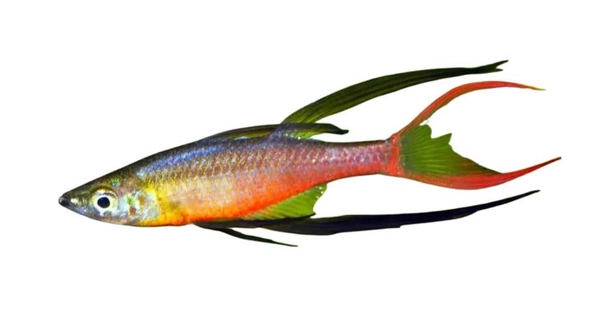
Have you ever noticed your Threadfin Rainbowfish swimming near the glass and wondered if it can sense other fish through it? These delicate and colorful fish often display fascinating behaviors that spark curiosity among aquarists.
Threadfin Rainbowfish cannot truly sense other fish through glass in the same way they do in open water. While they may see reflections or movements, the glass barrier blocks sound vibrations and chemical signals essential for fish communication and awareness.
Understanding how glass affects their perception helps explain many behaviors seen in aquariums and can improve how you care for these graceful fish.
How Threadfin Rainbowfish Perceive Their Surroundings
Threadfin Rainbowfish rely on their vision, lateral line system, and chemical cues to sense their environment. In natural waters, these fish detect vibrations and subtle water movements that help them navigate and recognize other fish nearby. However, when placed in an aquarium, their perception changes due to the glass barrier. The glass reflects light differently and blocks essential cues like water vibrations and chemical signals, making it harder for them to sense other fish naturally. This often leads to confusion or curiosity, as they may react to reflections or movements that mimic another fish’s presence.
When Threadfin Rainbowfish appear to interact with their reflection, they may not realize it’s their own image. This can cause mild stress or repeated investigative behavior, especially in smaller tanks.
Providing space, hiding spots, and gentle lighting helps reduce stress and supports a more natural sense of security for these sensitive fish.
Do They Recognize Other Fish Through Glass?
Threadfin Rainbowfish can see other fish through glass but cannot sense them completely. Their ability to detect motion remains, but communication through chemical or vibration cues is lost, creating a limited form of awareness.
When another fish swims near the glass, a Threadfin Rainbowfish may respond visually, interpreting movement as a potential interaction. However, since the glass blocks sound and chemical signals, their response lacks true social recognition. This partial perception often leads to curiosity, as they approach the barrier trying to understand the presence beyond it. In community tanks separated by glass, they might spend extended periods observing fish in adjacent sections, but without real sensory confirmation. To maintain calm behavior, aquarists can minimize reflective surfaces, ensure proper lighting, and offer visual barriers. By creating an environment closer to their natural conditions, Threadfin Rainbowfish remain peaceful, display brighter colors, and engage in healthier interactions within their tank.
Why Reflections Can Confuse Threadfin Rainbowfish
Reflections often cause Threadfin Rainbowfish to mistake their own image for another fish. This can trigger defensive or curious behavior, especially if they believe a rival is nearby. Lighting and tank placement can strongly influence how reflections appear.
When light hits the glass at certain angles, it creates mirror-like surfaces inside the tank. The Threadfin Rainbowfish may repeatedly swim toward its reflection, flare its fins, or follow the image closely. Over time, this behavior can lead to mild stress or fatigue. Adjusting light intensity, changing tank angles, or placing plants near reflective spots can help reduce these effects and make the environment feel safer.
Creating shaded areas and adding floating plants can minimize strong reflections. These adjustments make it easier for Threadfin Rainbowfish to focus on real movements and maintain calm behavior without reacting to illusions caused by their surroundings.
How Glass Barriers Affect Their Behavior
Glass barriers change how Threadfin Rainbowfish respond to their environment. Since they cannot rely on sound or chemical signals, their interactions become mostly visual. This can make them appear more curious or cautious toward nearby fish.
The presence of a transparent divider can make the fish spend more time exploring, especially when they notice movement on the other side. However, without the full range of sensory information, they may not fully understand what they see. Over time, they learn that there is no physical interaction possible through the glass and may lose interest. Aquarists can use this knowledge to manage fish behavior effectively by ensuring each section of the tank feels natural and not overly exposed. A balanced setup with hiding spots and open space helps promote comfort and reduce unnecessary stress caused by restricted sensory input.
Visual Signals and Their Limitations
Threadfin Rainbowfish depend mostly on sight when sensing movement through glass. They can recognize color, motion, and shapes but cannot interpret depth accurately. This limitation sometimes causes them to misjudge distances or mistake reflections for other fish.
While visual awareness helps them adapt, it also creates confusion when glass alters how light travels. They might follow shadows or react to nearby motion that appears closer than it really is. Over time, consistent exposure to these optical distortions can slightly influence their natural swimming and social habits.
Environmental Factors That Influence Perception
Lighting intensity, tank background, and nearby movement strongly affect how Threadfin Rainbowfish perceive their surroundings through glass. Bright light increases reflections, while darker setups reduce distractions. Placing the tank in a calm area with soft lighting helps maintain their comfort and prevents unnecessary stress.
Importance of Understanding These Behaviors
Recognizing how Threadfin Rainbowfish perceive through glass helps improve their care and overall well-being. Adjusting tank conditions to reduce reflections and mimic natural surroundings supports balanced behavior and a healthier, calmer aquarium environment.
FAQ
Can Threadfin Rainbowfish recognize themselves in a reflection?
Threadfin Rainbowfish do not have self-recognition like some mammals. When they see their reflection in glass, they often perceive it as another fish. This can trigger curiosity or mild territorial behavior, such as following the reflection, flaring fins, or swimming back and forth near the glass. Over time, many fish may lose interest once they realize the “other fish” does not interact physically. Managing reflections with background decor or floating plants can help reduce repeated stress.
Do reflections stress Threadfin Rainbowfish?
Yes, reflections can create mild stress. Constantly seeing a “rival” or movement that cannot be reached may confuse them. This stress usually shows as frantic swimming, fin flaring, or hiding. Ensuring proper tank lighting and creating shaded areas can reduce reflection-induced stress and help maintain calmer behavior.
Can glass block communication between fish?
Glass prevents Threadfin Rainbowfish from detecting chemical cues and water vibrations. These cues are important for social interactions, mating, and recognizing danger. While visual cues are partially preserved, the absence of tactile and chemical signals limits their ability to fully understand other fish nearby. This is why behaviors through glass are often incomplete or exaggerated.
Will Threadfin Rainbowfish get used to seeing other fish through glass?
Over time, they may adjust to the presence of fish on the other side of a barrier. Initial curiosity or defensive behavior typically decreases as they realize interaction is impossible. Still, their response remains mostly visual. Providing hiding spots and open swimming space helps them feel secure and reduces unnecessary stress.
Does tank size affect their perception through glass?
Yes, smaller tanks amplify reflections and movement, making it more likely for the fish to react to their own image. Larger tanks reduce the frequency and intensity of reflections while offering more swimming space. A balanced tank size and strategic decoration help create a calmer environment.
How can I reduce confusion caused by reflections?
Adjusting lighting angles, using darker tank backgrounds, and adding plants or ornaments near reflective surfaces can minimize illusions. Floating plants or tall decor break up straight lines of sight and reduce repeated reactions to reflections. These changes make the tank environment feel more natural.
Do Threadfin Rainbowfish interact with other species through glass?
They may visually track fish in adjacent tanks, but interactions are limited. Without chemical or tactile feedback, responses are incomplete. They can appear curious or cautious, often approaching the glass to investigate movement, but real communication is not occurring. Understanding this helps manage expectations in community tank setups.
Can reflections affect feeding behavior?
Sometimes, yes. Fish may become distracted by their reflection or the movement of other fish, reducing attention to feeding. Maintaining consistent feeding routines and minimizing reflective surfaces around feeding areas ensures Threadfin Rainbowfish focus on food rather than illusions.
Is stress from reflections harmful long-term?
Mild, occasional stress is usually not harmful, but prolonged exposure can affect behavior and coloration. Continuous agitation can reduce appetite or lead to hiding. Managing light, tank setup, and adding visual barriers can mitigate these effects and support long-term health.
Are there ways to make glass interactions safer?
Yes. Providing hiding spots, maintaining soft lighting, and strategically arranging plants or decorations can reduce reflections and repetitive behaviors. Ensuring the tank is spacious and calm also promotes natural movement and limits unnecessary reactions to visual cues.
Do reflections impact breeding behavior?
Reflections may confuse mating behaviors by presenting a false rival or potential mate. This can delay natural interactions or reduce spawning activity. To encourage breeding, it is helpful to provide isolated or minimally reflective areas that simulate natural conditions without distractions.
Can they tell the difference between glass and open water?
Visually, fish may detect the barrier but cannot fully perceive it like humans do. They rely on experience to understand the limitations of movement through glass. Over time, most Threadfin Rainbowfish learn to navigate near barriers without excessive stress.
Are certain lighting setups better for minimizing reflections?
Soft, diffuse lighting reduces glare and reflections compared to bright, direct light. LED setups with adjustable intensity work well. Proper placement of lights above and away from highly reflective surfaces ensures calmer behavior and reduces unnecessary reactions.
Do tank backgrounds matter?
Yes, solid or dark backgrounds reduce reflections and visual distractions. Plain colors or natural textures help fish distinguish real movement from illusions. This small adjustment improves their perception and encourages more natural swimming patterns.
How can I tell if my fish are stressed by reflections?
Signs include repeated swimming toward glass, flaring fins, hiding, or decreased appetite. Observing behavior over time helps identify patterns caused by reflections. Adjusting lighting, decoration, or tank placement can alleviate stress and promote healthy behavior.
Can community tanks increase reflection issues?
Yes, adjacent fish or tanks can create additional visual stimuli. More movement and reflections may increase curiosity or agitation. Proper spacing, visual barriers, and thoughtful tank arrangement help minimize unnecessary stress in multi-tank or community setups.
Are some fish more sensitive to reflections than others?
Yes, Threadfin Rainbowfish are particularly responsive due to their bright coloration and social nature. Fish with more subdued colors or less social tendencies may show fewer reactions. Understanding species-specific behavior is key for managing tank design and interactions.
Can reflections affect color display in Threadfin Rainbowfish?
Stress from constant reflections can dull coloration temporarily. Calm, well-arranged tanks with minimized visual confusion allow them to display brighter, natural colors more consistently, supporting both health and visual appeal.
Do reflections ever benefit the fish?
Occasionally, reflections may provide mental stimulation or exercise as they investigate perceived movement. However, too much exposure can lead to stress, so balance is essential. Proper tank setup ensures they receive positive environmental cues without over-stimulation.
How often should I check for reflection issues?
Observing fish daily for repeated reactions or stress behaviors helps identify problems. Adjusting tank layout, lighting, or decorations based on observations ensures Threadfin Rainbowfish remain calm, healthy, and comfortable in their aquarium environment.
Are glass thickness or type important?
Yes, thicker or non-reflective glass can reduce the intensity of reflections. Acrylic or tinted glass may also minimize mirror effects. Choosing the right material contributes to a calmer environment and more accurate visual perception for Threadfin Rainbowfish.
Can reflections interfere with social hierarchy?
Yes, fish may misinterpret their reflection as a rival, temporarily influencing social behavior. This can cause repeated displays of dominance or submission near reflective surfaces, altering normal interactions. Providing space and visual barriers helps maintain proper social structure within the tank.
How do I create a stress-free environment?
A combination of proper lighting, hiding spots, tank size, and thoughtful decoration reduces reflection-related stress. Observing behavior, adjusting elements, and maintaining clean water ensures Threadfin Rainbowfish feel secure, promoting natural swimming, feeding, and social behaviors.
Are reflections more noticeable in smaller tanks?
Yes, limited space intensifies mirror effects. Fish are closer to glass walls, increasing interactions with reflections. Larger tanks reduce repeated encounters and allow natural movement, which helps maintain calm and reduces unnecessary behavioral responses.
Do floating plants help with reflections?
Yes, floating plants break visual lines and create shade, minimizing mirror-like surfaces. They provide natural cover and help Threadfin Rainbowfish distinguish real fish from reflections, supporting more relaxed behavior and a visually balanced environment.
Can reflections impact feeding schedules?
Distractions from reflections may cause fish to ignore food temporarily. Keeping feeding areas away from highly reflective surfaces and maintaining routine feeding times ensures consistent intake and supports health.
Do reflections ever trigger aggression?
Yes, fish may flare fins or chase reflections, perceiving them as intruders. While usually mild, repeated aggressive displays can cause stress. Reducing reflective surfaces and providing adequate hiding spots helps minimize these behaviors.
Are certain times of day worse for reflections?
Yes, bright sunlight or strong artificial lighting can increase reflections. Adjusting tank placement and using blinds or controlled lighting can reduce stress caused by intense reflections at specific times.
Do mirrored surfaces outside the tank matter?
Yes, external mirrors or reflective walls can affect the perceived movement inside the tank. Minimizing external reflections helps Threadfin Rainbowfish focus on real surroundings, reducing confusion and repetitive behaviors.
How important is observation for preventing stress?
Regular observation is essential. Noticing subtle behavior changes early allows adjustments in tank setup or lighting, preventing long-term stress and maintaining healthy, natural behaviors in Threadfin Rainbowfish.
Can reflections affect growth or health?
Indirectly, yes. Stress from constant reflections may reduce appetite, alter activity levels, or affect coloration. A calm, well-structured tank encourages natural behavior, supporting growth, health, and overall well-being.
Do reflections impact schooling behavior?
Yes, fish may misinterpret reflections as additional school members or rivals. This can temporarily alter swimming patterns or social interactions. Providing clear, natural space ensures proper schooling behavior without confusion caused by mirrored images.
Can reflective ornaments worsen stress?
Yes, shiny decorations can create multiple reflection points, increasing repeated interactions with perceived fish. Choosing matte or natural-looking ornaments reduces visual confusion and supports a calmer aquarium environment.
Are there signs of long-term adjustment to glass?
Over time, Threadfin Rainbowfish often learn to ignore reflections and focus on real movement. They may still investigate occasionally, but consistent calm behavior indicates successful adaptation to glass barriers and reduced stress.
Does water clarity affect reflections?
Yes, clear water increases the intensity of reflections. Slightly tinted or naturally colored water reduces glare and visual illusions, helping fish focus on actual tank inhabitants rather than mirror images.
Can reflections interfere with breeding pairs?
Yes, reflections may distract or confuse breeding pairs. Isolating them from reflective surfaces during spawning encourages natural mating behavior and reduces interruptions caused by mistaken rivals or visual distractions.
Do reflections affect juvenile fish differently?
Juveniles may be more curious or reactive to reflections due to inexperience. They explore more and may repeatedly investigate glass surfaces. Gradual exposure and a well-decorated tank help them learn boundaries and reduce stress as they mature.
Are there ways to train fish to ignore reflections?
Indirectly, yes. Providing consistent environmental cues, reducing reflections, and offering predictable feeding routines helps fish learn which movements are real. Over time, they focus on true interactions and ignore mirror-like illusions.
Do reflections influence nighttime behavior?
Minimal lighting at night reduces reflections and allows fish to rest. Bright lights or illuminated areas can create mirror effects, potentially disturbing sleep cycles. Soft or dim lighting promotes natural nighttime behavior and rest.
Can tank cleaning create temporary reflection issues?
Yes, cleaning glass can make surfaces shinier and increase reflections temporarily. After maintenance, monitoring fish behavior and adding plants or shading can help reduce temporary stress caused by more reflective surfaces.
Are certain fish combinations better to reduce reflection reactions?
Pairing species that are calm and less reactive can reduce visual stimulation. Avoid placing highly active or aggressive fish near reflective surfaces to maintain peaceful interactions and minimize stress from repeated mirror encounters.
Can reflections affect fish hierarchy in mixed-species tanks?
Yes, misinterpreted reflections may temporarily disrupt social interactions, causing unnecessary displays of dominance or submission. Careful tank layout, visual barriers, and observation help maintain natural hierarchy without interference from reflections.
Do fish ever ignore reflections completely?
Many Threadfin Rainbowfish eventually learn to ignore reflections, especially with proper tank setup and decoration. Some may still investigate occasionally, but consistent calm behavior indicates successful adaptation to glass barriers.
Can reflections alter feeding aggression?
Yes, fish may compete with their own reflection for food, especially if they perceive it as a rival. Spacing feeding areas and minimizing reflective surfaces ensures calmer feeding behavior and consistent intake.
Do reflections affect color patterns long-term?
Temporary stress from reflections may dull coloration, but long-term effects are minimal if the tank is well-managed. A calm, structured environment supports vibrant, healthy colors and natural display behavior.
How can I measure if reflections are affecting my fish?
Observe frequency of repeated swimming toward glass, fin flaring, or hiding. Compare behavior before and after adjusting lighting, decorations, or tank layout to assess the impact of reflections.
Do reflections interfere with schooling consistency?
Yes, perceived additional fish from reflections can cause irregular swimming patterns. Ensuring adequate space, visual barriers, and proper tank design maintains natural schooling behavior.
Are certain species more vulnerable to reflection stress?
Threadfin Rainbowfish are more responsive due to social behavior and bright coloration. Less social or dull-colored species may react less, making species-specific observation important when designing tank layouts.
Can reflections affect lifespan indirectly?
Chronic stress from constant reflections may reduce appetite or increase agitation, potentially affecting health. A calm, well-decorated, and properly lit tank helps maintain natural behavior and overall well-being, supporting longevity.
Do reflections affect territorial behavior?
Yes, perceived rivals can trigger temporary territorial displays. Providing hiding spots, visual barriers, and adequate space reduces repeated displays, helping maintain calm and natural social interactions within the tank.
Can I prevent all reflection-related stress?
Completely eliminating reflections is difficult, but proper lighting, tank placement, visual barriers, and thoughtful decoration minimize stress and promote healthy behavior, allowing Threadfin Rainbowfish to interact naturally without excessive confusion.
Do reflections interfere with social learning?
Yes, fish may misinterpret mirrored images, affecting responses to real interactions. Minimizing reflections and creating structured environments ensures social behaviors develop naturally and accurately.
Are reflections more problematic in small aquariums?
Smaller tanks intensify mirror effects, increasing repeated interactions and stress. Larger or well-decorated tanks reduce these occurrences, allowing more natural movement and less confusion for Threadfin Rainbowfish.
Can reflections affect overall activity levels?
Yes, constant visual stimuli can increase unnecessary movement or stress-related activity. Balanced tank setup with visual barriers and calm lighting supports normal energy levels and natural behavior patterns.
Do reflections influence group cohesion?
Perceived extra fish may temporarily disrupt school formation or group swimming. Visual barriers and careful tank arrangement help maintain cohesion and natural social dynamics.
Are there specific reflective angles to avoid?
Yes, light hitting glass at sharp angles increases mirror effects. Positioning lights above the tank and away from reflective surfaces minimizes unnecessary visual distractions.
Can reflective ornaments be used safely?
Yes, if placed carefully and not creating multiple mirror points. Matte or natural-looking decorations reduce stress while maintaining visual interest and environmental enrichment.
Do reflections affect nocturnal activity?
Minimal lighting at night reduces mirror-like effects, allowing natural rest. Avoiding bright lights during nighttime ensures calm behavior and supports healthy circadian rhythms.
Are certain water types better for reducing reflections?
Slightly tinted or naturally colored water reduces glare and reflections, helping Threadfin Rainbowfish distinguish real movement from illusions and maintain calmer behavior.
Can reflections trigger repetitive behaviors?
Yes, repeated interaction with reflections can cause circling or fin-flaring. Visual barriers and shaded areas reduce repetition and help maintain natural behavior patterns.
Do reflections affect mating displays?
Yes, perceived rivals or mates may distract from actual mating behavior. Providing isolated or minimally reflective areas during breeding encourages natural spawning and reduces confusion.
Can reflections influence dominance disputes?
Temporary aggression toward reflections may affect hierarchy. Reducing mirror-like surfaces helps maintain natural social structure and prevents unnecessary displays of dominance.
Are reflections more noticeable in brightly colored fish?
Yes, vivid coloration makes reflections more apparent. Careful tank lighting and placement reduce visual confusion, supporting calmer behavior and natural interaction.
Do reflections ever provide enrichment?
Occasional interaction with reflections may offer mild mental stimulation, but too much exposure can cause stress. Balanced tank design ensures positive environmental engagement without over-stimulation.
Can reflections affect fin health?
Repeated flaring at reflections may cause minor fin wear or damage. Providing space, hiding spots, and visual barriers reduces repeated aggressive displays and supports fin health.
Do reflections impact appetite long-term?
Temporary distraction may reduce feeding, but consistent stress from reflections can have longer-term effects. Proper tank design and observation ensure Threadfin Rainbowfish maintain regular feeding patterns.
Can reflections interfere with disease recovery?
Yes, stressed fish may have weaker immune responses. Reducing reflection-induced stress supports recovery and overall health in Threadfin Rainbowfish.
Do juvenile and adult fish react differently?
Juveniles are often more curious and reactive, while adults may learn to ignore reflections over time. A well-decorated tank helps both age groups adapt and remain calm.
Can reflections affect schooling distances?
Yes, perceived extra fish may temporarily alter spacing in schools. Providing adequate space and visual barriers ensures proper formation and movement.
Do reflections influence territorial boundaries?
Perceived rivals can trigger temporary territory displays. Careful tank layout and hiding spots reduce unnecessary aggression and maintain natural spatial behavior.
Can reflections disrupt feeding order?
Yes, fish may compete with reflections, affecting established feeding hierarchies. Minimizing reflective surfaces and strategic feeding placement helps maintain calm and fair access.
Are reflections more disruptive during certain activities?
Yes, during feeding, mating, or resting, reflections can increase agitation. Observing behavior and adjusting tank setup ensures minimal disruption to these essential activities.
Do reflections affect color intensity temporarily?
Stress from reflections may dull colors briefly. Calm tank conditions and reduced visual distractions help Threadfin Rainbowfish display vibrant coloration consistently.
Can reflections trigger repeated chasing behavior?
Yes, fish may follow perceived rivals along glass repeatedly. Providing visual barriers and shaded areas reduces repeated chasing and supports natural swimming patterns.
Do reflections affect social hierarchy long-term?
Temporary disruptions may occur, but proper tank setup minimizes long-term impact. Fish usually resume normal social structures once reflections are managed.
Are there species-specific differences in reflection sensitivity?
Yes, highly social or brightly colored species like Threadfin Rainbowfish react more strongly, while less social species show minimal response. Tank design should consider species-specific behavior.
Can reflections affect territorial aggression?
Yes, misperceived rivals can provoke repeated displays of aggression. Providing space and visual barriers reduces unnecessary stress and maintains balanced social interactions.
Do reflections influence mating success?
Reflections may distract or confuse mating behaviors. Minimizing mirror-like surfaces and providing calm areas supports natural reproductive activity.
Can reflections affect overall tank harmony?
Yes, repeated reactions to reflections may disturb social balance. Thoughtful tank layout, hiding spots, and visual barriers maintain a peaceful and healthy environment.
Are there simple steps to reduce reflection stress?
Soft lighting, plants, matte decorations, visual barriers, and careful tank placement effectively minimize reflection-induced stress, promoting calm and natural behavior for Threadfin Rainbowfish.
Do reflections have long-term health effects?
Chronic stress may reduce appetite, alter activity, or dull coloration. Proper tank management mitigates these risks, supporting overall well-being and longevity.
Can reflections affect schooling patterns?
Yes, perceived extra fish may temporarily alter swimming coordination. Adequate spacing and visual barriers maintain consistent schooling behavior and reduce confusion.
Do reflections affect feeding behavior in groups?
Distractions from reflections can cause temporary competition or confusion during feeding. Proper placement of food and reduced reflective surfaces ensure smooth feeding routines.
Can reflections be completely eliminated?
Not entirely,
Final Thoughts
Threadfin Rainbowfish are beautiful and sensitive creatures that rely heavily on their senses to interact with the environment. In natural habitats, they use vision, chemical cues, and water vibrations to navigate, find food, and communicate with other fish. In aquariums, glass walls change how these fish perceive the world around them. While they can see other fish through glass, they cannot fully sense them. Reflections, blocked chemical signals, and muted water vibrations all affect their ability to recognize or interact with neighbors. Over time, many Threadfin Rainbowfish learn to adapt to these conditions, but it is important for aquarists to understand the limitations of glass barriers. Careful observation of behavior can reveal whether the fish are comfortable or stressed by their surroundings.
Providing a well-structured and thoughtful tank environment is essential for their well-being. Simple adjustments, such as controlling lighting, adding visual barriers, and including plants or decorations, can significantly reduce confusion caused by reflections. Hiding spots and shaded areas give fish a sense of security, helping them maintain calmer and more natural behaviors. Proper tank size also plays a role. Smaller tanks tend to amplify reflections and movement, which can increase stress or curiosity. Larger, open spaces allow Threadfin Rainbowfish to swim freely, reducing repeated interactions with their own reflections. Maintaining clean water, stable temperatures, and consistent feeding schedules further supports their health, making it easier for them to adjust to a glass-enclosed environment without undue stress.
Understanding how Threadfin Rainbowfish perceive their environment is key to providing a comfortable and healthy home. While they cannot sense other fish fully through glass, they do respond to visual cues, which can sometimes create temporary confusion or curiosity. Adjusting tank conditions to minimize reflections and provide naturalistic features helps these fish focus on real interactions rather than illusions. Observing their behavior regularly ensures any stress or repetitive actions are noticed and addressed early. By taking these measures, aquarists can create an environment that supports natural swimming, feeding, and social patterns. In the end, understanding the limits of their perception and providing thoughtful care leads to healthier, more vibrant, and happier Threadfin Rainbowfish, allowing their natural beauty and behavior to shine in a safe and supportive aquarium setting.

Hello,
If you enjoy the content that we create, please consider saying a "Thank You!" by leaving a tip.
Every little bit helps us continue crafting quality advice that supports the health, happiness, and well-being of pets around the world, for pets of all shapes, sizes, and species.
We really appreciate the kindness and support that you show us!