
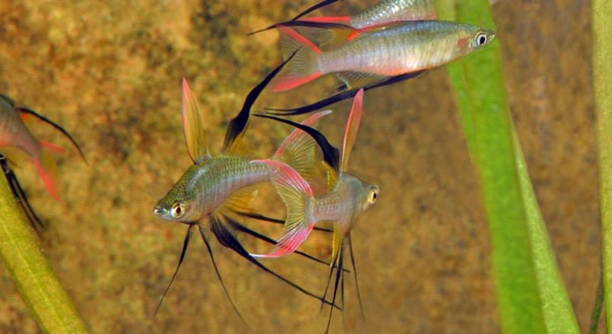
Do you ever find yourself worried about how stressful transport can be for your threadfin fish? Long journeys, temperature changes, and handling can make the process overwhelming for both you and your fish.
The most effective way to reduce stress during threadfin transport is by maintaining stable water conditions, minimizing handling, and ensuring adequate oxygen levels. Proper planning, gentle care, and environmental consistency significantly improve their survival rate and overall well-being.
From pre-transport preparation to post-arrival care, understanding each step can make the experience smoother and less stressful for your delicate threadfin fish.
1. Prepare the Transport Environment
Before moving your threadfin fish, preparation is key to keeping them calm and safe. Start by using clean, conditioned water that matches their tank parameters as closely as possible. Maintaining stable temperature and pH helps prevent shock during transport. Choose an insulated container or fish bag with smooth inner surfaces to avoid injury. It’s also important to ensure that the container is well-oxygenated—using an air stone or oxygen tablet can make a big difference. Avoid overcrowding, as limited space can raise stress levels and lead to oxygen depletion. Label each container if you’re moving multiple fish to keep things organized and reduce unnecessary handling.
Keeping their environment quiet and dim before and during transport helps them remain relaxed. Avoid sudden movements or loud noises that can startle your threadfins and raise their stress levels unnecessarily.
A calm setup sets the foundation for smooth and stress-free transport every time.
2. Manage Feeding Before Transport
Feeding should be stopped at least 24 hours before transport to prevent waste buildup in the water. This step helps maintain water quality and keeps your threadfins healthier during the move.
When fish are fed too close to transport time, they produce more waste, which quickly raises ammonia levels in confined containers. Ammonia can harm their gills and make it harder for them to breathe. Fasting them for a short period ensures cleaner water and a safer environment. For longer transports, you can fast them up to 48 hours without worry—threadfins can comfortably handle it. Once they’ve reached their destination, give them a few hours to adjust before feeding. Offering light, easily digestible food after settling in helps their digestive system recover gently. Managing feeding properly is one of the simplest ways to support your fish’s health and keep stress to a minimum during transport.
3. Control Temperature and Oxygen Levels
Temperature and oxygen are two of the most critical factors during threadfin transport. Keeping them stable helps prevent stress, illness, and even death. Use an insulated container to maintain warmth and add an oxygen source to ensure your fish stay healthy throughout the trip.
Threadfins are sensitive to sudden temperature changes. Use portable heaters or ice packs, depending on the weather, but always place them outside the container to avoid direct contact with the fish. During warmer conditions, slightly cooler water can help reduce their metabolism and oxygen demand. Always check oxygen levels before sealing the container, as threadfins need plenty of air to breathe comfortably. When possible, use pure oxygen instead of air to maintain proper balance. Proper management of these two elements keeps your threadfins calm and significantly increases their chances of arriving safely.
Stable conditions make a noticeable difference in their overall comfort and behavior.
4. Reduce Handling and Movement
Handling should be kept to a minimum to avoid damaging your threadfins’ delicate fins and scales. Each touch or sudden movement adds unnecessary stress, which can weaken their immune system and make them more vulnerable to disease during transport.
Always use soft, fine mesh nets or plastic bags filled with water to transfer them. Avoid lifting them out of water, as this can cause panic and injury. Keep the containers still by securing them in place so they don’t slide or shake. Try to plan your route and timing to limit movement and disturbances. Threadfins respond best when they feel stable and supported. Taking these small steps helps them remain relaxed and minimizes harm. Consistency, gentle handling, and patience will go a long way in ensuring their well-being during the move.
5. Monitor Water Quality
Good water quality is essential during threadfin transport. Test the water before packing to ensure ammonia and nitrite levels are at zero. Use water conditioners that neutralize harmful substances and help reduce stress on your fish during the move.
Check for clarity and odor before sealing the container. Cloudy or foul-smelling water can indicate contamination, which increases stress and risks. Always use clean equipment and avoid adding any unnecessary chemicals. Maintaining pristine water quality ensures your threadfins remain comfortable and safe throughout the process.
6. Limit Noise and Light Exposure
Threadfins are easily startled by sudden sounds or bright lights. Keep their containers in a quiet, shaded area to help them stay calm. Covering the container with a dark cloth can also make them feel more secure and reduce agitation.
7. Acclimate Upon Arrival
Once your threadfins reach their destination, acclimation should be slow and gentle. Gradually mix small amounts of the new water with the transport water over 20–30 minutes. This helps them adjust to temperature and chemistry changes without shock.
Proper acclimation reduces the risk of stress-related illness and ensures a smoother recovery.
FAQ
How long can threadfin fish be transported safely?
Threadfin can generally be transported for up to 6–8 hours without serious stress if water quality, temperature, and oxygen are properly managed. For longer periods, supplemental oxygen and careful monitoring are essential. Shorter transport times are always preferable to reduce stress and maintain fish health.
Can I feed threadfin before transport?
It is best to stop feeding at least 24 hours prior to transport. Fasting prevents excess waste that can contaminate the water and raise ammonia levels. For longer transports, up to 48 hours of fasting is safe. After arrival, allow a few hours to acclimate before feeding lightly.
What type of container is safest for transport?
Use smooth, leak-proof containers like fish bags or plastic bins with rounded edges. Avoid sharp corners that could injure fins or scales. Insulated containers help maintain temperature, while securing them reduces unnecessary movement that can stress the fish.
How do I maintain oxygen during transport?
Add oxygen tablets, use an air stone, or fill transport bags with pure oxygen when possible. Avoid shaking the container excessively, and keep the water cool but not cold. Adequate oxygen prevents fatigue and gill stress, which are common during longer transports.
Is it necessary to monitor water temperature constantly?
Yes, threadfin are sensitive to sudden changes in temperature. Use insulated containers and consider portable heaters or ice packs outside the container if needed. Avoid direct contact with these elements to prevent burns or shock. Stable temperatures reduce stress and improve survival.
How can I reduce handling stress?
Minimize touching your fish directly. Use soft nets or bags and handle them gently when moving. Keep containers still and avoid sudden movements or loud noises. Less handling reduces panic, fin damage, and stress-related health issues.
What should I do if water becomes cloudy during transport?
Cloudy or smelly water indicates contamination. Remove fish if possible and replace with clean, conditioned water. Small transports can use water conditioners to neutralize toxins. Maintaining clear, odor-free water reduces stress and prevents disease during transit.
How should I acclimate threadfin after arrival?
Acclimation should be gradual. Slowly mix small amounts of destination water into the transport water over 20–30 minutes. Monitor temperature and chemistry to prevent shock. After acclimation, avoid feeding immediately, giving them time to adjust and recover.
Are threadfin prone to disease after transport?
Yes, stress weakens the immune system, making them more susceptible. Proper water quality, minimal handling, stable temperature, and oxygen levels reduce risk. Observe them for signs of illness, and isolate any affected fish to prevent spread.
Can light affect their stress levels during transport?
Bright light can startle threadfin. Covering the container or keeping them in a shaded area helps them feel secure. Low light minimizes agitation and keeps them calmer, improving survival rates and reducing post-transport stress.
How do I handle multiple fish in one container?
Avoid overcrowding. Overcrowding increases waste and reduces oxygen, leading to stress. If transporting multiple fish, use separate containers or divide them evenly with sufficient space. Proper separation ensures all fish remain safe, calm, and healthy.
Is it safe to transport them overnight?
Overnight transport can be done if water quality, temperature, and oxygen are closely monitored. Use insulated containers and supplemental oxygen. Limit disturbance and avoid feeding during transit. Upon arrival, acclimate slowly to minimize stress and support recovery.
What signs indicate my threadfin is stressed?
Signs include rapid gill movement, erratic swimming, clamped fins, and color changes. Immediate action to stabilize water conditions and reduce handling can help prevent further stress or health issues. Calm, gentle handling is essential.
Can I use water from their original tank for transport?
Yes, using water from their original tank helps maintain familiar chemistry and reduces shock. Mix with conditioned water if needed for volume or to adjust temperature, ensuring a stable environment throughout the trip.
How often should I check on them during transport?
Check periodically but minimize disturbance. Frequent opening or movement can increase stress. Observe oxygen levels, water clarity, and temperature without handling the fish directly to maintain calm conditions.
What should I do if a fish shows severe stress signs?
If a fish appears lethargic, gasps excessively, or displays unusual behavior, increase oxygen, ensure water quality, and reduce movement immediately. Shorten transport time if possible. After arrival, provide quiet, stable conditions to allow recovery.
Can I transport juvenile threadfin safely?
Yes, but juveniles are more delicate. Ensure containers have sufficient water, minimal handling, stable temperature, and high oxygen. Avoid overcrowding and follow the same careful protocols used for adult fish to reduce stress and prevent injury.
Are there any supplements to reduce stress during transport?
Some stress-reducing water conditioners and electrolytes can help maintain gill function and reduce metabolic strain. Use them according to instructions, but never overuse, as excessive chemicals can harm your fish. Proper water management remains the most important factor.
How soon should I feed them after transport?
Wait at least a few hours after acclimation to allow their digestive system to recover. Offer small, light meals first to prevent overfeeding. Gradually return to normal feeding over 24–48 hours as they settle into the new environment.
Is it necessary to quarantine after transport?
Yes, a short quarantine period is recommended to monitor for illness or stress-related disease. Separate new arrivals from existing fish, maintain optimal water quality, and observe behavior. Quarantine ensures the health of both the transported fish and your main tank population.
Transporting threadfin fish can feel like a lot of work, but with careful planning, it doesn’t have to be overwhelming. The key is preparation. Ensuring that water quality, temperature, and oxygen levels are stable before transport is essential for keeping your fish calm and safe. Choosing the right container and minimizing handling also plays a major role. A smooth, quiet, and stable environment reduces stress and prevents injuries during the process. Even small adjustments, like covering the container to reduce light exposure or checking oxygen levels periodically, can make a noticeable difference in how your fish behave and adapt. Taking time to focus on these details shows care and improves the overall outcome, making the transport experience smoother for both you and your threadfin.
Feeding and acclimation are equally important steps that are sometimes overlooked. Stopping feeding 24 to 48 hours before transport helps prevent waste buildup, which can contaminate the water and increase stress. Once your fish arrive, a gradual acclimation process allows them to adjust to new water conditions without shock. Slowly mixing the new water with their transport water, monitoring temperature, and waiting before feeding supports recovery and keeps them healthy. By following these steps, you give your threadfin fish the best chance to stay strong and calm. Over time, these practices become routine and make future transports much less stressful for everyone involved.
Overall, reducing stress during threadfin transport is about being methodical, patient, and consistent. Each step—from preparation and feeding management to handling, water quality, and acclimation—has a purpose in keeping your fish safe. Paying attention to these factors can prevent common problems like shock, illness, or injury, and helps ensure that your threadfin arrives in good health. Taking the time to understand their needs and carefully managing each aspect of transport is the best way to support your fish’s well-being. With a thoughtful approach, transport doesn’t have to be stressful, and you can feel confident that your threadfin is protected throughout the process.

Hello,
If you enjoy the content that we create, please consider saying a "Thank You!" by leaving a tip.
Every little bit helps us continue crafting quality advice that supports the health, happiness, and well-being of pets around the world, for pets of all shapes, sizes, and species.
We really appreciate the kindness and support that you show us!