
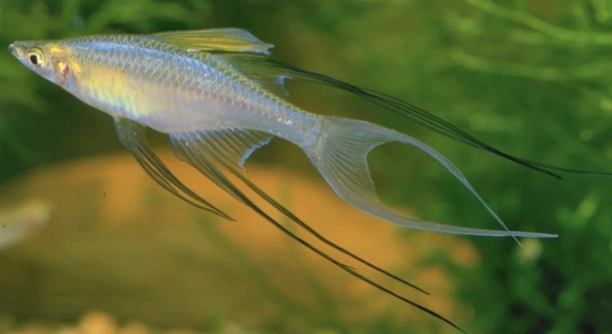
Threadfin Rainbowfish are lively and sensitive freshwater fish that react noticeably to changes in their environment. Observing their behavior can reveal subtle signs before major events, such as a water change, occur in the tank. Their movements often communicate important needs.
Before a water change, Threadfin Rainbowfish often gather near the surface, hover around filter outflows, or increase swimming activity. These behaviors are anticipatory responses to shifts in water chemistry, temperature, or flow, reflecting their instinctive preparation for environmental adjustments.
Recognizing these behaviors helps maintain a healthier aquarium environment for your fish. Small observations can make a significant difference in their overall well-being and tank stability.
Recognizing Pre-Water Change Behavior
Threadfin Rainbowfish exhibit clear behavioral changes before a water change. They often cluster near the surface or hover close to areas with stronger water flow. Some may dart quickly across the tank, seemingly more active than usual. These patterns indicate sensitivity to water conditions. Paying attention to these movements helps you anticipate their needs and maintain a stable environment. Some fish may also show slight color changes or flash their fins more prominently, signaling stress or excitement. Observing these subtle cues can prevent unnecessary disturbances and ensure a smoother water change process. Tank decorations and hiding spots can affect where they gather, so it’s important to monitor all areas. Additionally, feeding routines can influence their behavior. Fish may swim eagerly around feeding zones, showing that anticipation and routine are deeply connected. Understanding these behaviors allows for timely adjustments, reducing stress and promoting overall health in your aquarium, keeping the fish active and comfortable in their habitat.
Behavior changes like increased swimming or hovering near the surface are common indicators of an upcoming water change.
Observing these responses consistently can provide insights into the fish’s tolerance and adaptability. Preparing for the water change accordingly reduces stress and promotes better long-term health. Watching their patterns over time also helps in identifying early signs of environmental imbalance, making care more precise.
Adjusting Tank Conditions Before Change
Maintaining stable water parameters before a change is essential for Threadfin Rainbowfish. Even small shifts can cause stress, so monitoring temperature, pH, and filtration is important.
Gradual water adjustments minimize shock and protect delicate fish. Before performing a change, ensure the new water matches the tank’s current temperature and chemistry as closely as possible. Slowly introducing replacement water over several minutes prevents sudden shifts in pH or hardness. Using a water conditioner helps neutralize chlorine or other harmful chemicals. Observing the fish during this period allows you to notice early stress indicators, like rapid gill movement or hiding. Maintaining consistent feeding schedules also supports normal behavior and reduces stress. Additionally, checking equipment like filters and heaters ensures they function properly during the transition. Preparing for water changes with these steps reduces the risk of illness and improves fish well-being. Over time, consistent, careful adjustments create a calmer environment, helping Threadfin Rainbowfish remain active, colorful, and healthy. Proper pre-change care leads to a more stable aquarium and a happier, more resilient fish population.
Preparing the Tank for Water Change
Keeping the tank clean before a water change reduces stress for Threadfin Rainbowfish. Remove debris and leftover food to improve water quality and make the transition smoother for the fish.
A clean tank ensures that fish are not exposed to harmful bacteria or excess waste during the water change. Using a siphon to gently remove sediment from the substrate helps maintain a healthy environment. Decorations and plants should be lightly rinsed if they have noticeable buildup, but avoid harsh chemicals that can harm fish. This preparation also allows for easier observation of the fish during and after the change. Ensuring proper lighting and monitoring filter performance contributes to a stable environment. By addressing these small details, you create conditions that minimize stress, making the water change less disruptive and promoting long-term health for Threadfin Rainbowfish.
Regular observation during preparation helps you notice unusual behavior or health issues early. Adjustments to temperature or flow can be made before performing the water change.
Monitoring fish behavior after cleaning the tank is just as important. Some fish may explore new areas or remain near the surface, indicating adjustment. Tracking these behaviors over time provides insight into their comfort and well-being. Small changes in movement, coloration, or appetite are signs that adjustments may be needed. Maintaining a calm and predictable environment reduces stress responses, which helps Threadfin Rainbowfish remain active and healthy. Following these steps consistently ensures smoother water changes and strengthens the overall stability of the tank ecosystem, benefiting all inhabitants.
Timing and Frequency of Water Changes
Consistent water changes prevent buildup of harmful compounds. Stick to a schedule that fits your tank size and fish population.
Frequent, moderate water changes are better than large, irregular ones. This approach stabilizes water chemistry and reduces stress. Removing 15–25% of the water weekly is generally effective, though adjustments may be needed based on tank size, fish density, and filtration. Avoid sudden large changes, as they can shock Threadfin Rainbowfish. Tracking nitrate and ammonia levels helps determine the optimal frequency. Maintaining consistent timing helps fish recognize routine and reduces erratic behavior. Observing fish responses after each change informs necessary adjustments to the schedule. Over time, a reliable water change routine promotes healthier, more active fish and a balanced aquarium environment.
Planning water changes around feeding and light cycles further reduces disruption. Performing changes at predictable times helps fish adjust naturally and remain comfortable in their habitat. Maintaining consistency supports long-term health, encourages normal behavior, and prevents unnecessary stress. Threadfin Rainbowfish thrive in stable conditions, so combining proper timing with careful water management creates an environment that supports their natural behaviors, vibrant coloration, and overall well-being.
Observing Stress Signals
Rapid gill movement or frantic swimming often indicates stress before a water change. Noticing these early allows you to act calmly and reduce potential harm to the fish.
Clinging to corners or hiding more than usual is another sign. Recognizing these behaviors helps maintain a stable environment during the water change.
Adjusting Water Temperature
Maintaining consistent temperature prevents shock. Use a thermometer to match new water closely to the existing tank temperature. Gradual adjustments are safer than sudden shifts, ensuring Threadfin Rainbowfish remain comfortable and active throughout the change.
Feeding Considerations
Hold off on feeding immediately before a water change. Reduced feeding minimizes waste and prevents water quality issues during the process.
FAQ
How do Threadfin Rainbowfish behave right before a water change?
Threadfin Rainbowfish often show increased activity near the surface or around filter outflows. They may swim more quickly or cluster together, signaling their sensitivity to environmental changes. Some fish may flash their fins or show slight color intensification. Observing these behaviors allows you to anticipate the change and minimize stress.
Why do they gather near the surface?
Fish may gather near the surface to access areas with higher oxygen levels or detect slight changes in water temperature. This instinctive response helps them cope with environmental shifts. It is a normal reaction and usually indicates awareness of upcoming changes.
Is it necessary to remove decorations before a water change?
Light cleaning of decorations is sufficient if there is visible buildup. Avoid harsh chemicals, as residues can harm the fish. Rinsing with tank water or gently scrubbing with a soft brush maintains a safe environment without causing unnecessary stress.
How often should I perform water changes?
Regular, moderate changes are better than infrequent, large ones. Generally, removing 15–25% of water weekly keeps nitrate and ammonia levels low. Frequency should be adjusted based on tank size, population, and filtration. Consistency prevents sudden shifts and keeps Threadfin Rainbowfish comfortable.
Can sudden water changes harm Threadfin Rainbowfish?
Yes, sudden large changes in temperature, pH, or hardness can shock fish. They may exhibit frantic swimming, hiding, or loss of appetite. Gradual, carefully monitored changes are essential to maintain health and reduce stress responses.
Should I feed fish before a water change?
It is recommended to reduce or skip feeding immediately before a water change. Excess food can settle in the substrate and degrade water quality. Feeding later ensures fish get proper nutrition without contributing to sudden chemical changes.
How can I monitor stress during a water change?
Watch for rapid gill movements, erratic swimming, or hiding. These behaviors indicate stress. Adjust water parameters slowly and ensure stable conditions. Observing these signs helps prevent long-term health issues and keeps fish active and resilient.
What water parameters are most important to match?
Temperature, pH, and hardness are key. Use a reliable thermometer and test kits to measure values before adding new water. Matching parameters closely avoids shock and maintains the fish’s normal behavior. Gradual introduction of new water supports smooth adaptation.
How do I prepare water safely for a change?
Treat tap water with a water conditioner to neutralize chlorine or chloramine. Let the water reach the same temperature as the tank. Pour slowly or use a drip method to avoid sudden changes in chemistry or flow that could stress fish.
Are there signs that indicate fish are adjusting well after a water change?
Active swimming, normal coloration, and regular feeding habits indicate a positive adjustment. Fish exploring all areas of the tank without hiding or darting signals comfort. Monitoring behavior over several hours or days ensures they remain healthy and stable in the new conditions.
Can lighting affect behavior before a water change?
Yes, lighting can influence activity. Bright lights may make fish more cautious, while dim lighting can encourage exploration. Maintaining consistent lighting routines helps fish anticipate changes and reduces stress, allowing them to respond calmly during water adjustments.
How long should I observe fish after a water change?
Observation should continue for at least a few hours. Watch for unusual swimming patterns, color changes, or signs of distress. Early detection allows intervention if needed and ensures the fish remain comfortable and healthy in the altered environment.
Does tank size impact pre-change behavior?
Smaller tanks often show more pronounced behavioral changes due to limited space and faster water chemistry fluctuations. Larger tanks may buffer changes, making behavior subtler. Regardless of tank size, observing patterns helps maintain optimal conditions and reduces stress during water changes.
What role does filtration play during a water change?
Filters stabilize water chemistry and flow. Ensure filters are functioning properly before, during, and after a change. Adjusting flow gently during the process prevents sudden disturbances, helping Threadfin Rainbowfish maintain normal swimming behavior and reducing stress.
Are some Threadfin Rainbowfish more sensitive than others?
Yes, individual differences exist. Younger or smaller fish may react more noticeably to changes, while older fish might tolerate minor shifts better. Observing each fish helps tailor water change procedures to minimize stress for all members of the tank.
Can overfeeding impact behavior before a water change?
Yes, leftover food increases waste, affecting water quality. Fish may show heightened activity near the surface if oxygen levels drop due to decomposing food. Controlling feeding ensures a smoother water change and supports healthier, calmer behavior in Threadfin Rainbowfish.
How do I prevent long-term stress from water changes?
Consistency is key. Perform regular, moderate changes, maintain stable parameters, and observe fish closely. Gradual adjustments and careful preparation minimize stress and promote resilience. Over time, predictable routines help Threadfin Rainbowfish remain active, healthy, and less reactive to environmental changes.
What are the main signs that a water change is needed?
Cloudy water, algae buildup, and increased debris signal the need for a change. Fish behavior, such as hovering near filters or unusual activity levels, also indicates environmental shifts. Prompt, measured water changes maintain a healthy and stable tank ecosystem.
How can I combine all these practices effectively?
Monitor behavior, maintain consistent water parameters, clean the tank carefully, and follow a reliable schedule. Use gradual changes and observe fish responses. Combining these steps ensures Threadfin Rainbowfish remain healthy, active, and comfortable before, during, and after water changes.
This FAQ covers most concerns about Threadfin Rainbowfish behavior and care during water changes, offering clear, practical guidance to maintain a stable and healthy aquarium environment.
Final Thoughts
Caring for Threadfin Rainbowfish requires attention to their behaviors and responses to environmental changes. Observing them closely before a water change can provide useful insights into their comfort and well-being. These fish are naturally active and sensitive, so even small shifts in water chemistry, temperature, or flow can trigger noticeable reactions. Gathering near the surface, hovering around filter outflows, and increased swimming activity are all typical signs they are preparing for a change. Paying attention to these behaviors allows you to act deliberately, making the process smoother for both the fish and yourself. Understanding these subtle cues can prevent unnecessary stress and create a more stable environment.
Proper preparation before performing a water change is essential. Cleaning the substrate, lightly rinsing decorations, and monitoring equipment ensures the tank remains safe and healthy. Gradual adjustments to temperature, pH, and hardness help prevent shock, keeping the fish calm and active. Holding off on feeding before a water change minimizes waste and maintains water quality, which further supports their well-being. Consistent timing and moderate water changes are more effective than infrequent large ones, as they maintain stability in the tank’s environment. Observing the fish during and after the change helps identify any stress signs early, such as erratic swimming or hiding, allowing immediate corrective action. Over time, following these steps regularly builds a routine the fish can adjust to naturally.
Maintaining a healthy aquarium is a combination of careful observation, consistent care, and attention to water parameters. Threadfin Rainbowfish respond strongly to their surroundings, so creating predictable and stable conditions is key to their overall health. Regular monitoring, gradual water adjustments, and proper cleaning routines help prevent issues before they arise. Their natural behavior, including increased activity and surface-gathering before water changes, provides valuable information about their needs. By understanding and responding to these signs thoughtfully, you can ensure that your Threadfin Rainbowfish remain active, colorful, and comfortable in their environment. Over time, this approach not only supports the fish’s immediate health but also encourages long-term resilience, making your aquarium a balanced and thriving habitat.

Hello,
If you enjoy the content that we create, please consider saying a "Thank You!" by leaving a tip.
Every little bit helps us continue crafting quality advice that supports the health, happiness, and well-being of pets around the world, for pets of all shapes, sizes, and species.
We really appreciate the kindness and support that you show us!