
Have you ever found yourself wondering if the fish you see near the shore are actually paying attention to you? Sometimes their movements seem oddly aware, almost like they are studying your every gesture with quiet interest.
Threadfins display mild curiosity toward human hands, primarily as a response to movement and potential food cues. Their behavior reflects natural exploratory instincts rather than emotional curiosity, indicating an adaptive reaction to unfamiliar environmental stimuli and human presence.
Understanding this behavior helps reveal how human interactions subtly influence marine life and shape their natural responses in shared aquatic environments.
Understanding Threadfin Behavior
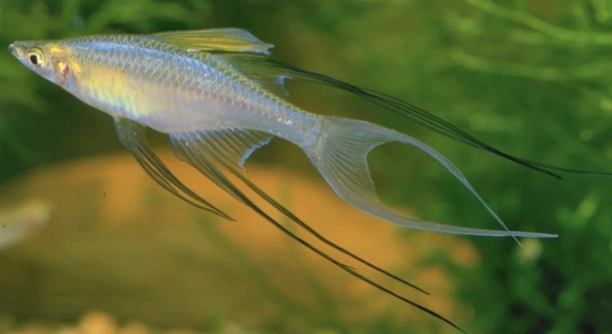
Threadfins are gentle fish often found gliding near shallow waters, where they move gracefully with their long, delicate filaments. These filaments act as sensory tools, helping them detect food and changes in their surroundings. When a human hand enters the water, the motion, warmth, and light reflection may trigger their curiosity. They might swim closer, appearing interested, but it is mostly their way of investigating a possible food source or disturbance. Threadfins rely heavily on touch and movement cues rather than sight alone. Their approach may look friendly, yet it is primarily instinctive behavior meant to gather information about their environment and ensure safety while exploring new stimuli.
In controlled studies, researchers have noticed threadfins showing short bursts of approach followed by cautious retreat. This pattern suggests alertness rather than emotional engagement, reflecting how they balance curiosity with natural self-preservation instincts.
Because of their sensitivity, threadfins can react to even small ripples caused by a person’s hand. They might mistake these ripples for prey movement or floating particles, prompting them to investigate. This natural reaction highlights their adaptability in distinguishing potential food cues from harmless activity, showing that what seems like curiosity is a finely tuned survival response.
Human Influence on Their Reactions
Threadfins living in areas with frequent human presence tend to show slightly bolder behavior. Over time, they associate people with feeding or minimal threat, which changes their level of caution in shallow waters.
In aquariums and coastal habitats, threadfins often adapt quickly to human interaction. They become familiar with feeding routines, learning to recognize hand movements associated with food. This familiarity creates the illusion of curiosity, as they swim closer and linger near people. However, their reactions remain instinct-driven, motivated by conditioning rather than emotional connection. In the wild, their responses are more cautious and brief, as survival depends on maintaining distance from potential threats. Recognizing these distinctions helps us understand the fine balance between natural instinct and learned behavior. When we observe threadfins near our hands, we are witnessing their adaptive intelligence, shaped by both their environment and experiences with humans, showing how observation can quietly influence the behavior of even the most delicate marine species.
Observing Threadfins in Their Natural Habitat
Threadfins prefer calm, shallow waters where sunlight reaches the sandy bottom. Watching them move among small currents reveals how delicate their balance is between alertness and curiosity, especially when something unfamiliar disturbs their quiet environment.
When a person places a hand in the water, threadfins often react instantly. They might circle slowly or glide closer, drawn by the shifting shadows and vibrations. Their movements seem graceful but are guided by instinct rather than emotion. Each flick of their filaments helps them read the water’s surface, deciding whether the object is food, danger, or harmless debris. Observing this up close can feel surprisingly personal, showing how sensitive and aware these small fish truly are within their surroundings.
Over time, regular encounters with humans may alter their reactions. Threadfins can become more tolerant of nearby movement, adjusting their natural caution to the patterns they experience. Yet, even in such interactions, their responses remain calculated. They approach with care, test the space around them, then retreat once satisfied. This repeated behavior reveals how adaptable they are to environmental cues, maintaining their instinctive boundaries while still exploring what feels unfamiliar.
Factors Influencing Their Behavior
Light, movement, and water temperature each play a role in shaping how threadfins respond to humans. A bright, calm setting often encourages closer approaches, while sudden shadows or cooler currents make them withdraw quickly.
Threadfins rely heavily on their sensory filaments to detect subtle shifts around them. When water is disturbed by a hand, the vibrations spread instantly, sending signals they interpret through these sensitive extensions. Warmer water can heighten their activity, making them more likely to investigate slow movements. Conversely, rough waves or abrupt gestures may trigger avoidance responses. This balance between approach and retreat highlights their awareness of surroundings and their instinctive caution. Recognizing these influences helps explain why their reactions can differ so much between natural waters and controlled environments, giving a deeper look at how fragile and responsive their behavior truly is.
Sensory Awareness and Reaction
Threadfins rely on their elongated filaments to sense the smallest vibrations. These filaments allow them to interpret movement patterns and water pressure changes, helping them decide whether to approach or retreat from what they sense around them.
Their awareness works almost instantly. When a hand moves, the water shifts slightly, and they respond with cautious precision. This quick reaction is not emotional but instinctive, showing how their bodies are finely tuned to detect even the gentlest changes in their environment.
Communication Through Movement
Threadfins communicate mainly through movement rather than sound. Their coordinated swimming, flicking fins, and subtle changes in speed help signal intent and maintain distance within groups. When humans enter their space, these cues adjust. They might form loose clusters or reposition to observe safely. This silent communication keeps them connected while navigating unfamiliar activity around them.
Respecting Their Space
Gentle observation allows threadfins to stay calm and continue their natural behavior. Slow, steady movements create a sense of safety, letting them decide how close to come. Avoiding sudden gestures or loud splashes encourages trust, preserving a respectful balance between human presence and their instinctive caution.
FAQ
Do threadfins actually recognize human hands?
Threadfins do not recognize human hands in a personal way. Their response is based on movement, vibration, and light reflection in the water. When a hand moves near them, they interpret it as a possible source of food or disturbance. They use their long sensory filaments to collect information, allowing them to decide if the movement is safe to approach. Recognition in the emotional sense does not occur; instead, it is a learned reaction shaped by exposure. In places where humans feed them regularly, threadfins may begin to associate hands with feeding time, which can make their behavior appear friendly or curious.
Why do threadfins approach slowly before retreating?
This cautious approach reflects a survival instinct. In the wild, threadfins must investigate possible food sources while avoiding danger. Approaching slowly allows them to assess movement and detect unfamiliar vibrations through their filaments. If the stimulus remains calm, they stay longer; if it changes suddenly, they retreat quickly. This balance between curiosity and caution keeps them safe. When humans place hands in the water, threadfins treat the motion as something new, cautiously examining it before deciding if it poses a risk. Their behavior is not fear-driven but part of their natural method of exploring safely.
Can threadfins become used to human presence?
Yes, threadfins can adapt to frequent human interaction. In aquariums or shallow areas where people often feed fish, they may lose some of their natural wariness. Over time, they associate human movement with food rather than threat, approaching more confidently. However, this adaptation does not mean they form emotional bonds. It is a behavioral adjustment based on repetition and environmental conditioning. In the wild, where humans are less predictable, their caution remains stronger. Each encounter helps shape their response patterns, proving that threadfins are capable of learning through observation and repetition.
Do threadfins show signs of curiosity like other fish?
Their curiosity appears through investigative behavior, such as circling or hovering near objects. Threadfins explore their surroundings using both sight and touch, especially through their sensitive filaments. When faced with something unfamiliar, they perform small, measured movements to gather information. This is their version of curiosity—functional and purposeful. Unlike mammals, threadfins do not explore for emotional satisfaction but for awareness and safety. Still, their slow, graceful approach can look like genuine interest, especially when they repeatedly return to inspect the same object or movement in the water.
How do light and color affect their reaction to hands?
Light plays a large role in how threadfins perceive their surroundings. Bright light makes reflections stronger, helping them detect shapes and movement more easily. A hand shining in sunlight may appear as a flash, prompting them to investigate. In dim light, they rely more heavily on vibrations and water pressure. The contrast between shadows and reflections determines how they respond—smoother motion encourages them closer, while sharp flashes make them cautious. Understanding these visual triggers can explain why threadfins behave differently depending on time of day or water clarity.
Are threadfins more curious in groups or alone?
Threadfins often display bolder behavior in groups. When surrounded by others, they feel more secure and are more likely to approach unfamiliar movement. Group confidence helps reduce individual risk, allowing them to explore without as much fear. A lone threadfin is generally more reserved, staying at a safe distance and moving carefully around potential disturbances. Observing group dynamics can show how social interaction influences their responses. It reveals that their sense of safety and curiosity is deeply connected to the presence of other threadfins around them.
Can threadfins be safely observed by humans?
Yes, but with care. Observing threadfins requires patience and gentle behavior. Moving slowly and avoiding splashing allows them to feel unthreatened. Standing still near calm waters often encourages them to approach naturally, letting their curiosity unfold without pressure. In aquariums, keeping the environment quiet and clean helps reduce stress, making their natural responses easier to see. Respectful observation not only protects the fish but also preserves the authenticity of their behavior, giving a more accurate view of how they interact with their surroundings.
Why do threadfins sometimes ignore human hands completely?
At times, threadfins may ignore nearby movement if they do not sense anything resembling food or danger. Their reaction depends on how strong or noticeable the signal is. If the water remains still or the hand moves too slowly, they may not detect it as significant. Other factors, like water temperature, feeding schedules, and light intensity, also influence their responsiveness. Ignoring certain movements shows that they can distinguish between relevant and irrelevant stimuli. This selectiveness helps them conserve energy and maintain focus on what truly affects their immediate environment.
Do threadfins ever show aggression toward humans?
No, threadfins are not aggressive fish. Their natural instincts lean toward avoidance rather than confrontation. When frightened, they simply swim away, maintaining distance until they feel safe again. They do not bite or chase, even when startled by sudden motion. Their peaceful nature makes them ideal for observation in aquariums and coastal shallows. While they may dart away quickly when disturbed, they rarely react with hostility. This calm response highlights their adaptability and gentle temperament, reflecting how even simple behaviors can demonstrate the balance between alertness and trust.
Final Thoughts
Threadfins are remarkable in their quiet way. Their behavior, though subtle, tells a great deal about how fish respond to the environment and the creatures that share it with them. Watching them interact with human hands can be fascinating, not because they form personal connections, but because their instincts are so finely tuned. Every small movement they make has meaning. Their slow approach, sudden retreat, or brief stillness reflects careful decision-making built on survival rather than emotion. It is easy to mistake this awareness for curiosity, but it is actually a refined response to changes in their surroundings. Observing these patterns reminds us that what seems like simple movement is often guided by complex sensory processes that help the threadfin stay alert, safe, and aware.
In controlled environments such as aquariums, threadfins demonstrate how adaptable they can be. Repeated exposure to human activity allows them to adjust their behavior, sometimes approaching with less hesitation than their wild counterparts. Over time, they learn to recognize feeding cues, becoming familiar with the patterns and gestures associated with food. While this looks like trust or interest, it is actually conditioning—a learned response to consistent experiences. In the wild, their reactions remain sharper and more cautious. When a hand enters their water, their first instinct is to evaluate before acting. This balance of curiosity and caution shows how their survival depends on interpreting even the smallest signals accurately. Such intelligence is not emotional but practical, guiding them through a world where one wrong decision could mean danger.
Understanding threadfins in this way gives a deeper appreciation for their sensitivity and awareness. Their behavior reflects the delicate relationship between living beings and their environment, reminding us how easily human presence can influence nature, even in subtle ways. By observing threadfins respectfully, we can learn about patience, perception, and restraint. Moving slowly, staying quiet, and allowing them space helps maintain their natural responses and reduces unnecessary stress. This careful interaction preserves both their comfort and the authenticity of the experience. Whether seen in the wild or in aquariums, threadfins teach an important lesson about coexistence. They do not need to display affection or recognition for their behavior to hold meaning. Instead, their gentle awareness and instinctive caution speak for themselves, showing that even the smallest creatures hold a quiet wisdom within their movements and choices.

Hello,
If you enjoy the content that we create, please consider saying a "Thank You!" by leaving a tip.
Every little bit helps us continue crafting quality advice that supports the health, happiness, and well-being of pets around the world, for pets of all shapes, sizes, and species.
We really appreciate the kindness and support that you show us!