
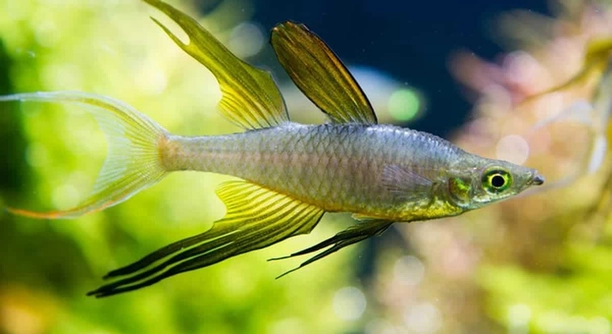
Have you ever noticed your Threadfin Rainbowfish swimming around your tank more than usual, pausing near certain plants or decorations? Their behavior can make it seem like they have favorite spots in their environment.
Threadfin Rainbowfish can form preferences for certain areas within a tank layout. Environmental enrichment, such as plants, hiding spots, and open swimming areas, influences their behavior and promotes a sense of familiarity and security in their habitat.
Observing these subtle preferences can help you design a tank that keeps your rainbowfish comfortable and engaged.
How Threadfin Rainbowfish Interact with Their Environment
Threadfin Rainbowfish are naturally curious but cautious. They explore plants, rocks, and decorations, often returning to the same spots repeatedly. They use open swimming areas for exercise while retreating to covered sections when feeling stressed. This balance between exploration and safety is essential for their comfort. By observing these behaviors, you can adjust the layout to meet their needs. Dense planting areas or hiding spots make them feel secure, especially if they are shy or new to the tank. They also respond to water flow, lighting, and substrate type, which can influence where they spend most of their time. Over time, these patterns become predictable, allowing aquarists to notice preferences for certain decorations or areas. Regularly changing the layout slightly can keep them stimulated, but dramatic changes may increase stress levels. Consistency in feeding areas and hiding spaces further reinforces their attachment to specific locations, supporting natural behaviors in a confined space.
Careful observation allows you to identify areas your fish favor. Placement of decorations can enhance their comfort.
Understanding these patterns can improve the health and happiness of your rainbowfish. Providing familiar landmarks reduces stress, promotes natural swimming, and encourages social interaction. Watching their habits over weeks helps you notice which plants or rocks they prefer. Adjustments can be minor, like moving a decoration closer to open swimming space or adding a small cluster of plants. Balanced lighting and moderate water flow support their attachment to particular areas. Tank cleanliness and stable water parameters also influence behavior, as discomfort can override preference. Recognizing these details allows for better planning of feeding spots and resting zones. By designing a tank that matches their natural tendencies, you create a space where Threadfin Rainbowfish thrive, interact more naturally, and display colors more vividly. A thoughtful setup ensures the fish feel secure and reduces the likelihood of aggression or hiding. Observing daily behaviors helps maintain an environment they are connected to.
Tips for Maintaining a Comfortable Layout
Place plants, rocks, and other decorations in a way that balances open space and hiding spots.
Regularly rearranging certain elements keeps fish engaged. Observe their favorite areas and adjust lightly over time. Avoid abrupt changes, as sudden shifts can increase stress and reduce their attachment to the tank. Maintain water quality, lighting, and flow to support comfort. Rotate decorations occasionally to encourage natural exploration. Consider creating zones with different levels of cover to match individual preferences. Monitoring daily swimming and resting areas helps identify which features are most valued. Over time, a stable but slightly varied layout strengthens attachment. Providing consistent feeding areas reinforces familiarity and encourages predictable behavior, contributing to a healthy, secure environment for Threadfin Rainbowfish.
Signs That Rainbowfish Prefer Certain Areas
Threadfin Rainbowfish often linger near plants, rocks, or decorations. They return to the same spots for resting or hiding, showing comfort. Areas with moderate water flow and gentle lighting usually become favorite zones. Observing their movement patterns helps identify preferred locations quickly.
Watching how your fish interact with specific parts of the tank reveals their preferences. They may swim in open spaces for exercise but consistently return to covered areas. Feeding spots, plant clusters, or rock formations often attract repeated visits. Noticing which decorations they ignore versus which they frequently explore helps adjust the tank layout for both security and stimulation. Over time, these choices become predictable, allowing the tank setup to match natural behaviors. This ensures the fish feel safe, reducing stress and encouraging natural activity.
Attachment to specific areas can influence social interactions. Fish may gather near favored spots or show less movement in unfamiliar sections. Recognizing these patterns supports better layout planning, helping maintain harmony and comfort. By accommodating their choices, you create a more natural and engaging environment that reflects their instinctual preferences. Adjustments based on observation keep the tank balanced and fish behavior predictable.
How Tank Design Impacts Attachment
Placement of plants, rocks, and hiding spaces directly affects comfort. Strategic arrangement encourages exploration and reduces stress.
A tank with varied zones gives rainbowfish options to swim freely or hide when needed. Dense plant areas offer security, while open regions allow exercise and social interaction. Decorations with texture or height differences provide visual landmarks, making it easier for fish to remember locations. Lighting levels influence preferred areas, as some sections may feel safer or more attractive. Water flow also plays a role; calmer corners often become resting spots. Regularly observing the fish helps identify which areas are most used. Minor adjustments to layout, plant density, or decoration placement can enhance attachment. A well-planned tank design supports natural behaviors, making the fish feel more at home. Maintaining stable water parameters alongside these design considerations ensures long-term comfort and reduces stress-related behaviors.
Adjusting Layout to Encourage Exploration
Moving decorations or plants gradually can motivate rainbowfish to explore new areas. Gentle changes help maintain comfort while adding variety.
Keeping familiar hiding spots intact while introducing small adjustments prevents stress. Fish adapt better when changes are subtle and predictable.
Using Plants to Influence Attachment
Plants provide both security and visual landmarks. Dense clusters or tall stems allow fish to feel protected while exploring. Floating plants offer shaded areas, which some rainbowfish prefer. Placement near open swimming spaces encourages movement and interaction. Plant variety, height, and density can shape which areas the fish attach to over time. Observing usage patterns allows you to identify which species and arrangements work best. Regular pruning and maintenance ensure plants remain inviting and accessible, supporting attachment and comfort. Well-positioned plants can enhance natural behavior, color display, and overall tank aesthetics, making the environment both functional and visually appealing.
Water Flow Considerations
Calmer zones attract rainbowfish for resting, while moderate flow encourages exercise. Adjust filters to create balance.
FAQ
Can Threadfin Rainbowfish become attached to a specific decoration?
Yes, they often form preferences for particular spots in the tank. Rocks, plants, or shaded areas may serve as resting or hiding zones. Over time, they repeatedly return to these locations, signaling a sense of familiarity and comfort within their environment.
How can I tell if my rainbowfish is stressed by a layout change?
Signs include hiding excessively, reduced swimming activity, loss of appetite, or unusual aggression. Sudden relocation of decorations or introduction of new elements can trigger stress. Observing behavior daily helps identify discomfort early, allowing gradual adjustments to reduce stress.
Do all rainbowfish react the same way to decorations?
No, individual personality affects attachment. Some fish are more curious and explore actively, while others prefer staying near familiar structures. Social dynamics also influence behavior, as dominant or shy fish may select different areas based on comfort and hierarchy.
Can rearranging the tank improve attachment or activity?
Yes, small, gradual adjustments encourage exploration without causing stress. Introducing new plants or minor changes in decoration placement can stimulate curiosity. Avoid sudden, large-scale changes, which may make the fish avoid previously favored areas and reduce overall activity.
How important is plant variety for attachment?
Plant variety is crucial. Dense clusters, tall stems, and floating plants create visual landmarks and shelter. Different species offer hiding spots, shade, and resting areas. A mix of textures and heights encourages movement while giving rainbowfish areas to feel secure, promoting natural behavior and comfort.
Does water flow affect where they settle?
Yes, calmer zones are preferred for resting, while moderate flow areas are used for swimming and exercise. Adjusting filters and flow direction can create a balance, ensuring both active zones and safe resting spots exist. Observing patterns helps refine placement for comfort.
How can feeding habits influence attachment?
Consistent feeding locations encourage fish to associate certain areas with food. This reinforces attachment to specific spots. Rotating feeding areas slightly can stimulate movement, but keeping some predictable zones helps reduce stress and supports natural behavior patterns.
Are hiding spots necessary for every fish?
While not every individual uses them equally, hiding spots are essential for stress reduction and security. Shy or new fish particularly benefit. Even active fish use covered areas during rest or molting periods. Well-placed shelters create a sense of safety across the tank.
Do rainbowfish ever change their favorite areas?
Yes, preferences may shift as fish age, social dynamics change, or decorations are altered. Observing behavior regularly helps adapt the tank layout to match current preferences, ensuring continued comfort and engagement for all individuals.
Can tank size influence attachment behavior?
Absolutely. Larger tanks provide more options for preferred areas, reducing territorial stress. Smaller tanks may limit choices, so careful placement of plants and decorations becomes even more important. A well-planned layout maximizes comfort and encourages natural patterns regardless of tank size.
How long does it take for rainbowfish to show attachment?
Attachment develops over days to weeks, depending on individual temperament and tank stability. Consistent environment, predictable feeding, and maintained water quality accelerate comfort and repeated use of favored areas. Patience and observation are key to recognizing attachment patterns.
Does lighting affect preferred areas?
Yes, fish may seek shaded corners or areas with gentle lighting for resting. Brightly lit areas may be used for activity but avoided for long-term attachment. Adjusting light intensity and timing can encourage use of specific zones, complementing plant and decoration placement.
Can I train rainbowfish to use certain areas?
Indirectly, yes. Strategic placement of food, hiding spots, or plants can guide movement and encourage repeated use of certain areas. Consistency helps reinforce attachment, though individual personality will still influence which zones are favored.
Are social factors important in attachment?
Definitely. Dominant or shy fish may prefer different areas, and group behavior affects where individuals settle. Observing interactions helps identify optimal placement for decorations, plants, and feeding zones to satisfy all fish while reducing conflict.
How does attachment impact overall health?
Attachment to preferred areas reduces stress, encourages natural swimming and resting behaviors, and supports feeding routines. A comfortable environment fosters better coloration, activity levels, and immune function, making it easier to maintain healthy, thriving rainbowfish over time.
Final Thoughts
Threadfin Rainbowfish are sensitive and perceptive creatures that respond to their environment in subtle ways. Observing how they interact with plants, rocks, and decorations can give insight into what makes them feel safe and comfortable. Over time, they develop preferences for certain spots in the tank, which can appear as repeated visits to specific areas or resting near particular decorations. These patterns are natural and reflect their instinct to balance safety with the need to explore. By paying attention to these behaviors, aquarists can create a tank that supports both the physical and mental well-being of their rainbowfish. Small details, like the placement of hiding spots or the type of plant used, can make a noticeable difference in how the fish feel. Even slight adjustments to layout, lighting, or water flow can influence which areas the fish prefer, helping them feel secure and engaged in their environment.
Creating a comfortable tank for Threadfin Rainbowfish involves understanding their natural tendencies and respecting their individual preferences. Not all fish will respond the same way to decorations or plants. Some may be more curious, exploring open spaces freely, while others remain near cover for most of the day. Social dynamics within the tank also play a role, as dominant and shy fish may choose different zones. Observing these patterns regularly allows aquarists to adjust the layout and placement of elements to suit the needs of all individuals. Consistency is important, but gradual changes can stimulate natural behavior and prevent boredom. Providing areas for swimming, resting, and hiding helps rainbowfish feel secure while encouraging activity and interaction. Paying attention to feeding locations, water flow, and lighting also supports attachment to favorite areas and contributes to a stable, healthy environment.
The overall health and happiness of rainbowfish are closely tied to the tank layout and the sense of attachment they develop. Fish that feel secure are more likely to display natural behaviors, show vibrant colors, and maintain regular activity patterns. By designing a tank that balances open swimming space with areas of shelter, aquarists can create a space where fish thrive and feel at home. Gradual adjustments, careful placement of plants and decorations, and observation of fish behavior all contribute to building attachment to certain areas. Understanding these details allows for better planning and maintenance of the tank, ensuring the fish remain comfortable over time. A thoughtful approach to layout not only promotes attachment but also reduces stress, improves overall health, and makes observing the fish more enjoyable. In the end, paying attention to where rainbowfish prefer to spend their time helps create a well-balanced, engaging environment that meets their natural needs while providing a visually appealing tank for the aquarist.

Hello,
If you enjoy the content that we create, please consider saying a "Thank You!" by leaving a tip.
Every little bit helps us continue crafting quality advice that supports the health, happiness, and well-being of pets around the world, for pets of all shapes, sizes, and species.
We really appreciate the kindness and support that you show us!