
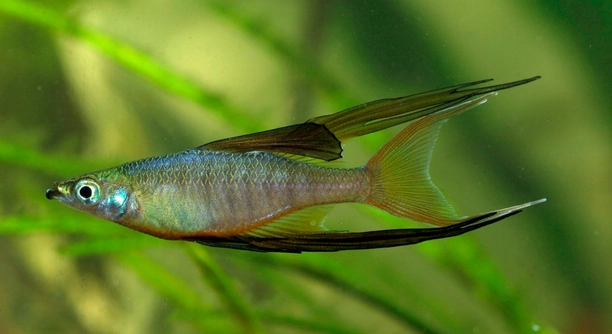
Are your Threadfin Rainbowfish often darting around the tank at the slightest movement? Many aquarium enthusiasts notice this skittish behavior and wonder how to help their fish feel more secure and at ease in their environment.
Threadfin Rainbowfish skittishness is commonly caused by sudden changes in surroundings, poor water quality, lack of hiding spaces, and inconsistent feeding routines. Addressing these factors through stable conditions and gradual acclimation can significantly reduce anxiety and improve overall fish well-being.
Understanding these simple adjustments can make a noticeable difference in your fish’s behavior and comfort in the aquarium. Implementing them ensures a calmer, healthier environment for your aquatic companions.
Stabilize Water Conditions
Maintaining stable water conditions is crucial for calming skittish Threadfin Rainbowfish. Sudden fluctuations in temperature, pH, or ammonia levels can stress fish and trigger erratic swimming or hiding. Use a reliable heater and thermometer to keep the temperature steady, ideally between 74–78°F. Test water regularly for pH, ammonia, nitrites, and nitrates to ensure parameters remain within safe ranges. Partial water changes of 10–20% weekly help remove excess waste and toxins without shocking the fish. Adding a gentle water conditioner can neutralize harmful chemicals in tap water. Consistency in the tank’s environment allows fish to establish a routine and feel secure. Avoid moving decorations or introducing sudden lighting changes, as these can heighten stress. Observing fish behavior daily can help detect early signs of discomfort. By keeping water conditions stable and predictable, you create a safe and calming habitat that reduces nervous behaviors and promotes healthy swimming patterns. This approach supports both physical and psychological well-being.
Stable water conditions form the foundation of a calm and healthy aquarium environment for Threadfin Rainbowfish.
Careful attention to water stability ensures the fish remain relaxed and less likely to dart or hide. Implementing steady routines strengthens trust in their environment, leading to long-term behavioral improvement.
Provide Hiding Spots
Threadfin Rainbowfish benefit from having places to retreat when feeling threatened. Plants, caves, and driftwood offer shelter that reduces stress and encourages natural behavior. Ensure decorations are arranged to create both open swimming areas and secure hiding spaces. Live plants such as Java fern or Amazon sword provide gentle cover, while artificial decorations can serve the same purpose if they do not have sharp edges. Avoid overcrowding the tank; too many hiding spots can make fish feel trapped rather than secure. Position decorations strategically to break up sightlines, preventing fish from seeing sudden movements outside the tank. Hiding spots also encourage exploration and play, supporting mental stimulation. Monitor how your fish use these areas and adjust if some spots remain unused. A combination of tall plants, low-lying ornaments, and natural-looking caves can create a balanced environment that satisfies the fish’s need for security and open space. Proper arrangement helps reduce nervous darting and builds confidence over time.
Hiding spots are essential for reducing stress in skittish fish.
When arranging shelters, balance privacy and open swimming space. Effective placement allows fish to explore freely while retreating when necessary, promoting calmer behavior.
Maintain a Consistent Feeding Schedule
Regular feeding times help Threadfin Rainbowfish feel secure in their environment. Sudden changes or irregular feeding can increase anxiety and cause frantic swimming. Feed small portions twice daily and remove uneaten food promptly to prevent water quality issues.
Providing a predictable feeding routine reduces stress and encourages natural behavior. Fish anticipate food at consistent times, which builds a sense of security. Using high-quality flake or frozen food supports their nutritional needs and prevents overfeeding. Gradually introducing new foods while maintaining the schedule can improve confidence in their surroundings. Over time, consistent feeding can lessen skittish reactions to movement or tank changes.
Monitoring feeding habits allows early detection of stress or illness. Observing how fish approach food and interact with one another can reveal underlying issues. Consistent portions prevent aggression and overcompetition during meals, creating a calmer tank dynamic. Introducing enrichment, like feeding near different tank zones, can stimulate exploration while keeping feeding predictable. This combination of stability and engagement ensures your fish remain healthy, confident, and less prone to erratic movements.
Limit Sudden Movements Around the Tank
Rapid hand motions, tapping, or loud noises can trigger panic in Threadfin Rainbowfish. Minimizing abrupt actions near the tank prevents unnecessary stress. Approach the tank calmly and make changes gradually to maintain a stable environment.
Controlling activity around the tank is essential for fostering relaxed fish. Avoid slamming doors, running equipment, or knocking against the tank glass, as these disturbances can heighten skittishness. During water changes or maintenance, move slowly and keep gestures smooth. This steady approach signals safety and reduces the startle response. Gradually introducing new objects or decorations with care allows fish to acclimate without fear. Over time, limiting sudden movements builds trust in the environment and encourages exploration.
Noise and visual disturbances directly affect fish stress levels. Keeping lights dim during active household periods and reducing sudden reflections can further calm the fish. Predictable routines, including feeding and maintenance, create a sense of security. Using background decorations or plants to block sudden motion from the outside also helps. Consistent environmental cues combined with gentle interactions promote steadier swimming, less hiding, and overall better health. Maintaining this controlled atmosphere makes your aquarium more peaceful for both fish and observer.
Reduce Bright Lighting
Bright or direct lighting can make Threadfin Rainbowfish nervous, causing them to dart or hide. Using dimmed lights or providing shaded areas with plants helps create a more comfortable environment for calmer behavior.
Gradual adjustments in lighting levels prevent sudden stress. Avoid exposing the tank to direct sunlight or intense artificial lights. Soft, indirect illumination encourages natural swimming patterns and reduces startle responses.
Introduce Tank Mates Carefully
Adding new fish without consideration can increase stress and trigger skittishness. Select compatible species with similar temperaments and introduce them slowly using a quarantine or divider system to prevent sudden aggression or overcrowding.
Maintain Proper Tank Size
Threadfin Rainbowfish require adequate swimming space. Overcrowded or small tanks increase stress and nervous behavior, so provide sufficient room for movement and hiding spots.
Monitor Water Quality Regularly
Regular testing for ammonia, nitrite, nitrate, and pH ensures the environment remains stable. Prompt adjustments prevent stress and maintain healthy fish behavior.
FAQ
Why do my Threadfin Rainbowfish dart around the tank?
Threadfin Rainbowfish often dart due to sudden changes in their environment. Factors like rapid movements, loud noises, or sudden water parameter fluctuations can trigger panic. Ensuring stable water conditions, gentle handling, and a predictable routine reduces these stress responses and encourages calmer swimming patterns.
How can I tell if my fish is stressed?
Signs of stress include hiding excessively, rapid gill movement, loss of color, and erratic swimming. Skittishness is a common indicator, and observing these behaviors helps identify underlying problems. Consistently monitoring tank conditions and fish behavior is essential for early intervention.
Can tank size affect skittishness?
Yes, small or overcrowded tanks contribute to stress. Threadfin Rainbowfish need ample space for swimming and hiding. A minimum of 30 gallons is recommended for a small school. Providing open swimming areas with scattered hiding spots helps reduce nervous behavior and supports overall health.
What is the best feeding routine to reduce stress?
A consistent feeding schedule helps fish feel secure. Feeding small portions twice daily ensures they are nourished without polluting the water. Gradually introducing new foods while maintaining the schedule allows fish to acclimate confidently. Overfeeding should be avoided, as leftover food can degrade water quality and heighten stress.
How important are hiding spots?
Hiding spots are essential for comfort and security. Plants, caves, and driftwood give fish a retreat when feeling threatened. The arrangement should balance open swimming areas with shelters, avoiding overcrowding. Observing which spots fish use can help optimize placement, providing a calmer environment.
Can lighting affect fish behavior?
Yes, bright or sudden lighting changes can make Threadfin Rainbowfish nervous. Soft, indirect lighting with shaded areas from plants reduces stress. Gradually adjusting light intensity and avoiding direct sunlight ensures the tank remains a safe, calming space for exploration and feeding.
Should I add tank mates carefully?
Absolutely. Introducing new fish suddenly can increase anxiety and aggressive encounters. Use quarantine tanks or dividers and choose species with compatible temperaments. Gradual introductions allow fish to adjust to new neighbors without panic or overcrowding, maintaining stability in the tank.
How often should I test water quality?
Regular testing is crucial. Weekly checks for ammonia, nitrite, nitrate, and pH help maintain safe conditions. Immediate corrective measures prevent stress from poor water quality. Combining testing with partial water changes ensures a clean, stable environment that promotes calm, healthy fish.
Is sudden movement around the tank harmful?
Yes, rapid movements, tapping, or loud noises can trigger panic. Approaching the tank slowly, performing maintenance carefully, and keeping household activity gentle reduces unnecessary stress. Over time, consistent, calm interactions help fish feel secure and more willing to explore their environment.
What is the effect of temperature fluctuations?
Sudden temperature changes are stressful for Threadfin Rainbowfish. Maintaining 74–78°F with a reliable heater and thermometer supports stability. Even small shifts can cause nervous behavior, so consistent monitoring ensures the tank remains comfortable and encourages regular swimming and feeding patterns.
How can I gradually introduce new decorations?
Introduce new ornaments slowly to prevent startling fish. Place them in stages and allow time for observation. Combining new decorations with existing hiding spots and open swimming areas maintains security. Gradual changes prevent skittish reactions and promote curiosity without stress.
Can stress affect fish health long-term?
Yes, chronic stress weakens immunity, reduces appetite, and slows growth. Addressing environmental factors, consistent feeding, and proper tank management supports mental and physical health. Calm, stable surroundings reduce nervous behaviors and increase longevity, helping Threadfin Rainbowfish thrive in captivity.
How can I encourage natural behavior?
Providing proper hiding spots, plants, open swimming areas, and gentle lighting encourages exploration. Maintaining regular routines and minimal disturbances allows fish to express normal swimming, feeding, and social behaviors. Observing interactions within the tank helps fine-tune the environment for balance.
What should I do if fish remain skittish despite changes?
Persistent skittishness may indicate subtle water quality issues, illness, or incompatible tank mates. Review water parameters, observe for disease symptoms, and ensure adequate space and shelter. Patience is key, as behavioral adjustment may take weeks. Incremental improvements in environment and care gradually reduce nervousness and promote confidence.
Are there specific foods that calm fish?
While no food directly calms fish, high-quality diets that meet nutritional needs support overall health. Stress from poor nutrition can exacerbate skittishness. Feeding a balanced variety of flake, frozen, or live foods while maintaining routine helps fish feel secure and improves natural behavior.
How do I prevent sudden stress during maintenance?
Perform water changes and tank cleaning slowly, avoiding splashes or abrupt movements. Use gentle gestures when adding or removing equipment, and limit handling to what is necessary. Consistency in maintenance routines signals safety and reduces anxiety, allowing fish to remain confident and calm in their habitat.
Can plants help reduce stress?
Yes, live or artificial plants provide visual barriers, shaded areas, and hiding spots. They break up sightlines, allowing fish to retreat if startled. Strategically placed plants encourage natural behavior, promote exploration, and reduce nervous darting, contributing to a more balanced and secure environment.
What role does water flow play in stress levels?
Excessive current can tire or frighten Threadfin Rainbowfish. Moderate, gentle water flow simulates natural conditions without overwhelming them. Adjusting filters or adding flow-reducing ornaments ensures comfortable swimming areas. Proper water movement supports oxygenation while preventing unnecessary stress from overly strong currents.
How long does it take for fish to adjust?
Adjustment varies by individual and environment. With stable water, hiding spots, consistent feeding, and minimal disturbances, most Threadfin Rainbowfish begin exhibiting calmer behavior within a few weeks. Patience and careful observation are essential for ensuring long-term comfort and reducing persistent skittishness.
Can group size affect skittishness?
Yes, Threadfin Rainbowfish are social and feel more secure in small groups of five or more. Too few fish can increase stress, while overcrowding adds competition and nervousness. A balanced group size promotes natural schooling behavior and reduces erratic movements in the tank.
How do I know if skittishness is normal or a problem?
Occasional quick movements are normal, but persistent hiding, loss of appetite, color fading, or frantic swimming indicates stress. Monitoring behavior trends, water quality, and tank dynamics helps differentiate normal activity from concerning stress that requires intervention.
Can rearranging the tank help reduce skittishness?
Minor rearrangements can provide stimulation, but avoid drastic changes. Gradual adjustment of decorations, plants, or hiding spots allows fish to explore without fear. Sudden alterations may increase nervous behavior, while slow modifications enhance comfort and curiosity over time.
Is it necessary to quarantine new fish?
Yes, quarantining new fish prevents disease introduction and allows slow acclimation. Using a separate tank or divider minimizes stress and protects the established group. Proper quarantine procedures help maintain a calm, healthy environment and reduce skittish responses when new fish are introduced.
How can I combine all these strategies effectively?
Maintaining stable water conditions, consistent feeding, proper tank size, hiding spots, gentle lighting, compatible tank mates, and minimal disturbances together creates a secure environment. Regular monitoring and patience ensure Threadfin Rainbowfish gradually become calmer, healthier, and more confident in their habitat, reducing skittishness over time.
Final Thoughts
Threadfin Rainbowfish are naturally active and alert, which can sometimes appear as skittish behavior. Their nervousness is often influenced by environmental factors, such as water quality, tank size, lighting, and the presence of sudden movements. Maintaining stable water conditions is essential. Consistent temperature, pH balance, and regular water testing provide a predictable environment that reduces stress. Partial water changes help remove waste and keep ammonia and nitrate levels safe. Ensuring that the tank is not overcrowded also supports a calmer atmosphere. When these conditions are stable, Threadfin Rainbowfish are more likely to swim confidently, explore their surroundings, and display their natural vibrant colors. Skittishness often decreases gradually as fish adjust to a steady and comfortable environment, highlighting the importance of long-term consistency over quick fixes.
Hiding spots and proper tank layout play a key role in reducing nervous behavior. Plants, caves, and driftwood give the fish secure areas to retreat when feeling threatened. It is important to balance these shelters with open swimming spaces. Overcrowding hiding spots can make fish feel trapped rather than safe. Gentle lighting and avoiding direct bright lights further help the fish feel secure. Threadfin Rainbowfish are social and thrive in small groups, so careful consideration of tank mates is necessary. Introducing new fish or decorations slowly prevents sudden stress and allows the fish to acclimate at their own pace. Regular feeding routines also provide predictability, encouraging confidence in the fish’s daily environment. High-quality food in consistent portions helps prevent aggression and ensures that the fish are well-nourished without polluting the tank.
Managing interactions around the tank is equally important. Sudden movements, loud noises, or abrupt maintenance activities can startle Threadfin Rainbowfish and increase skittishness. Approaching the tank calmly, performing water changes slowly, and introducing changes in stages support a sense of security. Monitoring fish behavior daily helps identify stress early and allows adjustments to the environment as needed. Over time, patience and consistent care can significantly improve the fish’s comfort level, making them more confident swimmers. Combining stable water conditions, adequate space, hiding spots, gentle lighting, predictable feeding, and minimal disturbances creates an environment where Threadfin Rainbowfish can thrive. By addressing both physical and environmental factors thoughtfully, skittish behavior can be minimized, resulting in healthier, more relaxed fish and a more enjoyable aquarium experience.

Hello,
If you enjoy the content that we create, please consider saying a "Thank You!" by leaving a tip.
Every little bit helps us continue crafting quality advice that supports the health, happiness, and well-being of pets around the world, for pets of all shapes, sizes, and species.
We really appreciate the kindness and support that you show us!