
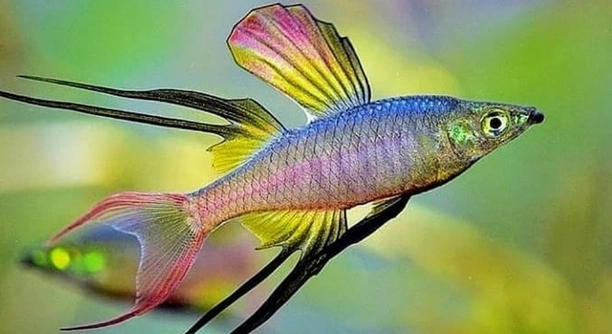
Do you ever notice your threadfins darting around the tank whenever you clean or adjust something nearby? Their sensitivity to movement and vibration can make even small disturbances seem like major events in their aquatic world.
Threadfins can learn to ignore routine tank disturbances through habituation, a process where repeated, harmless exposure reduces their stress response. Over time, they associate familiar activities, like cleaning or feeding adjustments, with safety rather than potential danger.
As we explore their adaptive behavior, understanding this gradual learning process reveals how consistent care and stable environments shape their calm and confidence in captivity.
Understanding Threadfin Behavior
Threadfins are known for their delicate nature and quick reactions to movement or sound. In captivity, these fish can easily become startled by routine tasks such as water changes, glass cleaning, or filter adjustments. At first, these actions may trigger visible stress, like erratic swimming or hiding behind plants and decorations. However, with consistent and predictable care, threadfins begin to understand that these disturbances do not pose a threat. Over time, this pattern helps them adapt, showing fewer signs of fear during routine maintenance. Their ability to recognize safe, repetitive events demonstrates how environmental consistency supports their mental comfort and stability.
Habituation plays a major role in shaping their behavior, allowing threadfins to differentiate between real danger and harmless human activity. With patience and steady routines, they can become more relaxed, making daily tank care easier for both fish and keeper.
A steady hand and calm presence during maintenance also help reinforce feelings of safety. Moving gently and maintaining a predictable routine encourages trust between the fish and their keeper. Over time, even minor adjustments, like changing a filter or rearranging plants, will no longer provoke an anxious reaction. This gradual adaptation reflects the importance of consistency and patience in maintaining a peaceful aquarium environment.
Factors That Influence Habituation
Environmental stability is essential when helping threadfins learn to ignore harmless disturbances. Frequent changes in lighting, temperature, or layout can slow their ability to adapt, keeping them alert and cautious. A predictable environment allows them to recognize normal activities more quickly.
The process of habituation depends on several key factors, including frequency, consistency, and the nature of the disturbance itself. Repeated exposure to the same action—such as hand movement during cleaning—teaches the fish that no harm follows. In contrast, unpredictable or rough activity can reset their progress, reinforcing fear instead of calmness. Water quality also influences their behavior; clean, well-balanced conditions reduce overall stress levels, helping threadfins feel secure. Feeding routines play a part as well. When they associate the presence of their keeper with food and safety, their tolerance toward movement and minor disruptions improves. Over time, these small adjustments in care can transform their tank into a place of familiarity and ease, where threadfins thrive in both health and comfort.
Recognizing Signs of Adaptation
When threadfins begin to adjust, their reactions to regular tank activity become noticeably calmer. Instead of darting away or hiding, they may continue swimming slowly or observe from a distance, showing confidence in their surroundings. These small behavioral changes reflect growing trust and reduced stress.
Consistent observation helps identify these signs of adaptation over time. You might notice threadfins returning to normal behavior more quickly after water changes or moving freely near your hand during feeding. Their breathing rate stabilizes, and they display natural fin movement instead of stiff or rapid motions. These patterns signal that habituation is occurring successfully. When fish no longer perceive familiar actions as threats, their overall health improves. Regular feeding, steady lighting, and calm surroundings reinforce this progress, helping threadfins thrive without anxiety. Such subtle but steady shifts indicate that your patience and consistent care are truly paying off.
Threadfins that have adapted well also tend to interact more comfortably with tankmates. They establish smoother swimming patterns, maintain bright coloration, and show consistent feeding behavior. These are clear signs that they feel secure in their environment. Over time, these behaviors become routine, turning once-anxious fish into calm, confident swimmers. Recognizing these developments not only improves tank management but also strengthens the quiet bond between caretaker and fish, built on trust and gentle repetition.
Encouraging Calm During Tank Maintenance
Reducing stress during cleaning starts with preparation. Move slowly, avoid sudden gestures, and keep tools visible in the water before using them. Familiar sounds, like running water or gentle filter flow, help remind threadfins that maintenance time is safe. Consistency builds comfort over repetition.
To encourage calm, maintain a steady routine and minimize disruptions outside of scheduled cleaning. Avoid tapping the glass or making abrupt water-level changes. Try cleaning one section at a time, allowing the fish space to retreat. Soft lighting helps too, reducing visual stimulation while you work. If feeding occurs shortly after cleaning, it reinforces positive associations with maintenance. Threadfins will begin linking your movements with safety, nourishment, and normalcy. Over time, these gentle strategies build predictable patterns that reduce fear. A calm and stable environment not only benefits the fish’s mental well-being but also creates a peaceful, easy-to-manage aquarium that reflects thoughtful care and understanding.
Common Mistakes to Avoid
Sudden or irregular tank maintenance often confuses threadfins, causing unnecessary stress. Skipping cleaning sessions or changing routines too frequently prevents them from recognizing safe, predictable patterns. Consistency is key to helping them feel secure in their environment.
Avoid tapping the glass, using harsh lighting, or introducing strong vibrations. These actions interrupt the calm environment threadfins need to build trust. Even loud noises near the tank can trigger startle responses. Keeping a peaceful atmosphere allows them to maintain steady, relaxed behavior during daily activity and care.
The Role of Environment
A stable environment supports every stage of threadfin habituation. Plants, gentle filtration, and hiding spaces all provide comfort and structure. When their surroundings remain familiar, they interpret normal movements as non-threatening. Balanced lighting, steady temperature, and consistent feeding enhance their sense of security. By maintaining environmental stability, threadfins can adapt smoothly to human activity. The fewer surprises they experience, the faster they learn to relax. This careful balance between routine and stability encourages steady progress, resulting in healthier, calmer fish.
Observing Long-Term Behavior
Threadfins that consistently remain calm during cleaning and daily tasks show lasting adaptation. Over time, their behavior becomes predictable and stable, reflecting trust in their environment and their caretaker’s consistent actions.
FAQ
How long does it take for threadfins to get used to routine disturbances?
The adjustment period varies, depending on the fish and the consistency of care. Some threadfins begin showing calmer behavior within a few weeks of predictable maintenance. Others may take several months to fully habituate, especially if they were previously stressed or in a new tank. Consistency in routine and gentle handling significantly speeds up this process. Observing subtle signs, like reduced hiding or calmer swimming, helps track progress. Patience is essential, as forcing interaction or making sudden changes can delay adaptation and increase stress.
Can the size or number of threadfins in the tank affect habituation?
Yes, both factors influence how quickly they adapt. Larger fish may be slightly less reactive due to confidence, while smaller or younger fish can be more sensitive. A crowded tank increases overall stress levels, making it harder for individual fish to feel secure. Conversely, a moderate group size allows threadfins to observe each other’s reactions, which can help them learn that routine disturbances are harmless. Providing ample space and clear hiding areas supports gradual adaptation and reduces conflict among tankmates.
What signs indicate that threadfins are stressed by tank activity?
Stress can show in many ways. Rapid, erratic swimming, hiding excessively, clamped fins, or loss of appetite are common indicators. Some fish may dart to the farthest corners of the tank at the slightest movement. These behaviors suggest that routine maintenance is perceived as threatening. Monitoring changes in color intensity or irregular breathing can also signal stress. Recognizing these patterns early allows adjustments to care practices, such as slowing movements, splitting cleaning into shorter sessions, or providing additional shelter.
How can feeding routines support habituation?
Threadfins often associate human presence with food, which encourages calm behavior. Keeping feeding times consistent helps them predict normal activity and reduces anxiety. Offering food shortly after routine maintenance creates positive associations with human movement. Over time, this encourages threadfins to tolerate handling and water changes without panic. Avoid sudden, large feedings or irregular schedules, as inconsistency may confuse them and reset progress in adaptation. Small, measured portions reinforce a sense of safety and routine while supporting overall health.
Do environmental factors like lighting or noise affect adaptation?
Absolutely. Sudden bright lights, loud sounds, or vibrations from nearby equipment can startle threadfins, slowing habituation. Maintaining gentle, consistent lighting and limiting nearby noise encourages relaxation. Soft background filtration or aeration helps mask unpredictable disturbances. Changes in water temperature or flow should also be gradual. Threadfins are highly sensitive, and predictable environmental conditions reinforce confidence in their surroundings. Even subtle changes can affect their stress levels, so attention to detail in tank setup is critical.
Is it possible for threadfins to regress after habituation?
Yes, regression can occur if routines are disrupted or if the environment becomes unpredictable. Sudden rearrangement of decor, aggressive tankmates, or inconsistent maintenance may trigger stress responses again. To maintain habituation, continue consistent cleaning schedules, stable lighting, and careful handling. Observation is key: subtle signs of anxiety can be caught early, and gradual reintroduction of routines can help threadfins regain their previous level of comfort.
Can habituation improve overall health?
Reduced stress directly supports immune function, appetite, and normal activity. Threadfins that tolerate routine disturbances without panic often show steadier swimming patterns, brighter coloration, and more consistent feeding behavior. Long-term calm behavior contributes to stronger resilience against disease and enhances their general well-being. Habituation is not just behavioral; it positively impacts physical health, making attentive, consistent care essential for maintaining a thriving tank environment.
How can I make the cleaning process less intimidating?
Start with slow, predictable movements and introduce tools gradually. Allow the fish to observe before making direct contact. Performing partial cleaning at a time helps reduce sudden changes. Using minimal water movement and keeping lighting soft also helps. Gradually, threadfins learn that maintenance is part of normal life, and anxiety during cleaning decreases significantly. Patience and repetition are key to building a stress-free routine.
Are there specific tank setups that make habituation easier?
Yes, tanks with clear sightlines, gentle filtration, and multiple hiding spots help threadfins feel secure. Dense plants or smooth decorations provide refuge, while open swimming areas allow natural activity. Stable water parameters and consistent lighting enhance predictability. Avoid overcrowding or sharp decor that may cause injury. A well-organized, consistent environment reinforces safe behavior and accelerates adaptation to routine human activity.
What should I avoid to ensure threadfins stay calm?
Avoid sudden changes, loud noises, abrupt handling, or irregular feeding. Harsh lighting, strong water currents, or aggressive tankmates can increase stress. Maintaining calm movements, consistent schedules, and a stable environment prevents unnecessary anxiety and ensures that threadfins remain comfortable and relaxed during daily care.
Final Thoughts
Threadfins are sensitive fish that respond strongly to changes in their environment. Routine tank disturbances, even small ones like moving decorations or cleaning the glass, can cause stress initially. Observing their reactions carefully helps in understanding what causes discomfort and what does not. With repeated exposure to harmless activities, threadfins gradually learn to differentiate between threatening and non-threatening events. This process, known as habituation, is slow and requires patience. Consistent handling, predictable feeding schedules, and steady environmental conditions play a critical role in helping them feel secure. Over time, their anxious behaviors decrease, and they become calmer and more confident in the tank.
Creating a stable and comfortable environment is equally important. Providing hiding spots, plants, and smooth decorations allows threadfins to retreat when needed, reducing stress levels during maintenance. Proper lighting, gentle water flow, and a quiet location for the tank also help maintain a sense of safety. Feeding routines further support habituation by creating positive associations with human presence. Threadfins begin to link movement in the tank with food or familiar activities rather than potential danger. By combining environmental stability with consistent, gentle handling, caretakers can encourage a natural sense of calm and predictability. This not only improves their behavior but also supports overall health and well-being.
Patience is key when working with threadfins. Stress responses may appear even after initial habituation if there are sudden changes or unexpected disturbances. Observing subtle behavioral cues, such as changes in swimming patterns, fin position, or hiding behavior, allows for timely adjustments in care. Gradual, predictable actions build trust and help threadfins adapt over the long term. Maintaining calm, consistent routines ensures that these fish remain relaxed and healthy. Understanding and supporting their needs through environmental stability, regular observation, and gentle handling promotes both their mental and physical well-being. Over time, caretakers will notice that threadfins are not only more tolerant of routine activities but also display steadier behavior, brighter coloration, and a more relaxed presence in the tank, reflecting a successful adaptation to life in captivity.

Hello,
If you enjoy the content that we create, please consider saying a "Thank You!" by leaving a tip.
Every little bit helps us continue crafting quality advice that supports the health, happiness, and well-being of pets around the world, for pets of all shapes, sizes, and species.
We really appreciate the kindness and support that you show us!