
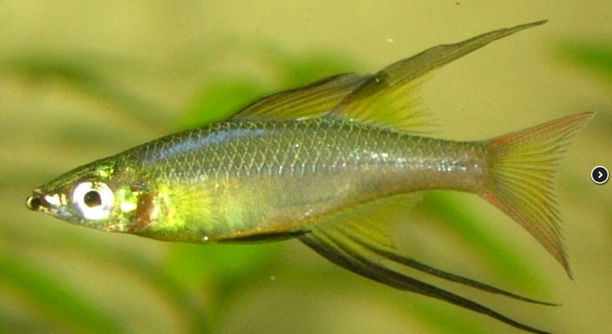
Threadfin rainbowfish are delicate and sensitive creatures that can easily become stressed in home aquariums. Stress affects their behavior, appetite, and overall health, making it important for owners to respond quickly. Understanding their needs helps maintain a peaceful environment.
The fastest way to calm a stressed threadfin rainbowfish is by reducing sudden changes in water conditions and minimizing disturbances. Providing hiding spaces, lowering light intensity, and maintaining stable temperature and pH levels creates a safe and calming environment for the fish.
Learning these simple techniques will help your fish feel secure and improve their health, encouraging a more balanced and serene aquarium atmosphere.
Identifying Stress Triggers in Threadfin Rainbowfish
Threadfin rainbowfish can become stressed from various environmental and social factors. Sudden changes in water temperature or pH can make them uneasy, and overcrowded tanks often lead to constant skirmishes between fish. Loud noises near the tank or excessive handling may also increase stress levels. Even well-intentioned but frequent rearranging of decorations can disrupt their sense of security. Observing their behavior closely helps identify stress signals such as hiding, rapid gill movement, loss of appetite, or unusual swimming patterns. Stress weakens their immune system, making them more susceptible to diseases, and prolonged stress can shorten their lifespan. Adjusting feeding schedules and monitoring water quality are practical steps that help mitigate these stressors. Creating an environment that respects their natural behavior, including spaces to explore and hide, ensures they feel more secure. Regular observation and small adjustments go a long way in maintaining their health and calm demeanor.
Maintaining a stable environment and monitoring interactions between fish are key to reducing stress.
By recognizing patterns in their behavior, such as sudden aggression or lethargy, you can adjust tank conditions accordingly. Temperature stability, proper filtration, and hiding spaces make a noticeable difference. Feeding small, frequent meals keeps them active without overwhelming the tank. Additionally, reducing noise and limiting handling preserves a calm environment. Over time, these measures prevent recurring stress episodes. Understanding these patterns also prepares you to respond quickly if new stress factors appear, ensuring your rainbowfish remain healthy. Consistency in water changes, avoiding overcrowding, and observing social dynamics are equally important. Even subtle improvements, like gentle lighting adjustments or the addition of plants for cover, can significantly reduce stress. These efforts demonstrate respect for the fish’s natural needs, promoting both physical health and emotional well-being. A stable, carefully managed tank enhances their coloration, activity, and appetite, reflecting overall comfort and satisfaction in their environment.
Quick Calming Measures
Immediate steps can help reduce stress rapidly. Lowering light intensity, offering hiding spots, and avoiding sudden movements provides quick relief for anxious fish.
For faster results, partially dimming lights and rearranging plants to create additional cover works effectively. Adding floating plants or gentle current adjustments further soothes them. Monitoring water temperature closely and reducing noise around the tank also calms them. Feeding smaller portions can prevent competition and reduce stress during mealtime. Observing behavior after these changes confirms their effectiveness. These small but consistent actions make a significant difference in short-term stress relief. Regularly applying these strategies helps maintain overall tranquility and promotes a healthier, more relaxed environment, allowing threadfin rainbowfish to regain confidence and normal behavior swiftly.
Adjusting Tank Conditions
Stable water parameters are essential for reducing stress. Consistent temperature, pH, and proper filtration prevent sudden shocks that unsettle threadfin rainbowfish.
Keeping temperature steady between 24–28°C supports their metabolism and activity. Sudden drops or spikes cause rapid gill movement and erratic swimming. Maintaining pH around 6.5–7.5 ensures comfort, while gentle filtration avoids strong currents that may tire them. Regular partial water changes help remove toxins and maintain clarity, reducing stress triggers. Monitoring ammonia, nitrite, and nitrate levels consistently prevents health issues. Using a reliable thermometer and test kits allows for proactive adjustments, preventing problems before they escalate. Proper tank maintenance directly impacts behavior, feeding, and overall well-being, creating a calm and stable environment.
Adding plants, rocks, or driftwood offers hiding spaces and visual barriers. These elements break lines of sight, allowing fish to feel secure while swimming freely. A well-structured tank reduces conflict and provides natural exploration areas. Hiding spots near the bottom and mid-level layers help shy individuals escape dominant fish. Floating plants diffuse light, softening the environment and reducing stress. Proper arrangement ensures easy swimming paths and prevents overcrowding in corners. Incorporating these features promotes natural behavior while creating a serene habitat.
Regular monitoring is crucial to maintaining these conditions. Small changes over time, like adjusting filtration or rearranging decorations, prevent abrupt stress. Consistency in water temperature, pH, and tank maintenance encourages predictable behavior. Observing fish response after each adjustment helps identify which conditions are most calming. Maintaining a regular feeding routine and avoiding overfeeding further supports stability. By systematically checking water quality and environmental elements, you can create a habitat where threadfin rainbowfish feel secure, comfortable, and less prone to stress-related behaviors.
Social Dynamics and Companions
Compatibility between tank mates is key to reducing stress. Aggressive or overly dominant species can intimidate rainbowfish, affecting their feeding and activity.
Choosing peaceful companions of similar size prevents bullying and ensures balanced interactions. Avoid overcrowding the tank, as limited space increases competition for resources. Introducing new fish gradually and monitoring group behavior minimizes tension. Providing multiple hiding spots and visual breaks reduces conflict and gives stressed fish an escape route. Even subtle differences in swimming speed or temperament can cause stress if ignored. Observing interactions closely and adjusting fish combinations when needed creates a harmonious environment, promoting healthy social behavior and lowering anxiety levels. Consistent attention to group dynamics ensures all fish remain active, calm, and healthy within the shared space.
Feeding Adjustments
Overfeeding can stress threadfin rainbowfish and affect water quality. Smaller, frequent meals prevent competition and maintain clean water.
Offering a balanced diet with high-quality flakes, pellets, and occasional live or frozen food supports health. Feeding in moderation encourages natural foraging and reduces aggression during mealtime.
Light and Environment Control
Dimming lights during periods of stress helps create a calmer atmosphere. Floating plants or shaded areas provide refuge and reduce overstimulation. Gradual light changes mimic natural conditions, supporting normal activity patterns and easing anxiety.
Observing Behavior
Close observation allows early detection of stress. Look for hiding, rapid gill movement, or loss of appetite.
Maintaining Routine
Consistency in feeding, water changes, and general maintenance reassures threadfin rainbowfish. Regular routines reduce uncertainty and create a stable, calm environment for healthy growth and activity.
FAQ
How can I tell if my threadfin rainbowfish is stressed?
Signs of stress include hiding more than usual, rapid gill movement, loss of appetite, clamped fins, or erratic swimming. Fish may also become pale or show dull coloration. Observing behavior closely, especially after changes in water parameters or tank conditions, helps identify stress early. Regular monitoring ensures timely action.
What immediate steps can calm a stressed fish?
Lowering light intensity, providing hiding spots, and minimizing tank disturbances helps. Reducing noise, maintaining stable water temperature, and avoiding sudden movements near the tank also soothe the fish. Partial water changes with careful monitoring of parameters can quickly improve their environment.
Can diet affect stress levels?
Yes. Overfeeding or inconsistent feeding can cause competition and stress. Offering small, frequent meals of high-quality flakes, pellets, or live/frozen foods maintains proper nutrition and keeps fish active. Balanced feeding supports metabolism and reduces aggressive interactions.
How important is tank size in stress prevention?
Tank size directly impacts stress. Overcrowding leads to competition for space and resources, increasing aggression. A minimum of 30 gallons is recommended for a small group, allowing swimming space and hiding areas. Proper spacing reduces tension between fish.
Do tank mates influence stress?
Absolutely. Aggressive or very fast species can intimidate threadfin rainbowfish. Choosing peaceful, similarly sized fish and monitoring interactions prevents bullying. Providing visual breaks and hiding spots helps stressed fish escape confrontations and feel secure.
What role do water parameters play?
Stable water conditions are crucial. Sudden changes in temperature, pH, or ammonia/nitrite/nitrate levels cause stress. Regular testing and slow adjustments help maintain a healthy environment. Keeping temperature between 24–28°C and pH around 6.5–7.5 supports normal behavior and reduces anxiety.
How do plants and decorations help?
Plants, driftwood, and rocks provide hiding spaces and visual barriers. These create a sense of security, allow exploration, and reduce stress. Floating plants diffuse light, softening the environment. Proper arrangement prevents overcrowding in corners and encourages natural swimming behavior.
Is handling harmful to threadfin rainbowfish?
Frequent handling increases stress and can injure delicate fins and scales. Avoid moving them unless necessary, such as for medical treatment. Using nets carefully and minimizing disturbances helps maintain calm behavior.
Can lighting affect stress?
Yes. Bright, sudden lighting can startle fish. Gradual light changes and dimmed periods provide a calmer environment. Floating plants or shaded areas reduce overstimulation and encourage relaxed swimming. Mimicking natural light patterns supports overall well-being.
How long does it take for a fish to recover from stress?
Recovery varies depending on the cause and severity. Minor stress may resolve within hours if environmental adjustments are made. Chronic stress may take days or weeks, requiring consistent care, stable water parameters, and reduced disturbances. Patience and observation are essential.
What are common mistakes that increase stress?
Frequent water changes without acclimation, overcrowding, poor diet, aggressive tank mates, sudden lighting changes, and frequent handling are major contributors. Avoiding these mistakes and maintaining stable conditions ensures calmer, healthier fish.
How often should I monitor my fish?
Daily observation is ideal. Watch for behavioral changes, appetite, and swimming patterns. Checking water parameters at least weekly helps prevent stress triggers. Regular monitoring allows quick intervention if issues arise.
Are there signs of long-term stress?
Persistent hiding, continuous loss of color, stunted growth, frequent disease, or lethargy indicate chronic stress. Long-term stress weakens immunity, so maintaining stable conditions and addressing causes promptly is critical for health.
Can stress affect breeding?
Yes. Stressed threadfin rainbowfish may stop spawning or display reduced courtship behavior. Providing a stable environment, proper diet, and minimal disturbances encourages natural breeding activity.
What is the best approach to prevent stress entirely?
Consistent water quality, suitable tank mates, proper feeding, hiding spaces, controlled lighting, and minimal handling are key. Observing behavior regularly and making small, gradual adjustments helps maintain a calm, healthy, and stable environment for threadfin rainbowfish.
This FAQ addresses the most common concerns regarding stress in threadfin rainbowfish, offering practical, actionable solutions for maintaining their health, calm behavior, and overall well-being.
Final Thoughts
Keeping threadfin rainbowfish calm and healthy requires attention to their environment, diet, and social interactions. These fish are naturally sensitive, and even small changes in water temperature, pH, or tank layout can create stress. Providing a stable, well-maintained habitat is the foundation of their well-being. Regularly checking water quality, maintaining a proper filtration system, and monitoring temperature ensures the tank remains consistent. Stability in these factors helps prevent sudden shocks that can cause erratic swimming, hiding, or loss of appetite. Simple adjustments, such as creating hiding spaces with plants or driftwood, help fish feel secure while allowing natural exploration. Observing daily behavior and responding to subtle signs of discomfort allows you to address issues before they escalate. Over time, these consistent efforts create a calm, thriving aquarium where fish can display normal activity, vibrant coloration, and healthy growth.
Diet also plays a key role in maintaining a stress-free environment. Threadfin rainbowfish benefit from a balanced mix of high-quality flakes, pellets, and occasional live or frozen food. Overfeeding can lead to water pollution and competition among tank mates, increasing anxiety and stress. Offering small, frequent meals encourages natural foraging behaviors and helps maintain a stable environment. Feeding routines should be consistent, as irregular schedules can make fish more anxious and unsettled. Alongside nutrition, tank mates influence the overall atmosphere. Choosing compatible, peaceful species reduces aggression and competition. Providing adequate space and visual barriers ensures fish have room to swim freely and retreat when needed. Attention to social dynamics, feeding patterns, and environmental enrichment fosters a balanced, calm habitat where threadfin rainbowfish feel secure and comfortable.
Finally, managing stress involves observation, patience, and consistency. Quick responses to sudden changes—such as dimming lights, adjusting water parameters, or rearranging hiding spaces—can provide immediate relief for anxious fish. Chronic stress, however, requires ongoing care and attention to prevent long-term health issues. Maintaining predictable routines, limiting unnecessary handling, and carefully introducing new fish or decorations minimizes disruptions that could trigger anxiety. Monitoring for signs such as clamped fins, rapid gill movement, or changes in coloration helps identify both short-term and long-term stress. By combining stable environmental conditions, balanced nutrition, compatible companions, and careful observation, you create an aquarium that supports the well-being of threadfin rainbowfish. This approach not only improves their immediate comfort but also encourages long-term health, natural behavior, and a peaceful, harmonious aquatic community.

Hello,
If you enjoy the content that we create, please consider saying a "Thank You!" by leaving a tip.
Every little bit helps us continue crafting quality advice that supports the health, happiness, and well-being of pets around the world, for pets of all shapes, sizes, and species.
We really appreciate the kindness and support that you show us!