
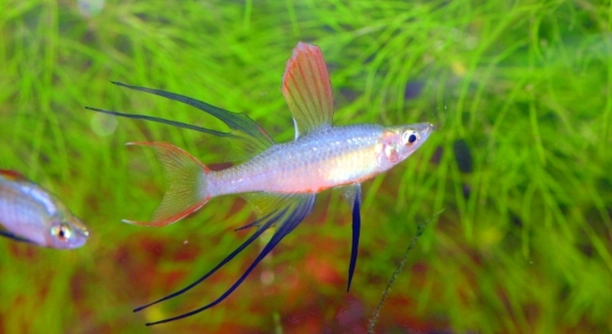
Threadfin Rainbowfish are small, active fish that often attract attention in home aquariums. Observing them interact with their surroundings can reveal interesting behaviors, especially when they circle specific areas in the tank. These patterns can be more than playful movements.
Threadfin Rainbowfish often circle filter outlets due to water flow, oxygen concentration, territorial instincts, or feeding habits. Environmental conditions such as current strength, tank layout, and presence of other fish can also influence this behavior consistently and predictably.
Understanding these behaviors can help maintain a balanced tank environment. Learning the reasons behind their actions ensures healthier, happier fish and a more enjoyable aquarium experience.
Strong Water Currents
Threadfin Rainbowfish are naturally drawn to areas with strong water movement. Circling a filter outlet allows them to exercise and build stamina, similar to swimming against a gentle current in the wild. The outlet produces consistent flow, which the fish may use to navigate or explore. Some individuals prefer the resistance created by the moving water, as it helps them maintain muscle tone and coordination. Over time, fish may return to the outlet repeatedly, making it a favorite spot in the tank. The current can also aid in keeping their fins clean and free of debris. Observing this behavior provides insight into their natural instincts and preferences. Tank owners can monitor water flow to ensure it is not too strong, which could stress the fish or cause them to avoid certain areas entirely. Proper flow balance supports both health and natural behaviors.
Flow patterns in the tank can guide fish activity. Adjusting filters helps maintain comfort.
Strong water movement also affects feeding. Fish often position near the outlet to catch small particles carried by the current. This behavior may reduce competition at feeding times, giving them an advantage in accessing food. Additionally, the moving water can simulate natural conditions, encouraging more active swimming and reducing boredom. Owners may notice that some fish linger near the outlet longer than others, reflecting individual preferences. Over time, circling patterns become predictable, helping with tank management and observation of their health. Regularly checking flow and adjusting tank features ensures all fish enjoy a balanced environment and can express natural behaviors without undue stress or risk of injury.
Oxygen Concentration
Fish often circle areas with higher oxygen levels.
Oxygen-rich water around filter outlets is especially attractive to Threadfin Rainbowfish. The constant movement of water near the outlet promotes aeration, increasing dissolved oxygen. This is essential for their metabolism and overall well-being. Fish may remain close to the outlet to maintain optimal respiration, particularly in tanks with higher stocking densities or warmer water. Proper circulation ensures oxygen is evenly distributed, but natural tendencies draw the fish to the most comfortable zones. Maintaining filtration and aeration systems reduces stress and supports long-term health. Adjusting tank equipment and monitoring oxygen levels helps prevent fatigue or lethargy. Owners can observe these patterns to identify potential issues, like insufficient oxygen in other areas. Recognizing the link between water flow, oxygen, and behavior allows for better tank management. Watching the fish navigate and circle the outlet demonstrates their instinctive responses to environmental conditions.
Feeding Habits
Threadfin Rainbowfish often circle filter outlets to access floating or suspended food particles. The moving water carries small bits, making feeding easier and more efficient for them.
Being near the outlet gives the fish an advantage during feeding. Particles drifting in the current are easier to catch, which reduces competition with other fish in the tank. Some fish may linger longer near these areas, especially during mealtimes. Over time, this behavior becomes routine, and the outlet effectively serves as a convenient feeding zone. Monitoring their eating patterns helps ensure all fish receive adequate nutrition.
In addition, circling near the outlet allows fish to detect new food quickly. They can adjust their position to capture drifting flakes or pellets more efficiently. This instinctive behavior also helps maintain energy levels and supports growth. By observing feeding near the outlet, owners can better understand individual fish habits, ensuring no fish is left behind during meals. Proper placement of food and regular observation can prevent aggressive competition while promoting a healthy, well-fed school.
Territorial Behavior
Threadfin Rainbowfish may circle filter outlets to mark their territory or establish dominance over space. They often return to the same area repeatedly.
Territorial instincts are natural, and the outlet often serves as a central point in the tank. Fish may patrol this space to assert dominance or monitor potential intruders. Circling helps them maintain familiarity with their chosen area, reducing stress and establishing social hierarchy. In tanks with multiple fish, observing these behaviors can help owners identify dominant individuals and ensure weaker fish are not constantly stressed. Recognizing territory markers supports better tank management and prevents unnecessary conflicts among fish.
In larger tanks, territorial behavior around the outlet can influence overall fish movement. Fish may avoid areas patrolled by dominant individuals, altering how they interact with the rest of the environment. Providing adequate hiding spots and sufficient swimming space helps reduce aggression and ensures all fish feel secure. Circling also allows dominant fish to survey the tank, monitor resources, and react quickly to any disturbances. Careful observation of these patterns can inform adjustments to tank layout, filtration, and décor to maintain balance and harmony in the aquarium.
Exploration and Play
Threadfin Rainbowfish circle filter outlets as part of their natural curiosity. The flowing water creates a dynamic environment that encourages movement and interaction.
This behavior allows them to explore different currents and angles. It helps maintain agility and prevents boredom, keeping them mentally and physically active.
Comfort and Security
The outlet provides a sense of safety. Circling here allows the fish to stay in a familiar zone where water movement feels consistent, reducing stress and offering a predictable environment for daily activity.
Schooling Behavior
Threadfin Rainbowfish often swim together near filter outlets. The water flow helps keep the school cohesive, allowing individuals to coordinate movements efficiently and maintain group structure while circulating around the tank.
Environmental Stimulation
The filter outlet creates sensory stimulation. The combination of current, bubbles, and movement mimics natural habitats, engaging the fish and encouraging them to remain active and alert within the tank.
FAQ
Why do Threadfin Rainbowfish always circle the filter outlet?
Threadfin Rainbowfish are naturally drawn to areas with moving water. Circling the filter outlet allows them to exercise, catch floating food particles, and stay in oxygen-rich water. This behavior is instinctive and can also provide mental stimulation and security, making the outlet a preferred spot in the tank.
Is it normal for them to spend most of their time near the outlet?
Yes, it is normal. Many Threadfin Rainbowfish favor areas with stronger currents because it simulates their natural environment. Spending extended periods near the outlet is usually a sign that they feel comfortable, safe, and engaged with the water flow. It helps maintain their energy and overall health.
Can circling the outlet harm the fish?
Circling itself is not harmful. However, if the water flow is too strong, fish may become stressed or fatigued. It’s important to ensure that the filter output is appropriate for the size of the fish and the tank. Observing their behavior helps adjust flow levels as needed.
Do all Threadfin Rainbowfish behave this way?
Not all fish will display the same intensity of behavior. Some individuals are more active or curious and will circle the outlet frequently, while others may swim in calmer areas. Differences in personality, age, and health can influence how much time each fish spends near moving water.
How can I make the rest of the tank appealing?
Adding decorations, plants, and hiding spots can balance the tank environment. While the filter outlet provides stimulation, creating other areas of interest encourages the fish to explore more, reducing crowding near the outlet and promoting natural behaviors throughout the aquarium.
Should I adjust feeding if they stay near the outlet?
Feeding near the outlet is common because food particles often drift there. It’s important to distribute food evenly across the tank to ensure all fish get their share. Observing feeding behavior and adjusting portions can prevent weaker or less active fish from missing meals.
Does water temperature affect this behavior?
Yes, temperature can influence activity levels. Warmer water may increase swimming and circling behavior, while cooler water can slow movement. Maintaining a consistent, appropriate temperature for Threadfin Rainbowfish supports regular activity and reduces stress near the filter outlet.
Can this behavior indicate stress or illness?
Circling alone usually indicates normal behavior. Signs of stress or illness include rapid breathing, clamped fins, or erratic swimming. Observing overall health and behavior alongside the circling pattern helps distinguish between natural activity and potential health concerns.
How often should I monitor their behavior?
Daily observation is ideal. Noticing changes in activity, swimming patterns, or feeding habits allows early detection of problems. Monitoring ensures that the environment, including filter flow, temperature, and oxygen levels, remains suitable for healthy fish behavior.
Can tank size influence circling behavior?
Yes, smaller tanks with limited space often cause fish to circle outlets more frequently due to confined swimming areas. Larger tanks provide room for exploration, which may reduce constant circling while still allowing the fish to use the outlet for exercise, oxygen, and feeding stimulation.
Do other fish species display similar behavior?
Many active freshwater species show similar patterns near water movement. Fish like danios, rasboras, or other small schooling species often circle filter outlets to take advantage of currents, oxygen levels, and food availability, making this behavior common across various aquarium setups.
How can I make the filter area safer?
Ensure the outlet does not create excessive current or suction. Using flow diffusers or adjustable outlets can reduce pressure and protect delicate fins. Regularly checking equipment prevents accidents and maintains a safe environment where fish can exhibit natural circling behavior without risk.
Is it necessary to provide extra oxygenation elsewhere in the tank?
If the outlet is the primary source of oxygenated water, adding an air stone or secondary flow device can improve oxygen distribution. This encourages fish to explore other areas, supports overall health, and reduces overcrowding near the filter outlet while maintaining a balanced aquatic environment.
Will circling behavior change over time?
Yes, behavior can change due to age, social dynamics, or environmental adjustments. Younger, more active fish may circle more frequently, while older or more dominant individuals may adjust patterns. Monitoring over time helps ensure consistent care and a healthy, engaging habitat for all fish.
Can rearranging decorations affect this behavior?
Yes, tank layout changes can influence movement. Placing plants, rocks, or hiding spots near or away from the outlet can redirect swimming patterns. Adjustments may reduce repetitive circling while still allowing the fish to benefit from current, oxygen, and feeding advantages near the filter.
How do I know if the filter flow is appropriate?
Observe fish behavior: they should swim comfortably without struggling or appearing stressed. Gentle currents encourage circling, while excessively strong flow may push them into walls or force them to fight the water, indicating a need to adjust the outlet or use a flow diffuser.
Can overstocking impact circling behavior?
Yes, overcrowded tanks often lead to increased competition near the outlet. Fish may cluster to access food or oxygen, leading to stress and aggression. Maintaining proper stocking levels ensures all individuals can enjoy swimming space and access essential resources without excessive circling or conflict.
What is the main takeaway about circling the outlet?
Circling is a natural, instinctive behavior that supports exercise, feeding, oxygenation, and mental stimulation. Proper tank management, including flow adjustment, feeding distribution, and environmental enrichment, ensures the behavior is healthy and enhances the overall well-being of Threadfin Rainbowfish.
How can I encourage exploration beyond the outlet?
Adding plants, rocks, and open swimming areas encourages movement. Spacing decorations and creating multiple interest zones can motivate fish to explore different areas, reducing constant circling while still providing the benefits of the filter’s water flow.
Does lighting affect this behavior?
Moderate, consistent lighting helps fish feel secure. Sudden changes or overly bright lights can stress them, altering circling patterns. Balanced lighting combined with natural flow and oxygenation supports predictable, healthy behavior around the outlet and throughout the tank.
Can filter type influence behavior?
Yes, different filters create varying flow patterns. Sponge filters offer gentle circulation, while power filters generate stronger currents. The type and strength of the filter directly affect how often and intensely fish circle, influencing exercise, feeding, and oxygenation opportunities in the tank.
Final Thoughts
Threadfin Rainbowfish are active and curious creatures, and their behavior around filter outlets is a natural part of their routine. Observing them circle the outlet reveals several key aspects of their needs and instincts. The water flow created by the filter provides both exercise and mental stimulation. Swimming against a gentle current helps maintain their muscle tone and coordination. It also allows them to explore their environment, keeping them engaged and preventing boredom. This behavior is not a sign of discomfort, but rather a reflection of how they interact with their surroundings. By understanding this, tank owners can create an environment that meets both the physical and behavioral needs of their fish. Proper placement of decorations and careful tank setup ensures that the fish can benefit from the outlet without becoming overcrowded or stressed.
Another important aspect is the role of oxygen and water movement. Filter outlets increase aeration, making the surrounding water richer in oxygen. Threadfin Rainbowfish naturally gravitate to these areas because they support healthy respiration and overall well-being. Spending time near the outlet allows them to breathe efficiently while remaining active. Additionally, the current carries small food particles, which makes feeding easier and more accessible. Observing these behaviors can help owners manage feeding routines, ensuring that all fish receive adequate nutrition. Circling near the outlet is a combination of instinctive behavior and practical advantage, giving the fish a sense of security and comfort. Maintaining proper water flow, temperature, and oxygen levels throughout the tank ensures that this behavior remains beneficial rather than stressful.
Finally, it is important to recognize that circling behavior varies among individuals. Some Threadfin Rainbowfish may be more active and spend more time around the outlet, while others prefer calmer areas of the tank. Differences in personality, age, and health play a role in how they interact with the environment. Providing adequate space, hiding spots, and balanced tank decorations encourages exploration beyond the outlet while still allowing access to its benefits. Regular observation is key to understanding each fish’s habits and adjusting the tank setup accordingly. By maintaining a well-planned environment with proper flow, oxygenation, and feeding practices, owners can support both the health and natural behavior of their Threadfin Rainbowfish, creating a thriving and balanced aquarium.

Hello,
If you enjoy the content that we create, please consider saying a "Thank You!" by leaving a tip.
Every little bit helps us continue crafting quality advice that supports the health, happiness, and well-being of pets around the world, for pets of all shapes, sizes, and species.
We really appreciate the kindness and support that you show us!