
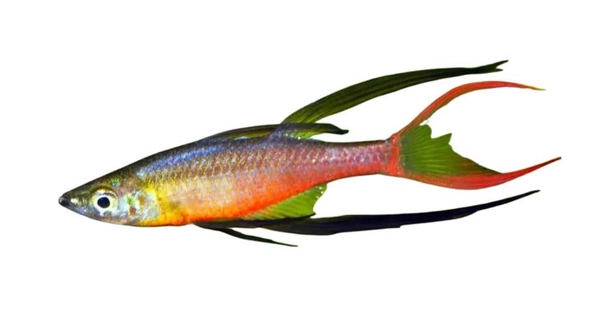
Threadfin are fascinating creatures, moving gracefully through the water with subtle gestures. Observing their behavior can reveal patterns and hints about their environment, interactions, and needs. Their body language provides insight into their daily life and routines.
By carefully watching threadfin body language, one can learn about their feeding habits, social interactions, stress levels, and territorial behavior. These cues provide important information for proper care, research observations, and understanding the species’ natural responses.
Recognizing these signals can improve interactions, care, and overall appreciation of threadfin in both natural and controlled settings.
Recognizing Feeding Signals
Threadfin often display clear body movements when they are ready to eat. They may swim closer to the surface, flick their fins, or circle their feeding area. Paying attention to these subtle cues helps in providing food at the right time and in the correct amount. Overfeeding can harm them, so noticing the difference between curiosity and hunger is important. Some threadfin may linger near corners or hover around areas where food is usually dropped. Others might dart quickly, signaling anticipation or excitement. Understanding these behaviors allows better timing and portion control, reducing stress for the fish and preventing water quality issues. Observing multiple fish together can show differences in appetite and hierarchy, giving insight into their social structure. These patterns, though subtle, are consistent across many threadfin and can be relied upon once familiarity with their movements grows. Monitoring feeding behavior is a simple way to enhance care and observe natural instincts.
Feeding signals are often subtle, but consistent observation helps distinguish hunger from normal activity. Timing meals improves their health.
Recognizing these signals not only ensures proper nutrition but also strengthens awareness of each fish’s personality. Over time, noticing small gestures such as fin flicks, darting movements, or hovering can indicate excitement, anticipation, or readiness. Observing interactions during feeding can reveal dominance patterns and social structure within a group, allowing adjustments in feeding methods or amounts. By responding to these cues, care becomes more tailored, reducing stress and promoting natural behaviors. This attentive observation encourages healthier fish and creates a calmer, more predictable environment. Patterns in feeding response are especially noticeable when introducing new food types or changing schedules, providing clear feedback on acceptance and preference. Awareness of body language enhances understanding, ensuring that feeding is both efficient and safe, while also fostering a stronger connection to their needs. Consistently reading these signals improves overall health, growth, and behavior management.
Understanding Social Interactions
Threadfin interact with one another through body positioning, fin movements, and subtle postures. Observing these interactions reveals dominance, cooperation, and avoidance patterns.
Social behaviors often include chasing, aligning with others, or synchronized swimming. These actions show hierarchy and comfort levels among individuals.
Careful observation of these social interactions helps identify stress or aggression early. Dominant fish may control feeding areas, while others stay back or seek hiding spots. Recognizing who leads and who follows aids in creating a balanced environment. Some behaviors are temporary and situation-dependent, such as during feeding or when introducing new individuals. Understanding these dynamics ensures all fish have access to food and space, reducing conflict. Social cues also indicate mood or health; lethargic or withdrawn fish may signal illness. By tracking interactions over time, patterns emerge that guide care decisions, tank arrangement, and monitoring of group health. The subtle communication between threadfin provides insight into their complex social needs and supports a calmer, well-managed habitat.
Detecting Stress
Threadfin show stress through rapid fin movements, darting, or staying in corners. These behaviors often indicate discomfort or changes in their environment, such as water quality or crowding.
Stress can result from sudden changes in temperature, poor water conditions, or aggressive tank mates. Fish may lose appetite, hide, or exhibit unusual swimming patterns. Observing these signs early allows adjustments before long-term health issues develop. Subtle behaviors like fin clamping or sluggish movement also indicate stress. By tracking these patterns regularly, it is possible to identify triggers and respond quickly. Proper filtration, consistent feeding, and avoiding overcrowding reduce stress and promote calm, natural behavior. Monitoring stress ensures threadfin remain healthy and active.
Persistent stress affects growth, immune function, and social interactions. Regularly observing body language and adjusting care practices helps maintain a balanced environment. Immediate action when signs appear prevents escalation, keeping the fish healthy and responsive.
Reading Mating Behavior
During mating, threadfin perform specific displays like chasing or circling. Males often show brighter colors and more active movements.
Mating behavior includes synchronized swimming, fin flaring, and gentle nudges. Males may compete for attention, while females respond with subtle gestures indicating readiness. These patterns occur at specific times and conditions, such as temperature or light cycles, making timing important. Understanding these cues helps maintain healthy reproduction without undue stress. Observing courtship provides insight into pairing, compatibility, and social hierarchy, informing tank management and ensuring all individuals are safe. Recognizing these behaviors allows careful intervention if aggression occurs, protecting weaker fish and maintaining harmony.
Proper observation of mating behavior can guide care routines, improve breeding outcomes, and strengthen awareness of natural instincts. Recording patterns helps predict timing and reduce stress during reproduction.
Identifying Territory
Threadfin mark territory with specific movements like circling or tail flicks. They often defend favorite spots near rocks, plants, or feeding areas.
Territorial displays can include chasing others away or lingering in a chosen space. Recognizing these behaviors helps prevent conflicts and ensures each fish has room to feel secure.
Recognizing Illness
Illness often shows through slow movements, faded colors, or unusual fin positions. Early recognition allows for prompt treatment and reduces risks to others.
Monitoring changes in swimming, appetite, or posture can indicate health issues. Acting quickly maintains overall tank wellbeing and prevents minor problems from worsening.
Observing Resting Patterns
Threadfin rest near the bottom or behind objects, with minimal movement. These patterns vary among individuals and times of day.
Resting behavior provides clues about comfort and stress levels. Consistent monitoring ensures a calm and supportive environment.
FAQ
How can I tell if my threadfin is stressed?
Stress in threadfin is usually visible through changes in swimming patterns, fin clamping, or hiding. Rapid darting, staying in corners, or reduced appetite are common signs. Noticing these behaviors early helps adjust tank conditions and reduce stress. Maintaining stable water temperature, proper filtration, and adequate space prevents stress from developing.
What are common feeding behaviors?
Threadfin often swim closer to the surface or flick their fins when ready to eat. They may hover near areas where food is usually dropped. Observing these cues ensures proper feeding schedules and amounts. Overfeeding can cause water quality issues, while underfeeding affects health. Recognizing each fish’s appetite helps provide balanced care.
How do I know if my fish is sick?
Signs of illness include faded colors, slow movements, unusual fin positions, or loss of appetite. Watching for subtle changes in posture, swimming, or activity helps detect problems early. Prompt treatment prevents illness from spreading and protects overall tank health. Regular observation is key to keeping threadfin healthy.
What indicates territorial behavior?
Territorial threadfin often circle specific areas, flick tails, or chase others away. They may linger near favorite rocks, plants, or feeding spots. Understanding these signals allows better tank organization, prevents conflict, and ensures each fish feels secure in its chosen space.
How do I observe social interactions?
Social interactions include chasing, aligning with others, or synchronized swimming. Dominant fish often control feeding areas, while others may retreat or hide. Tracking these behaviors over time helps understand hierarchy, identify aggression, and manage the tank environment effectively.
What are mating signals in threadfin?
During mating, males display brighter colors, swim actively, and perform courtship movements like circling or nudging females. Observing these signals indicates readiness for reproduction and helps manage breeding without undue stress. Subtle gestures from females also show receptivity.
How can I recognize resting behavior?
Threadfin rest near the bottom or behind objects, with minimal movement. Resting varies among individuals and times of day. Observing these patterns helps gauge comfort levels, detect stress, and maintain a supportive environment. Consistent monitoring ensures fish feel safe.
Can threadfin communicate through body language?
Yes, threadfin communicate with subtle movements like fin flicks, body positioning, or circling. These gestures signal feeding readiness, stress, social rank, or mating intentions. Understanding body language improves care, reduces conflicts, and strengthens awareness of their natural behaviors.
How often should I observe my threadfin?
Daily observation is recommended to notice changes in behavior, health, or interactions. Short, consistent checks help detect stress, illness, or conflicts early. Frequent monitoring also provides insight into feeding, resting, and social patterns, supporting proper care and management.
What should I do if I notice aggression?
Aggressive behavior often appears during feeding or when establishing territory. Separating individuals temporarily, rearranging tank elements, or increasing space can reduce tension. Observing interactions carefully ensures all fish remain safe and prevents escalation. Understanding dominance patterns helps maintain harmony in the tank.
How do I support healthy growth in threadfin?
Healthy growth depends on proper nutrition, stable water conditions, and observing individual behavior. Recognizing feeding cues, resting patterns, and social interactions allows for adjustments in diet and tank setup. Regular monitoring ensures stress is minimized, promoting natural growth and overall wellbeing.
Can threadfin behavior indicate water quality issues?
Yes, erratic swimming, lethargy, or frequent hiding can signal poor water conditions. Observing these behaviors helps identify problems like improper temperature, low oxygen, or excess waste. Prompt intervention maintains a safe, healthy environment for all fish.
How do I encourage natural behavior in a tank?
Providing space, hiding spots, and proper feeding schedules encourages natural swimming, resting, and social behavior. Observing interactions and responding to stress or aggression supports a calm and balanced environment. Subtle body language is a key guide to maintaining natural routines.
What is the most important thing to observe daily?
Daily focus should be on appetite, swimming patterns, and social interactions. Noticing even small changes helps prevent health issues and ensures a safe, harmonious environment. Consistent attention improves understanding of each fish’s personality and overall wellbeing.
This FAQ covers the main aspects of threadfin behavior, helping create a healthier and more responsive tank environment through careful observation and attention to detail.
Threadfin are remarkable creatures, and observing their body language can reveal much about their needs, moods, and interactions. Paying attention to subtle cues like fin movements, circling, or hovering near certain areas allows you to understand their feeding habits, social hierarchy, and comfort levels. Each fish shows small, individual differences, and learning to read these patterns helps create a more balanced and peaceful tank environment. Regular observation also strengthens awareness of when something is unusual, whether it is stress, illness, or changes in behavior due to environmental factors. Over time, these observations become a reliable way to ensure each fish’s wellbeing and adjust care routines as needed.
Understanding stress signals is particularly important because it directly affects health and behavior. Threadfin may display rapid movements, hiding, or fin clamping when stressed, and noticing these signs early allows for quick intervention. Adjusting water quality, maintaining appropriate tank conditions, and preventing overcrowding are all key ways to reduce stress. Similarly, observing feeding signals helps provide proper nutrition while avoiding overfeeding or competition. Social interactions also provide valuable information about the group dynamics, showing which fish are dominant, which are submissive, and which may need extra space or monitoring. These insights ensure that the tank remains harmonious and that all fish have access to food, shelter, and comfort.
Resting behavior, mating signals, and territorial displays are additional aspects to observe for a complete understanding of threadfin behavior. Resting patterns indicate comfort levels, while mating behaviors provide insight into readiness and compatibility. Territorial movements help maintain order in the tank and prevent conflicts. Combining knowledge of all these behaviors gives a comprehensive picture of your fish’s wellbeing and allows for better planning of feeding schedules, tank layout, and overall care. Consistent attention to body language ensures that stress, illness, or aggression is identified promptly. By observing and responding to these subtle cues, you can foster a safe, calm, and supportive environment that encourages natural behaviors, growth, and overall health. This approach not only improves the quality of life for the fish but also enhances the experience of caring for them, creating a well-managed and thriving tank.

Hello,
If you enjoy the content that we create, please consider saying a "Thank You!" by leaving a tip.
Every little bit helps us continue crafting quality advice that supports the health, happiness, and well-being of pets around the world, for pets of all shapes, sizes, and species.
We really appreciate the kindness and support that you show us!