
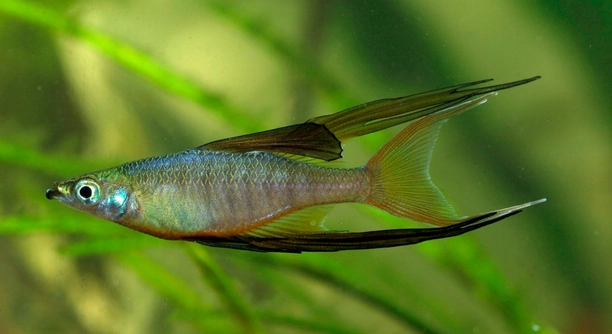
Threadfin rainbowfish are usually graceful swimmers, gliding effortlessly through aquariums. Observing them suddenly swim upside down can be surprising and concerning. This behavior may signal underlying health or environmental issues that warrant attention and care.
Threadfin rainbowfish swim upside down primarily due to swim bladder disorders, water quality issues, or sudden stressors in their environment. Nutritional deficiencies, parasitic infections, and improper tank conditions can also disrupt their buoyancy, leading to this abnormal swimming behavior.
Understanding these causes helps ensure your fish remain healthy and active, preventing further complications and promoting a balanced aquatic environment for long-term wellbeing.
Swim Bladder Disorder
Swim bladder disorder is a common reason why threadfin rainbowfish suddenly swim upside down. The swim bladder is an internal organ that helps fish control their buoyancy. When it becomes damaged or inflamed, the fish may struggle to maintain proper orientation in the water. This can happen due to overfeeding, gulping air while eating, or bacterial infections. In my experience, even small changes in diet can trigger issues. Feeding high-protein foods occasionally causes the swim bladder to become temporarily overinflated, making the fish tilt or flip. Stress from sudden changes in water temperature or movement in the tank can also affect the swim bladder. Observing your fish closely can help you notice subtle signs before the problem worsens. Treating swim bladder disorder often involves dietary adjustments, isolating affected fish, and maintaining stable water conditions.
Swim bladder issues can usually be managed with careful feeding, temperature control, and monitoring tank cleanliness.
Providing a balanced diet and avoiding sudden environmental changes helps prevent the disorder. Regular observation ensures early intervention. If left untreated, chronic swim bladder problems may reduce activity, affect growth, and lower overall health. Adjusting feeding routines and correcting water parameters often restores normal swimming within a few days. Tank size and the number of tank mates also influence recovery. Consistent care helps your rainbowfish regain buoyancy and comfort in its habitat.
Water Quality Problems
Poor water quality is another factor causing threadfin rainbowfish to swim upside down. Accumulated waste, improper pH levels, or elevated ammonia and nitrite concentrations can stress the fish.
Keeping the tank clean with regular water changes, proper filtration, and monitoring pH, ammonia, and nitrite levels prevents sudden buoyancy problems. Consistent maintenance ensures a stable environment for swimming and feeding.
Neglecting water quality can lead to long-term health issues. Fish exposed to high ammonia or nitrite levels may develop weakened immune systems, making them more susceptible to infections. Even minor fluctuations in pH can irritate the swim bladder or other organs. Testing water weekly, using reliable filtration, and performing partial water changes prevent toxins from accumulating. Temperature stability is equally important, as sudden drops or spikes stress rainbowfish and contribute to abnormal swimming. Observing fish behavior daily helps identify early signs of water stress. By combining regular water testing, controlled feeding, and careful cleaning, the risk of upside-down swimming decreases. Maintaining a stable, clean environment promotes healthy behavior, buoyancy control, and overall wellbeing for threadfin rainbowfish.
Stress and Sudden Environmental Changes
Stress from sudden changes in the tank can cause threadfin rainbowfish to swim upside down. Moving the tank, introducing new fish, or abrupt lighting shifts can trigger this behavior quickly.
Stress weakens the fish’s ability to regulate buoyancy. Sudden changes in temperature, water chemistry, or even loud vibrations can startle them. I’ve noticed that even minor rearrangements of decorations sometimes cause temporary disorientation. Overcrowding adds additional stress, reducing space for swimming and increasing competition for food. Minimizing disturbances and keeping a consistent environment can prevent this behavior from becoming chronic.
Continuous stress may lead to loss of appetite, fading colors, and further health complications. Monitoring fish daily allows me to notice subtle changes in swimming or activity. Gradual adjustments to temperature, lighting, and tank setup help rainbowfish adapt without compromising their wellbeing. Proper tank management ensures they regain normal swimming patterns and remain active.
Nutritional Deficiencies
Inadequate nutrition can affect buoyancy and energy levels, leading threadfin rainbowfish to swim upside down. Skipping essential vitamins or feeding only one type of food may trigger this.
Balanced feeding is crucial. A diet lacking essential nutrients like vitamins A, C, and D, or insufficient protein, can weaken muscles and disrupt swim bladder function. I make sure to include high-quality flakes, occasional live or frozen foods, and supplements to maintain health. Irregular feeding schedules or overfeeding processed foods can also contribute to buoyancy problems. By observing how my fish respond to diet changes, I adjust portions and variety to meet their nutritional needs.
Over time, poor nutrition can cause stunted growth, lethargy, and increased susceptibility to infections. Providing diverse foods and monitoring intake restores energy and buoyancy. Supplements can correct deficiencies, supporting muscle function and swim bladder recovery. Consistency in feeding habits and attention to nutrient balance ensures rainbowfish remain healthy and swim correctly.
Parasitic Infections
Parasitic infections can interfere with a threadfin rainbowfish’s swimming. Internal or external parasites may cause discomfort, affecting buoyancy and balance.
Symptoms often include sudden upside-down swimming, clamped fins, or reduced activity. Early detection and treatment with appropriate medication help restore normal behavior quickly.
Overfeeding
Overfeeding is a common cause of swim bladder problems. Too much food at once can lead to bloating, gas, and buoyancy issues. I’ve noticed my rainbowfish struggle when portions are too large or feeding is too frequent. Monitoring portion sizes and feeding smaller amounts ensures better digestion.
Tank Size and Crowding
A tank that is too small or overcrowded stresses fish and limits swimming space. Limited room increases competition for food and can trigger upside-down swimming. Adequate space, proper stocking levels, and sufficient hiding areas support normal behavior and overall health.
FAQ
Why is my threadfin rainbowfish swimming upside down suddenly?
There are several reasons for this behavior. The most common include swim bladder disorders, poor water quality, stress from environmental changes, nutritional deficiencies, and parasitic infections. Overfeeding or an overcrowded tank can also interfere with buoyancy. Observing the fish closely helps identify the underlying cause so corrective measures can be taken promptly.
Can swim bladder problems be treated at home?
Yes, mild swim bladder issues can often be managed at home. Adjusting the diet to include softer foods, feeding smaller portions, and fasting the fish for a day or two can help. Maintaining stable water temperature and quality is essential. For persistent issues, isolating the affected fish in a separate tank may prevent further stress and allow closer monitoring.
How do I know if water quality is affecting my fish?
Signs include upside-down swimming, lethargy, gasping at the surface, and faded colors. Testing ammonia, nitrite, nitrate, and pH levels is crucial. Regular water changes, proper filtration, and avoiding sudden changes in temperature or chemistry prevent stress. I always check water parameters weekly to ensure a stable environment.
Can stress cause upside-down swimming in rainbowfish?
Yes, stress from sudden tank changes, loud noises, bright lights, or new tank mates can disrupt normal swimming. Overcrowding or moving decorations also triggers temporary disorientation. Minimizing disturbances and maintaining a consistent environment helps rainbowfish adapt and regain proper swimming behavior.
Is overfeeding dangerous for rainbowfish?
Overfeeding can lead to bloating and swim bladder problems. Feeding too often or giving large portions causes gas and digestive issues, which affect buoyancy. I feed my fish small, controlled portions multiple times a day and monitor how quickly they eat to prevent overfeeding.
How do nutritional deficiencies impact swimming?
Lack of essential nutrients can weaken muscles and affect the swim bladder. Deficiencies in vitamins or protein may result in upside-down swimming, sluggishness, and stunted growth. Offering a balanced diet of high-quality flakes, live or frozen foods, and occasional supplements supports overall health and proper buoyancy.
What role do parasites play in abnormal swimming?
Parasites, both internal and external, can cause discomfort and interfere with swimming. Infected fish may show clamped fins, lethargy, or floating issues. Early detection and treatment with appropriate medication are essential. I isolate affected fish when treating to prevent spread and monitor recovery closely.
Does tank size matter for swimming behavior?
Yes, small or overcrowded tanks restrict movement, increase stress, and affect buoyancy. Providing adequate space, proper stocking levels, and hiding areas reduces competition for food and minimizes stress, promoting normal swimming patterns and overall health.
Can sudden temperature changes cause upside-down swimming?
Rapid changes in temperature stress rainbowfish and disrupt buoyancy control. Maintaining a stable temperature with a reliable heater or adjusting gradually when necessary prevents shock. I monitor temperature daily to avoid sudden drops or spikes.
How long does it take for rainbowfish to recover?
Recovery depends on the underlying cause. Dietary adjustments, water quality improvements, or treatment for parasites can restore normal swimming in a few days. Persistent issues, like chronic swim bladder disorders, may take longer and require ongoing care. Consistency in maintenance and monitoring accelerates recovery.
Are certain foods better for preventing buoyancy problems?
Yes, softer foods like frozen or blanched vegetables, daphnia, or specialized flakes help prevent swim bladder strain. High-protein foods should be fed in moderation. I rotate foods to ensure balanced nutrition and support digestive health, which directly influences swimming behavior.
Can I prevent upside-down swimming entirely?
While not all causes can be avoided, maintaining stable water conditions, proper tank size, balanced nutrition, and minimizing stress greatly reduce the risk. Observing fish behavior daily allows early intervention, preventing minor issues from escalating into serious health problems.
Should I treat all fish if one is swimming upside down?
Not always, but monitoring the entire tank is important. Some issues like parasites or water quality affect all fish. I isolate the affected fish when necessary while checking water parameters and observing tank mates for early signs of stress or illness.
Is medication always necessary for swim bladder issues?
Not always. Mild cases often improve with dietary changes, fasting, or water adjustments. Medication is typically reserved for infections, parasites, or persistent conditions. I carefully evaluate symptoms before deciding to medicate to avoid unnecessary stress.
Can lighting affect swimming behavior?
Sudden bright lights or frequent changes in lighting can stress fish, causing temporary upside-down swimming. Consistent lighting schedules and dim transitions help rainbowfish adjust naturally, maintaining normal buoyancy and activity levels.
How do I know when to consult a veterinarian?
If the fish shows prolonged upside-down swimming, loss of appetite, faded colors, or unresponsive behavior despite corrections, professional help is needed. A vet can diagnose underlying conditions, prescribe treatments, and prevent long-term damage. Early intervention is key to recovery.
Can overcrowding alone cause this behavior?
Yes, too many fish reduce space, increase stress, and disrupt swimming patterns. Overcrowding leads to competition for food and less room to move. I always calculate stocking levels carefully to ensure adequate space and reduce stress-related issues.
What role does age play in upside-down swimming?
Older or very young rainbowfish may have weaker swim bladders, making them more prone to buoyancy problems. Adjusting care routines, feeding softer foods, and providing calm environments support fish at vulnerable ages.
How important is daily observation?
Daily observation allows early detection of upside-down swimming and other symptoms. Catching problems early often prevents serious health issues. I spend a few minutes each day watching swimming patterns, appetite, and color to maintain fish wellbeing.
Can sudden tank movements trigger this behavior?
Yes, moving the tank, tapping the glass, or rearranging decorations can temporarily disorient rainbowfish. Gentle handling and avoiding sudden movements minimize stress and help maintain normal swimming behavior.
How can I support recovery after treatment?
Post-treatment, maintain stable water conditions, offer balanced foods, and monitor behavior closely. Reducing stressors and providing adequate space accelerates recovery and restores normal buoyancy in threadfin rainbowfish.
Final Thoughts
Threadfin rainbowfish swimming upside down can be alarming, but understanding the possible reasons helps address the issue effectively. Many factors contribute to this behavior, including swim bladder disorders, poor water quality, stress, overfeeding, nutritional deficiencies, and parasitic infections. Observing fish closely and identifying early signs is important to prevent minor issues from becoming serious. Maintaining stable water parameters, a proper diet, and a consistent tank environment supports healthy swimming habits. Even small adjustments, like monitoring portion sizes or gradually changing tank conditions, can make a noticeable difference in restoring buoyancy. Regular maintenance, careful observation, and attention to diet all work together to keep rainbowfish healthy and active.
Prevention is key when it comes to upside-down swimming. Ensuring the tank is not overcrowded and that there is enough space for all fish to move freely reduces stress and competition for resources. Providing a balanced diet that includes a variety of high-quality flakes, frozen or live foods, and occasional supplements strengthens overall health and reduces the risk of swim bladder problems. Controlling stressors, such as sudden lighting changes, tank rearrangements, or temperature fluctuations, helps rainbowfish maintain stability in the water. Consistency in feeding schedules, water quality, and environmental conditions allows the fish to adapt comfortably without experiencing disorientation. Addressing problems promptly when they arise, whether through dietary adjustments, water maintenance, or treatment for parasites, ensures the fish recover quickly and avoid long-term health issues.
It is important to stay patient and attentive when caring for threadfin rainbowfish experiencing upside-down swimming. Some causes, like minor swim bladder issues or temporary stress, may resolve within a few days with proper care, while other issues, such as chronic swim bladder disorders or severe parasitic infections, require more ongoing attention. Observing fish daily, testing water parameters regularly, and keeping records of feeding and behavior help track improvements and detect any recurring problems. By focusing on consistent care, a well-maintained environment, and a balanced diet, rainbowfish can regain normal swimming patterns and enjoy a healthier life. Taking these measures not only restores buoyancy but also enhances overall vitality, coloration, and activity levels in the aquarium. Through careful observation and proper management, upside-down swimming can be addressed effectively, creating a stable and supportive habitat for threadfin rainbowfish to thrive.

Hello,
If you enjoy the content that we create, please consider saying a "Thank You!" by leaving a tip.
Every little bit helps us continue crafting quality advice that supports the health, happiness, and well-being of pets around the world, for pets of all shapes, sizes, and species.
We really appreciate the kindness and support that you show us!