
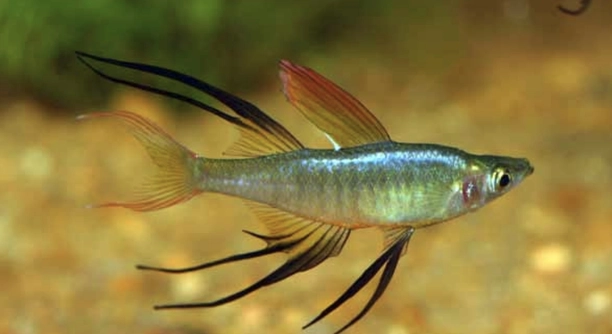
Have you ever noticed your threadfin rainbowfish drifting apart instead of swimming together in their usual graceful formation? This change can be worrying for aquarists who value their tank’s natural balance and harmony.
Threadfin rainbowfish may stop schooling due to stress, poor water conditions, illness, or an unbalanced group size. Environmental disruptions, insufficient space, or aggressive tank mates can also influence their behavior, making them less inclined to swim collectively.
Understanding the main causes behind this shift can help restore their social patterns and create a healthier, more peaceful aquarium environment.
Stress and Environmental Changes
Stress is one of the most common reasons threadfin rainbowfish stop schooling. These delicate fish are sensitive to sudden changes in their surroundings, such as temperature shifts, loud noises, or frequent tank rearrangements. Even slight disruptions can make them anxious, leading them to separate instead of swimming together. Poor water quality can also be a major factor, as ammonia or nitrate spikes often cause stress and erratic behavior. When fish feel unsafe or uncomfortable, their instinct to school diminishes. Maintaining stable conditions, gentle lighting, and minimal disturbances helps reduce tension and encourages them to regroup naturally. Consistency is key to their comfort and harmony.
When I noticed my own threadfins separating, I found that testing the water regularly and keeping it within ideal parameters helped them return to normal. Calm surroundings and balanced conditions truly make a difference in their behavior and overall well-being.
Besides stability, enrichment plays an important role in keeping threadfin rainbowfish comfortable. Adding live plants, gentle water flow, and safe hiding spots helps them feel more secure. These additions provide shelter while also mimicking their natural environment. When they feel less exposed, they naturally begin swimming together again. A well-maintained aquarium with consistent lighting and clean water encourages unity. Observation is essential, as small behavioral shifts often reveal when stress levels rise. By addressing these subtle cues early, you can prevent long-term separation. Every adjustment, no matter how small, contributes to their collective balance and trust. Once conditions stabilize, their graceful schooling behavior usually returns without intervention.
Illness and Tank Mate Aggression
Illness can weaken threadfin rainbowfish and reduce their desire to interact with others. A sick fish often isolates itself, showing signs like clamped fins or sluggish movement. In some cases, aggressive tank mates may also scare them away from schooling.
A peaceful environment is essential for threadfin rainbowfish to thrive. If aggressive species share the tank, rainbowfish can become timid and avoid group swimming. Separating them or rearranging the setup can reduce bullying. Illnesses like bacterial infections, parasites, or fin rot can further cause isolation. Regular health checks and clean water minimize these risks. Quarantining new fish before adding them to the main tank prevents disease spread. Observation helps detect issues early—when behavior changes, it often signals an underlying problem. By treating health concerns promptly and choosing compatible companions, your threadfin rainbowfish can recover their energy and resume their gentle, synchronized movements across the aquarium.
Imbalanced Group Size
Threadfin rainbowfish are naturally social and depend on group dynamics for comfort. When kept in groups that are too small, they may feel insecure and scatter instead of swimming in unison. A larger group provides safety and encourages consistent schooling behavior.
Smaller groups often create a sense of vulnerability among threadfins, especially in open tanks with little cover. Without enough companions, they can become nervous or territorial, disrupting the flow of their movements. Keeping at least six to eight rainbowfish together helps them feel secure and maintain social order. It also prevents one fish from becoming isolated or overly dominant. In my experience, once the group size increased, they quickly reestablished their natural rhythm and moved together again gracefully. Group balance brings stability, and stability helps them regain confidence in their surroundings.
Creating balance goes beyond just numbers. Ensuring that all fish are similar in size and temperament helps avoid bullying or intimidation. Mixing larger, more dominant threadfins with smaller ones can disrupt their coordination. A well-matched group promotes equal participation and smoother movement. Feeding evenly across the tank prevents competition and keeps energy consistent. Observation after adding or removing fish helps you adjust the balance as needed. Over time, a stable, evenly matched group restores their synchronized swimming and natural companionship.
Inadequate Space
Threadfin rainbowfish need adequate room to swim freely. A crowded or undersized tank limits movement and increases stress, causing them to separate. Space allows them to perform their graceful schooling patterns and maintain a calm, confident presence within the aquarium.
A cramped tank disrupts their coordination and can quickly lead to erratic swimming or hiding. Each fish requires space to move without constant obstruction, especially in longer tanks that allow horizontal swimming. Overcrowding often leads to aggression, poor water quality, and stress—all of which discourage schooling. Providing at least 20 gallons for a small group, with extra room for each additional fish, ensures comfort. Adding open areas between plants and decorations enhances their movement and sense of security. When given proper space, threadfin rainbowfish rediscover their rhythm and swim together effortlessly, reflecting both physical well-being and emotional ease within the aquarium.
Poor Water Conditions
Dirty or unstable water conditions can cause immediate stress for threadfin rainbowfish, leading them to break formation. Elevated ammonia or nitrate levels, incorrect pH, and sudden temperature changes all affect their health and make schooling behavior less likely.
Regular maintenance keeps their environment safe and balanced. Weekly water changes, filter cleaning, and consistent testing help prevent chemical buildup. Stable water parameters keep them calm, healthy, and social. When the water remains clear and steady, their natural instinct to swim together quickly returns, restoring harmony to the aquarium.
Inconsistent Lighting
Lighting plays a quiet yet important role in threadfin rainbowfish behavior. Inconsistent or overly bright lighting can make them uneasy and disrupt their sense of rhythm. Soft, steady light mimics their natural habitat and supports their schooling behavior throughout the day.
Sudden Movements Around the Tank
Sudden movement near the tank can startle threadfin rainbowfish easily. Fast motions or constant activity around their space make them scatter and hide. Calm surroundings and minimal disturbances help them feel secure, encouraging their graceful, synchronized swimming once again.
Why do my threadfin rainbowfish suddenly stop schooling?
Threadfin rainbowfish stop schooling primarily due to stress, illness, environmental changes, or social imbalance. Any disruption to their tank, such as temperature swings, poor water quality, overcrowding, or aggressive tank mates, can trigger this behavior. These fish are naturally social and rely on the security of a group to feel comfortable. When conditions are less than ideal, their instinct is to separate and find safety, sometimes hiding or swimming erratically. Maintaining stable water parameters, providing adequate space, and ensuring compatible companions are key steps to encourage them to return to normal schooling patterns.
How can I reduce stress in my rainbowfish?
Stress reduction starts with stability. Avoid frequent rearrangement of decorations, sudden lighting changes, or loud noises near the tank. Regular water testing and maintenance prevent harmful chemical fluctuations. Providing hiding spaces with plants or smooth rocks gives them a sense of security. Consistent feeding schedules also reduce anxiety and help maintain predictable daily routines. Over time, these measures restore confidence in the group, allowing the fish to swim together naturally again.
Can illness affect schooling behavior?
Yes, illness can significantly disrupt schooling. A sick fish may isolate itself, showing signs like clamped fins, lethargy, or reduced appetite. Common issues include bacterial infections, parasites, and fin rot. Early detection is important; quarantining new or affected fish prevents spread. Treating illnesses promptly helps affected individuals regain strength and rejoin the group. Observing their behavior closely can often indicate health problems before physical symptoms appear, helping maintain the overall well-being of the tank.
Does group size matter for schooling?
Group size is critical. Threadfin rainbowfish are more comfortable in groups of at least six to eight. Smaller groups often feel insecure, which can lead to scattered or isolated swimming. Proper group numbers reduce dominance struggles and create balance. Ensuring similar size and temperament among the fish improves social cohesion. When the group size is balanced, their natural schooling behavior returns quickly. In my experience, increasing the group to the recommended number restored harmony and synchronized movement almost immediately.
How does tank size influence schooling?
Tank size directly affects schooling behavior. A small or overcrowded tank limits movement and increases stress. Threadfin rainbowfish need horizontal swimming space to maintain their coordinated patterns. A minimum of 20 gallons for a small group, with extra room for additional fish, is recommended. Open areas between plants and decorations allow freedom of movement. Adequate space reduces aggression, improves water circulation, and creates a calmer environment, all of which encourage natural schooling behavior to resume.
Can water quality really disrupt schooling?
Absolutely. Elevated ammonia, nitrite, or nitrate levels, fluctuating pH, and incorrect temperatures all affect their comfort. Poor water quality triggers stress responses, causing them to scatter or hide. Regular water changes, proper filtration, and monitoring of chemical levels keep the environment safe. Consistent, clean water allows threadfin rainbowfish to feel secure and swim together normally. Over time, attention to water quality stabilizes their behavior and supports overall health, making schooling a predictable and regular pattern.
Do tank mates influence schooling behavior?
Yes, aggressive or incompatible tank mates can intimidate threadfin rainbowfish, causing separation from the group. Peaceful companions encourage schooling, while overly dominant species increase stress. Observing interactions and removing aggressive individuals helps restore social harmony. Choosing calm, compatible fish allows threadfins to swim confidently, maintaining group cohesion and minimizing erratic or solitary behaviors.
Does lighting affect their behavior?
Lighting can impact mood and movement. Bright, inconsistent, or fluctuating lighting makes fish uneasy and reduces schooling. Gentle, steady light mimics natural conditions, helping them feel secure. Proper lighting also supports feeding and overall activity, contributing to healthy, coordinated swimming patterns.
Will sudden movements outside the tank disturb them?
Yes, threadfin rainbowfish are sensitive to rapid motion near the tank. Frequent disturbances startle them, breaking formation and sometimes causing hiding. Keeping a calm, stable environment with minimal sudden activity encourages them to swim together. Gradual changes and a quiet area around the aquarium help maintain confidence and natural behavior patterns.
How long does it take for them to start schooling again?
Recovery depends on the cause of separation. After stabilizing water conditions, reducing stress, and correcting group size, many fish resume schooling within days to weeks. Illness or severe stress may require longer recovery and careful observation. Patience, consistency, and attention to environmental factors are essential for restoring normal social behavior.
What steps can I take to prevent schooling issues in the future?
Prevention involves maintaining stable water parameters, providing adequate tank space, selecting compatible tank mates, and monitoring health closely. Keeping a proper group size and ensuring gentle lighting supports consistent schooling. Minimizing sudden disturbances and observing daily behavior allows early intervention. A well-maintained tank encourages calm, synchronized movement, reducing the likelihood of future separation.
How can I tell if stress or illness is the reason for separation?
Stress often causes erratic movement, hiding, or sudden fleeing without physical signs. Illness may include clamped fins, pale coloration, or reduced appetite. Monitoring behavior and appearance together helps distinguish between temporary stress and health issues. Early identification allows appropriate action, whether adjusting environment or treating disease, helping restore schooling behavior quickly.
Are there environmental enrichments that encourage schooling?
Yes, providing live plants, smooth rocks, and gentle water flow improves security and mimics natural habitat. Hiding spaces reduce stress while allowing freedom of movement. Even simple additions create confidence and comfort, promoting group cohesion. Threadfin rainbowfish are more likely to swim together when their environment feels safe, structured, and predictable.
How often should I monitor my fish for schooling behavior?
Daily observation is ideal. Regularly watching their movements helps detect early signs of stress, illness, or social imbalance. Minor changes in swimming patterns or group cohesion often indicate underlying issues before visible symptoms appear. Consistent monitoring allows timely intervention, maintaining a healthy, synchronized group.
Can diet affect their schooling?
A balanced diet supports energy levels and overall health, which influences social behavior. Malnourished fish may become lethargic, separating from the group. Feeding high-quality food in appropriate amounts ensures they have the strength to swim actively and participate fully in schooling.
Is water temperature a factor in schooling?
Yes, temperature fluctuations can disrupt coordination. Threadfin rainbowfish prefer a stable range, typically between 74–82°F. Sudden drops or spikes stress them, reducing group swimming. Maintaining consistent warmth supports metabolism, activity, and social behavior, helping them stay synchronized and comfortable.
What is the first thing I should do if schooling stops?
Check water quality immediately. Test for ammonia, nitrites, nitrates, pH, and temperature. Correcting chemical imbalances and ensuring a calm, safe environment is the fastest way to address separation. Observing for illness or aggressive tank mates should follow, allowing targeted adjustments to restore natural schooling behavior.
Can overcrowding be reversed to restore schooling?
Yes, removing excess fish or expanding tank space reduces stress and encourages normal group behavior. Overcrowding increases aggression and competition, which breaks cohesion. After creating adequate room, threadfin rainbowfish gradually resume synchronized swimming, reflecting improved comfort, confidence, and social stability within the tank.
Threadfin rainbowfish are beautiful and social creatures that bring life to any aquarium. Their graceful schooling is one of their most captivating traits, but this behavior depends heavily on their environment, health, and social balance. Observing them separate or swim erratically can be worrying, yet it is often a clear signal that something in their tank needs attention. Changes in water quality, stress from sudden movements, incompatible tank mates, or even minor health issues can all lead to a disruption in schooling behavior. Understanding these factors is essential for anyone caring for these delicate fish, as it allows for prompt action that restores harmony within the tank. Maintaining a consistent environment, monitoring group dynamics, and observing their behavior daily are simple yet effective ways to ensure that threadfin rainbowfish remain comfortable and social.
Proper care starts with creating a stable and secure environment. Water parameters, such as temperature, pH, and chemical levels, should be checked regularly to avoid harmful fluctuations. Clean, well-oxygenated water reduces stress and supports natural behavior, allowing the fish to feel safe enough to school together. Adequate space and an appropriate group size are equally important. Overcrowding or very small groups can make threadfin rainbowfish feel insecure, causing them to scatter. Providing hiding spaces with plants or gentle decorations can help reduce tension and allow fish to move freely without feeling exposed. Similarly, ensuring tank mates are compatible prevents bullying and aggression, both of which can disrupt schooling. A balanced environment, combined with regular monitoring and attention to daily behavior, promotes confidence and stability within the group, encouraging synchronized movement naturally.
Finally, attention to health and nutrition is essential for sustaining schooling behavior. Illness or malnutrition can weaken fish, making them more likely to isolate themselves or act lethargic. Observing for early signs of disease, such as clamped fins, changes in color, or reduced appetite, allows for timely intervention. Quarantining new fish, maintaining proper feeding routines, and providing high-quality nutrition all contribute to their overall well-being. Even minor adjustments, like consistent lighting or gentle water flow, can improve their comfort and encourage them to swim together. By combining careful observation, proper environmental management, and attention to health, threadfin rainbowfish can regain and maintain their natural schooling behavior, creating a balanced and visually appealing aquarium that reflects both their physical and emotional well-being.

Hello,
If you enjoy the content that we create, please consider saying a "Thank You!" by leaving a tip.
Every little bit helps us continue crafting quality advice that supports the health, happiness, and well-being of pets around the world, for pets of all shapes, sizes, and species.
We really appreciate the kindness and support that you show us!