
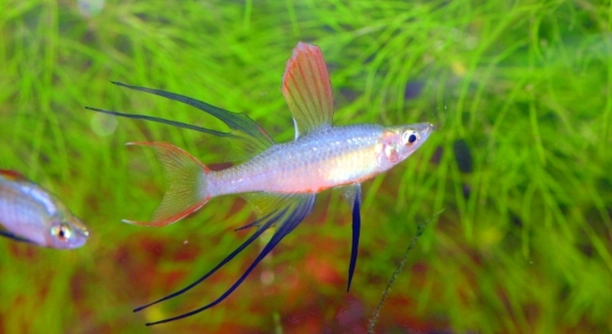
Do you ever find yourself cleaning your threadfin rainbowfish tank multiple times a week, trying to keep the water sparkling and plants pristine? Sometimes, even with the best intentions, too much cleaning can be harmful.
Over-cleaning a threadfin rainbowfish tank disrupts the natural balance of beneficial bacteria, stresses the fish, and can lead to poor water quality. Excessive maintenance may inadvertently remove essential microorganisms that maintain a healthy aquatic environment.
Recognizing these habits early can prevent stress on your fish and maintain a stable, thriving aquarium environment for the long term.
Fish Showing Signs of Stress
When you clean your threadfin rainbowfish tank too often, the fish may start to display unusual behavior. They might hide more frequently, swim erratically, or even develop faded colors. These are subtle indicators that the constant disturbance in their environment is causing stress. Fish rely on a stable tank with a balanced ecosystem, and repeated cleaning can remove beneficial bacteria and essential nutrients from the water. Over time, this can weaken their immune system, making them more prone to illness. Observing your fish closely after cleaning sessions can reveal patterns you might not notice otherwise. Simple changes like reducing cleaning frequency or maintaining a partial water change schedule can help restore balance. These adjustments allow the fish to thrive in a healthier environment and maintain their natural behaviors, coloration, and overall vitality. Even small signs of discomfort should be taken seriously to prevent long-term health issues.
Over-cleaning often masks water problems, creating more stress for your fish in the long run.
Regularly removing all decorations and scrubbing surfaces disrupts the tank’s ecosystem, reducing beneficial bacteria and destabilizing water chemistry. These microorganisms play a crucial role in breaking down waste, processing toxins, and maintaining clarity. When they are removed, ammonia and nitrite levels can spike, even if water appears clean. Threadfin rainbowfish are sensitive to such fluctuations, which can trigger behavioral changes and physical stress. Establishing a consistent but moderate cleaning routine, paired with partial water changes, helps maintain balance. This approach protects the microbial population while keeping the tank visually appealing. Over-cleaning may seem helpful, but it can actually make water management more difficult. Using gentle tools and only targeting areas that truly need attention preserves beneficial organisms. Monitoring water parameters regularly ensures the tank remains stable. By understanding the delicate relationship between cleaning and tank health, you create a safer, more supportive environment for your fish to thrive naturally.
Excessive Algae Removal
Over-removing algae can disrupt the ecosystem. Small amounts provide food and shelter for your fish.
Algae plays a role in a balanced tank by offering microhabitats for fish and contributing to the natural nitrogen cycle. When removed excessively, it diminishes available nutrients and deprives fish of areas to explore or hide. Threadfin rainbowfish may feel exposed, leading to stress and defensive behaviors. Some algae species also support beneficial bacteria that help break down waste and maintain water clarity. Instead of scrubbing every surface, target only excessive growth that impacts filtration or water flow. Observing algae levels over time helps determine the appropriate maintenance frequency. Allowing controlled growth fosters a more natural and supportive environment while keeping the tank clean enough for fish health. This balance reduces stress, supports microbial activity, and maintains aesthetic appeal. Implementing moderation in algae removal contributes to a healthier ecosystem and happier fish.
Frequent Water Changes
Frequent water changes can unsettle the tank’s chemistry. Constantly removing water reduces essential minerals and beneficial bacteria, making it harder for the ecosystem to stabilize.
Overdoing water changes can create fluctuations in pH, hardness, and nutrient levels, which threadfin rainbowfish are sensitive to. Even if the water appears clean, these repeated disturbances prevent the natural cycle from establishing. Beneficial bacteria in the filter and substrate help process waste and maintain safe ammonia and nitrite levels. If these populations are constantly removed, toxins can accumulate quickly between changes. Maintaining a consistent, moderate water change schedule supports stability, keeps the fish healthy, and reduces unnecessary stress. Gradual adjustments are more effective than frequent complete replacements, allowing the tank to remain balanced while still maintaining visual cleanliness.
Constantly changing water may seem like good maintenance, but it can do more harm than good. Excessive alterations prevent natural balance, leaving fish exposed to stress. Proper scheduling is key.
Over-Cleaning Decorations
Scrubbing decorations too often removes algae and microorganisms that support tank health. Minimal cleaning is better.
Decorations provide surfaces for beneficial bacteria to grow, contributing to waste processing and water stability. Over-cleaning these surfaces can strip away these organisms, creating instability in the tank’s ecosystem. Threadfin rainbowfish rely on both visual and physical elements in their environment, and constant changes can cause stress. Maintaining some algae and microbial presence allows the fish to feel secure and supports their natural behaviors. Cleaning should focus only on removing visible debris or excess buildup, avoiding the removal of all microorganisms. Using gentle tools preserves the balance between aesthetics and functionality, allowing the tank to thrive naturally without unnecessary disturbance.
Maintaining decorations properly ensures the tank remains visually appealing while protecting essential bacteria and microhabitats. Overdoing it may lead to stress and poor water quality. Regular, careful cleaning is sufficient.
Overuse of Chemical Cleaners
Using chemical cleaners too often can harm fish and beneficial bacteria. Residues may remain in the water, causing stress and health issues.
Even products labeled as safe for aquariums can disrupt water chemistry if over-applied. Minimal use and thorough rinsing prevent accidental exposure.
Disturbing the Substrate
Frequent vacuuming or stirring of the substrate removes beneficial bacteria and unsettles waste. Over-disturbing the gravel prevents natural biological filtration and can release toxins back into the water, stressing the fish. A gentle approach maintains balance and supports a stable environment for threadfin rainbowfish.
Constant Filter Maintenance
Cleaning filters too often reduces the beneficial bacteria colonies that process ammonia and nitrites. Proper maintenance should focus only on removing visible debris while keeping bacterial populations intact, ensuring water stability and fish health.
Removing Live Plants Too Often
Excessive removal or trimming of live plants disturbs the ecosystem. Plants provide shelter, oxygen, and support beneficial bacteria. Over-managing them can reduce these benefits, leaving the tank less stable and increasing stress for your threadfin rainbowfish.
FAQ
How often should I clean a threadfin rainbowfish tank?
Cleaning should be moderate and consistent. Partial water changes of about 20–30% every one to two weeks are sufficient. Focus on removing debris and excess waste while leaving beneficial bacteria and microorganisms intact to maintain a stable ecosystem. Avoid complete water replacements unless necessary for water quality issues.
Can I use chemical cleaners in my tank?
Chemical cleaners should be avoided except when specifically labeled safe for aquariums. Even small residues can harm fish and disrupt beneficial bacteria. Relying on mechanical cleaning, gentle scrubbing, and water changes is safer and more effective for long-term health of the tank.
Why are my fish hiding more after cleaning?
Hiding can be a stress response. Frequent cleaning disturbs their environment, removes hiding spots, and affects water stability. Over-cleaning decorations, substrate, or plants can make fish feel exposed. Reducing the frequency of maintenance and maintaining stable water parameters helps fish regain normal behavior.
Is it bad to scrub decorations and rocks?
Over-scrubbing removes beneficial bacteria and algae that support the nitrogen cycle. Clean only when buildup affects water flow or visual clarity. Preserving some microorganisms promotes a healthier tank environment and reduces stress on your fish.
How much should I trim live plants?
Trim only dead or excessively overgrown leaves. Plants provide shelter, oxygen, and surfaces for beneficial bacteria. Over-trimming disturbs the ecosystem, stresses the fish, and can reduce water quality. Moderation allows the tank to remain visually appealing while supporting a natural habitat.
What happens if I change water too often?
Frequent water changes can destabilize pH, hardness, and nutrient levels. Beneficial bacteria populations are repeatedly reduced, leaving fish more vulnerable to stress and toxins. Gradual, moderate water changes maintain water chemistry, protect microbial balance, and support overall fish health.
How can I tell if I’m over-cleaning?
Signs include faded fish colors, unusual hiding or erratic swimming, unstable water parameters, and repeated algae removal with slow regrowth. Over-cleaning disrupts the natural balance and reduces microbial populations essential for a healthy aquarium. Observing fish behavior and water quality helps gauge proper cleaning frequency.
Can over-cleaning affect water quality?
Yes, excessive cleaning removes beneficial bacteria and microorganisms, leading to spikes in ammonia and nitrite. Even if the water looks clean, chemical and biological stability may be compromised. Controlled cleaning maintains clarity while preserving the ecosystem needed for threadfin rainbowfish to thrive.
How should I maintain the filter?
Filters should be gently rinsed in removed tank water rather than tap water. Cleaning only visible debris preserves bacterial colonies that process waste and maintain water chemistry. Over-cleaning or replacing filter media too often destabilizes water quality and stresses fish.
Are there benefits to leaving some algae in the tank?
Small amounts of algae provide food for microfauna and fish, and surfaces for beneficial bacteria to grow. Excessive removal deprives the tank of these benefits. Controlled growth helps maintain balance, supports natural behaviors, and contributes to a healthier aquarium environment.
How do I balance cleaning with fish health?
Focus on moderate, consistent cleaning routines, partial water changes, and minimal disturbance of decorations, substrate, plants, and filters. Monitoring water parameters and fish behavior ensures that cleaning supports health rather than disrupting the ecosystem. Stability is more important than visual perfection.
What should I avoid when maintaining my tank?
Avoid over-scrubbing, excessive water changes, frequent chemical use, and removing too many plants or algae. These actions disturb beneficial bacteria, stress fish, and destabilize water chemistry. Gentle maintenance preserves natural balance, allowing threadfin rainbowfish to thrive with minimal disruption.
How do I know if my tank is balanced?
Balanced tanks have clear water, stable pH and ammonia levels, healthy fish displaying normal behavior, and moderate algae growth. Beneficial bacteria should remain intact on surfaces and in the filter. Observing consistent water parameters and fish health indicates proper maintenance without over-cleaning.
Can I prevent stress while cleaning?
Yes. Clean only what is necessary, maintain partial water changes, preserve decorations and plants, and avoid over-disturbing substrate or filters. Consistent, moderate care reduces stress and supports a thriving environment for threadfin rainbowfish.
This FAQ addresses the key concerns about over-cleaning and provides guidance for maintaining a healthy, stable aquarium environment while keeping fish comfortable and safe.
Final Thoughts
Maintaining a threadfin rainbowfish tank requires a careful balance between keeping the tank clean and preserving the natural ecosystem that supports the fish. Over-cleaning is a common mistake that many aquarists make with good intentions, but it can cause more harm than benefit. Removing too much water, scrubbing decorations excessively, trimming plants too often, or disturbing the substrate repeatedly can upset the balance of beneficial bacteria and microorganisms. These tiny organisms are essential for processing waste, maintaining water quality, and supporting the overall health of your fish. Without them, ammonia and nitrite levels can spike, even if the water appears clear. Threadfin rainbowfish are particularly sensitive to sudden changes in their environment. Stress from over-cleaning can manifest as erratic swimming, hiding, faded coloration, or reduced activity. Observing these subtle signs early helps prevent long-term issues. A moderate, consistent maintenance routine allows the tank to remain visually appealing while providing a stable and supportive environment for your fish to thrive naturally.
Partial water changes are often more effective than frequent complete replacements. Changing 20–30% of the water every one to two weeks is usually sufficient to maintain water quality without disturbing the tank’s ecosystem. Filters, decorations, and substrate should be cleaned gently and only when necessary to remove visible debris or buildup. Overdoing these tasks removes beneficial bacteria and reduces the tank’s ability to process waste efficiently. Even algae, which is often considered unsightly, plays an important role in the tank by providing shelter for fish and surfaces for microbial growth. Allowing small amounts of algae to remain supports the ecosystem and contributes to overall water stability. Live plants should be trimmed minimally, removing only dead or excessively overgrown parts. This ensures that they continue to provide oxygen, shelter, and surfaces for bacteria while supporting the natural behaviors of the fish. Maintaining this balance requires patience and careful observation, but the results are a healthier tank and happier, more active fish.
It is important to recognize that over-cleaning often comes from wanting to do the best for the fish, but it can unintentionally cause harm. Moderation is key. By following a consistent, measured cleaning schedule, monitoring water parameters, and preserving essential microorganisms, threadfin rainbowfish can flourish in a stable environment. Fish respond positively to a predictable routine and stable water chemistry, which helps them display natural behaviors and vibrant coloration. Understanding that a perfectly spotless tank is not always the healthiest approach allows aquarists to prioritize long-term health over aesthetics. Small adjustments, such as reducing cleaning frequency, leaving some algae and beneficial bacteria intact, and trimming plants carefully, create an environment that balances cleanliness with ecological stability. Over time, these practices help maintain water quality, reduce stress on the fish, and support a thriving aquarium. A thoughtful approach to tank maintenance ensures that the environment remains safe, stable, and sustainable, allowing both the fish and the aquarist to enjoy a harmonious and healthy aquatic setting.

Hello,
If you enjoy the content that we create, please consider saying a "Thank You!" by leaving a tip.
Every little bit helps us continue crafting quality advice that supports the health, happiness, and well-being of pets around the world, for pets of all shapes, sizes, and species.
We really appreciate the kindness and support that you show us!